Understanding the nuances between hiking and trekking is essential for outdoor enthusiasts aiming to optimize their gear for safety, comfort, and enjoyment. While both activities involve traversing natural terrains, the equipment needed often differs significantly depending on the duration, difficulty, and environment of the journey. So, what is the difference between hiking and trekking in equipment? This comprehensive guide will delve into the gear distinctions, practical tips, and expert advice to enhance your outdoor experiences.
Distinguishing Hiking and Trekking in Equipment – Foundations for Outdoor Preparedness
Before diving into specific gear distinctions, it’s vital to grasp the core differences between hiking and trekking as activities. Hiking generally refers to walking on well-marked trails or terrains over a day or less, often in local parks or scenic areas. Trekking, on the other hand, involves multi-day journeys through diverse and often challenging environments, requiring more specialized equipment.
The key to a successful outdoor adventure lies in understanding these differences and equipping yourself accordingly. The equipment for hiking might be minimal and lightweight, optimized for quick movement, while trekking gear emphasizes durability, versatility, and multi-functionality to withstand longer, more demanding journeys. Recognizing the environment and expected conditions is vital in shaping your gear strategy, ensuring safety and comfort on the trail.
This section explores the fundamental concepts that influence the equipment choices for hikers versus trekkers, emphasizing the importance of preparation, terrain knowledge, and activity duration in determining what gear to carry. The difference is not just in the activity but profoundly reflected in the type, quality, and quantity of equipment, which can be the deciding factor between an enjoyable adventure and a stressful ordeal.
Light vs. Heavy Equipment: The Core Divide
Hiking gear tends to prioritize lightweight, breathable, and simple equipment to facilitate ease of movement over short distances. Trekking gear, by contrast, needs added resilience and capacity to support longer durations and potentially harsher conditions.
In this regard, understanding the core differences helps you better prepare. For example, a day pack suitable for hiking might be a small, minimalistic bag that carries essentials like water, snacks, and a light jacket. Trekking backpacks, however, are larger, with multiple compartments, built-in support systems, and space for overnight gear, food, and emergency supplies. Recognizing this fundamental difference ensures you’re appropriately equipped for your planned activity, whether it’s an afternoon jaunt or a week-long expedition.
Using the question “What is the difference between hiking and trekking in equipment?” during planning helps you select the appropriate gear, avoiding underpacking or overweighting. For instance, carrying a tent for hiking might be unnecessary, but a lightweight tent or bivvy is essential during trekking to ensure shelter during multi-day trips.
Essential Equipment for Hiking – Maximizing Comfort and Safety on Daily Trails
Hiking typically involves day trips on established trails, which means your gear should be lightweight yet reliable. The focus is on mobility, ease of use, and protection against minor environmental elements. The equipment list for hiking is generally simpler, with an emphasis on essentials that maintain safety and comfort over several hours or a few days.
So, what is the difference between hiking and trekking in equipment? For hikers, the gear is optimized for lightweight portability and quick access. They prefer versatile, multi-use items that serve multiple functions, reducing overall weight and complexity. This section outlines the essential gear and offers insights into choosing the best equipment based on terrain and weather conditions.
Footwear – The Foundation of Hiking Comfort
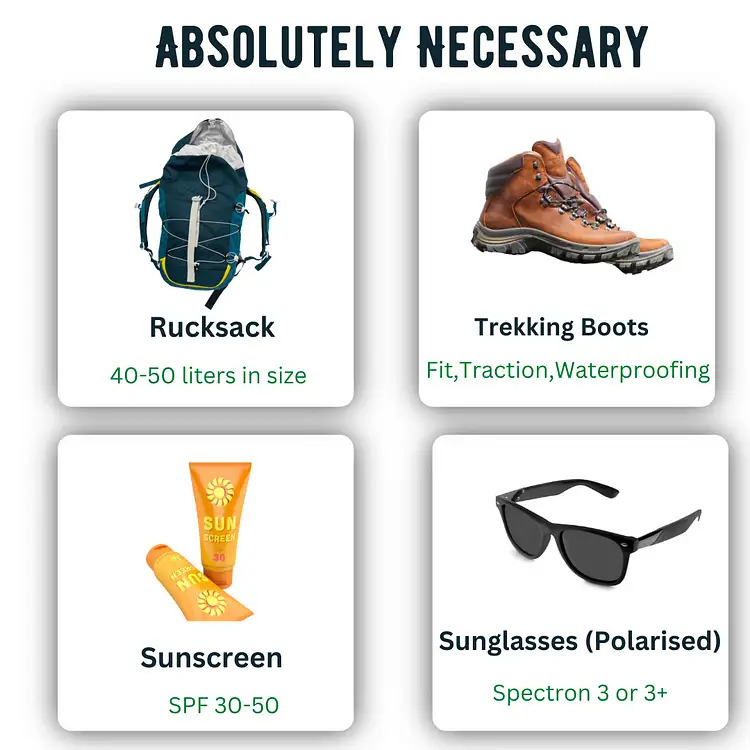
Proper footwear is perhaps the most crucial element of hiking equipment because it directly impacts safety, comfort, and efficiency on the trail. Hiking shoes or boots should be supportive, durable, and appropriate for the terrain.
Lightweight hiking shoes are suitable for well-maintained trails and less challenging terrains. These shoes emphasize flexibility, breathability, and quick drying. In contrast, rugged hiking boots with ankle support are ideal for uneven, rocky, or demanding paths. When considering what is the difference between hiking and trekking in equipment, footwear plays a central role; trekking requires more specialized footwear due to extended wear and challenging environments.
Choosing the right shoes involves understanding terrain and weather conditions. For day hikes in mild weather, supportive trail runners might suffice, but for rigorous or multi-day hikes, investing in sturdy, waterproof boots with ample ankle support is wise. The right footwear minimizes injuries, blisters, and fatigue, making every step safer and more comfortable.
Example: If you’re planning a weekend hike through mountainous terrain, a pair of waterproof hiking boots with reinforced soles would be preferable to lightweight sneakers, aligning with the gear emphasis for hiking.
Clothing – Layering for Versatile Comfort
Clothing choices for hiking revolve around comfort, moisture management, and adaptability. Hiking gear should include moisture-wicking shirts, breathable pants, and a hat or sunglasses for sun protection.
Considering the question of “what is the difference between hiking and trekking in equipment?” clothing becomes more technical in trekking. While hiking clothing needs to be quick-drying and comfortable, trekking gear involves layered systems—including thermal underwear, insulated jackets, and waterproof shells—to adapt to changing conditions over multiple days.
When selecting clothing, pay attention to fabric technology—merino wool for moisture-wicking and warmth, waterproof membranes for rain protection, and lightweight options for warmer weather. Proper clothing choices extend your comfort and safety, letting you focus on enjoying the landscape.
Insight: Choosing the right hiking attire involves balancing breathability, protection, and weight. For example, light hiking pants combined with a moisture-wicking t-shirt are ideal for warm weather, while layering with thermal and waterproof gear is key for trekking in colder or wetter climates.
Essential Gear and Accessories
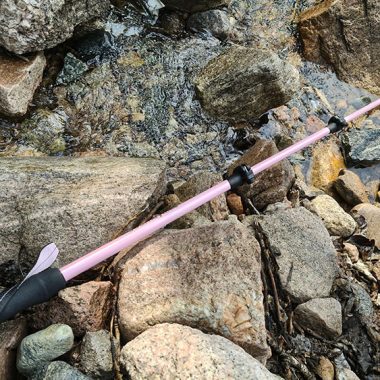
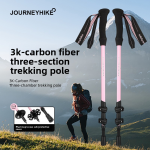
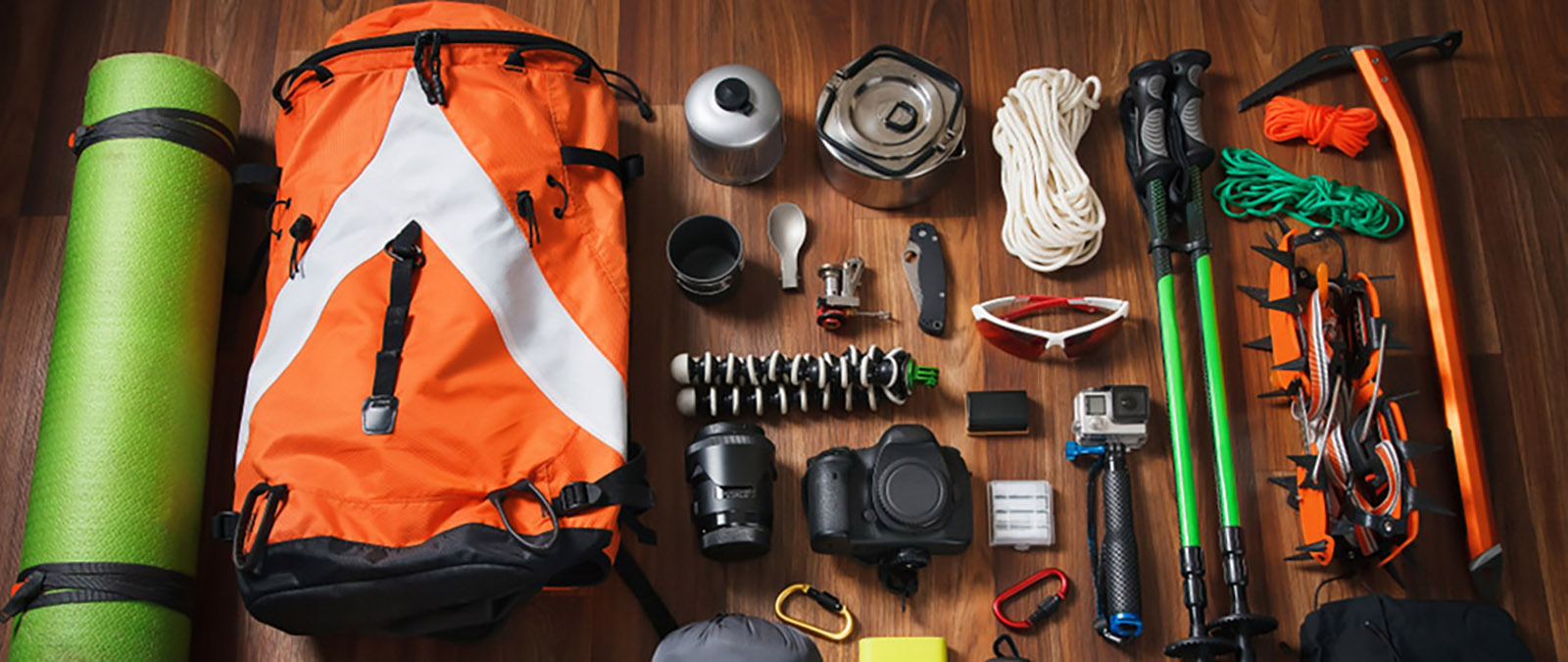
Hiking gear also includes smaller yet vital accessories that boost safety and convenience. These encompass items like trekking poles, navigation tools, first aid kits, emergency blankets, and hydration packs.
In day hikes, compact items such as a map, compass, or GPS, coupled with a basic first aid kit and hydration bottles, are sufficient. When trekking, gear needs to be more comprehensive, including multi-tool knives, portable stoves, and durable navigation devices. These items ensure preparedness for longer durations, remote locations, and unforeseen circumstances.
Practical Tip: Always consider the weather forecast and terrain features when packing these accessories. For instance, in snowy conditions, crampons and thermal blankets become essential, highlighting the importance of tailored gear choices based on adventure scope.
Key Differences in Equipment for Trekking – Preparing for Extended Journeys

Trekking elevates outdoor activity to a different level, demanding robust, versatile, and often heavier gear capable of sustaining multiple days or even weeks in diverse environments. It involves navigating remote areas where resupply options are limited, and environmental challenges are more intense. Therefore, understanding the difference between hiking and trekking in equipment is critical for tailoring your gear to meet these demands.
Next, we explore the crucial equipment variations that set trekking apart from hiking, focusing on multi-day needs, environmental resilience, and logistical support.
Multi-day Gear – Pausing for Long Journeys
Trekking gear incorporates multi-day essentials that allow the trekker to sustain themselves over extended periods without the convenience of resupply. This includes larger, better-organized backpacks capable of carrying substantial gear, food, and water supplies.
For example, a typical trekking backpack often includes compartments for storage, attachment points for additional gear, and reinforced frames for weight distribution. This setup contrasts sharply with the minimal backpacks suitable for day hikes—highlighting the importance of understanding what is the difference between hiking and trekking in equipment.
Planning for multi-day treks involves packing lightweight yet durable food supplies, dehydrated meals, and water purification systems. Trekking gear further emphasizes redundancy—carrying extra clothing, emergency shelter, and medical supplies—recognizing the unpredictable nature of remote expeditions.
Insight: Selecting a backpack is paramount for trekking. Features like adjustable straps, hydration system compatibility, and weight distribution help manage the load, ensuring comfort and safety during long journeys.
Specialized Equipment for Challenging Environments
Longer treks typically traverse diverse environments—mountains, deserts, forests—that demand specialized equipment. For high-altitude trekking, gear includes oxygen tanks, insulated gear, and avalanche safety equipment. For desert trekking, it involves sun protection, high-SPF sunscreen, and sand-resistant clothing.
When contemplating the question “What is the difference between hiking and trekking in equipment?”, the environment’s challenges significantly influence gear choices. Terrain-specific equipment such as crampons for icy paths, trekking poles for stability on uneven ground, or gaiters to prevent debris from entering footwear becomes necessary.
Moreover, environmental resilience is key. For example, waterproofing becomes more than just a convenience—it is a necessity. Every piece of equipment must withstand the elements and rough handling, making quality and durability vital considerations for trekker gear selection.
Example: A trek across the Himalayas requires specialized gear such as insulated boots and layered clothing, while a desert trek necessitates sun protection and hydration solutions, illustrating the importance of terrain-focused equipment planning.
Support and Navigation Systems
Extended treks often mean navigating through unfamiliar terrains where support or resupply is unavailable. Equipment such as GPS devices, altimeters, satellite phones, and detailed maps are crucial.
Unlike day hikers who may rely on trail markers and local maps, trekkers must prepare for spontaneous detours or emergencies. Acquiring reliable navigation tools and learning how to use them effectively enhances safety and efficiency.
Furthermore, psychosocial equipment like communication devices ensures connectivity with emergency services or support teams. Such tools highlight how equipment extends beyond physical gear into technological support systems that safeguard long treks.
Practical Advice: Invest in durable, reliable navigation and communication devices tailored for remote environments. Regular training on their use beforehand increases confidence during challenging treks.
FAQs – Clarifying Common Queries on Hiking and Trekking Equipment
What is the main difference between hiking and trekking equipment?
The main difference lies in the complexity, durability, and capacity of the gear. Hiking equipment is lightweight, minimal, and suitable for day trips, while trekking gear is robust, multi-functional, and designed for extended journeys through diverse terrains.
Can hiking gear be used for trekking?
While some hiking gear might suit short treks, it generally lacks the durability, capacity, and environmental resilience needed for longer, more challenging treks. Using proper trekking equipment ensures safety, comfort, and preparedness over extended periods.
What should I prioritize when choosing trekking equipment?
Focus on durability, environmental resistance, weight distribution, and versatility. Items like a sturdy backpack, layered clothing, water purification tools, and reliable navigation devices are essentials for long-distance trekking.
Is waterproof gear necessary for hiking or trekking?
Yes, waterproof gear protects against unexpected rain and moisture, which can turn a simple hike into a miserable experience. However, for trekking, waterproofing becomes even more critical since you might be exposed to prolonged adverse weather conditions.
How do I start building my gear list for trekking?
Begin with an understanding of your environment and activity duration. Gradually add essential items prioritized by safety and comfort, ensuring your gear is lightweight yet durable. Consulting experienced trekkers and gear experts can also provide valuable insights.
Conclusion
In summary, understanding what is the difference between hiking and trekking in equipment is vital for outdoor enthusiasts aiming to optimize their gear for safety, efficiency, and enjoyment. While hiking gear emphasizes lightweight simplicity for short, well-marked trails, trekking gear caters to the needs of extended, challenging journeys through diverse terrains. Selecting the right equipment involves considering the activity’s duration, environment, and specific challenges, ensuring that you are well-prepared for every step of your adventure. Proper planning and gear choice not only enhance safety but also elevate the overall experience, transforming outdoor escapades into memorable journeys grounded in the right equipment and knowledge.