Embarking on a trekking adventure requires careful planning and the right gear. Many wanderers ask, what to buy for trekking? to ensure safety, comfort, and enjoyment during their journey. Whether you’re a seasoned trekker or a first-timer, selecting the proper equipment can make or break your experience. In this comprehensive guide, we’ll explore everything you need to know about the essential gear, expert tips, and practical advice to prepare effectively for your trek. From clothing to navigation tools, this article covers all crucial aspects to help you be well-equipped for every step of your adventure.
The Foundation of Trekking: Picking the Right Clothing and Footwear
When considering what to buy for trekking?, clothing and footwear are the cornerstones of comfort and safety. Trekking environments vary widely—hot deserts, cold mountains, wet jungles—all requiring specialized gear. The proper clothing not only protects you from the elements but also helps in regulating your body temperature and preventing injuries.
Understanding the importance of layering and selecting adaptable clothing makes a significant difference. Footwear, on the other hand, determines your stability and endurance over rough terrains. Investing in high-quality, appropriate apparel and shoes is crucial for a successful trek, and from experience, it’s better to splurge on these than to compromise on comfort and safety.
The Essential Clothing Layers for Trekking
Trekking clothing should be versatile and adaptable to changing weather conditions. The traditional layering system—base, insulation, and outer shell—offers maximum flexibility and protection.
The base layer primarily manages moisture and keeps sweat away from your skin. Look for moisture-wicking fabrics like merino wool or synthetic blends that dry quickly and reduce chafing risks. The insulation layer retains body heat; synthetic fleece or down jackets serve this purpose effectively, especially in cold climates. Your outer shell must be windproof and waterproof, protecting you against rain, snow, and wind, which are common adversaries during long treks.
Proper clothing also includes accessories such as hats, gloves, and sun protection gear. Lightweight, breathable hats provide shielding against harmful UV rays, while insulated gloves keep your hands warm in colder environments. UV-protective sunglasses are essential for high-altitude treks where the sun’s glare is intense, and a buff or neck gaiter helps prevent sunburn and windburn. Remember that the key is selecting functional, lightweight, and quick-drying apparel tailored to the climate you expect to encounter.
Footwear: Choosing Trekking Boots and Socks for Maximum Comfort
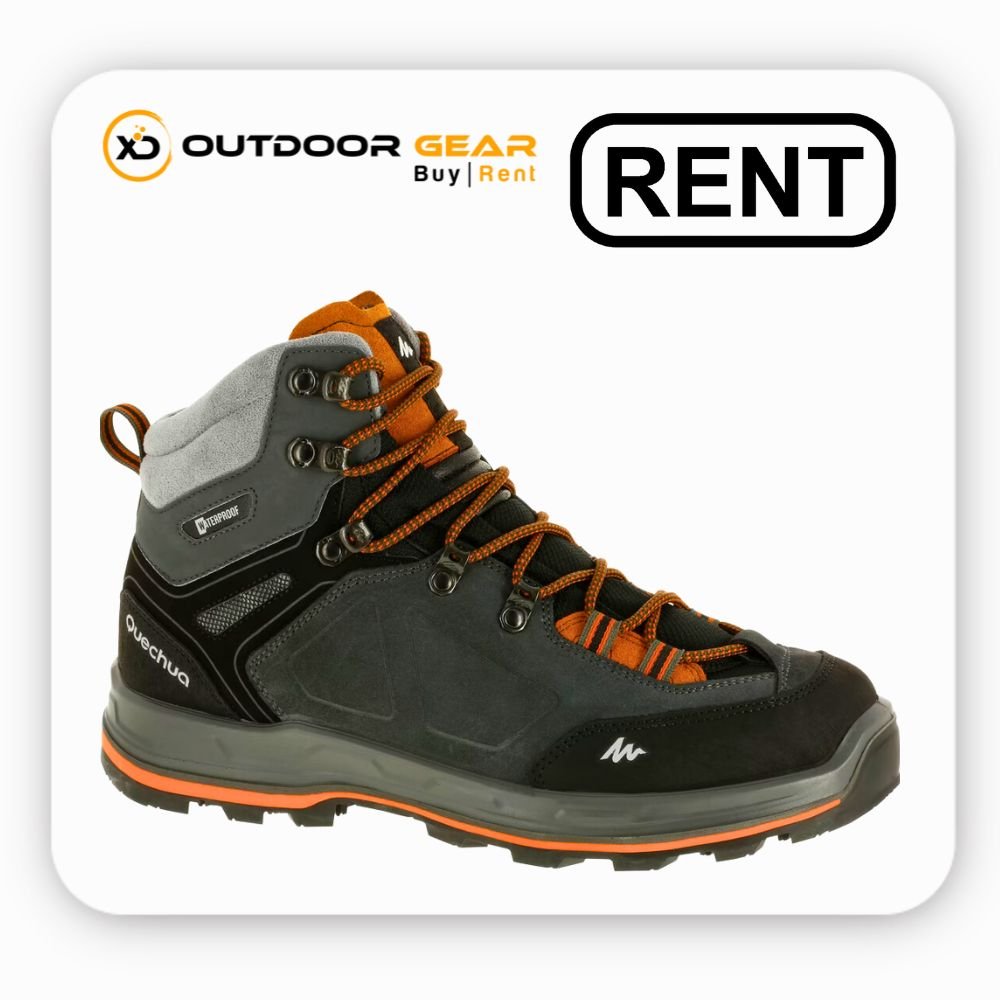
Your shoes are arguably the most significant investment when considering what to buy for trekking?. Proper trekking boots provide support, traction, and protection over uneven and rugged terrains. A good pair should fit well, offer ankle support, and be durable yet breathable.
When choosing trekking footwear, consider the terrain and weather. Backpackers heading into icy mountainous regions may need insulated and waterproof boots, while lighter, breathable shoes may suffice for warmer trails. Always prioritize comfort—ill-fitting shoes can lead to blisters, heel injuries, or long-term joint problems.
Complement your footwear with high-quality, moisture-wicking trekking socks. These socks prevent blisters, provide extra cushioning, and help manage sweat. Wool blends are popular choices thanks to their natural moisture-wicking and temperature-regulating properties. Remember to break in new shoes well before your trek to avoid blisters and sore spots. Proper footwear and clothing combined enhance your trekking experience, reduce discomfort, and ensure you’re ready for whatever terrain awaits.
Navigation and Safety Gear for Trekking Expeditions

Navigating through unfamiliar terrains can be challenging without the right equipment. Understanding what to buy for trekking? in terms of navigation and safety gear is vital for avoiding getting lost, managing emergencies, and making your journey more confident and enjoyable.
Navigational tools such as GPS devices, compasses, and detailed maps are essential. In areas with poor mobile reception, a handheld GPS provides reliable location tracking. A compass coupled with a topographical map allows you to orient yourself accurately and plan your route effectively. Modern GPS devices often come with preloaded digital maps, waypoints, and SOS functionalities which prove invaluable in emergencies.
Safety gear encompasses a broad spectrum extending to first aid supplies, personal protective equipment, and communication devices. A compact first aid kit should include bandages, antiseptics, pain relievers, and blister treatment. Carry a whistle for attracting attention, especially on remote trails, and a multi-tool or Swiss Army knife can serve multiple purposes—from repairing gear to food prep. In snowy or icy environments, crampons or microspikes significantly improve traction and safety.
For communication, consider carrying a satellite phone or a personal locator beacon (PLB). These devices offer peace of mind, ensuring that help can be summoned even in no-service zones. Investing in high-quality safety gear can be lifesaving during critical moments, making your trek safer and more secure.
Essential Technical Equipment – What to Pack for Trekking in Remote Areas
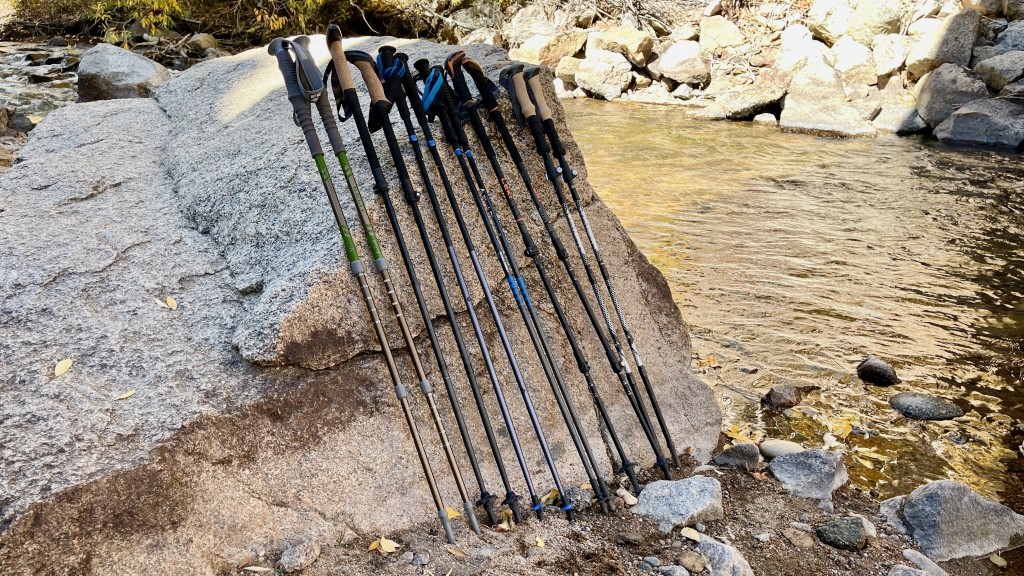
When venturing into remote or high-altitude regions, technical gear becomes especially important. These specialized items provide comfort, ensure safety, and help in managing extreme conditions that are often encountered in less accessible areas.
This section explores the advanced gear that often surprises even seasoned trekkers. The most crucial pieces include lightweight tents, sleeping gear, portable stoves, and energy sources. These items make a massive difference between a comfortable experience and existence on survival mode.
Sleeping Systems and Shelter Choices
Premium sleeping bags designed for the expected temperature range are key to restful sleep. Look for bags with appropriate insulation and water-resistant shells. An inflatable sleeping pad provides cushioning and insulation from the ground, improving sleep quality and overall rest during tough treks.
Shelter options depend on the environment. High-altitude treks often require lightweight tents that are sturdy enough to withstand wind and rain. Prioritize quick-setup and compact models that won’t weigh you down during transit. Consider bivvy sacks for solo trekker excursions or ultralight tents for minimizing pack weight while still providing safety and protection.
Cooking Equipment and Hydration Solutions
Food sustains energy, and proper equipment ensures safe, efficient meal preparation. Portable stoves fuelled by gas or multi-fuel options are lightweight and economical for long treks. Always carry extra fuel canisters suitable for your stove type, considering the length of your journey and the climate conditions.
Hydration is critical—carry durable water bottles, hydration reservoirs, or life straw filters. Filtration systems, UV purifiers, and chemical treatments allow you to access safe drinking water from natural sources. Strategically planning your water supply and filtration can significantly extend your trekking capacity, especially in remote areas where water sources are scarce or contaminated.
FAQs – Your Common Questions Answered About What to Buy for Trekking?
What are the most essential items to pack for a beginner trekker?
For beginners, core essentials include comfortable footwear, moisture-wicking clothing, a hydration system, navigation tools, and a basic first aid kit. Investing in quality basics ensures safety and comfort, making the trek enjoyable and manageable.
How should I choose the right trekking footwear?
Select footwear based on terrain, weather, and duration. Fit matters more than style; ensure shoes provide support, are well-ventilated or insulated according to climate, and are broken in before your trek. Try on multiple options and walk around in them to test comfort.
What safety gear do I need for high-altitude trekking?
Carry a reliable GPS or compass, personal locator beacon, first aid kit, and weather-appropriate clothing. Supplement with sun protection, high-altitude medications if needed, and a lightweight shelter or bivvy if you plan on camping in extreme conditions.
Can I use regular outdoor gear for trekking, or do I need specialized equipment?
While some outdoor gear is versatile, trekking often requires specialized equipment optimized for weight, durability, and weather resistance. Investing in trekking-specific gear enhances performance, safety, and comfort on rugged trails.
What should I consider when packing food and water for remote treks?
Choose lightweight, high-calorie foods that are easy to prepare. Prioritize dehydrated meals, energy bars, and nuts. For water, carry portable filtration devices and know your water sources in advance. Proper planning ensures ongoing hydration and nutrition.
Conclusion
Embarking on a trek involves meticulous preparation and understanding of what to buy for trekking? in terms of clothing, safety, technical gear, and essentials. Every piece of equipment plays a vital role in ensuring your journey is safe, comfortable, and memorable. The key is selecting durable, lightweight, and climate-appropriate gear tailored to your destination. investments in quality gear—be it hiking shoes, weather-resistant clothing, navigation tools, or shelter—are investments in your safety and enjoyment. Ultimately, thorough planning and the right equipment elevate your trekking experience, turning an adventurous outing into a lifelong memory filled with confidence and achievement.