When exploring the great outdoors, whether on rugged mountain trails or scenic forest paths, the question often arises: Is there a difference between hiking and trekking poles? Understanding this distinction is crucial for selecting the appropriate gear that enhances your comfort, stability, and safety during your excursions. Both types of poles serve to support, stabilize, and alleviate pressure on your joints, but they are designed with different activities, terrains, and user needs in mind.
This detailed guide dives deep into the nuances of hiking and trekking poles, clarifying their differences, uses, and benefits. Through expert insights, practical advice, and comprehensive comparisons, you’ll learn how to choose the right poles for your next adventure, maximizing their benefits and minimizing potential drawbacks.
The Core Difference Between Hiking and Trekking Poles – Clarifying the Purpose and Function
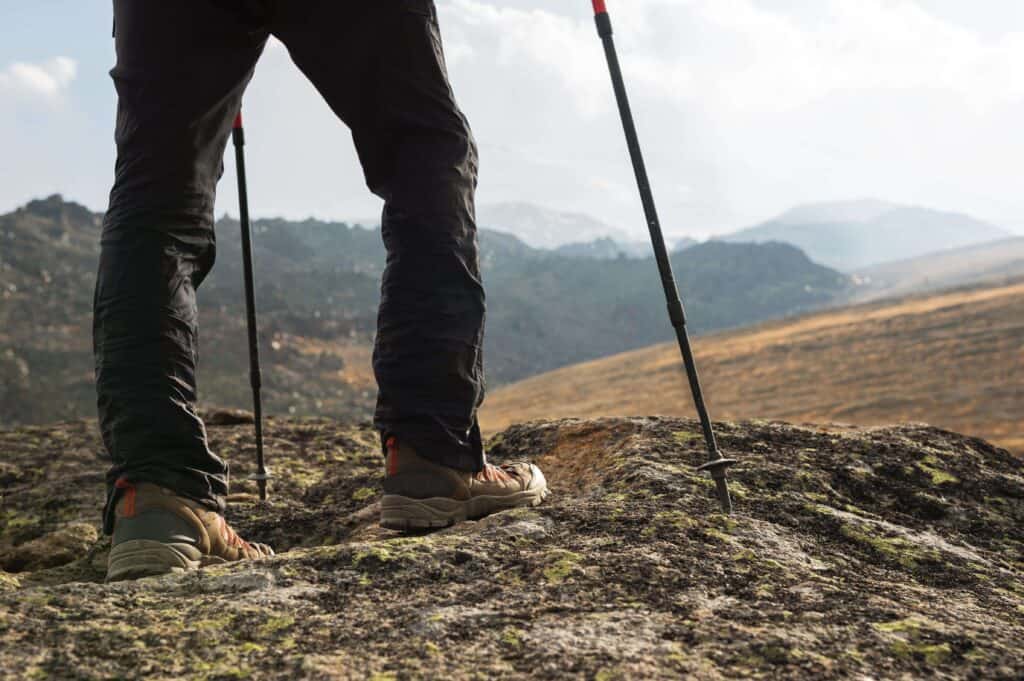
Understanding is there a difference between hiking and trekking poles requires examining their fundamental purpose and the environments they are designed to serve. While both are walking aids with similar mechanical principles, subtle differences influence their construction, features, and optimal usage scenarios.
Hiking poles are primarily designed for day hikes on well-maintained trails, offering stability and reducing joint strain over moderate terrain. In contrast, trekking poles are built for extended journeys across diverse and often challenging environments, including mountain passes, rugged terrains, and multi-day expeditions.
The essence of this difference lies in the design focus: hiking poles emphasize lightweight portability and ease of use for shorter distances, whereas trekking poles prioritize durability, versatility, and support for strenuous activities. Recognizing these distinctions clarifies which type of pole aligns with your outdoor pursuits, whether a leisurely day hike or a demanding trek through remote wilderness.
Before delving into specific features and use cases, it’s essential to appreciate that the choice of poles must match the activity intensity, terrain complexity, and personal comfort preferences. Therefore, knowing is there a difference between hiking and trekking poles helps you optimize your gear and enhance your overall outdoor experience.
Design and Material Differences – How Construction Influences Performance and Durability
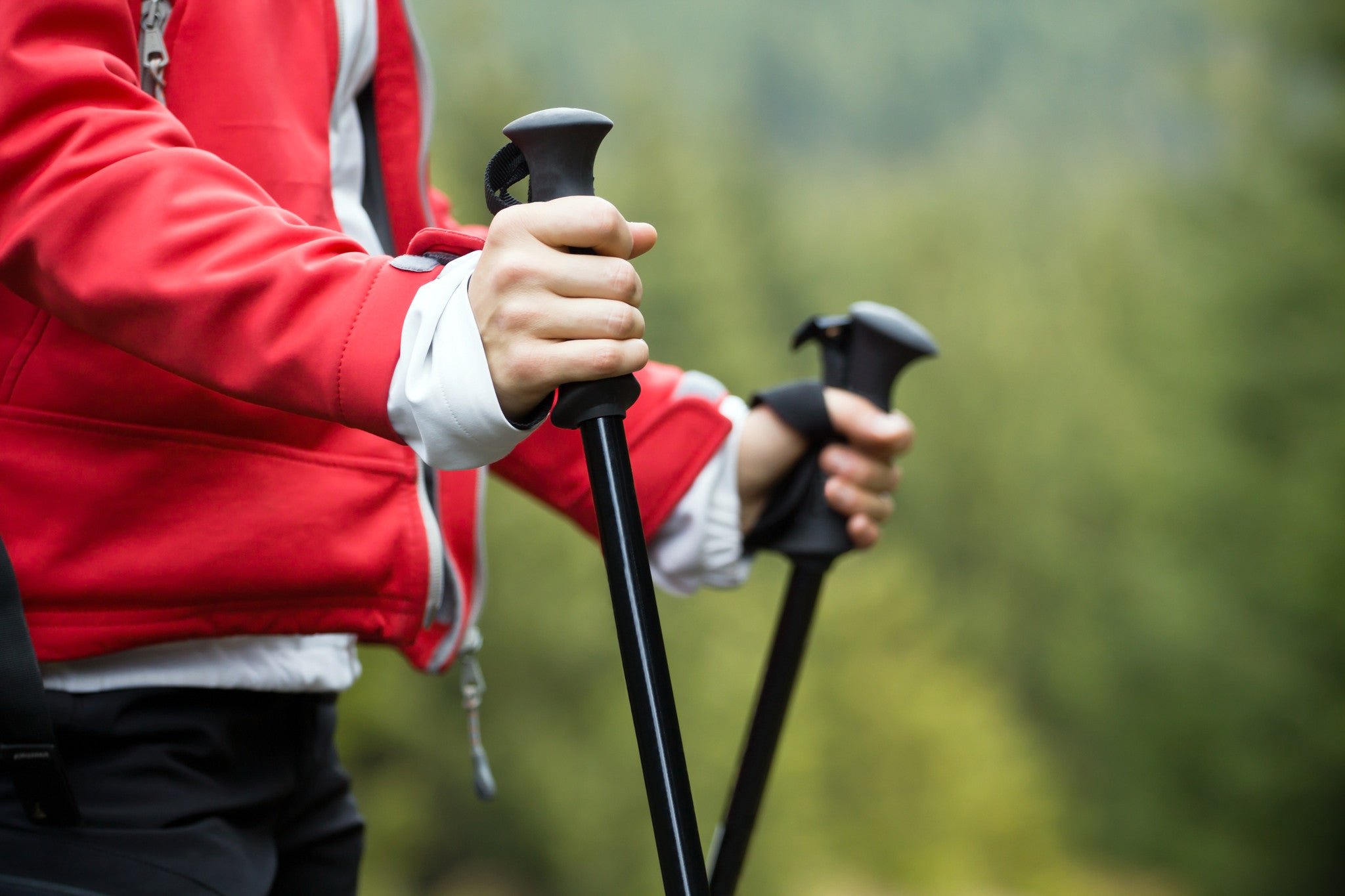
The physical construction and materials used in hiking and trekking poles significantly impact their performance, longevity, weight, and user comfort. These factors are key when considering is there a difference between hiking and trekking poles because they directly affect how well the poles perform under varying conditions.
Hiking poles are typically engineered with lightweight materials such as aluminum alloys or carbon fiber composites. Their design focuses on minimal weight without sacrificing strength, making them easier to carry during long walks. These poles feature adjustable lengths, comfortable grips—often made from foam or rubber—and simple locking mechanisms like push-button or twist-lock systems for quick adjustments.
Trekking poles, on the other hand, are often built for rigorous use in challenging environments. They tend to use more robust and durable materials such as high-grade aluminum or even titanium in premium models. These poles usually have reinforced sections, wider grips for better handling, and advanced locking mechanisms like external clamps that offer extra security during steep ascents or descents. Additionally, trekking poles frequently include specialized features such as shock absorption systems, adjustable length in multiple segments, and interchangeable tips for different terrains.
From the perspective of is there a difference between hiking and trekking poles, it’s evident that the variations in materials and design reflect their intended use. While hiking poles favor lightweight, ease of transport, and quick adjustments, trekking poles prioritize durability, stability, and adaptability to harsh environments. Both types serve important roles, but selecting the right construction based on your activity ensures maximum efficiency and comfort.
How to Use Hiking and Trekking Poles Effectively – Techniques and Best Practices
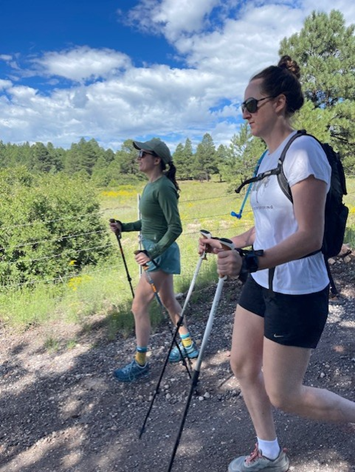
Using your hiking or trekking poles correctly can dramatically improve your comfort and safety while outdoors. Proper technique ensures you get the maximum benefits, such as reduced joint strain, increased balance, and energy conservation. Understanding how to use these poles properly, along with their nuances, helps you become a more confident and efficient hiker or trekker.
For hiking poles, focus on adjusting the length to roughly elbow height when standing upright, allowing your arms to bend at about a 90-degree angle. Use firm but comfortable grips, plant the poles strategically in sync with your stride, and avoid leaning excessively on them. Swinging the poles naturally with your gait helps maintain rhythm and momentum, especially on flat terrain. Remember that lighter poles are easier to maneuver; look for models with ergonomic grips for better control.
Trekking poles often require more precise adjustments, especially when tackling steep or uneven terrain. Longer lengths are typically used on ascents, providing extra leverage, while shorter settings aid stability downhill. Incorporate proper techniques such as planting the poles ahead before stepping forward, using them to test the stability of the ground, and employing shock-absorbing features on particularly rugged paths. Interchanging tips for snow, mud, or rocky terrain enhances performance and prevents accidents.
Advises for optimal use include practicing with your poles beforehand, learning how to lock and unlock them swiftly, and maintaining good posture during hikes or treks. Also, adjust your technique according to terrain conditions and your physical capacity, ensuring you avoid over-reliance that can lead to fatigue. The right technique combined with well-chosen poles can significantly elevate your outdoor experience, enabling safer, more comfortable adventures even in demanding environments.
FAQs About Hiking and Trekking Poles – Clarifying Common Queries
What are the main differences between hiking and trekking poles?
The primary difference lies in design intent: hiking poles are lightweight, designed for day hikes on moderate terrain, whereas trekking poles are more durable and versatile, suited for extended or challenging journeys across diverse environments. They differ in construction, features, and sometimes in weight and adjustment mechanisms.
Can I use hiking poles for trekking, or vice versa?
Yes, you can use either type for both activities, but the experience might differ. Hiking poles work well for moderate terrain and shorter hikes. For rugged, multi-day treks, trekking poles provide better support and durability. If your activity involves challenging terrain, investing in trekking poles tailored for such use is advisable.
Are shock-absorbing trekking poles worth the investment?
Shock-absorbing features can be beneficial, especially on rough terrain, as they reduce strain on your wrists, elbows, and shoulders. They are particularly valuable during long-distance trekking or steep descents. However, they tend to be more expensive and slightly heavier, so weigh their benefits against your specific needs.
How long should my hiking or trekking poles be?
Adjust the poles so that, when standing upright with your arms relaxed, your elbows are bent at around 90 degrees. Most poles are adjustable, allowing customization depending on terrain. Proper length ensures optimal leverage and reduces fatigue, regardless of whether you’re hiking or trekking.
Is there a preferred material for poles—aluminum or carbon fiber?
Aluminum is durable, moderately lightweight, and more affordable, making it a popular choice for most users. Carbon fiber is lighter and absorbs shocks better but tends to be more expensive and prone to damage if dropped. Your choice depends on your budget, activity level, and sensitivity to weight and durability.
Conclusion
In summary, the question is there a difference between hiking and trekking poles involves understanding their design, material, and application focus. Hiking poles are optimized for lighter, moderate use, offering convenience and portability for day hikes, while trekking poles are built to withstand tougher conditions, providing enhanced support during extended, multi-day treks across challenging terrain. Knowing how to select, adjust, and use each type effectively ensures you maximize their benefits, boost your confidence, and enjoy your adventures safely and comfortably. Whether you’re a casual hiker or a seasoned trekker, choosing the right poles aligned with your activity’s demands can make all the difference in transforming your outdoor experience from good to extraordinary.