Embarking on outdoor adventures requires the right gear, especially footwear that can handle diverse terrains and conditions. Quite often, hikers and trekkers face a common question: Are hiking and trekking shoes the same? While these terms are sometimes used interchangeably, understanding their nuances can dramatically enhance your outdoor experience. Whether you’re planning a weekend trail hike or a multi-day trek through rugged mountains, knowing the distinctions in footwear can prevent discomfort and injuries.
In this comprehensive guide, we’ll explore the key differences and similarities between hiking and trekking shoes, when to use each, and how to choose the best pair for your adventures. By the end, you’ll be well-equipped with expert insights that translate into safer, more comfortable expeditions. So, let’s dive into the world of outdoor footwear to uncover whether these shoes are indeed the same or different.
Understanding Hiking Shoes and Trekking Shoes: An Overview of Their Origins and Definitions
Before dissecting whether Are hiking and trekking shoes the same?, it’s essential to grasp what each term signifies and their historical context. Both types of footwear are designed to support outdoor activities on uneven terrains, but subtle design choices and intended uses set them apart.
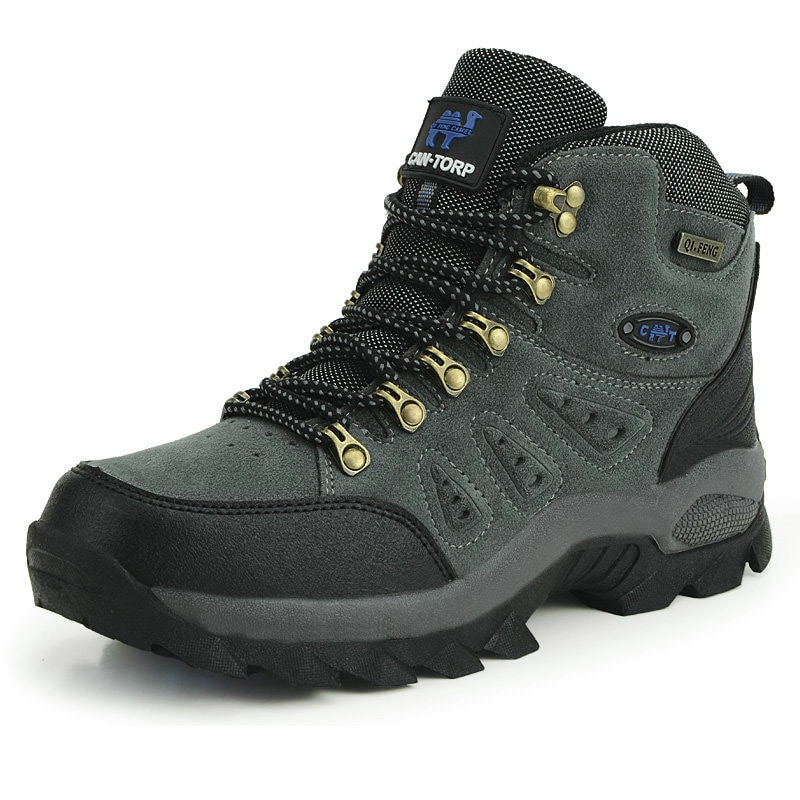
Hiking shoes are traditionally designed for day hikes and relatively moderate terrain. Their roots trace to simple, comfortable shoes meant for walking long distances on well-maintained trails. Trekking shoes, on the other hand, evolved with the purpose of supporting multi-day journeys through varied, often rugged terrains where durability, support, and protection are paramount.
Understanding these foundational differences helps clarify if these shoes are interchangeable or require specific features based on the activity’s nature. Outdoor footwear has become highly specialized over the years, with innovations tailored to different terrains, climates, and durations.
The Evolution of Hiking and Trekking Footwear
Historically, hiking shoes originated from basic leather boots that prioritized comfort for short to medium-length walks. As outdoor recreation gained popularity, advancements introduced lighter materials and better traction, ideal for day hikes.
Trekking shoes, by contrast, evolved with multi-day trips in mind, necessitating features like enhanced ankle support and rugged soles for unpredictable terrain. This evolutionary divergence has created the nuanced distinctions we analyze today.
Why Definitions Matter for Appropriate Footwear Choices
Misunderstanding the differences between these shoes can lead to choosing equipment that inadequately supports your activity. For instance, using light hiking shoes on a demanding trek can result in discomfort or injury, just as heavy-duty trekking boots might feel cumbersome on a casual walk. Proper understanding ensures safety, comfort, and optimal performance on outdoor excursions.
Summarizing the Terminology: Are hiking and trekking shoes the same?
To answer this, we must examine the specific design features and intended use contexts, which will help determine whether these categories are truly interchangeable or distinctly separate. The nuances in materials, support structures, and durability are all critical factors influencing this decision.
Key Design Features and Performance Capabilities of Hiking vs. Trekking Shoes
When considering whether Are hiking and trekking shoes the same?, the core lies in their design elements. Both aim to secure the feet and improve traction, but the differences often stem from their construction tailored to activity demands.
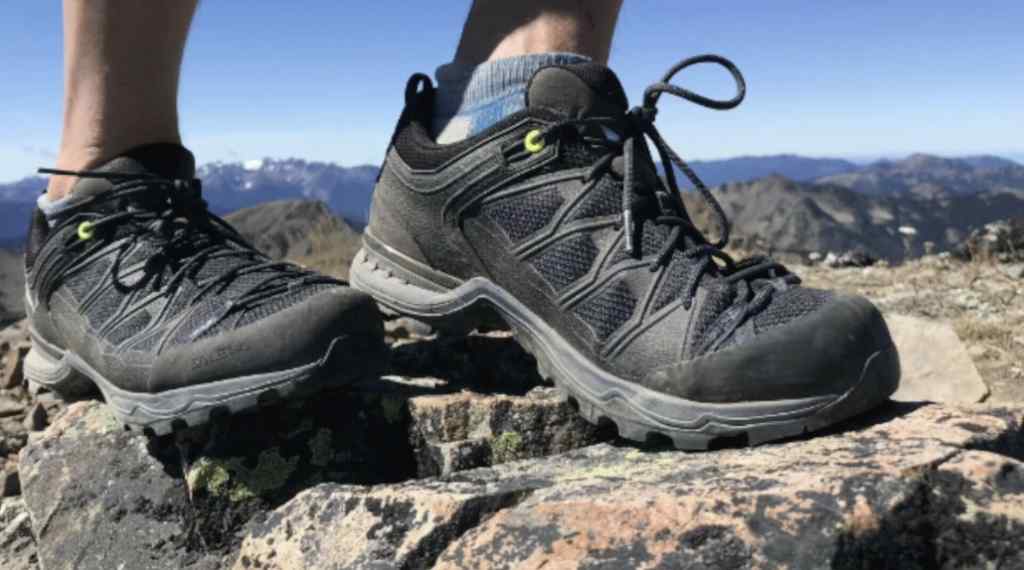
Hiking shoes typically have a lighter build, prioritizing comfort and flexibility. They are often made with breathable materials that allow for ventilation during warm weather. Trekking shoes are built for endurance, featuring sturdy soles, reinforced protection zones, and increased support.
Material Selection and Breathability
Durability and moisture management are decisive factors in the design of hiking and trekking shoes. Hiking shoes might utilize lighter leather or synthetic fabrics with mesh panels for improved airflow.
Trekking shoes, particularly for extended trails, often incorporate water-resistant or waterproof membranes like Gore-Tex to shield against wet conditions. The materials are chosen to withstand rough terrains and adverse weather, balancing weight with resilience.
Outsole Patterns and Tread Design for Traction
Traction is essential in outdoor footwear. Hiking shoes usually feature pattern designs optimized for predictable trail surfaces—such as packed dirt or gravel—offering sufficient grip without excessive weight.
Trekking shoes possess more aggressive tread patterns with deeper lugs to grip loose, muddy, or rocky terrains. The outsole rubber compounds are also selected for durability in strenuous conditions, reducing slippage and enhancing stability.
Support Structures and Ankle Stabilization
While some hiking shoes are low-cut, many offer enough ankle support for moderate trails. Trekking shoes often come with high-top designs or reinforced ankle collars to prevent sprains during uneven or downhill sections. The stiffness in the midsole is usually greater, providing torsion stability necessary for multi-day treks.
Weight Considerations and Comfort
An essential parameter in differentiating these shoes is weight. Hiking shoes are typically lighter, facilitating quick movements and less fatigue during day hikes.
Trekking shoes are marginally heavier due to reinforced features, but this added weight supports long-duration wear and rough terrains, providing safety and longevity over the course of multi-day adventures.
How To Decide Which to Use?
Understanding these design nuances helps you choose the appropriate footwear based on your activity’s specifics, terrain, climatic conditions, and personal comfort preferences. Both types of shoes are crafted to improve the outdoor experience but serve different operational roles within hiking and trekking contexts.
When and How to Use Hiking Shoes Versus Trekking Shoes: Practical Guidelines and Recommendations

Deciding whether Are hiking and trekking shoes the same? is less about a yes or no answer and more about understanding when and where to use each type effectively. Misapplication can lead to discomfort, injury, or gear failure, diminishing the joy of outdoor exploration.
Based on terrain difficulty, duration, weather conditions, and activity intensity, selecting the right footwear becomes an essential part of planning your adventure.
Typical Use Cases for Hiking Shoes
Hiking shoes are most suitable for day trips on well-maintained trails. They excel in environments where the terrain is predictable, and the distance is manageable within a few hours.
When embarking on a nature walk through forested parks, foothill trails, or moderately rough paths, hiking shoes offer sufficient support, traction, and comfort. They are easier to break in and lighter to wear, making them ideal for casual outdoor lovers or those with joint concerns who prioritize comfort.
When Trekking Shoes Are the Better Choice
Trekking shoes are designed for more demanding environments, such as multi-day mountain excursions, backpacking trips, or navigating highly rugged terrains. Their rugged construction provides added protection against thorns, rocks, and wet conditions while offering greater ankle stability.
Use trekking shoes when traversing loose gravel slopes, crossing streams, or engaging in activities that involve steep ascents and descents. The enhanced support minimizes the risk of sprains and fatigue over extended periods.
Adapting Footwear to Climate and Weather Conditions
Weather dramatically influences footwear choice. For wet or snowy conditions, waterproof trekking shoes or even hiking boots become necessary to keep feet dry and prevent blisters.
In contrast, hot climates and summer conditions favor lightweight hiking shoes with breathability, reducing sweating and discomfort. Proper gear selection tailored to climate ensures the health of your feet and overall adventure success.
Personal Comfort and Fit Considerations
Regardless of activity, comfort should always be the guiding principle. Proper fit prevents blisters, hotspots, and fatigue. Trying on different sizes and styles, and testing them on similar terrains before your trip, will help you make informed decisions.
In the end, Are hiking and trekking shoes the same? when used appropriately, these shoes can significantly influence the safety and enjoyment of your outdoor pursuits.
FAQs: Common Questions About Hiking and Trekking Shoes
What is the main difference between hiking shoes and trekking shoes?
The primary difference lies in their design purpose. Hiking shoes are generally lighter, versatile for day hikes, and suited for moderate terrains. Trekking shoes are more robust with enhanced support and durability, suited for multi-day trekking in rugged conditions.
Can I use hiking shoes for trekking or vice versa?
In some cases, yes, especially for light trekking or short hikes. However, using trekking shoes for extended wilderness trekking is advisable for safety, and vice versa, using hiking shoes on demanding terrains might lead to discomfort or injury.
Are trekking shoes more waterproof than hiking shoes?
Typically, trekking shoes are equipped with advanced waterproof membranes to handle prolonged exposure to wet conditions. Hiking shoes may have water-resistant features but are often more breathable, sacrificing some waterproofing for ventilation.
How should I care for hiking and trekking shoes?
Regular cleaning, proper storage, and applying waterproofing treatments can prolong their lifespan. Ensuring they are dry before storing prevents mold and deterioration. Replacing worn-out soles and insoles maintains optimal performance.
What should I consider when choosing between hiking and trekking shoes?
Assess your typical activity, terrain difficulty, weather conditions, weight preferences, and foot support needs. Comfort and fit are paramount. Consulting with outdoor gear experts can also help guide your decision.
Conclusion
In essence, while hiking and trekking shoes share similarities in concept—feet protection, traction, and support—they are not exactly the same. Hiking shoes are designed for day-trippers on well-maintained trails, emphasizing lightweight comfort and ventilation. Trekking shoes cater to serious adventurers tackling challenging terrains over multiple days, focusing on durability, ankle support, and weather resistance. Recognizing Are hiking and trekking shoes the same? involves appreciating these distinctions, ensuring you select gear aligned with your outdoor plans. Choosing the right footwear enhances safety, comfort, and enjoyment, transforming ordinary hikes into memorable adventures. Proper gear, understanding terrain challenges, and personal comfort preferences should always guide your footwear choices for outdoor exploration.