Trekking, a popular outdoor activity embraced by adventurers and nature lovers worldwide, offers an exhilarating way to explore the wild and challenge oneself physically and mentally. Yet, amidst the thrill and scenic vistas, a question often arises—is trekking good or bad for you? This article delves into the multifaceted aspects of trekking, examining its health benefits, potential risks, and the critical factors to consider before embarking on this journey. Through detailed insights, personal strategies, and expert advice, discover whether stepping into the wilderness is a wise choice for your well-being.
The Physical Benefits of Trekking and Its Impact on Your Body
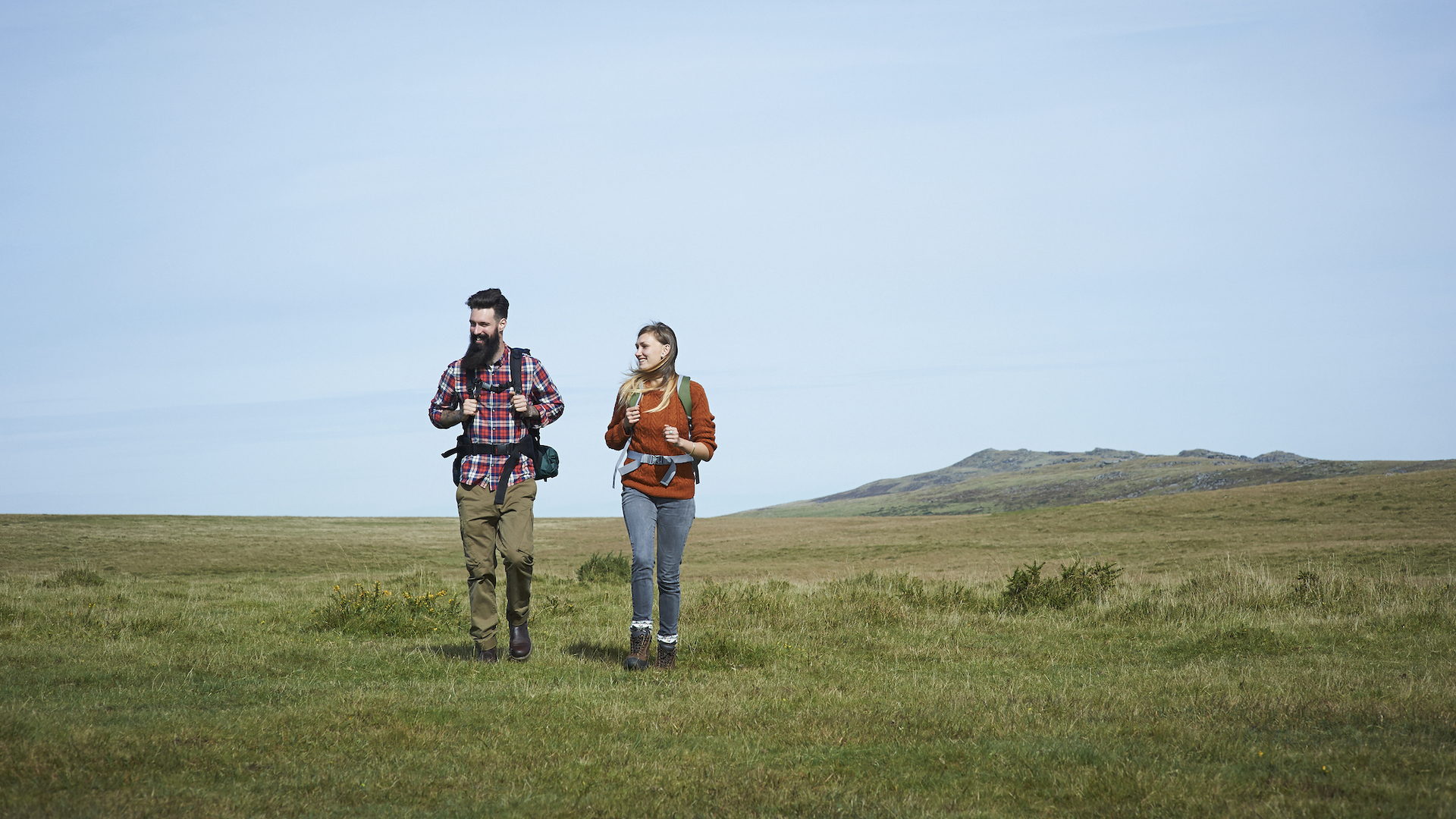
Trekking is celebrated for its remarkable contribution to physical health, providing a comprehensive workout that enhances various bodily systems. Engaging in this outdoor activity regularly can significantly improve cardiovascular health, strengthen muscles, boost endurance, and promote weight management. However, understanding the nuances of these benefits and potential challenges is essential to determine if is trekking good or bad for you.
Before choosing trekking as a regular exercise, one must assess personal fitness levels, terrain difficulty, and duration. While the physical gains are notable, improper preparation or overexertion can lead to adverse effects, making it vital to approach trekking with mindfulness and proper planning.
How Trekking Enhances Cardiovascular Health
Trekking involves sustained physical activity that elevates heart rate, strengthening the cardiovascular system. Engaging in regular trekking sessions can lower blood pressure, improve circulation, and reduce the risk of heart-related illnesses. The continuous movement over varied terrains, especially inclines and rocky paths, demands increased blood flow, which over time fortifies the heart muscle.
Furthermore, trekking outdoors often involves exposure to fresh air and sunlight, which contribute to better oxygen intake and vitamin D synthesis—both supporting heart health. Scientific studies reveal that outdoor cardio activities like trekking can sometimes outperform indoor workouts by providing mental refreshment alongside physical benefits.
An important aspect is progression. Beginners should start slow, opting for flatter, shorter trails before advancing to more challenging routes. This helps prevent overstraining, especially for those with pre-existing health conditions. Adapting to physical demands gradually ensures that the activity remains beneficial rather than harmful.
Muscular Strength and Endurance Development
One of the key reasons people undertake trekking is its ability to foster muscular strength, especially in legs, core, and even upper body in certain situations, such as carrying weights or navigating uneven paths. As you traverse rocky terrains, steep inclines, and descents, your muscles work harder to stabilize and propel your body forward.
A consistent trekking routine can lead to increased muscle tone, improved joint stability, and enhanced stamina. This is particularly advantageous for individuals seeking low-impact but high-efficiency exercise options. Trekking often involves hiking in natural environments, which engages different muscle groups compared to indoor gym workouts, providing a holistic muscular workout.
However, it’s important to incorporate strength training and stretching into your routine to prevent injuries like muscle strains or ligament sprains. Proper footwear, adequate hydration, and pacing are crucial components to optimize muscular benefits while minimizing risks.
The Role of Trekking in Weight Loss and Metabolic Health
Trekking’s calorie-burning potential makes it an excellent activity for weight management. Depending on intensity, terrain, and body weight, trekking can burn significant calories, aiding in fat reduction. Its sustained nature boosts metabolism, helping your body burn calories more efficiently even after the activity concludes.
Moreover, trekking induces positive hormonal responses, such as increased endorphins and reduced cortisol levels, which can contribute to a healthier mind and body. Regular outdoor walking also reduces visceral fat, a key factor in preventing metabolic syndromes like diabetes and hypertension.
Yet, for optimal weight management results, diet plays a significant role. Combining trekking with a balanced diet ensures sustainable progress. Overexerting or neglecting nutrition can lead to fatigue and nutritional deficiencies, emphasizing the importance of moderation and informed activity planning.
Risks and Challenges of Trekking: When Does It Become Harmful?
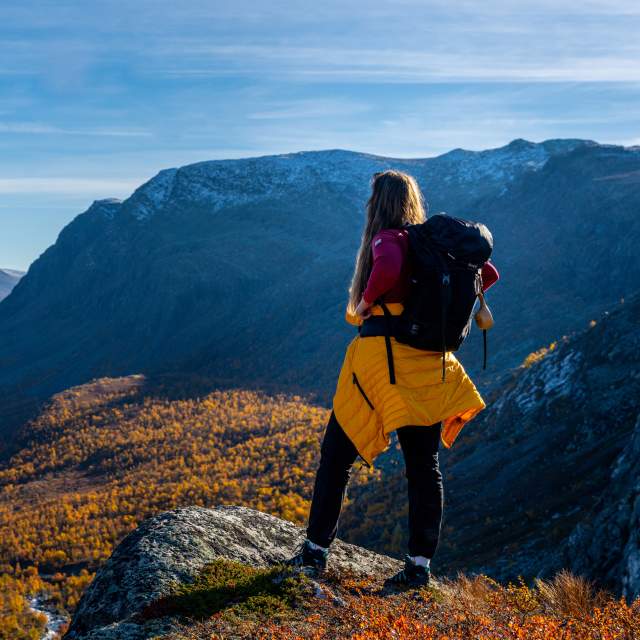
While trekking offers many health benefits, it is not without potential risks. These dangers become more pronounced when proper precautions are ignored or when individuals undertake activity levels beyond their physical capacities. Understanding these challenges helps in identifying whether is trekking good or bad for you, given specific circumstances or health conditions.
Terrains can be unpredictable, weather conditions change rapidly, and unforeseen obstacles pose safety concerns. These factors can turn a usually beneficial activity into a hazardous pursuit if not managed well. Therefore, being aware of the risks and knowing how to mitigate them is crucial for sustainable enjoyment.
Common Physical Injuries Related to Trekking and Their Prevention
Injuries such as sprains, strains, blisters, and fractures are common among trekkers, especially those unprepared for the physical demands or unfamiliar terrains. Overuse injuries, including tendonitis and stress fractures, can occur from repetitive strain or carrying excessive loads.
Prevention strategies include proper footwear with ankle support, warming up before hikes, maintaining hydration, and pacing oneself. Using trekking poles can reduce joint stress, especially during descents, while protective gear safeguards against cuts and bruises. Listening to your body and resting when needed are vital steps to avoid injury escalation.
Additionally, beginners should start with shorter, less challenging trails and gradually increase difficulty to build strength and endurance safely. Consulting with healthcare professionals before undertaking strenuous treks is also advisable for individuals with existing health issues.
Environmental Hazards and Safety Concerns
Natural environments pose risks such as unpredictable weather, altitude sickness, wildlife encounters, and navigation errors. Acute mountain sickness can affect trekkers at high elevations, impairing judgment and physical performance. The risk of dehydration and sunstroke increases in hot climates, while cold weather can lead to hypothermia.
Appropriate gear, such as layered clothing, hydration packs, and sun protection, are essential. Proper maps, GPS tools, and navigation skills help prevent getting lost, especially in remote or poorly marked trails. Trekking with experienced guides enhances safety and enriches the experience by providing valuable local knowledge.
Environmental conservation also plays a role. Responsible trekking involves respecting nature, avoiding littering, and minimizing ecological impact. This ensures the activity remains sustainable and safe for future adventurers and the ecosystems they explore.
Physical and Mental Exhaustion: When Trekking Becomes Overwhelming
While physical exertion is beneficial, excessive trekking without adequate rest can lead to physical exhaustion and mental fatigue. Overtraining often results in decreased performance, increased susceptibility to injuries, and burnout.
Managing trekking’s intensity and duration based on personal limits is necessary. Incorporate regular breaks, adequate sleep, and nutritional support to sustain energy levels. Mental resilience is equally important; maintaining motivation and positive mindset can help push through challenging terrains without risking psychological stress.
Listening to one’s body is key. If fatigue sets in, it’s wise to pause or turn back. Developing a realistic training plan and gradually increasing activity levels builds endurance and mental toughness, ensuring trekking remains a rewarding experience rather than a harmful ordeal.
FAQs: Addressing Common Concerns about Trekking and Health
Is trekking suitable for all age groups?
Trekking can be adapted for all ages. Children and the elderly should choose age-appropriate trails and pace themselves. Consulting healthcare providers before engaging in strenuous activities is recommended for older adults or those with health conditions.
Can trekking cause long-term injuries?
Yes, improper technique, overexertion, or lack of preparation can lead to chronic issues like joint pain and tendonitis. Proper training, equipment, and rest are essential to minimize long-term risks.
What precautions should I take before embarking on a trek?
Preparation involves physical conditioning, packing appropriate gear, researching the trail, informing someone of your plans, and carrying necessary supplies, including first aid. Always assess your fitness level before setting out.
Does trekking have mental health benefits?
Absolutely. Trekking offers stress relief, mental clarity, and an opportunity to connect with nature, which can reduce anxiety and improve overall mental well-being.
Is trekking better than indoor workouts for health?
Both have benefits; trekking offers outdoor exposure and varied terrains, enhancing physical and mental health naturally. Indoor workouts can be controlled and suited for specific goals. Combining both provides a balanced approach.
Conclusion
In exploring the question, is trekking good or bad for you, it’s clear that trekking offers significant physical, mental, and emotional benefits when approached with proper preparation, awareness, and moderation. While inherent risks such as injuries and environmental hazards exist, these can often be mitigated through responsible practices, expert guidance, and respecting personal limits. Ultimately, trekking can be a highly rewarding activity that promotes health and happiness, provided you listen to your body, equip yourself adequately, and choose suitable trail conditions. With the right mindset and precautions, trekking can indeed be a fantastic, health-enhancing adventure.