When planning a hiking expedition, it’s crucial to meticulously consider what supplies are necessary and, just as importantly, what items should be left behind. The question arises: What should you not bring on a hike? As the wrong choices can weigh you down, it’s vital to streamline your gear and focus only on essentials. This article will guide you through the items to avoid, enhancing both your enthusiasm for the trail and your overall safety.
Understanding Hiking Essentials
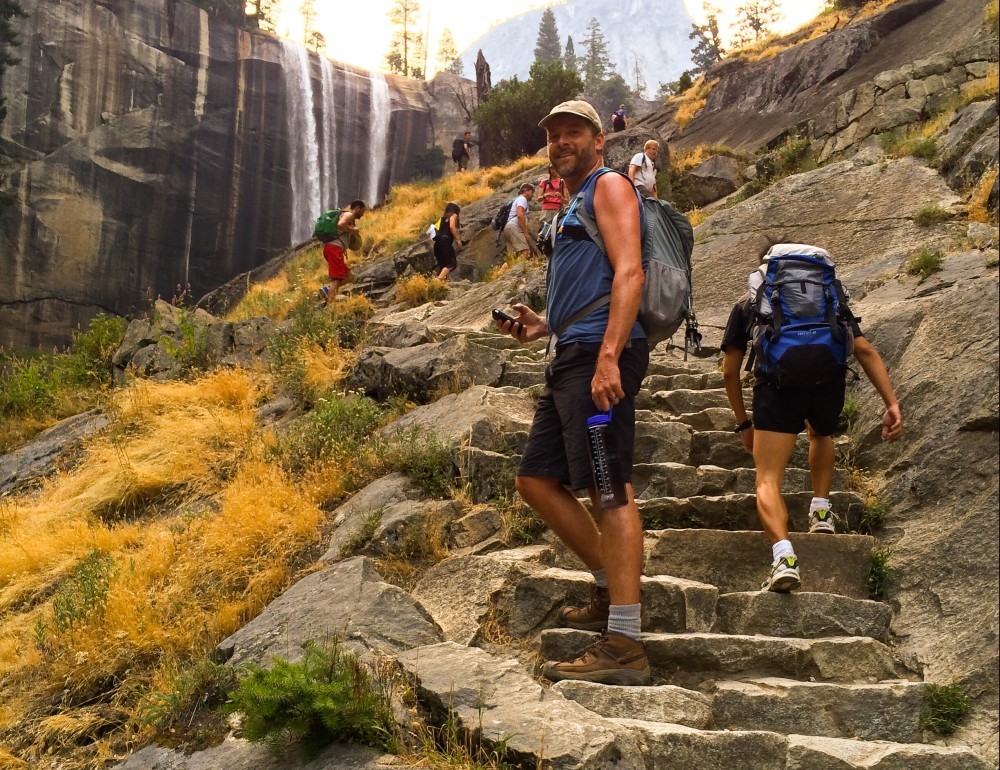
To start, comprehending the essentials of hiking is important, as it helps clarify the items you might mistakenly think are necessary. Lightweight gear and clothing, adequate food and water, and navigational tools are paramount. But this understanding also unveils a critical perspective: some gear could also hinder your experience.
Gear That Weighs You Down
Many hikers are often tempted to bring a slew of items under the guise of preparedness. However, carry too much and you may find the beauty of the trail overshadowed by the burden on your back.
Heavy Clothing
Overpacking clothing can mitigate comfort during a hike. While layering is key in unpredictable weather, avoid bulky items that don’t serve multiple functions. Choose breathable, lightweight alternatives that can be easily stacked.
Excessive Food
Having snacks is crucial for energy, but carrying heavy, unneeded food items can weigh you down significantly. Opt for lightweight, calorie-dense options like trail mix, rather than heavy granola bars or canned goods.
Extra Shoes
Bringing unnecessary footwear can easily take up space and add excess weight to your pack. If you’re on a multi-day hike, it’s wise to bring a pair of sandals or camps shoes for breaks but avoid extras that may have limited use.
Equipment That’s Not Worth It
While modern technology can be beneficial, sometimes these gadgets can prove to be more of a hindrance.
Non-Durable Electronics
Consider not hiking with items like laptops or tablets. Such devices not only add excess weight but are at risk of damage in the great outdoors. Instead, consider a smartphone with offline navigation applications as a lighter alternative.
Mismatched Gear
If your gear isn’t suited for your hike, it may become a liability. For instance, hiking boots should be durable yet comfortable. Brining wear that doesn’t fit correctly can lead to blisters or discomfort, thus ruining your hike.
The Emotional Cost of Excess
Beyond physical weight, the psychological burden of carrying the wrong gear can severely affect your hiking experience. When you lug around unnecessary items, you may become fatigued, frustrated, or even susceptible to injury. To enjoy the serenity of nature, keep your pack light and manageable.
Safety First – Items to Leave Behind
Overpacking First Aid Kits
While safety is vital, packing an excessive first-aid kit can be overkill.
Avoid Stockpiling Medications
It’s important to have basic supplies, such as adhesive bandages and antiseptic wipes, but overpacking medication for every possible ailment creates unnecessary weight.
Tools for Every Mishap
Avoid bringing tools like surgical scissors or excessive splints. A multi-tool with a good pair of scissors will generally suffice, allowing you to stay light and agile on your hike.
Leaving Behind Non-Essentials
Not only should you pack wisely for safety reasons, but non-essential gear can also be avoided.
Luxurious Camp Items
Ovens, large cooking sets, and even fancy pillows take up valuable space within your pack. Camping should be a simplicity-imbued experience. Bring only matters that will aid in your comfort but consider compact solutions, such as a lightweight stove and inflatable pillows.
Jewelry and Valuables
While it’s nice to have personal items on hand, wearables like jewelry or valuable electronics can be cumbersome. Not only do they add weight, but they also pose a risk of loss or damage.
Exploring Comfort Zones
Being in nature should be a fulfilling experience. Over-preparing can take away from the spontaneous joy of hiking. Focus on what provides you comfort, while leaving behind distractions or heavy gear that doesn’t serve you well.
Environmental Respect – What not to Bring
As responsible hikers, respect for the environment is essential. Thus, you’ll want to leave certain items behind to ensure minimal impact on nature’s delicate ecosystems.
Avoiding Non-Biodegradable Items
When hiking, being eco-friendly should be at the forefront of your mind. Specific objects shouldn’t make the cut.
Plastic Bags
While convenient, they pose a significant issue when discarded improperly. Not only do they degrade slowly, harming wildlife, but they also take up room in your bag. A simple, reusable container helps mitigate waste.
Excessive Packaging
Snacks and foods that come in bulky packaging can result in more waste, especially on longer treks. Opt for products with minimal or biodegradable packaging to adhere to Leave No Trace principles.
Leaving Behind Disposable Items
Bring only what you need while avoiding any disposable items that can negatively affect the environment.
Disposable Utensils
Plastic spoons, forks, or other utensils are easy to toss but leave a destructive footprint. Opt for reusable gear that helps reduce an unnecessary burden on the Earth.
Single-Use Canteens
As many hikers know, hydration is important. Unfortunately, relying on single-use bottles not only contributes to waste but also chips away at efficiency in your pack. Reusable options are lighter and much more eco-friendly.
Thoughtfulness for the Wild
In your preparation, consider how your items might affect the surrounding environment. Not only is nature beautiful, but it’s also fragile. A few thoughtful decisions regarding what you carry can strengthen and preserve its majesty.
Understanding Personal Preferences
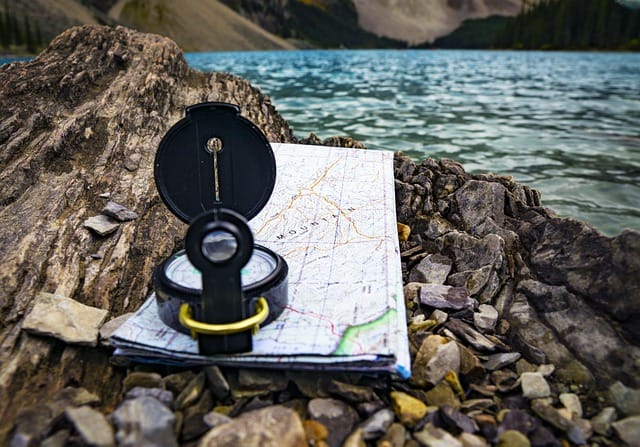
Ultimately, what should you not bring on a hike? can vary greatly based on individual experience and style. Taking into account personal preferences goes a long way when it comes to an enjoyable hike.
Personalizing Your Gear
Everyone’s hiking style is different. Assess what makes you feel comfortable while knowing what’s necessary.
Personal Safety Device
While many may consider personal safety devices a priority, assess what would serve you optimally. A whistle is a light alternative, while larger bear horns or whistles may not be necessary based on location.
Outdoor Fashion
Bringing trendy clothes might seem appealing, but comfort and utility should always take precedence. Gear up in durable, moisture-wicking materials to enhance performance while hiking rather than aesthetic choices.
Selecting the Right Kind of Pack
The type of backpack you bring can significantly affect your experience. Evaluate your pack’s weight and capacity.
Choosing Fit Over Style
Select backpacks that cater to your needs over current trends. An ill-fitting pack can worsen your hiking experience, leading to discomfort.
Lightweight vs. Heavy Duty
Campers shouldn’t feel obliged to lug heavy-duty packs for light day hikes. Consider your situation; if you are going light, go lighter. A fanny pack may suffice for short excursions.
The gear is both personal and subjective when planning a hike. By evaluating your tastes, you’ll curate a setup that resonates with your individual style rather than predisposed standards.
FAQs
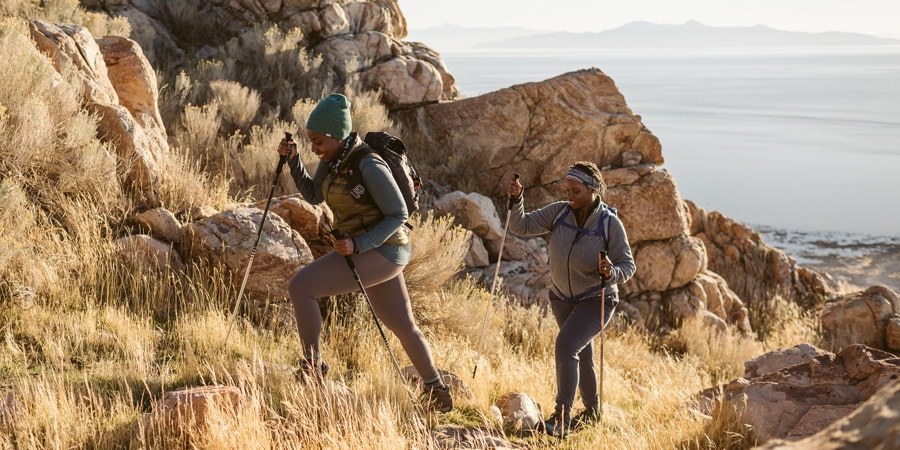
What essentials should I always bring on a hike?
It’s advisable to carry water, suitable shoes, a first-aid kit, snacks, navigation tools, and weather-appropriate clothing.
How do I determine what to leave behind on a hike?
Focus on lightweight, multifunctional gear while ensuring safety items are compact but sufficient. Consider the length of your hike and environmental impact too.
Are certain foods illegal to take on trails?
Some national parks have regulations against bringing certain foods to protect wildlife. Research permitted items before you go.
What is the best way to pack my backpack?
Utilize the space effectively by placing heavier items close to your back and lighter items near the top, keeping weight balanced.
Is it necessary to bring a GPS device?
While traditional maps can be effective, a portable GPS can ensure you stay on track, complementing your knowledge of the area.
Conclusion
To enhance your hiking experience, carefully consider what should you not bring on a hike? Prioritize lightweight, multifunctional gear while ensuring safety and environmental mindfulness. Understanding your own hiking style and preferences can lead to a richer appreciation of the beautiful trails. Adjusting your packing list not only promotes enjoyment but also ensures that you’re better prepared for the journey ahead. Embrace the outdoor experience fully, leaving behind distractions, and allow nature to connect with you unencumbered.