When it comes to exploring the great outdoors, having the right gear can make all the difference in your experience. Knowing what are backpacking essentials is crucial for ensuring a successful adventure, whether you’re trekking through the mountains, camping by a river, or simply exploring scenic trails. In this guide, we will delve into the must-have items that will enhance your backpacking trips, allowing you to enjoy your journey with comfort and confidence.
Understanding the Basics of Backpacking Essentials
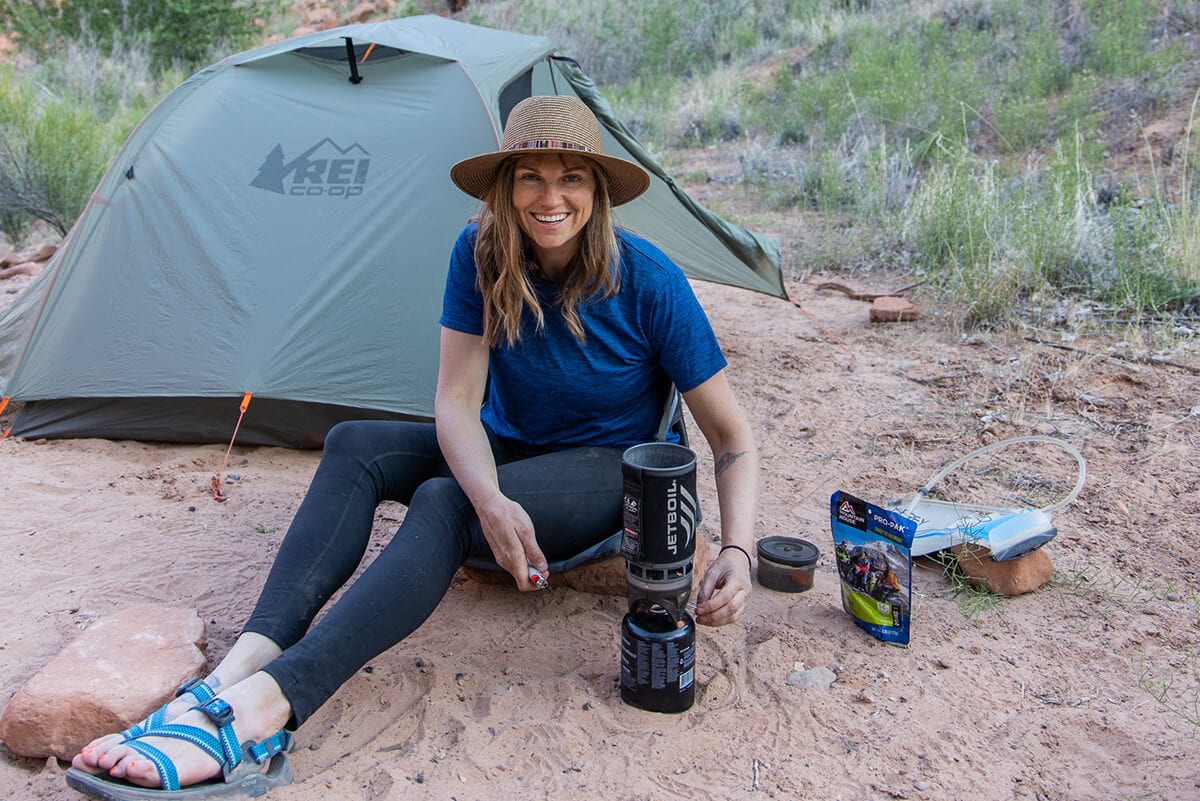
Having the right gear is essential for any backpacker, as it not only impacts your comfort but also your safety during your journey. When considering what are backpacking essentials, we must focus on both must-have items and personal preferences based on the duration of the trip and the environment.
Shelter and Sleeping Gear
Choosing the right shelter and sleeping gear is pivotal for ensuring a good night’s rest while on the trail. Your shelter should be lightweight yet durable enough to protect you from the elements.
Tent Selection
When picking a tent, consider:
- Weight: Look for ultralight options, especially if you plan on long treks.
- Space: Will you be sharing the tent? Ensure there’s enough room for you and your gear.
- Weather Resistance: Depending on where you’re hiking, a 3-season or 4-season tent may be necessary.
Example: A 2-person lightweight tent made from ripstop nylon can weigh as little as 3 pounds, making it perfect for backpacking.
Sleeping Bags and Pads
A good night’s sleep is essential for a successful hike. Consider:
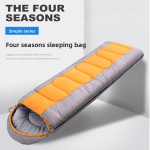
- Temperature Rating: Choose a sleeping bag with an appropriate temperature rating for your trip.
- Insulation Type: Down insulation is lighter but more expensive. Synthetic insulation, although heavier, can handle wet conditions better.
- Sleeping Pads: These can provide insulation and comfort; consider self-inflating foam pads for optimal comfort and minimum weight.
Cooking and Eating Gear
Having the right cooking equipment can elevate your outdoor dining experience.
Stove Options
When it comes to stoves, there are a few types you might consider:
- Canister Stoves: Lightweight and easy to use; they are great for shorter trips.
- Liquid Fuel Stoves: Good for longer trips, especially in cold weather conditions.
Example: A popular canister stove weighs just 3 ounces and takes only a minute to boil water.
Cooking and Eating Utensils
Don’t forget to pack:
- Pots Pans: Lightweight options made from titanium or aluminum.
- Utensils: A multi-tool can be a lifesaver, reducing the number of items you carry.
Clothing andFootwear
Wearing the right clothing can make all the difference. Consider the following factors:
Layering System
Understanding the layering system is key:
- Base Layer: Moisture-wicking materials to keep you dry.
- Insulation Layer: A fleece or down jacket for warmth.
- Outer Shell: Waterproof and breathable jackets to protect against rain and wind.
Advice: Packing a lightweight poncho can serve as both an outer shell and a shelter.
Footwear
Choosing the right footwear is critical for comfort:
- Hiking Boots: Make sure they fit well, offer good ankle support, and have good traction.
- Camp Shoes: Lightweight sandals or slip-ons can provide relief at the campsite.
Navigation and Safety Gear
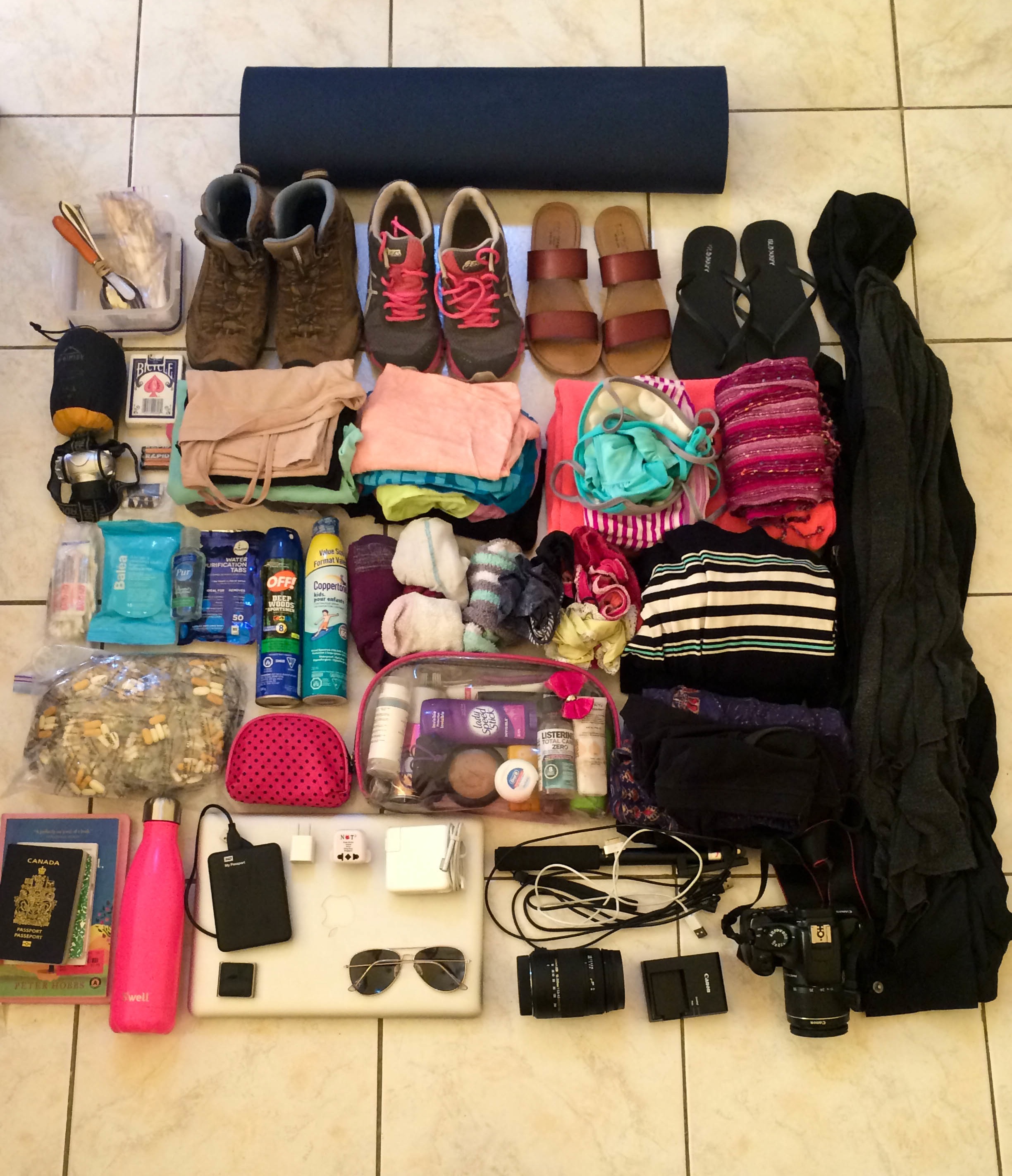
Being prepared with navigation and safety equipment is essential for staying safe during your backpacking trip.
Navigation Tools
Understanding how to navigate is vital in avoiding getting lost.
Maps and Compasses
Even in the digital age, traditional navigation tools are crucial:
- Topographic Maps: Familiarize yourself with the terrain before hitting the trail.
- Compass: Always learn to use a compass alongside your map for accuracy.
GPS Devices
While maps are essential, GPS devices can enhance your navigation experience:
- Handheld GPS: Lightweight devices that can guide you accurately but must be charged.
- Smartphone Apps: Useful, provided you carry a power bank.
Safety Equipment
Your safety should always be a priority, so packing essential items is a must:
First Aid Kit
A well-stocked first aid kit can handle minor injuries:
- Band-aids and Gauze: For cuts and scrapes.
- Pain Relievers: Quick relief for aches.
Emergency Supplies
Consider packing:
- Emergency Whistle: For signaling help.
- Survival Blanket: Compact solution for warmth during emergencies.
Backpacking Essentials for Hydration and Food
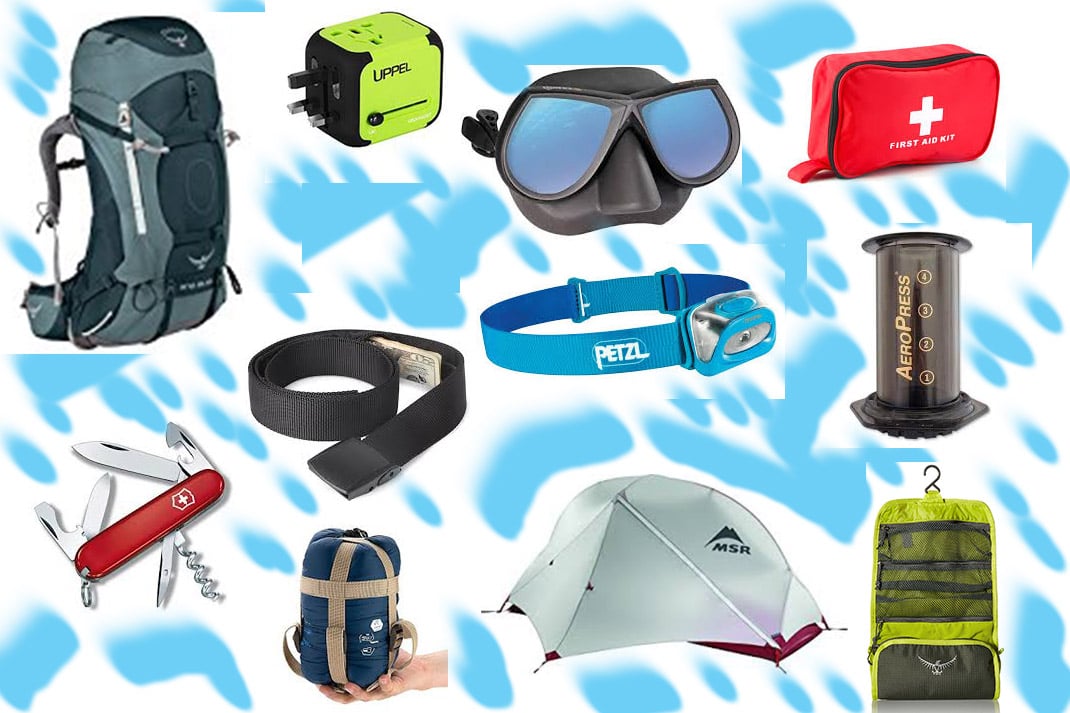
Staying hydrated and well-fed is critical during your backpacking journey.
Water Filtration and Storage
Knowing how to manage water can enhance your experience significantly.
Filtration Systems
You have options available:
- Squeeze Filters: Lightweight and easy to use.
- UV Purifiers: Effective for purifying water on the go.
Water Storage Solutions
When it comes to carrying water:
- Hydration Bladders: Easily carried in your backpack and allow for quick sips.
- Water Bottles: Two or three 1-liter bottles can be easily stored in side pockets.
Trail Food and Snacks
Fueling your body on the trail is essential for energy.
Food Choices
Opt for lightweight, high-calorie options:
- Dehydrated Meals: Just add hot water for a full meal.
- Trail Mix: A good mixture of nuts, seeds, and dried fruit provides energy.
Snacking Tips
Pack snacks that are easy to grab:
- Protein Bars: Compact and energizing for quick bites.
- Jerky: High-protein option that’s lightweight and tasty.
FAQs
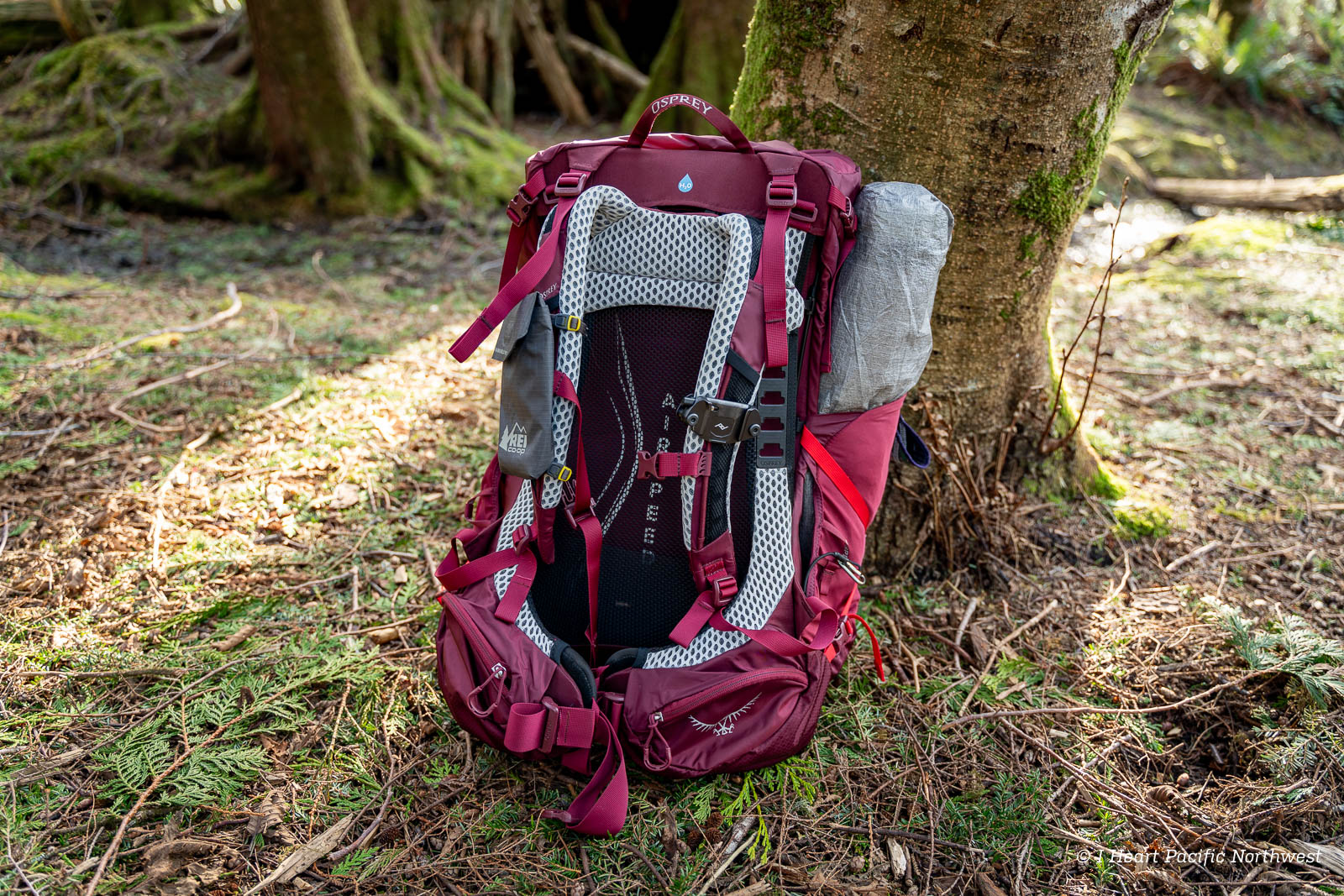
What should I pack for a multi-day backpacking trip?
- Focus on shelter options, cooking gear, navigation tools, and clothing that layers well for comfort. Hydration resources and lightweight food will ensure you’re well-prepared.
How do I choose a backpack for my needs?
- Look for adjustable straps, adequate volume (typically 40-70 liters), and compartments for organization. Weight and fit are critical, so try them on before selecting.
Is there a specific weight limit I should maintain?
- Ideally, the total weight of your pack should not exceed 20-25% of your body weight for comfort during hiking.
How do I keep my gear organized in a backpack?
- Use packing cubes, dry bags, or stuff sacks to compartmentalize and simplify access to your gear.
What is the best way to pack a backpack?
- Pack heavier items closest to your back, with lighter items on top. Ensure frequently used items are accessible for ease of use while on the trail.
Conclusion
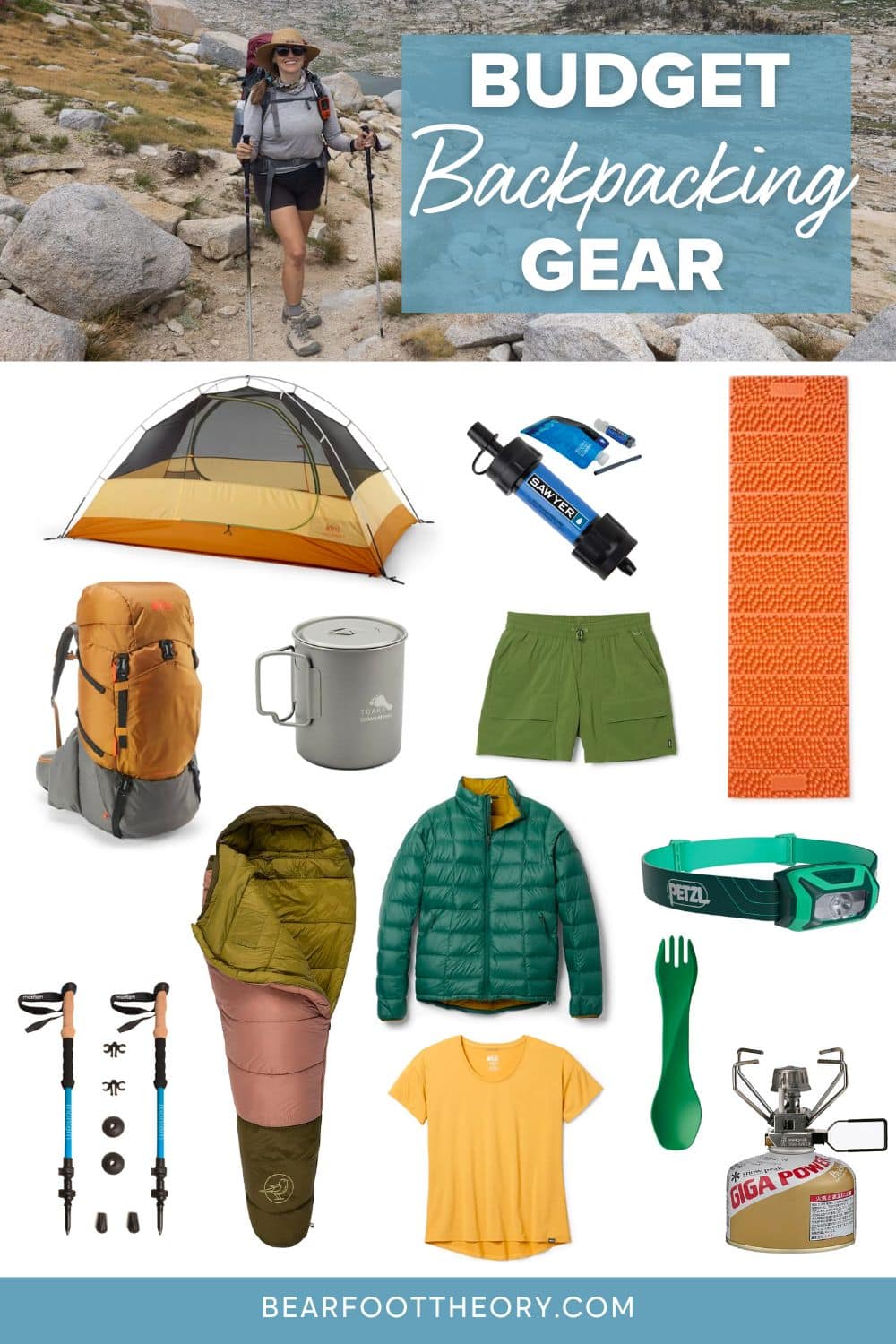
Understanding what are backpacking essentials is key to creating a successful and enjoyable outdoor experience. By focusing on shelter, cooking gear, clothing, navigation tools, safety equipment, hydration, and food, you’ll be well-prepared for your next adventure. With the right gear, you can focus on immersing yourself in the beauty of nature without the stress of being unprepared.