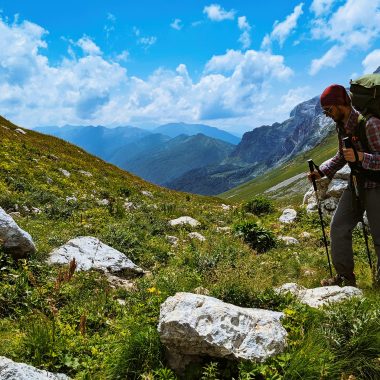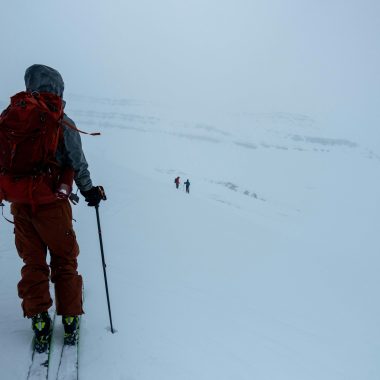
Embarking on a hike is an exhilarating way to connect with nature, challenge oneself, and enjoy a break from daily routines. However, not every item is suitable for packing—especially when it might jeopardize safety, comfort, or environmental preservation. So, what should you not bring on a hike? Understanding this is crucial for a smooth, enjoyable experience. This comprehensive guide dives deep into the items that are best left behind, backed by expertise, real-world advice, and practical comparisons to help you pack smartly and hike responsibly.
Understanding the Importance of Proper Packing — Why Less is More on the Trail

Before delving into specific items to avoid, it’s vital to understand the core reasons why overpacking or bringing the wrong gear can impair your hiking experience. The trail demands mobility, preparedness, and respect for nature’s delicate balance. Carrying unnecessary items, or those that are inappropriate, can lead to heavier backpacks, increased fatigue, potential safety hazards, and environmental harm.
Bringing the right gear is not just about comfort but also about safety, sustainability, and respecting regulations. Overloading your pack or incorporating items that do not serve a purpose can hinder agility, distract you, and increase mishaps. On the other hand, a well-planned, minimalist approach allows for a more enjoyable, efficient, and eco-friendly hike.
Furthermore, understanding what should you not bring on a hike helps you avoid common pitfalls. For instance, items like bulky electronics or fragile souvenirs may seem harmless but can become liabilities. Instead, focusing on essentials tailored to your hike’s length, weather, terrain, and regulations ensures a safer adventure. Now, let’s explore the specific categories of items you should leave behind.
1. Non-Essential Items That Add Unnecessary Weight
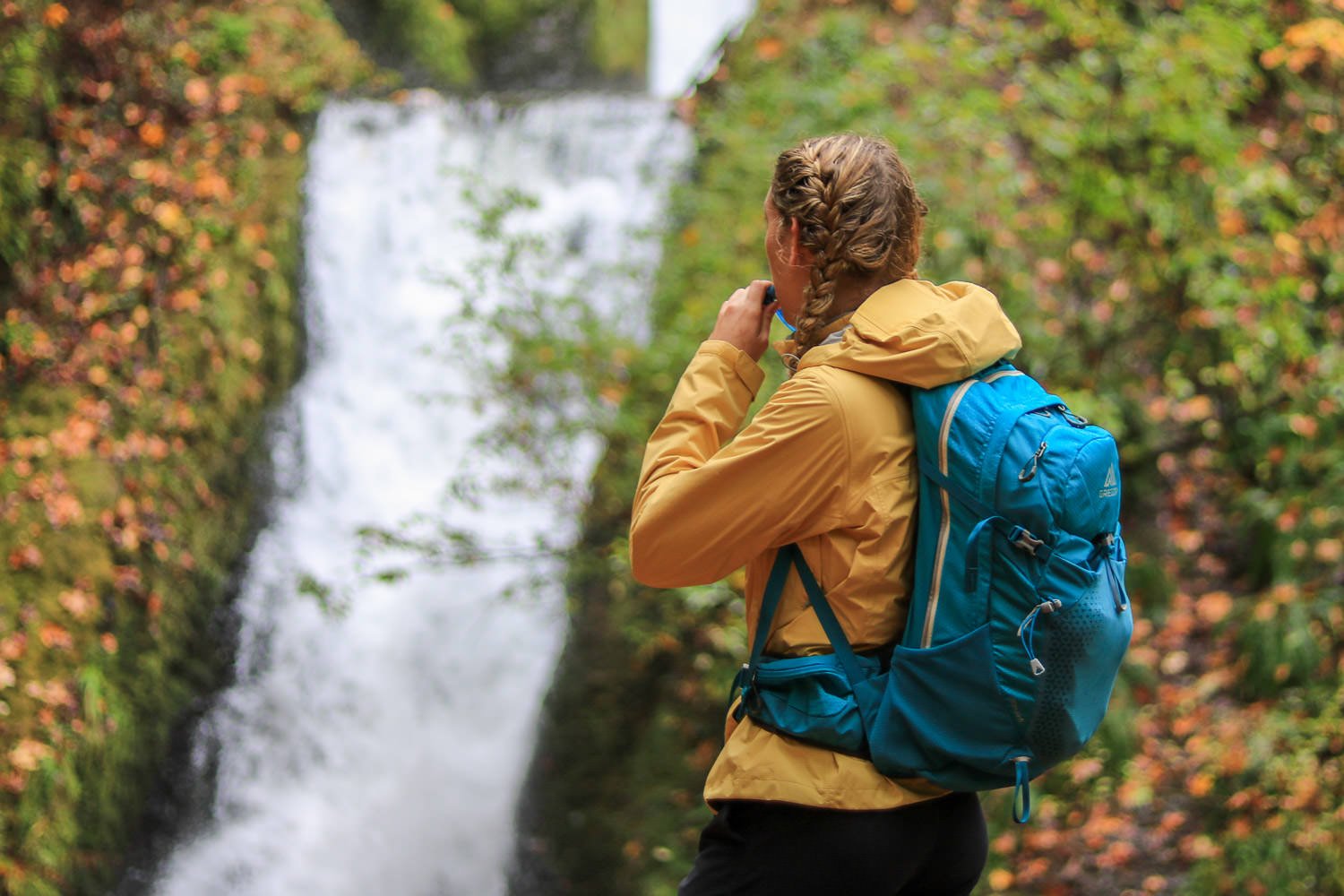
Carrying unnecessary items can turn a delightful hike into a burdensome chore. Excess weight affects your stamina, increases fatigue, and can even lead to injuries. It’s vital to discern between what you need and what’s superfluous. Prioritizing lightweight, multifunctional gear is the foundation of a smart hiking strategy. So, what should you not bring on a hike? Here are key items often wasted space and weight.
Excess Clothing and Non-Waterproof Attire
Many hikers carry multiple layers, thinking they might need them all, but in reality, overpacking clothing is common. Bringing bulky jackets or shirts that won’t be needed, especially if the forecast indicates clear weather, can add to your burden.
Instead, pack only what’s forecasted—think moisture-wicking base layers, a lightweight fleece, and a compact waterproof shell. Bringing extra clothing, particularly heavy items like thick sweaters, makes your pack unnecessarily bulky. Consider the concept of layering instead of multiple bulky items for versatility without the weight.
Heavy Non-Essential Gadgets and Devices
Electronic gadgets like tablets, multiple cameras, or portable speakers might seem appealing but are often unnecessary during a hike. Besides adding weight, they can distract you from the natural environment or pose security risks. The exception might be a smartphone with a camera—useful for navigation and photos but avoid heavy secondary devices.
Carrying larger gadgets or multiple charging devices is not only cumbersome but also increases the risk of damage or loss. Opt for minimalist tech—like a lightweight phone with offline maps—so you stay connected without the baggage. Remember, technology is valuable but should not overshadow the primary goal: experiencing nature.
Excess Food and Over-Prepared Snacks
While packing some extra snacks is wise, many hikers bring large quantities of food that go uneaten. Overpacking canned foods or bulky items can weigh down your pack significantly, especially if not necessary for the duration of your hike.
Plan your meals carefully according to the hike’s length. Choose compact, high-energy foods like trail mix, energy bars, or dehydrated meals. Over-packing food can also lead to waste or unneeded weight, impacting both your comfort and environmental footprint.
Non-Functional or Excess Personal Items
Items like jewelry, bulky wallets, or excessive personal accessories serve no purpose on the trail. These items add to clutter and weight without providing any real benefit or safety. Simplify your gear to include only essentials like IDs, a small amount of cash, and a basic first aid kit.
Having minimal personal items makes your pack lighter and reduces distraction. Remember, the goal of a hike is to connect with nature and stay safe—not to carry unnecessary possessions.
How to Avoid Overloading Your Pack
- Use a checklist tailored for your hike
- Test pack before the trip to identify excess items
- Pack versatile, lightweight gear
- Ignore “just in case” items unless absolutely necessary
- Prioritize comfort and safety over luxury
By avoiding non-essential, heavy items, you create a nimble, efficient pack that enhances your experience.
2. Items That Can Harm the Environment

Hiking is a responsible activity that respects and preserves our natural spaces. Bringing items that harm the environment not only diminishes the beauty of the trail but also poses legal and ethical issues. Knowing what should you not bring on a hike includes understanding what items can disturb ecosystems or violate rules.
Single-Use Plastics and Non-Recyclable Items
Single-use plastics—like water bottles, snack wrappers, or utensils—are among the biggest enemies of outdoor environments. These items often end up as litter, harming wildlife and polluting pristine areas. When planning your hike, opt for reusable bottles and containers and carry out all waste.
Additionally, avoid non-recyclable packaging for snacks or gear. Small habits, such as packing snacks in compostable or reusable bags, make a significant difference. Remember to carry a trash bag, and always leave the trail cleaner than you found it.
Flammable or Toxic Substances
Certain products, although useful in daily life, should be avoided in outdoor settings. Items like aerosol sprays, toxic insect repellents containing harmful chemicals, or flammable fuels, can cause environmental damage or fire hazards.
Use biodegradable, eco-friendly insect repellents when needed, and store all chemicals securely away from open flames or heat sources. Failing to do so risk not only your safety but also damaging delicate ecosystems that are vulnerable to chemical contamination.
Non-native Flora and Fauna Disruptors
Some hikers inadvertently introduce invasive species by bringing non-native plants, seeds, or even small animals like insects or pets. These can upset local biodiversity, threaten native species, and alter entire ecosystems.
Always check local regulations about what is permissible and avoid bringing plants, soil, or animals into protected areas. Clean your gear thoroughly after hikes in different terrains to prevent accidental transportation of invasive species.
Non-Permitted or Illegal Items
Certain items are outright forbidden due to legal regulations or environmental impact. These include hunting gear in protected zones, fireworks, or disruptive devices such as drones where banned.
Familiarize yourself with local regulations before your hike and respect restrictions. Contributing to conservation efforts can start simply by not bringing items that are illegal, ensuring your adventures remain eco-conscious and compliant.
Creating an Environmentally Responsible Toolkit
| Items to Avoid | Reason | Eco-Friendly Alternatives |
|---|---|---|
| Single-use plastics | Pollution, wildlife harm | Reusable bottles, containers |
| Aerosols, chemical sprays | Chemical pollution, fire risk | Natural repellents |
| Non-native plants/soil | Ecosystem disruption | Local flora/soil-free gear |
| Fireworks, drones | Disturbance to wildlife, legal issues | Respect for local regulations |
By consciously avoiding environment-harming items, hikers uphold the principles of Leave No Trace, preserving the trails for future generations.
3. Fragile or Dangerous Items That Compromise Safety
Safety is paramount when hiking, and carrying fragile or dangerous items can introduce significant risks to yourself, fellow hikers, or natural surroundings. Recognizing what should you not bring on a hike includes understanding these hazards and planning accordingly.
Fragile Electronics or Glassware
Carrying fragile items like glass bottles, delicate cameras, or ornate souvenirs may seem attractive but can become hazards or break easily. Broken glass poses physical danger to hikers and wildlife, and replacing fragile electronics is costly and unnecessary.
Instead, opt for durable, shatterproof containers or compact, rugged electronics designed for outdoor use. Protect your gear with padded cases or bags, but always consider the risk of fragility when packing.
Sharp or Heavy Objects That Serve No Purpose
Knives, axes, or other sharp tools can be incredibly useful in emergencies but are unnecessary for typical day hikes and pose safety risks. If carried, they must be stored securely and used responsibly. Otherwise, they increase the chance of injuries.
Similarly, heavy objects like large tools or equipment not relevant to the hike’s purpose only add weight and complexity. Leave such items behind unless you’re on a specialized expedition requiring them.
Potentially Hazardous Items (Chemicals, Medications)
Certain medications or chemicals might be necessary in specific situations but can be hazardous if mishandled or if they fall into the wrong hands. Be cautious about carrying chemicals like pesticides or corrosive substances during a hike.
Consult with park rangers or local authorities about prohibited items, especially in protected areas. Keep hazardous items in secure containers, and use eco-friendly alternatives where possible.
Items That Encourage Unsafe Behavior
Sometimes, bringing recreational items like fireworks, open flames, or other disruptive devices encourages risky behavior, such as starting fires or disturbing wildlife. Such actions threaten safety and are often illegal.
Refrain from bringing anything that could cause harm or break local safety regulations. Focus on responsible hiking practices, and choose activities that enhance your experience without endangering others or the environment.
How to Handle Dangerous Items Responsibly
- Only carry safety or emergency gear necessary for your specific hike
- Store hazardous items securely, following local guidelines
- Educate yourself about prohibited items in protected areas
- Always prioritize safety and environmental responsibility
Awareness of these hazards and removing potentially dangerous items from your pack ensures a safer, more enjoyable adventure for everyone involved.
FAQs About What Should You Not Bring on a Hike?
Q1: Is it necessary to bring a first aid kit on every hike?
Yes, a basic first aid kit is essential on every hike. It helps you manage minor injuries promptly and can be crucial in emergencies, especially in remote areas where help may not be immediately accessible.
Q2: Can I bring my pet on a hike?
Pets can be wonderful hiking companions, but it’s important to consider local regulations, animal safety, and the environment. Bringing excessive pet gear or untrained animals can cause issues; ensure your pet is leash-trained and the trail allows dogs.
Q3: Should I pack electronics like portable chargers?
Only pack essential electronics like a smartphone with offline maps or a portable charger if you anticipate needing them. Avoid bulky gadgets that add unnecessary weight, and always prioritize reducing environmental impact.
Q4: Are biodegradable toiletries necessary?
Yes, biodegradable toiletries help preserve the environment. Regular soaps or lotions can harm plant and animal life; use eco-friendly products and pack out used packaging.
Q5: What are common mistakes in packing for a hike?
Common mistakes include overpacking unnecessary items, neglecting weather considerations, or bringing items that can harm the environment. Planning a checklist according to the hike’s specifics prevents these errors.
Conclusion
Understanding what should you not bring on a hike is fundamental for ensuring safety, comfort, and environmental stewardship. Avoiding unnecessary weight, harmful items, and fragile or risky gear enhances your adventure and preserves outdoor spaces for future exploration. Proper planning, lightweight packing, and respect for regulations foster a responsible hiking ethic that benefits everyone. With thoughtful packing, you can enjoy the trail fully while minimizing your ecological footprint, ensuring that every hike is memorable, safe, and sustainable.