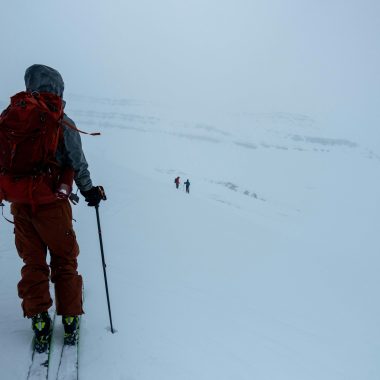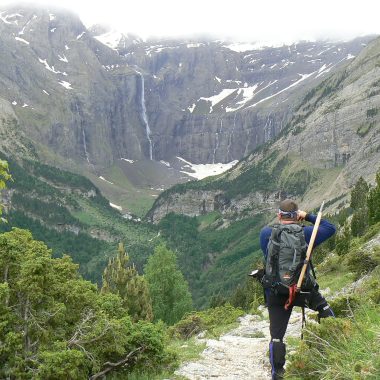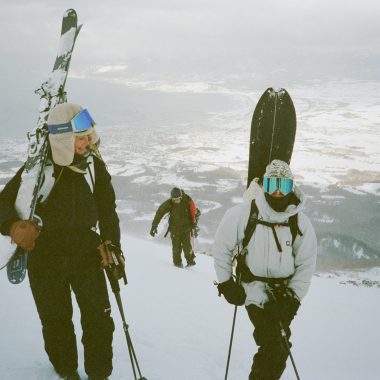
When embarking on a hiking adventure, understanding how to dress appropriately is essential for safety, comfort, and endurance. One of the key strategies seasoned hikers rely on is the three layer clothing principle, a versatile system designed to adapt to changing weather conditions and exertion levels. This article explores what is the three layer clothing principle in hiking? in detailed fashion, offering insights into its application, benefits, and practical tips for outdoor enthusiasts.
Understanding the Three Layer Clothing Principle in Hiking – A Foundation for Outdoor Success
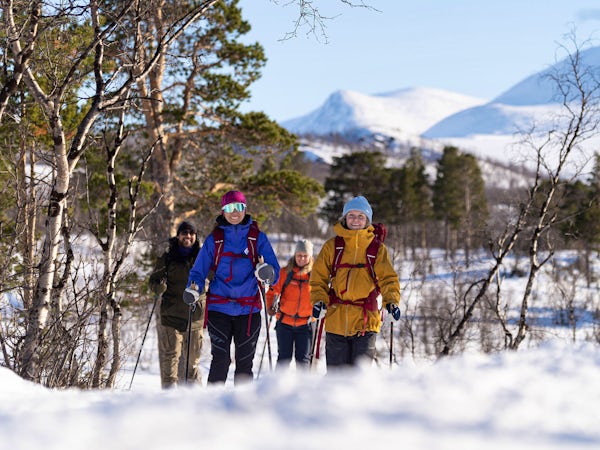
The three layer clothing principle is not just a fashion statement; it’s a scientifically backed, performance-oriented clothing strategy. It involves layering clothing into three distinct categories — base, mid, and outer layers — each with specific functions. This system enhances insulation, moisture management, and protection against wind, rain, or snow.
Before delving into specifics, it’s vital to recognize that this principle is designed for adaptability. Hiking in diverse environments—mountainous terrains, frosty forests, or warm deserts—requires gear that can be added, removed, or adjusted swiftly.
In this section, we’ll explore the core idea behind the three-layer system, how it maintains optimal body temperature, and why it remains a fundamental knowledge for hikers.
The Importance of Layering in Outdoor Activities
Layering is imperative because it supports dynamic environmental conditions and personalized comfort. It’s a flexible approach allowing hikers to respond to fluctuating temperatures, altitude changes, and physical exertion levels. Effective layering minimizes the risk of hypothermia, heat exhaustion, and dehydration.
- Moisture management: Layers help wick sweat away from the body, preventing chill and skin irritations.
- Insulation control: Adjusting layers maintains core warmth during rest or high-intensity activities.
- Protection from elements: Outer layers serve as shields against wind, rain, and snow.
How the Three Layer Clothing System Works in Practice
Each layer of the three-part system interacts synergistically, with specific functions:
- The Base Layer manages moisture and keeps skin dry.
- The Mid Layer provides insulation and traps heat.
- The Outer Layer defends against wind, rain, and snow.
Understanding the roles and appropriate materials for each layer is vital for effective hiking gear management.
Why the Three Layer System Is Superior to Single-Layer Clothing
Compared to traditional or single-layer clothing, the three-layer principle offers greater flexibility and efficiency. It allows for fine-tuning clothing based on conditions—adding or removing layers without sacrificing overall protection. This adaptability is especially crucial in unpredictable weather environments often encountered during hiking.
Moreover, a well-designed three-layer system reduces fatigue caused by overheating or chills from inadequate insulation. It promotes longer outdoor endurance and comfort, making it indispensable for serious hikers and backpackers alike.
Selecting the Right Components for Each Layer in Hiking Clothing

Choosing suitable materials and garments for each layer guides you towards a well-tailored hiking wardrobe. Beyond the basics, understanding the nuances can prolong clothing life, optimize performance, and increase overall satisfaction on the trail.
Base Layer – The Foundation of Comfort and Moisture Wicking
The base layer is your first line of defense, positioned directly against your skin. Its primary functions include moisture wicking, quick drying, and temperature regulation.
- Key Materials: Merino wool, synthetic fibers like polyester or nylon, and silk are popular choices.
- Characteristics to Consider:
- Fabric breathability
- Moisture-wicking ability
- Fit and comfort
- Odor resistance
A well-chosen base layer prevents chafing, keeps skin dry, and helps maintain body temperature regardless of external weather conditions.
Mid Layer – The Insulation Layer for Maintaining Body Heat
The mid layer’s role is insulation, trapping body heat while allowing moisture to escape away from the skin. It acts as a thermal barrier, which is essential when temperatures drop or during high exertion periods.
- Common Materials: Fleece, down, synthetic insulation (like PrimaLoft)
- Design Features:
- Breathability to prevent overheating
- Lightweight for ease of movement
- Compressibility for packing
The mid layer varies based on ambient temperature. For cold conditions, thicker fleece or down jackets are effective; for milder conditions, lighter synthetic layers suffice.
Outer Layer – The Shield Against Weather and Environmental Hazards
Your outer layer is the most visible part of the clothing system, providing ultimate protection from wind, rain, snow, and abrasions. This layer must balance durability with breathability.
- Typical Materials: Gore-Tex, eVent, or other waterproof/breathable fabrics
- Key Features:
- Water and wind resistance
- Ventilation options (zippers, adjustable hoods)
- Durability for rugged environments
Choosing the right outer layer depends on anticipated weather—storm-proof jackets for rainstorms, windbreakers for gusty mountain tops, or lightweight shells for mild days.
Integrating Layers for Optimal Performance on the Trail
Successful hiking requires seamless interaction between layers. For instance, when rain begins, you can quickly don the outer layer without removing your base or mid layers. Conversely, during exertion, you might remove the outer layer to avoid overheating, leaving the insulating mid layer for warmth.
The layering hierarchy also involves practical considerations like ease of putting layers on or off, packing space, and weight. Flexibility in how each layer is adjusted according to activity level and weather is what makes the three layer principle effective.
Practical Tips and Common Mistakes in Applying the Three Layer Clothing Principle for Hiking

Now that we’ve covered what each layer does, the next step is mastering how to utilize them correctly in real-world situations. Many hikers, particularly beginners, make common mistakes that compromise their safety and comfort.
How to Properly Layer Clothing in Variable Mountain Environments
In mountain environments, weather conditions can change rapidly. A clear morning can give way to storms or sudden cold snaps. Planning ahead involves:
- Carrying modular clothing options (fleece, shells, insulation layers) that can be added or removed.
- Paying attention to forecast updates and being ready to adapt.
- Using lightweight, packable layers so they don’t add unnecessary bulk.
A practical approach involves starting with a moisture-wicking base, adding or removing insulation layers based on activity intensity, and always having a reliable outer shell handy.
Common Mistakes Made When Applying the Three Layer System
Even seasoned hikers sometimes overlook certain aspects, such as:
- Wearing cotton instead of synthetic or wool, which traps moisture and causes rapid cooling.
- Overlayering, which leads to overheating and sweating excessively, making the mid and outer layers less effective.
- Forgetting to carry or wear an appropriate outer shell during rain or wind, exposing oneself to hypothermia risks.
- Improper fit of layers—excessively tight or loose garments impair insulation and moisture management.
Learning from these mistakes can dramatically improve your outdoor experience and ensure safety.
How to Adjust Layers for Different Activities and Conditions
Flexibility is key. Consider your activity intensity; climbing steep slopes generates more heat than resting at a campsite. Adjust your layers correspondingly:
- During high-intensity movements, remove outer layers or open ventilation zippers to prevent overheating.
- When resting, add or layer on insulation and outer shells for warmth.
- When weather deteriorates unexpectedly, don your outer shell immediately, sometimes even over other layers.
Developing this skill ensures that you stay comfortable and safe, making your hiking trip more enjoyable and less stressful.
Frequently Asked Questions (FAQs) About the Three Layer Clothing Principle in Hiking
Q1: What is the three layer clothing principle in hiking?
The three layer clothing principle is a structured approach where hikers wear a base layer for moisture control, a mid layer for insulation, and an outer shell for protection against the elements—tailored to adapt to changing weather and activity levels.
Q2: How do I choose the right materials for each layer?
Opt for moisture-wicking merino wool or synthetic fabrics for the base layer; insulating mid layers like fleece or down, depending on temperature, and durable, waterproof, breathable fabrics like Gore-Tex for outer layers.
Q3: Can I combine different brands or materials in my layers?
Yes, as long as the layers complement each other in function. Prioritize performance features—moisture management, insulation, breathability—and ensure a good fit for safety and comfort.
Q4: How do I prevent overheating while wearing multiple layers?
Adjust by opening vents, removing or unzipping outer layers, or shedding the mid layer if needed during intense activity. Always carry layers you can easily put on or off.
Q5: Is the three layer clothing principle suitable for all weather types?
Generally, yes, but in extreme conditions like arctic cold or tropical heat, modifications and specialized gear are necessary. Proper understanding of the principle allows customization for diverse environments.
Conclusion
The what is the three layer clothing principle in hiking? paradigm remains one of the most effective strategies for ensuring safety, comfort, and adaptability during outdoor excursions. By understanding and executing the proper selection, combination, and management of base, mid, and outer layers, hikers can significantly enhance their performance and enjoyment. Proper layering enables resilient responses to environmental variability, reduces fatigue, and helps prevent cold-related injuries. Incorporating this knowledge into your outdoor routine transforms uncertain weather challenges into manageable scenarios, empowering you to explore the wilderness confidently and comfortably.