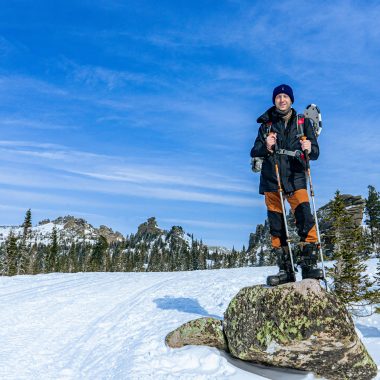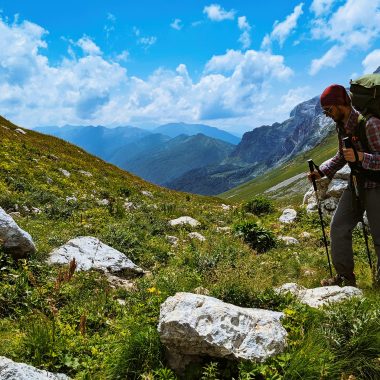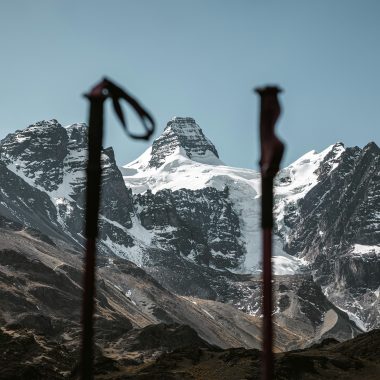
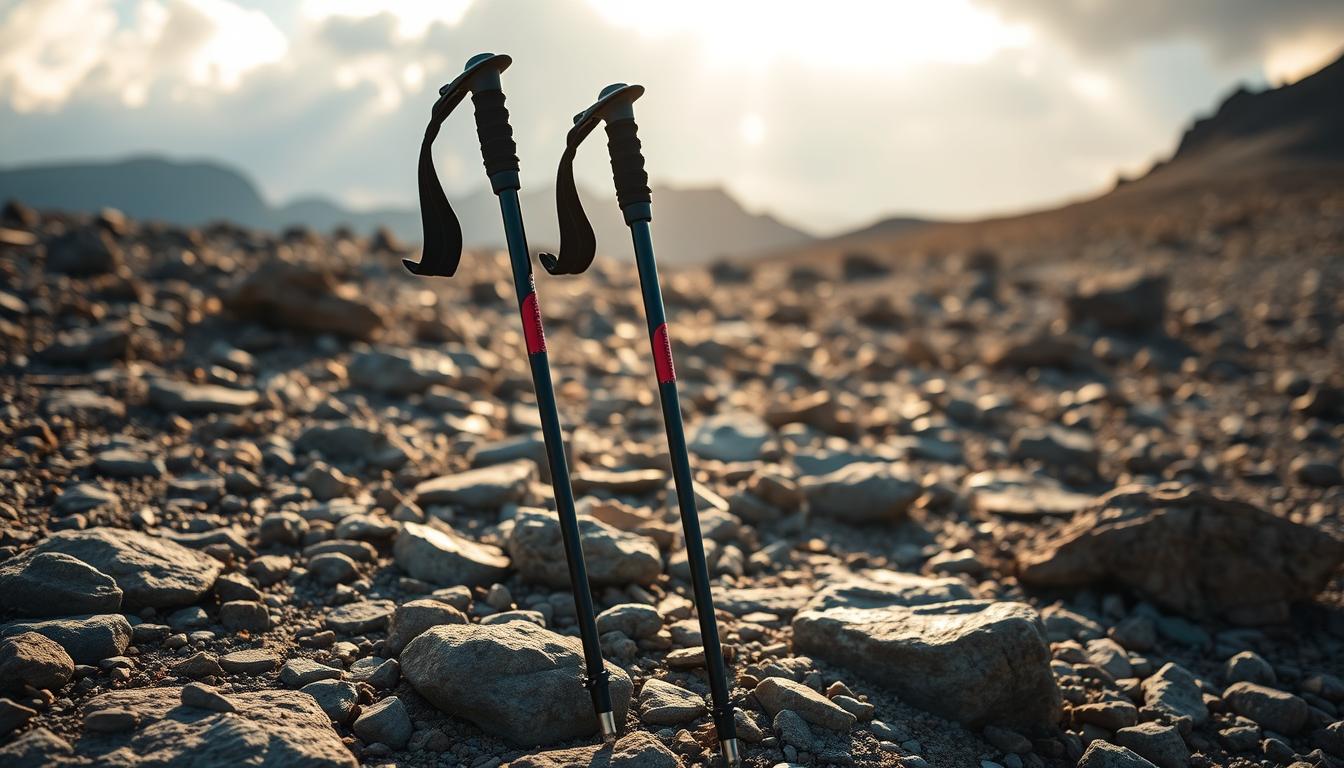
Ready to pick a pole that fits your routes and speed? This guide compares top models tested on demanding runs like the Grand Canyon Gems Route, Utah’s High Uintas, Idaho’s Sawtooths, and winter tours.
We weigh real on-trail data — packed length, lock style, and ride feel — so you can match a setup to fast alpine days or long backpacking trips. Brands like Black Diamond, Gossamer Gear, MSR, and Montem show different strengths in weight, collapse size, and durability.
Among picks you’ll see folding carbon that packs small, telescoping designs that adjust wide ranges, and robust aluminum options for rough use. Expect clear notes on cork vs foam grips, carbon vibration, and when a folding design beats a telescoping pole for packability.
Key Takeaways
- Field tests across major Western routes highlight real differences in weight and pack size.
- Black Diamond models excel for alpine performance and compact packing.
- Carbon options offer low weight but need careful handling; aluminum wins on toughness.
- Choose folding if you need tiny packed length; pick telescoping for quick length tweaks.
- Grip material and lock type affect comfort and repairability over long seasons.
Editor’s note: How we judge the best trekking poles in the United States, present day
Field time drives our scoring. We weigh adjustability, comfort, and repairability above lab numbers. That means an ideal set covers about 95 cm to 158 cm, fits most hikers, and lets you dial an elbow angle near 90 degrees for climbs and descents.
Materials and feel matter. We compare carbon and aluminum shafts for flex, vibration, and durability. We favor cork or foam grips with extended lower grips for quick hand moves. Lever locks with adjustable tension earn bonus points for on-trail serviceability; twist locks pass if they hold under proper torque.
Portability and long-term value guide scores. Collapsed length and pair weight are measured alongside ease of replacing carbide tips and baskets. We separate folding and telescoping designs because each design changes packability and on-trail behavior.
- Real-world function over specs: how a pole performs mile after mile.
- Durable hardware and replaceable parts extend service life.
- Balance between light weight and on-trail stability.
Who makes the best trekking poles? The quick answer for different hikers
Pick a set that matches your pace and pack—speed runners need different kit than long-haul backpackers.
Ultralight speed
Ultralight speed: Black Diamond Distance Carbon Z and Gossamer Gear LT5
Black Diamond Distance Carbon Z is near featherweight at about 10 oz per pair and folds to 33 cm for a 110 cm length. That tiny packed length is ideal for fast days and runner packs.
Gossamer Gear LT5 hits similar weight (≈10 oz per pair) with telescoping adjustability from 105–130 cm and a 60 cm collapsed size. Runners who need some length range favor this mix of low weight and compactness.
Do-it-all versatility and budget workhorses
Black Diamond Distance Carbon FLZ (12.7 oz per pair) and MSR DynaLock Ascent (1 lb 1 oz per pair) balance packability and adjustability with folding designs that suit varied trails.
For value, Montem’s Ultra Light 100% Carbon (14 oz per pair) and the Ultra Strong aluminum model (1 lb 3 oz per pair) offer solid performance at a low price point.
| Category | Model | Weight (per pair) | Packed Length / Range |
|---|---|---|---|
| Ultralight | Distance Carbon Z | 10 oz | 33 cm packed / 110 cm fixed |
| Ultralight | Gossamer Gear LT5 | ~10 oz | 60 cm collapsed / 105–130 cm |
| Versatile | Distance Carbon FLZ | 12.7 oz | 34–40 cm packed / adjustable |
| Versatile | MSR DynaLock Ascent | 1 lb 1 oz | 36.2 cm packed / two size ranges |
| Budget | Montem Ultra Light (Carbon) | 14 oz | 61 cm collapsed / 105–135 cm |
| Budget | Montem Ultra Strong (Aluminum) | 1 lb 3 oz | 61 cm collapsed / 105–135 cm |
- Runners: favor the shortest packed length and lowest weight.
- Backpackers: pick adjustable folding models for shelter and tall hikers.
- Budget buyers: Montem balances cost, length, and durability.
Carbon fiber vs aluminum: which material is truly most durable?
Material choice changes how a shaft behaves under stress and over long miles. Lightweight matters, but so do failure mode, vibration, and real-world abuse when you hike, scramble, or run.
Impact, flex, and failure modes: snap versus bend
Carbon shafts are stiff and efficient. They transfer energy cleanly but can snap under a sudden side load.
Aluminum bends first. Minor kinks sometimes straighten on the trail, which can keep a pole usable after a hit.
Vibration, noise, and comfort on long days
Heavier carbon fiber poles and carbon fiber trekking layups damp vibration best. That means less buzz in your hands and lower fatigue on high-mile days.
When aluminum still wins: rough, rocky, cold-weather abuse
- Aluminum is forgiving on talus, in winter, and when tips wedge between rocks.
- Inspect shafts regularly for cracks, deep scratches, or kinks; tips and grips hide early damage.
Bottom line: choose carbon for light weight and comfort; pick aluminum when rugged durability and easy field fixes matter most. Match material to your routes and design needs.
Folding vs telescoping poles: packability, adjustability, and trail feel
Deciding between folding and telescoping comes down to how you carry and use a shaft on route. Choose tiny packed size when you run or move fast. Pick broad adjustability when you need a shelter or winter setup.
Foldable designs often weigh less and collapse very small. Models like the Distance Carbon Z and MSR DynaLock Ascent pack to about 33–36.2 cm. That short collapsed length makes them vanish on a running vest or daypack.
Telescoping models offer wider range. Examples include Montem (105–135 cm) and BD Alpine Carbon Cork (100–130 cm). They usually pack near 60–61 cm and feel stiffer under side load.
- Folded shafts win on tiny packed size and low swing weight for fast moves.
- Telescoping poles give fine-tuned length and are better for pitching shelters.
- On trail, folding can feel snappier; telescoping often feels more solid when loaded.
- Check max length for tall hikers and shelter needs before you buy.
Weight classes that matter: ultralight, lightweight, and the sturdiest
A few ounces can transform comfort, speed, and durability on a route. Deciding by weight helps you match a set to fast runs, long days, or four-season use.
Under 12 oz per pair: true ultralight for speed hikers and runners
What it is: Sub-12 ounces per pair is the race-ready class.
Examples include the Black Diamond Distance Carbon Z (~10 oz) and Gossamer Gear LT5 (~10 oz). These poles feel almost effortless to swing and collapse very small for stashing on fast outings.
12–15.9 oz per pair: lightweight balance for most backpackers
What it is: This range blends low weight with practical adjustability.
Models like the Distance Carbon FLZ (12.7 oz) and Montem Ultra Light Carbon (14 oz) suit multi-day backpacking and long hiking days without fragile trade-offs.
1 lb or more per pair: stout stability for hard use and four seasons
What it is: One pound plus per pair favors durability and confidence on rough ground.
Look to MSR DynaLock Ascent (1 lb 1 oz), BD Alpine Carbon Cork (1 lb 1.5 oz), or Montem Ultra Strong (1 lb 3 oz) when toughness and reliable lock systems matter most.
- Sub-12-ounce sets excel for speed and low swing weight.
- 12–15.9 ounces balance comfort, adjustability, and durability for most hikers.
- Over one pound trades grams for stability and long-season reliability.
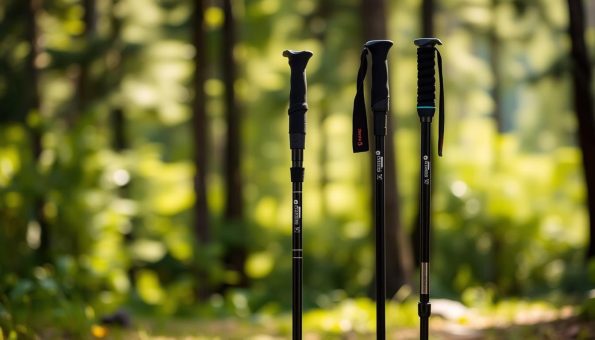
Grip materials and ergonomics: cork, foam, rubber, and lower grips
A grip’s material and shape change comfort, control, and hot-spot risk on extended trips.
Cork often wins for long days. It gets slightly tacky when wet and conforms to your palm over time. High-quality cork reduces hotspots and stays comfortable in heat.
Foam saves weight and feels soft, especially in cool weather. Many models use extended EVA foam lower grips so you can slide your hand down without shortening a pole for climbs.
Rubber has niche value in very wet or snowy conditions but traps sweat in summer. Straps and grips together shape how much strain falls on fingers versus wrist during long descents.
Practical fit and quick moves
Extended lower grips let you choke down fast on steep uphill sections and keep leverage without stopping to adjust a pole. Try shapes with palm supports if your hands are large or you prefer an ergonomic hold.
- Quality cork molds slightly for a custom feel and grips sweaty hands well.
- Foam grips and extended sleeves help with constant micro-adjustments on rolling terrain.
- Good wrist straps distribute load and reduce finger fatigue on long descents.
Tip: Pair comfortable grips with reliable straps to keep a relaxed, efficient hold mile after mile and make hiking more pleasant.
Locks that last: lever vs twist, tensioning, and on-trail reliability
A solid clamp often matters more on trail than a few grams saved in shaft weight. Lever-style closures tend to hold better and are faster to adjust with gloves on. When tension is set correctly they resist creep on long descents and rough sidehill travel.
Twist locks work when clean and tightened, but they depend on user torque and are more sensitive to grit or ice. In heavy use you can see slow loosening unless you re-torque them regularly.
Hardware failures are usually repairable. Choose models with replaceable cams, screws, or caps. Metal cams and aluminum sleeves outlast plastic parts and save you trouble after seasons of use.
- Lever locks are best for quick, secure clamping and glove-friendly tweaks.
- Keep locks clean; rinse grit and dry ice to avoid slippage.
- Field-adjustable tension helps when shafts polish or tips wear in.
- Look for spare parts availability for tips, cams, and screws before you buy.
Brands like MSR and Black Diamond use robust lever systems that stayed rigid on long days, while budget flick designs can show occasional slip in very rugged terrain. A heavier-duty lock adds a touch of weight, but it often pays off in reliable performance and less mid-trip drama.
Fit and length: dialing in adjustability for hikers up to 6′ and beyond
A correctly adjusted length keeps effort low and control high on mixed terrain.
Set your pole so your elbow forms about a 90-degree angle on level ground. This gives steady support and reduces strain on hips and knees.
Target elbow angle and ranges: 95 cm to 158 cm coverage
Adjustable sets that span 95 cm to 158 cm cover most body heights from roughly 5′ to nearly 7′. If you’re 6′ or taller, confirm the max length reaches at least 130–135 cm for good leverage and shelter compatibility.
| Hiker height | Recommended pole length | Notes |
|---|---|---|
| Under 5’2″ | 95–105 cm | Shorter size for compact stride |
| 5’2″–6’0″ | 105–130 cm | Most adjustable ranges fit here |
| 6’0″–6’6″ | 130–145 cm | Taller hikers need longer max length |
| Shelter use | 125–135 cm | Ensure locks hold at these lengths |
Ultralight caveat: fixed-length folding poles and sizing
Fixed-length folding models, like certain Black Diamond options, come in discrete sizes (110–130 cm). Pick a size that matches your footwear stack and average terrain.
- Shorten for steep climbs; lengthen for descents.
- Use lower grips to avoid constant readjustment.
- Recheck length after first uses—locks can settle slightly.
- Mark your preferred setting to speed setup on the trail.
Packability and collapsed length: where every inch matters
When every inch counts, packed length often decides which shaft earns a spot on your pack. Compact folding sets like the Black Diamond Distance Carbon Z (33 cm collapsed for 110 cm size) and MSR DynaLock Ascent (36.2 cm for 100–120 cm) stash far easier than telescoping models.
Shorter packed sizes slip into running vests, stay under compression straps, and avoid snagging brush. That makes them ideal for runners and fast hikers who need gear out of the way.
Telescoping options such as the Gossamer Gear LT5 and Montem models collapse near 60–61 cm, which still carries well on daypacks and overnight rigs.
- Short packed size reduces chance of catching on brush or banging arms.
- Sub-40 cm folded lengths benefit minimal packs and alpine scrambling.
- Collapsed length also affects airline travel and fit inside luggage.
- Compact joints must lock tight and resist rattling at speed on trail.
- Consider how you stow: if you rarely pack a shaft away, packability matters less than durable length and weight.
Repairability and replacement parts: tips, baskets, and locks
Simple swaps—new tips, fresh baskets, tightened cams—extend a shaft’s useful life. Carrying a few spares and a small tool kit keeps a short problem from ending a long route.
Tips wear down with miles and should be replaceable. Check the tip housing for hairline cracks before a big trip. Replace early to avoid a sudden failure on rocky ground.
Most sets include at least one mud basket to stop plunging in soft stuff. Keep extra baskets for sandy or leafy terrain so a stuck tip doesn’t cost time.
Favor models that sell lock parts and metal cams. Aluminum hardware often survives torque and grit better than plastic, and many lever parts are user-replaceable.
- Buy carbide tip replacements you can source easily to refresh trail grip after seasons.
- Inspect tip housings and swap cracked components before a trip.
- Carry spare baskets and a tip puller for quick roadside swaps.
- Pack a mini tool for screws and tiny Allen keys used by some locks.
- Remember straps and anchors: replaceable webbing adds life to any pole.
If an aluminum section bends, you may nurse it through a day. A snapped carbon section usually needs a full replacement, so plan spares accordingly. Warranty support varies; some budget makers offer lifetime coverage on certain failures, which adds peace of mind.
Expert-tested picks: ultralight carbon contenders
For runners chasing minimal load, two ultralight carbon designs stood out in field testing. Both trim weight nearly to 10 ounces per pair and favor fast transitions over extra hardware.
Black Diamond Distance Carbon Z: featherweight, fixed, fast
Black Diamond‘s Distance Carbon Z targets pure speed. It folds to about 33 cm for the 110 cm size and comes in five fixed lengths (110–130 cm).
The set uses an internal Kevlar cord, extended EVA foam grips, and breathable mesh wrist straps. At roughly 10 ounces per pair, it disappears on a vest and cuts swing weight on long miles.
Note: carbon can shear under rare side impacts, so careful planting matters on technical ground.
Gossamer Gear LT5: minimalist collapsible with broad range
Gossamer Gear‘s LT5 blends ultralight weight with telescoping range (105–130 cm). It collapses to about 60 cm and relies on a low-mass twist-lock.
Gear LT5 held up across 74-mile canyon runs and rugged alpine routes, proving that a simple twist lock can be reliable when well made.
- Both models hover near 10 ounces per pair, saving energy every mile.
- Choose the Distance Carbon Z for the shortest collapsed length; pick LT5 for on-the-fly length tweaks.
- Check max length if you stand near 6′ or taller and inspect tips and joints before big trips.
Expert-tested picks: the lightweight sweet spot
Good lightweight gear blends compact packed length with stable on-trail feel and easy repairs. This group targets backpackers who want a low swing weight but still need range and durability for multi-day routes.
Black Diamond Distance Carbon FLZ: adjustable, highly packable
Black Diamond‘s Distance Carbon FLZ balances low weight with true adjustability. It weighs about 12.7 oz per pair and covers multiple size ranges (95–110, 110–125, 125–140 cm).
The folding design collapses to roughly 34–40 cm and uses BD FlickLock levers for fast, secure tensioning. Extended EVA grips and durable tips make it a solid choice for Winds and White Mountains outings.
Montem Ultra Light 100% Carbon: value carbon with flick locks
Montem’s carbon set comes in at about 14 oz per pair. It telescopes from 105–135 cm and folds to a 61 cm collapsed length.
The flick locks stay reliable on canyon loops, and EVA grips plus replaceable baskets and tips keep this option practical and affordable for long miles.
- FLZ wins for smallest folded package and lighter weight.
- Montem offers broader range and strong price-to-performance.
- Both cuts vibration versus many aluminum choices and suit most backpacking needs.
Expert-tested picks: sturdiest four-season performers
When every season demands toughness, these three designs stood up to cold rock, long miles, and real wear. Each option trades a few ounces for locks and shafts that last through alpine abuse.
MSR DynaLock Ascent folds to a 36.2 cm collapsed length and weighs about 1 lb 1 oz per pair. Its Kevlar-reinforced carbon construction and DynaLock levers held firm on Wind River and Grand Canyon test miles.
Black Diamond Alpine Carbon Cork is a telescoping carbon set (100–130 cm) that tips the scales near 1 lb 1.5 oz per pair. FlickLock Pro levers and premium cork grips make it a year-round favorite, though lever tension needs a tiny Allen tweak now and then.
Montem Ultra Strong uses 7075 aluminum, weighs 1 lb 3 oz per pair, and spans 105–135 cm. It proved durable on long canyon routes; aluminum’s bend-before-break behavior is reassuring for budget-focused hikers.
| Model | Material | Weight | Collapsed length |
|---|---|---|---|
| MSR DynaLock Ascent | Kevlar-reinforced carbon | 1 lb 1 oz per pair | 36.2 cm |
| Black Diamond Alpine Carbon Cork | 100% carbon | 1 lb 1.5 oz per pair | 61 cm |
| Montem Ultra Strong | Aluminum 7075 | 1 lb 3 oz per pair | 61 cm |
- Replaceable baskets and tips keep any set usable season after season.
- Choose MSR for the most compact folder; pick Black Diamond alpine carbon for comfort and long-day control.
- Pick Montem when you want value and rugged aluminum resilience.
Black Diamond vs others: where the Alpine Carbon, Distance Z, and FLZ shine
Black Diamond focuses on refined materials and serviceable parts, while rivals trade off price or extreme lightness.
Distance Carbon Z wins for runners and minimalists. It folds to about 33 cm and stays near ultralight weight. That tiny packed size makes it easy to stash on a vest.
Distance Carbon FLZ adds real adjustability without much bulk. At roughly 12.7 oz per pair and a 34–40 cm folded length, its FlickLocks hold tight and adjust fast on mixed terrain.
Black Diamond Alpine Carbon Cork brings cork comfort and four-season strength. It measures near 1 lb 1.5 oz per pair, spans 100–130 cm, and folds to about 61 cm for travel or storage.
| Model | Key trait | Weight | Collapsed |
|---|---|---|---|
| Distance Carbon Z | Minimal packed size | ~10 oz per pair | 33 cm |
| Distance Carbon FLZ | Adjustable folder with FlickLocks | 12.7 oz per pair | 34–40 cm |
| Alpine Carbon Cork | Cork comfort, four-season | 1 lb 1.5 oz per pair | 61 cm |
Compared to MSR DynaLock Ascent, Black Diamond folders feel a touch lighter and more refined, while MSR can feel burlier under heavy side load. Versus Montem, BD trades a higher price for finer locks and materials; Montem wins on value with solid carbon and aluminum options.
Bottom line: pick Distance Z for absolute compactness, FLZ for versatile folding design, and Alpine Carbon Cork for long days and classic comfort. Check upper length if you need extra reach or shelter use.
Key buying checklist: weight, adjustability, grips, straps, baskets, and price
Start by matching weight to your routes. Choose under 12 oz for fast days, 12–15.9 oz for most backpacking, and 1 lb+ when rugged durability matters. This first step narrows which poles to compare.
Confirm adjustability and length so a set covers your hiking height and any shelter needs (many users aim for 125–135 cm max). Check that locks hold at full extension.
Prioritize comfortable grips and solid straps. Cork or high-quality foam with extended lower grips reduces hot spots and helps wrist position on long descents.
Make sure tips and baskets are replaceable and easy to source. Buy a spare set of carbide tips and at least one extra mud basket per pair before long trips.
“A reliable lever lock and metal cam beat a few saved grams when it keeps your pole steady all day.”
| Item | What to check | Why it matters |
|---|---|---|
| Weight class | Under 12 oz / 12–15.9 oz / 1 lb+ | Matches speed, fatigue, and durability needs |
| Adjustability | Range and lock hold at top length | Fits height and shelter use |
| Grips & straps | Cork or foam, extended lower grip, supportive straps | Comfort and wrist support on long miles |
| Tips & baskets | Replaceable carbide tips; extra mud baskets included | Field serviceability and terrain grip |
- Inspect lock design: favor lever locks with adjustable tension and metal hardware.
- Compare collapsed length to how often you stow a pole in a pack or vest.
- Balance price against warranty and spare-part availability; Montem often leads value, while Black Diamond and MSR offer premium serviceability.
- Read trail reports for vibration, noise, and long-term reliability before you buy a pair.
Main question answered: Who makes the best trekking poles?
Different goals call for different champions. For ultralight minimalists, Black Diamond‘s Distance Carbon Z leads for tiny packed size and lively feel. Gossamer Gear LT5 is the top adjustable ultralight with a 105–130 cm range.
For do-it-all hikers, choose between the Distance Carbon FLZ and MSR DynaLock Ascent. FLZ favors compact folding and low weight. MSR trades a few grams for a burlier, very stable folder.
Value seekers should look at Montem. Their Ultra Light carbon and Ultra Strong aluminum offer 105–135 cm ranges and a 61 cm collapsed length. That combo gives performance and field-friendly durability at a lower price.
“Match a class to your routes — speed, range, or rugged use — and your choice becomes obvious.”
| Use | Top model | Key trait |
|---|---|---|
| Ultralight (speed) | Distance Carbon Z | Smallest packed size |
| Adjustable ultralight | Gossamer Gear LT5 | 105–130 cm range |
| Do-it-all | Distance Carbon FLZ / MSR DynaLock | Balance of adjustability and sturdy fold |
| Value & durability | Montem Carbon / Aluminum | Strong price-to-performance |
- Carbon gives lower vibration and lighter swing.
- Aluminum bends before breaking, useful in rock and cold.
- Prioritize locks and spare parts along with length and weight.
Bottom line: pick the class that matches your miles and terrain. Any of these top picks will raise stability and help you enjoy more trail time.
Conclusion
After months of route-testing from Glacier to Iceland and Idaho’s Sawtooths, field results point to clear trade-offs. A strong, compact carbon folder like Black Diamond wins for tiny packed size and low swing weight. MSR earns credit for rugged folding durability, and Montem gives solid value with dependable hardware.
Choose by weight, adjustability, and grip comfort, and confirm locks hold at full length. Keep spare tips and baskets in your kit so a minor wear item does not end a trip.
Pick a set that matches your miles and terrain. With a smart choice, poles become steady partners that cut impact, boost balance, and extend your days on trail.
FAQ
Which brands produce the most reliable carbon fiber trekking poles?
Several reputable brands offer durable carbon fiber options. Black Diamond (Distance Carbon Z, Distance Carbon FLZ, Alpine Carbon Cork) and Gossamer Gear (LT5) are top choices for ultralight and performance models. MSR and Montem also make strong carbon and hybrid designs that balance price and durability.
Are carbon fiber poles better than aluminum for long backpacking trips?
Carbon fiber excels for weight-sensitive hikers and reduces vibration, but it can fail suddenly under sharp impact. Aluminum bends rather than snaps, making it a safer pick for rough, rocky, or cold-weather trips where durability and repairability matter more than ounces.
What are the advantages of folding (Z-fold) poles versus telescoping designs?
Folding poles, like the Black Diamond Distance Z, collapse to very short lengths for minimal pack space and fast hikes. Telescoping poles give broader adjustability and often work better for tent pitching or varied terrain because they offer fine length changes.
How much should a quality pair weigh for ultralight hikes?
True ultralight pairs typically come in under 12 ounces per pair. The 12–15.9 ounce range gives a good balance of comfort and strength for most backpackers, while pairs at or above one pound offer maximum stability for heavy loads and four-season use.
What grip materials are most comfortable on long days?
Cork grips top the list for moisture-wicking comfort and shaping to your hand over time. Foam grips stay soft in cold weather and cost less. Rubber offers durability and control for technical descents. Many hikers prefer extended lower grips for quick hand position changes on steep climbs.
Which locking system holds up best on trail: flick locks or twist locks?
Flick (lever) locks generally provide quick, repeatable adjustments and strong on-trail reliability. Twist locks can be lighter and more streamlined, but they require more care to avoid seizure from dirt or water. Tensioning tips and occasional maintenance prolong either type’s life.
How do I size poles if I’m up to 6′ or taller?
Aim for an elbow angle of about 90 degrees when holding the pole with the tip on the ground. Look for models with ranges covering roughly 95 cm to 158 cm to fit most hikers. Fixed-length folding poles work well if you pick the right size, but adjustable telescoping models give more flexibility.
Can I use trekking poles for tent support and which types are best?
Yes. Telescoping poles with robust locks and slightly longer maximum lengths work best for tent pitching. Folding poles may work for lightweight shelters but check collapsed and extended lengths to ensure compatibility with your tarp or tent setup.
What about maintenance and replacement parts on popular models?
Look for brands with available spare tips, baskets, and internal parts. Black Diamond, MSR, and Montem offer replacement baskets, carbide tips, and locking components. Carry a small repair kit and check locks and tips regularly for wear.
Which models are recommended for ultralight speed hiking?
The Black Diamond Distance Carbon Z and Gossamer Gear LT5 are strong ultralight contenders. They prioritize minimal weight and tiny collapsed length for fast-moving hikers and trail runners.
Which poles balance packability with on-trail versatility?
The Black Diamond Distance Carbon FLZ and MSR DynaLock Ascent strike a good balance. They combine packable folded or collapsed length with reliable locks and enough strength for typical backpacking use.
Are budget carbon options worth considering?
Budget carbon poles like the Montem Ultra Light carbon blends offer good value for hikers who want lower weight without a premium price. They may sacrifice top-tier durability and refined locks, so match expectations to intended use.
When should I choose aluminum poles instead of carbon?
Choose aluminum for rugged, abusive conditions—rocky trails, heavy loads, winter ice work—where the material’s tendency to bend rather than snap gives a safety margin. Aluminum models also often cost less and are easier to repair in the field.
How important are wrist straps and lower grips for performance?
Wrist straps transfer load to your arms and improve pole control on steep terrain. Padded straps increase comfort on long days. Lower grips allow quick hand position changes on technical climbs and descents, improving leverage and balance.
What tip and basket options should I choose for mixed terrain?
Carbide tips provide traction on rock and ice. Removable rubber tips protect trail surfaces and reduce noise. Use small baskets for summer trails and larger snow baskets in winter. Many brands sell interchangeable baskets and tip kits for versatility.