Embarking on a hiking or trekking journey requires the right gear, and trekking poles are undoubtedly essential for ensuring stability, reducing fatigue, and enhancing safety on rugged terrains. Among the various options available, a common debate arises: which is better – aluminum or carbon fiber trekking poles? This question is not just about material preferences but involves considerations of durability, weight, cost, and performance. This guide aims to dissect this comparison comprehensively, providing clarity based on that essential question: which is better for your specific trekking needs.
In this article, we’ll explore every facet of aluminum and carbon fiber trekking poles, including their construction, advantages, disadvantages, ideal usage scenarios, and customer considerations. Whether you’re a seasoned hiker, a casual walker, or an adventurer exploring challenging terrains, understanding these materials will help tailor your equipment choices effectively.
Which is Better – The Complete Comparison between Aluminum and Carbon Fiber Trekking Poles

Choosing the right trekking pole depends on several factors, such as the terrain you’ll hike, your weight, budget, and personal preferences. It’s crucial to understand the differing qualities of aluminum and carbon fiber to make an informed decision. As we delve into this comparison, it becomes clear that neither material is outright superior—each has its unique strengths and limitations that cater to different needs.
This section lays out the essential differences and guides you through the core considerations that will shape your choice. From strength to weight, cost to flexibility, understanding these elements will clarify which is better suited for your trekking style. It’s a nuanced decision, but with detailed analysis, you can select the perfect fit.
Material Composition and Structural Integrity
Understanding the basic construction of aluminum and carbon fiber trekking poles helps illustrate their respective benefits. Aluminum, a common metal used across industries, is favored for its durability and affordability. It’s usually made from aircraft-grade alloys that provide a good balance between strength and weight.
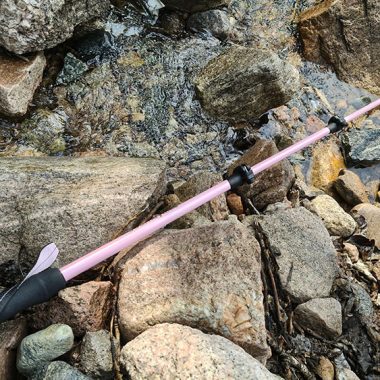
On the other hand, carbon fiber is a composite material constructed from tightly woven carbon threads embedded in a resin matrix. This complex composition allows for remarkable structural properties, especially high tensile strength and low weight. However, the manufacturing process is more intricate, often making carbon fiber poles more expensive. Aluminum’s structural integrity is well-established, whereas carbon fiber relies on its fiber weave and resin to withstand stresses.
While aluminum offers resilience under various impacts, it can bend or dent if subjected to excessive force. Carbon fiber, though incredibly strong relative to its weight, is more susceptible to fractures or splinters if damaged. As such, which is better depends on evaluating how much impact resistance you require versus weight savings.
Durability and Weather Resistance
Durability is a key factor when selecting trekking poles, especially for rugged environments where wear and tear are inevitable. Aluminum trekking poles are highly resistant to dents and bending, qualities that grant them excellent longevity across years of use. They perform well in adverse weather conditions, such as rain, snow, or mud, where moisture resistance is critical.
Which is better in terms of weather resistance? Aluminum tends to handle moisture and temperature fluctuations better because it doesn’t become brittle or weaken in cold environments. Its corrosion resistance can be further improved with anodized finishes, making it suitable for long-term outdoor use.
Carbon fiber trekking poles, while initially robust, can suffer from damage due to impacts or scratching. Exposure to prolonged moisture or extreme temperatures can degrade the resin matrix, potentially weakening the pole’s overall integrity over time. Although they resist corrosion, their susceptibility to cracking upon impact makes them less ideal for rough handling in challenging weather conditions.
Weight and Portability – Why It Matters for Hikers
Weight is arguably the most persuasive factor in determining which is better for on-the-go trekking. Experienced hikers prioritize lightweight gear to conserve energy and reduce fatigue on long treks. Carbon fiber poles excel here—being significantly lighter than aluminum, they can reduce the overall pack weight considerably.
A typical carbon fiber trekking pole might weigh around a few ounces less than its aluminum counterpart. For ultralight hiking enthusiasts or those tackling strenuous multi-day expeditions, this difference can translate into a much more comfortable experience. Carrying lighter gear also means less strain on shoulders, wrists, and joints.
However, the trade-off often lies in durability. Aluminum poles, though heavier, generally offer better impact resistance. They might add a little weight but provide peace of mind with their resilience to drops and knocks. In contrast, the ultralight benefit of carbon fiber must be balanced against its vulnerability—particularly if you travel on rocky, uneven terrains where impacts are unavoidable.
Cost Considerations – Budgeting for Quality Equipment
Cost is a crucial consideration for many outdoor enthusiasts. Aluminum trekking poles are usually more affordable and accessible, making them a popular choice for budget-conscious hikers. They provide reliable performance without a hefty price tag, and replacement parts are often easier to find due to their widespread manufacturing.
Carbon fiber poles, meanwhile, tend to come with a higher price tag due to their complex manufacturing process and premium materials. This investment reflects their advanced properties—lightweight and high-performance—but may not be justifiable for casual walkers or occasional trekkers.
Which is better from a value perspective depends on your specific needs and how much importance you place on weight savings versus budget constraints. For those prioritizing longevity and toughness, aluminum offers solid value. For ultralight backpackers willing to pay premium prices for reduced weight, carbon fiber might be worth the extra spend.
Flexibility, Shock Absorption, and Comfort
Comfort during trekking is enhanced when poles provide adequate shock absorption and flexibility. Aluminum poles typically have a more rigid structure but may incorporate shock-absorbing features, like coil or internal suspension systems, to reduce joint strain. These features are effective and durable, suitable for extensive use.
Carbon fiber poles are naturally more flexible, which can translate to better shock absorption without additional mechanisms. This flexibility reduces stress transferred to the user, making them more comfortable over long distances or difficult terrains. However, excessive flexibility could lead to less control, especially on steep descents or technical sections.
Which is better? For hikers concerned with minimizing joint fatigue, carbon fiber’s inherent flexibility and shock absorption are advantageous. But for those wanting a stable and controlled experience, aluminum’s rigidity might suit their style better.
Ease of Repairs and Long-Term Maintenance
Durability and ease of repair are vital for outdoor gear longevity. Aluminum trekking poles can often be repaired in the field through simple bending or straightening techniques. Their metal construction allows for easier replacement of worn-out or broken parts, such as tips or grips.
Conversely, repairing a damaged carbon fiber pole is more complex. Cracks or fractures might necessitate specialized repair kits or replacement, which may not always be feasible during outdoor expeditions. The non-corrosive nature of carbon fiber also means it generally requires less maintenance.
Which is better depends on your travel style. If you favor rugged excursions where damage is likely, aluminum’s repairability affords peace of mind. For those prioritizing overall weight savings and delicate handling, preemptive care and cautious use of carbon fiber poles are required to extend their lifespan.
FAQs: Common Questions About Aluminum and Carbon Fiber Trekking Poles

What is the main difference between aluminum and carbon fiber trekking poles?
The primary difference is in their composition: aluminum is a metal alloy known for durability and affordability, whereas carbon fiber is a composite material valued for its lightweight and high strength-to-weight ratio. Each material performs differently depending on usage needs.
Which type of trekking pole lasts longer?
Aluminum poles tend to be more durable over the long term due to their impact resistance, especially in rugged conditions where impacts are frequent. Carbon fiber can be highly durable but is more susceptible to cracking or splintering if mishandled.
Are carbon fiber trekking poles worth the extra cost?
For ultralight enthusiasts or those prioritizing minimal weight, the benefits of carbon fiber justify the higher expense. For casual users or those on a budget, aluminum poles provide reliable performance at a lower cost.
Can I repair carbon fiber trekking poles if they break?
Repairing carbon fiber is more complex and typically requires specialized kits and expertise. Minor cracks can sometimes be fixed, but severe damage often necessitates replacing the pole entirely.
Do weather conditions affect the performance of these materials?
Aluminum resists corrosion and withstands cold and wet conditions well, making it suitable for diverse climates. Carbon fiber may degrade in extreme cold or after impact damage, so careful handling and protective coatings can prolong its lifespan.
Conclusion

Choosing which is better—aluminum or carbon fiber trekking poles—ultimately hinges on your specific needs, terrain, budget, and preferences. Aluminum trekking poles excel in durability, ease of repair, and cost-effectiveness, making them ideal for rugged environments and extended adventures. Carbon fiber poles, with their lightweight design and superior shock absorption, cater to ultralight hikers and professionals who prioritize minimizing weight without sacrificing performance. Regardless of your choice, understanding the nuances of each material ensures you invest in gear that complements your outdoor pursuits, enhances safety, and maximizes trekking enjoyment.