Introduction:
Is trekking the same as backpacking? This question often confuses adventure enthusiasts, travelers, and outdoor explorers. While both activities involve travel and exploration, they are distinct in their approach, scope, and preparation. Understanding the nuances between them can help you select the right adventure, gear up appropriately, and enjoy your experience to the fullest. This comprehensive guide delves into the core differences, similarities, and practical tips associated with trekking and backpacking to ensure you’re well-informed regardless of your adventure level.
The Core Concepts of Trekking and Backpacking – Navigating Different Styles of Travel
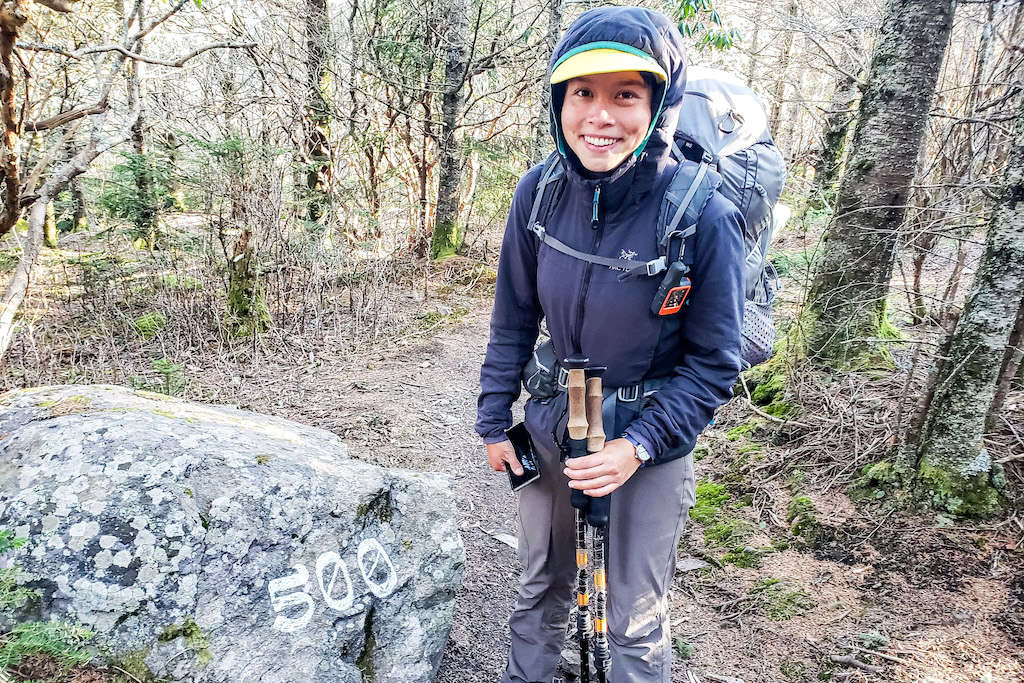
When planning an outdoor adventure, grasping what defines trekking and backpacking is essential. These activities occupy different spaces on the spectrum of outdoor pursuits, and knowing their core principles helps adventurers make informed decisions.
Trekking is often characterized by long-distance walking through natural terrains, usually over days or weeks. This activity emphasizes exploring scenic landscapes, cultural routes, or remote regions, often involving organized routes, guided tours, or self-guided journeys across trails. It’s more inclined towards physical endurance in rugged environments, sometimes in mountainous or wilderness terrains, emphasizing immersion in nature and local culture.
Backpacking, on the other hand, involves traveling with all your gear—clothes, shelter, food—in a backpack while navigating various environments, often over multiple days or weeks. While it shares similarities with trekking, backpacking tends to be broader in scope. It can include urban exploration, backpacking across countries, or travel that involves multiple modes of transit. Backpackers typically prioritize flexibility, budget travel, and local interactions.
Before distinguishing the activities further, it’s crucial to understand that their primary differences revolve around purpose, environment, and intensity. Trekking generally involves more physically demanding, guided, or organized routes through wilderness or mountain terrains, focusing on endurance and scenery. Backpacking emphasizes autonomous, often budget-conscious travel, which may encompass urban and rural environments and prioritize cultural immersion.
Subtle Distinction: Nature of Accommodation and Planning
A key difference also exists in planning and accommodation. Trekking routes are often pre-defined with designated rest stops, huts, or campsites, especially in well-traveled areas. Conversely, backpackers are more spontaneous, setting up tents, staying in hostels, or couch surfing, often shaping their plans on the go.
Cultural and Environmental Engagement
Trekking frequently involves traversing specific remote trails that have cultural or historical significance, such as the Inca Trail or Himalayan treks. Backpacking might encompass visiting multiple countries or regions, engaging with local communities, and exploring urban environments.
Length and Physical Demands
While both activity types may involve multi-day adventures, trekking’s physical demands are typically higher due to rugged terrains and challenging altitudes. Backpackers might have similar durations but don’t always encounter the same technical challenges, especially if their focus is city to city.
Equipment and Gear
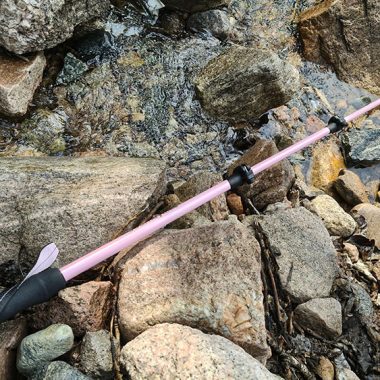
Trekking gear tends to be specialized—trekking poles, rugged boots, hydration packs, and layered clothing suitable for variable mountain climates. Backpacking gear is usually lightweight, compact, and versatile to suit multiple environments and modes of transport.
In summary, understanding the core concepts of trekking and backpacking reveals that while they overlap — both involve journeys, exploration, and outdoor experiences — they serve different purposes, environments, and styles of travel. Knowing these differences lays the foundation for choosing the right activity aligned with your fitness level, interests, and travel goals.
Comparing the Environments, Preparation, and Equipment Needed for Trekking and Backpacking
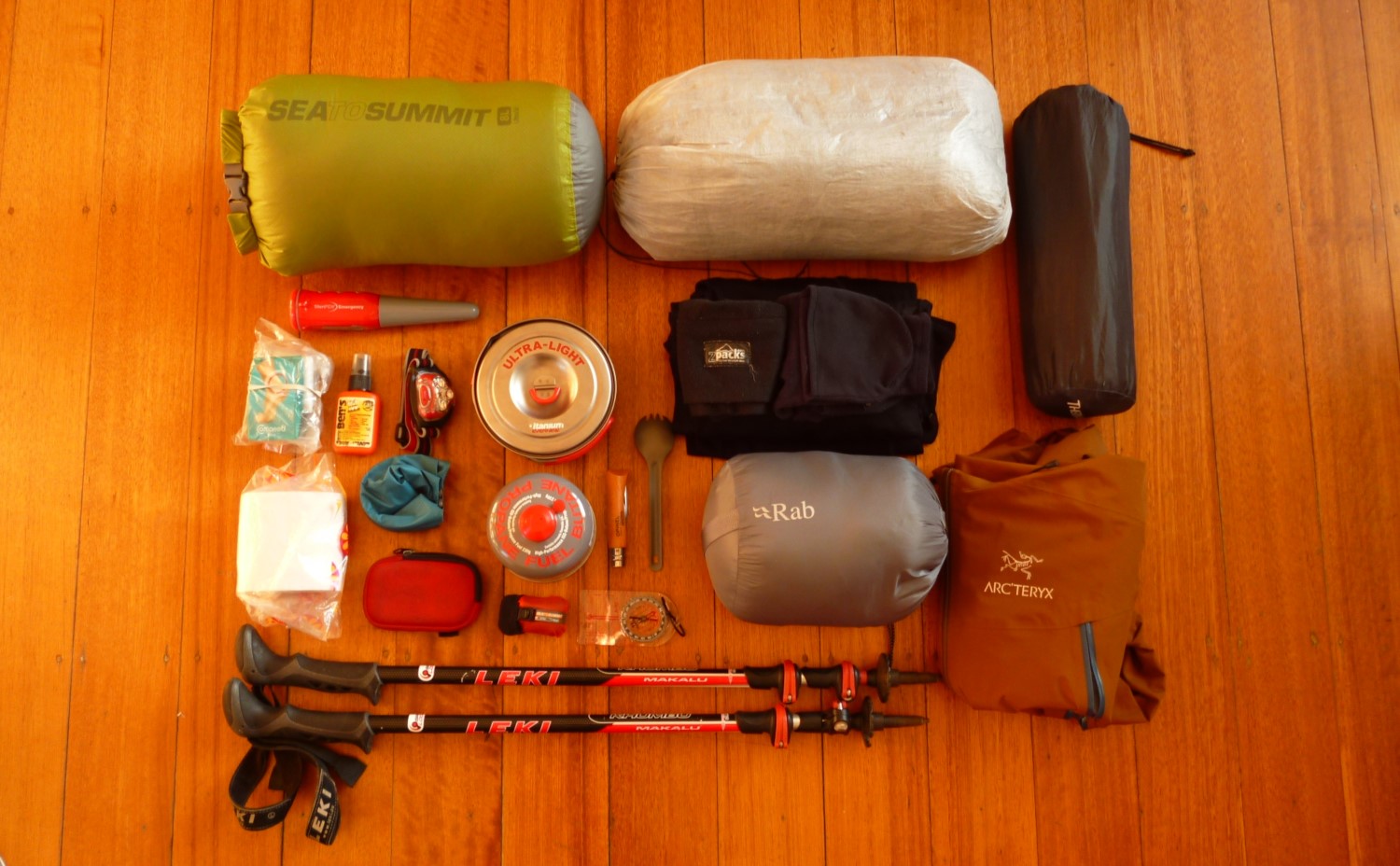
The environments and preparations define the essence of what makes trekking different from backpacking. While both involve travel with gear, the context of their environment and how travelers prepare significantly vary.
Trekking environments predominantly include mountain ranges, rugged trails, and wilderness areas. These terrains demand specific skills, physical stamina, and equipment suited for challenging conditions like steep inclines, unpredictable weather, and remote locations. Trekkers often prepare for altitude sickness, terrain navigation, and emergency protocols. The terrain itself dictates gear such as sturdy hiking boots, trekking poles, layered clothing for fluctuating temperatures, and sometimes even technical equipment if crossing glaciers or snowfields.
Conversely, backpacking environments span a broad spectrum, from urban streets and markets to mountain trails and coastal routes. Backpackers are often flexible and adaptable, perhaps combining city sightseeing with short hikes or multi-country adventures. Their gear is lightweight, versatile, and designed for comfort during long walks, public transportation, and varied climates. Backpackers often carry accommodation essentials like a sleeping bag, a compact tent, travel guides, and digital devices for navigation and connectivity.
Planning and preparation play vital roles. Trekking requires detailed planning—trail permits, route maps, hydration strategies, and emergency arrangements are crucial because of the remote and challenging terrain. Training for altitude acclimatization and physical endurance is common before embarking on high-altitude treks like the Everest Base Camp or the Dolomites.
Backpacking entails different preparation levels. Many backpackers plan multi-day trips but tend to be more spontaneous. They research hostels, transportation options, and local customs. Health precautions might include vaccinations if traveling across borders, but they generally do not face the same physical rigors as high-altitude trekking.
Impact on Physical and Mental Preparation
Trekking often involves rigorous physical preparation, focusing on endurance, strength, and acclimatization. It can be exhausting and physically draining, requiring mental resilience. Backpacing, while still demanding, may involve a more balanced approach—balancing urban exploration, cultural immersion, and walking in various environments.
Equipment and Gear List: Table to Clarify
| Feature | Trekking | Backpacking |
|---|---|---|
| Typical Environment | Mountainous, remote wilderness, rugged terrains | Urban, rural, mountain, coastal, multi-environment |
| Gear Focus | Heavy-duty, durable, specialized equipment | Lightweight, versatile, multi-purpose gear |
| Planning | Detailed, route-specific, permitting considerations | Flexible, adaptable, often spontaneous |
| Physical Demands | High endurance, altitude, technical skills needed | Moderate to high depending on environments |
Summing up, environment and preparation requirements distinguish trekking from backpacking clearly. Trekking’s focus on challenging terrains necessitates specific skills, specialized gear, and meticulous planning. Backpacking’s versatility allows greater flexibility but demands adaptability and resourcefulness.
How to Use “Is Trekking the Same as Backpacking?” to Enhance Your Travel Experience
Understanding how to use the question “Is trekking the same as backpacking?” effectively can significantly influence your choice of activity and enhance the overall experience.
Identify your personal goals
Before choosing between trekking and backpacking, ask yourself what kind of experience you wish to have. Are you seeking physical challenge and immersion in nature? Trekking is inherently more strenuous and terrain-specific, making it suitable if your goal is mountain exploration or wilderness endurance.
If you prefer cultural diversity, urban adventures, and spontaneous travel plans, then backpacking aligns better with your interests. Clarifying your travel goals guides you to activities that match your enthusiasm and physical capability.
Assess your fitness level and skills
Using the question as a reflection point helps evaluate your readiness. Trekking typically demands higher physical endurance, acclimatization, and technical skills, especially in remote or high-altitude environments. If your fitness level is moderate or you’re new to outdoor challenges, starting with less rigorous treks or opting for backpacking in familiar areas might be prudent.
Employ this question when planning trips for friends or groups, ensuring everyone’s expectations align. For example, a group of novice hikers might prefer backpacking with flexible routes over demanding treks that require specialized gear and training.
Gear selection and packing strategies
Knowing whether your planned activity is trekking or backpacking informs gear selection. For trekking, focus on sturdy boots, trekking poles, layered clothing, and navigation tools. For backpacking, prioritize lightweight clothing, a versatile backpack, and essential travel accessories.
Planning and safety considerations
Evaluating “Is trekking the same as backpacking?” in your prep phase encourages comprehensive planning. Trekking often involves permits, guided routes, or infrastructure like lodges. Backpackers may plan more spontaneously, with an emphasis on budget travel, cultural engagement, and mobility.
Example scenarios
- Scenario 1: You’re planning a month-long adventure through the Himalayas—this aligns more with trekking, requiring pre-arranged permits, altitude acclimatization, and technical gear.
- Scenario 2: You’re backpacking through multiple European cities, embracing cultural sights, local cuisine, and urban exploration—this is more aligned with backpacking.
By using this question as a tool, travelers can tailor their gear, training, and itinerary to match their goals, maximizing satisfaction and safety.
Advice for travelers
- Always research your activity thoroughly. If you think “Is trekking the same as backpacking?” and the answer leans toward trekking, prepare your physical conditioning and gear accordingly.
- Engage with local guides or experienced trekkers and backpackers for insights.
- Start with shorter, less demanding trips to build confidence.
- Invest in quality gear that suits your activity’s environment.
In summary, “Is trekking the same as backpacking?” is not just a question but a strategic tool to align your expectations with your preparations, ensuring safe, enjoyable, and meaningful adventures.
FAQs: Clarifying Common Confusions About Trekking and Backpacking
Q1: Is trekking always in remote mountain areas?
Not necessarily. While trekking often involves mountainous regions, it can also include river valleys, forests, and cultural pathways. The key is the activity’s focus on long-distance walking through natural terrain.
Q2: Can I go backpacking in the mountains?
Absolutely. Backpacking can include mountain environments, especially if you’re traveling independently with your gear. The key difference is that backpacking is more flexible and broader in scope.
Q3: Do I need special technical skills for trekking?
Most casual trekking routes do not require technical skills, but challenging high-altitude or glacier treks do. Proper training and guides are recommended for technical terrains.
Q4: Is backpacking more affordable than trekking?
It depends on the location and the style of travel. Generally, backpacking can be more budget-friendly due to flexible planning, but some treks also cater to budget travelers, especially if self-guided.
Q5: How do I choose between trekking and backpacking?
Assess your fitness level, interests, budget, and desired environment. If you seek wilderness and physical challenge, trekking might be suitable. For cultural immersion and urban explorations, backpacking could be more aligned with your goals.
Conclusion
In essence, is trekking the same as backpacking? They are related outdoor activities emphasizing exploration and adventure but differ markedly in environment, preparation, gear, and overall experience. Trekking typically involves rugged, remote terrains demanding specific skills, endurance, and specialized gear, often in mountainous or wilderness areas. Backpacking encompasses a broader spectrum, offering flexibility, cultural engagement, and mobility across landscapes, including cities. Understanding these distinctions helps travelers align their expectations, properly prepare, and choose the activity that best suits their adventure spirit. Whether scaling mountains or wandering city streets, both activities open pathways to discovering the world—each with its unique challenge and reward.