Discover whether hiking is more effective than walking when it comes to shedding pounds and improving overall health. In this comprehensive exploration, we’ll analyze the differences, benefits, and practical advice surrounding these two popular activities to help you make an informed decision on your fitness journey.
Is hiking better than walking for weight loss? This question resonates with many fitness enthusiasts and beginners alike, seeking that perfect activity to maximize calorie burn, develop endurance, and enjoy nature.
Comparing the Intensity and Calorie Burn: Is Hiking Better Than Walking for Weight Loss?
When it comes to weight loss, the key factor is often calorie expenditure. Both hiking and walking are excellent aerobic activities that promote calorie burning, but their intensity levels can differ widely based on various factors.
Understanding these differences is essential for determining which activity suits your goals better. Let’s explore how hiking and walking compare in terms of intensity, muscle engagement, and overall calorie burn.
The Calorie Burning Potential of Hiking vs Walking
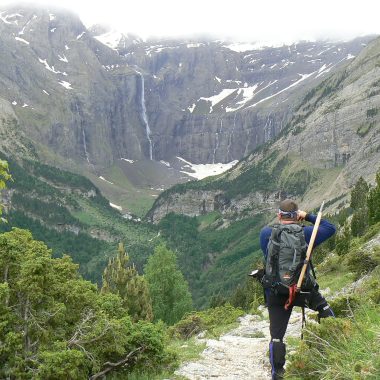
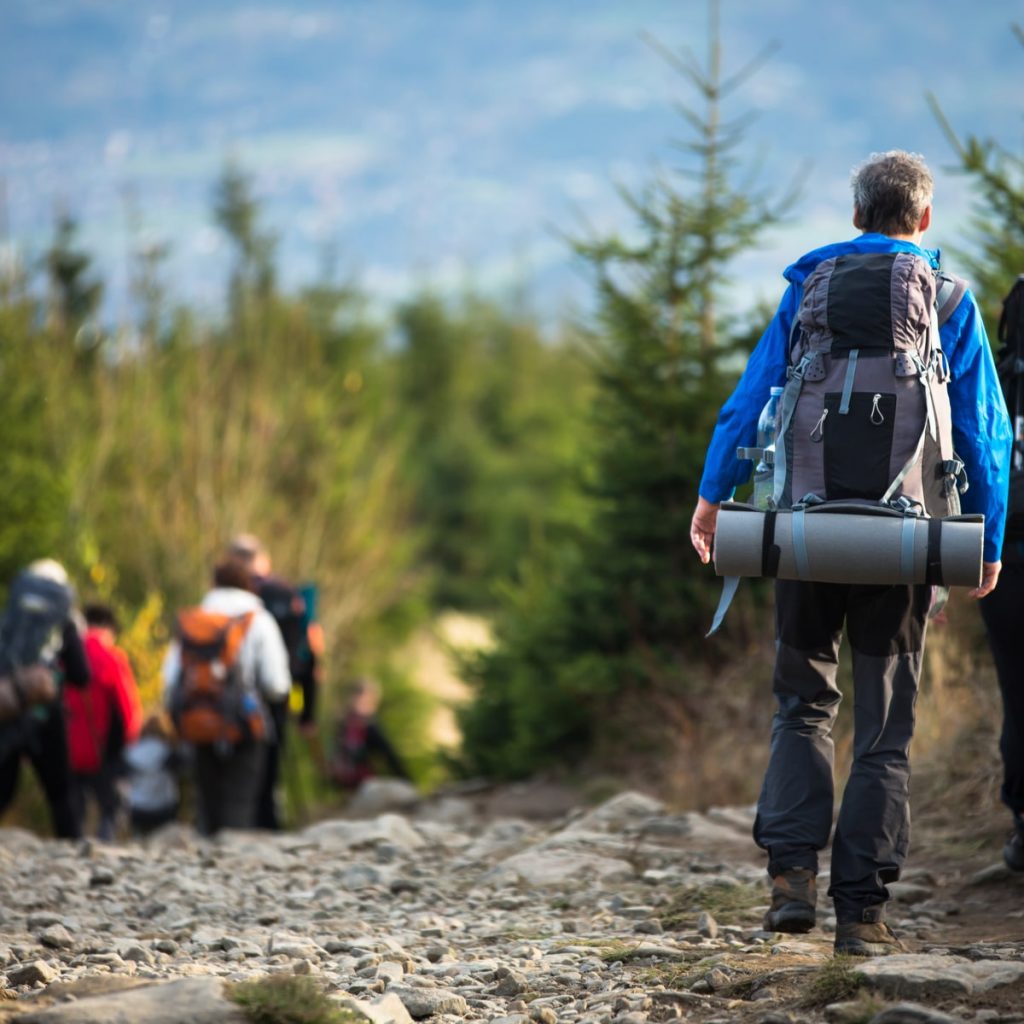
Hiking typically involves uneven terrains—from rocky trails to steep inclines—that naturally increase the difficulty and energy expenditure. Walking, on the other hand, is often performed on flat, even surfaces that require less effort.
Research indicates that hiking can burn approximately 430-480 calories per hour for a person weighing around 155 pounds, depending on the terrain and pace. Conversely, walking on flat ground at a moderate pace burns roughly 240-320 calories per hour.
Creative Insight: The variance in calorie expenditure demonstrates that hiking can be nearly double the calorie burn of walking in certain conditions, especially when tackle challenging terrains or steep inclines.
The Impact of Terrain and Elevation on Weight Loss
Terrain plays a crucial role in determining the workout’s effectiveness. Uphill hikes involve more muscular effort, engaging glutes, quadriceps, hamstrings, and calves more intensely compared to walking on level ground.
Elevation gain optimizes calorie expenditure because your body works against gravity. The steeper the incline, the more calories you burn per minute. Moreover, hiking on uneven terrain improves balance, stability, and coordination, adding a core challenge that enhances overall fitness.
Personal Analysis: If weight loss is your primary goal, integrating varied terrains and elevation into your hiking routine offers significant advantages over walking on flat surfaces.
Sustainable Intensity Levels for Long-Term Results
While high-intensity exercises burn more calories in shorter periods, sustainability is vital for long-term weight management. Walking, especially at a brisk pace, can be sustained for longer durations with less strain, making it an excellent option for beginners or those with joint issues.
Hiking might be more strenuous initially but can be scaled according to fitness levels by adjusting trail difficulty, duration, and pace. Combining moderate hiking sessions with interval walking can optimize calorie burn and promote steady weight loss over time.
Practical Advice: For sustainable weight loss, consider alternating between hiking challenges and steady walking routines, gradually increasing duration and intensity to prevent burnout and encourage consistency.
Anatomical and Muscular Benefits: How Hiking Outperforms Walking in Developing Strength and Endurance

Beyond calorie burning, understanding the physical benefits of hiking compared to walking reveals why it might be a superior activity for weight loss and overall fitness. The engagement of different muscle groups and the impact on skeletal health can significantly influence your choice.
Engagement of Muscles and Joint Health
Hiking engages a broader range of muscles due to varied terrains, slopes, and obstacles. The stabilizer muscles in your legs, hips, and core are activated continuously to maintain balance, especially on uneven surfaces. Conversely, walking predominantly targets the quadriceps, hamstrings, calves, and hip flexors in a more predictable gait.
This increased muscle engagement enhances tone, strength, and metabolic rate even at rest. Additionally, the weight-bearing nature of hiking improves bone density and joint health, reducing osteoporosis risks.
Thought-Provoking Analysis: While walking is gentler on joints, hiking’s varied movements promote better muscular balance and joint stability, crucial for maintaining a healthy, weight-loss-friendly body.
Cardiovascular and Muscular Endurance Development
Hiking’s dynamic environment builds cardiovascular endurance similarly or even more effectively than walking, due to the inclusion of uphill climbs and variable terrain. Regular hiking challenges your heart and lungs, expanding capacity over time.
The muscular endurance gained from continuously navigating hills, rocks, and uneven surfaces paralleled with aerobic activity significantly enhances overall stamina conducive to sustained physical activity essential for weight loss.
Flexibility and Balance Benefits
Hiking naturally incorporates balance and flexibility training, improving proprioception and reducing injury risk during other physical activities. The act of navigating over roots, rocks, or uneven patches demands coordination that can translate into better athletic performance.
Expert Tip: Incorporate balance exercises into your routine alongside hiking—like yoga or stability drills—to maximize physical gains and support your weight loss efforts.
How to Use the Knowledge: Practical Strategies and Tips for Effective Weight Loss Through Hiking and Walking

Applying this understanding effectively can optimize your weight loss journey. Whether you prefer hiking or walking, strategic planning and lifestyle integration are crucial.
Creating a Balanced Exercise Schedule
Schedule regular sessions of both activities, alternating between hiking on weekends or days with more time and walking on weekdays for consistency. Use a mix of terrains and intensities to keep workouts challenging yet manageable.
For instance, plan a mountain hike on Saturdays, focusing on elevation gain and challenging trail conditions, while during the week, incorporate brisk walking or power walking in your neighborhood or park.
Combining Hiking and Walking with Other Fitness Modalities
Complement hiking and walking with strength training, flexibility exercises, and core workouts. Building muscular strength supports weight loss by increasing basal metabolic rate, while flexibility improves movement efficiency.
Adding interval training—alternating between high and low effort—during your walks or hikes can boost calorie burn, stimulate fat loss, and prevent plateaus.
Monitoring Progress and Staying Motivated
Utilize fitness trackers to record steps, elevation gain, heart rate, and calories burned. Track your progress over weeks to observe improvements in stamina, strength, and weight reduction.
Set realistic goals—like hiking a specific trail or walking a certain distance each week—and celebrate milestones to stay motivated and committed.
Example: Suppose your goal is to lose 10 pounds; combining consistent hiking with mindful nutrition creates a synergy that accelerates your results more effectively than either activity alone.
| Aspect | Walking | Hiking |
|---|---|---|
| Average Calories/hour (155 lb person) | 240-320 | 430-480 |
| Terrain | Flat surfaces | Inclined, uneven terrain |
| Muscle Engagement | Moderate (legs, hips) | Extensive (legs, core, stabilizers) |
| Bone Density Impact | Moderate | High |
| Sustainability for Beginners | High | Moderate, depending on terrain |
FAQs: Common Questions About Hiking, Walking, and Weight Loss
1. Is hiking better than walking for weight loss?
Hiking can burn more calories due to terrain and elevation differences, especially on challenging trails, making it potentially more effective for weight loss, but walking offers sustainability and accessibility for daily routines.
2. Can walking or hiking help build muscle?
Yes, especially hiking, which engages stabilizer muscles and enhances muscular endurance and strength better than flat surface walking.
3. How can I maximize weight loss while hiking or walking?
Incorporate interval training, increase intensity gradually, and combine activities with a calorie-controlled diet for optimal results.
4. Are there joint considerations when choosing between hiking and walking?
Walking is gentler on joints, making it suitable for those with joint concerns. Hiking’s varied terrains strengthen bones and muscles but may require caution on difficult trails.
5. How often should I hike or walk to see results?
Aim for at least 150 minutes of moderate activity weekly, with more for significant weight loss goals—adjust based on your fitness level and schedule.
Conclusion
While both hiking and walking are excellent activities that promote weight loss, hiking offers several advantages due to its higher intensity, muscular engagement, and terrain variety. These factors contribute to increased calorie burn, improved bone density, and enhanced physical endurance, making it a compelling choice for those serious about shedding pounds and improving overall fitness. However, sustainability, personal preferences, and physical limitations should guide your activity selection. Combining the strengths of both—regular walking plus occasional outdoor hikes—can provide a balanced, enjoyable, and effective weight loss strategy. Ultimately, consistency, variety, and enjoyment are key to transforming activity into lifelong health benefits.