Are hiking and trekking shoes the same? This question arises frequently among outdoor enthusiasts eager to tackle the trails. While both types of footwear are designed to enhance performance during outdoor activities, each serves a distinct purpose. Understanding these differences can greatly impact your comfort and safety in the wilderness.
Understanding the Basics of Hiking and Trekking Shoes
In the world of outdoor adventure, the right footwear can make a significant difference. Before diving into the nuances, it’s essential to grasp the basic characteristics that differentiate hiking shoes from trekking shoes.
Hiking Shoes: Key Features
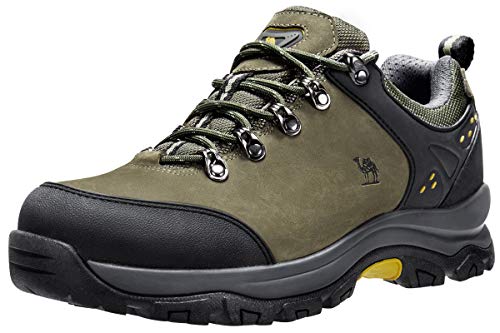
Hiking shoes are typically designed for day hikes and lighter trails. They offer flexibility, lightweight materials, and stable soles to ensure comfort and ease during short excursions.
- Lightweight Design Hiking shoes are primarily constructed from breathable materials, allowing for lightweight mobility. The idea is to minimize fatigue on shorter hikes.
- Ankle Support Most hiking shoes are low-cut, providing flexibility for moving quickly without excessive ankle support. This design is ideal for well-marked trails.
- Traction and Grip Hiking shoes come with rubber outsoles engineered for optimal grip on uneven terrain, providing traction where it is needed most without being overly aggressive.
- Breathability The materials used in hiking shoes include mesh and synthetic fabrics, which enhance ventilation and moisture-wicking capabilities. This feature is essential during summer hikes where temperatures can soar.
Trekking Shoes: Key Features
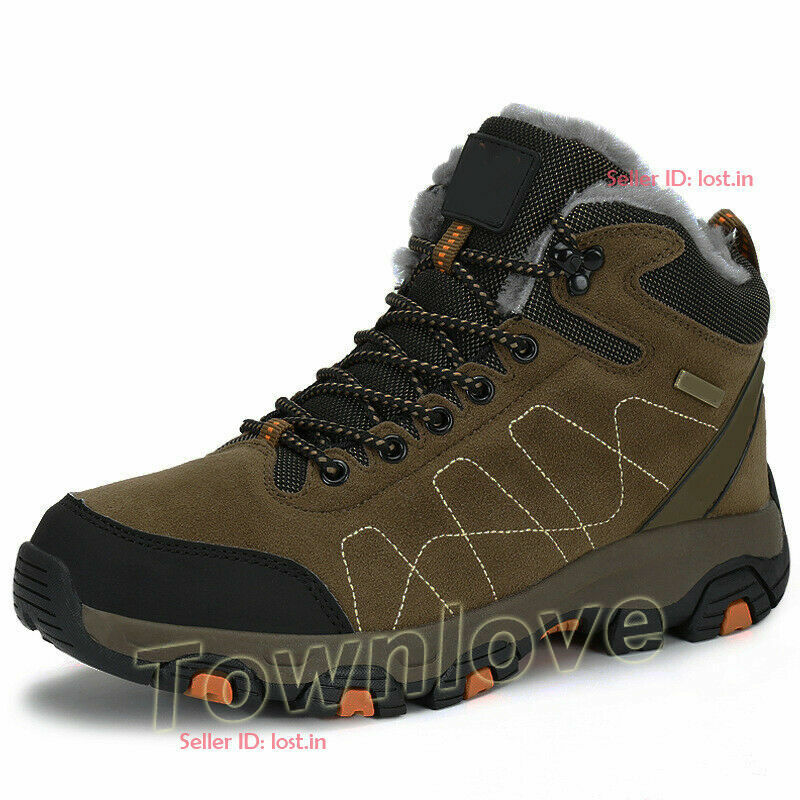
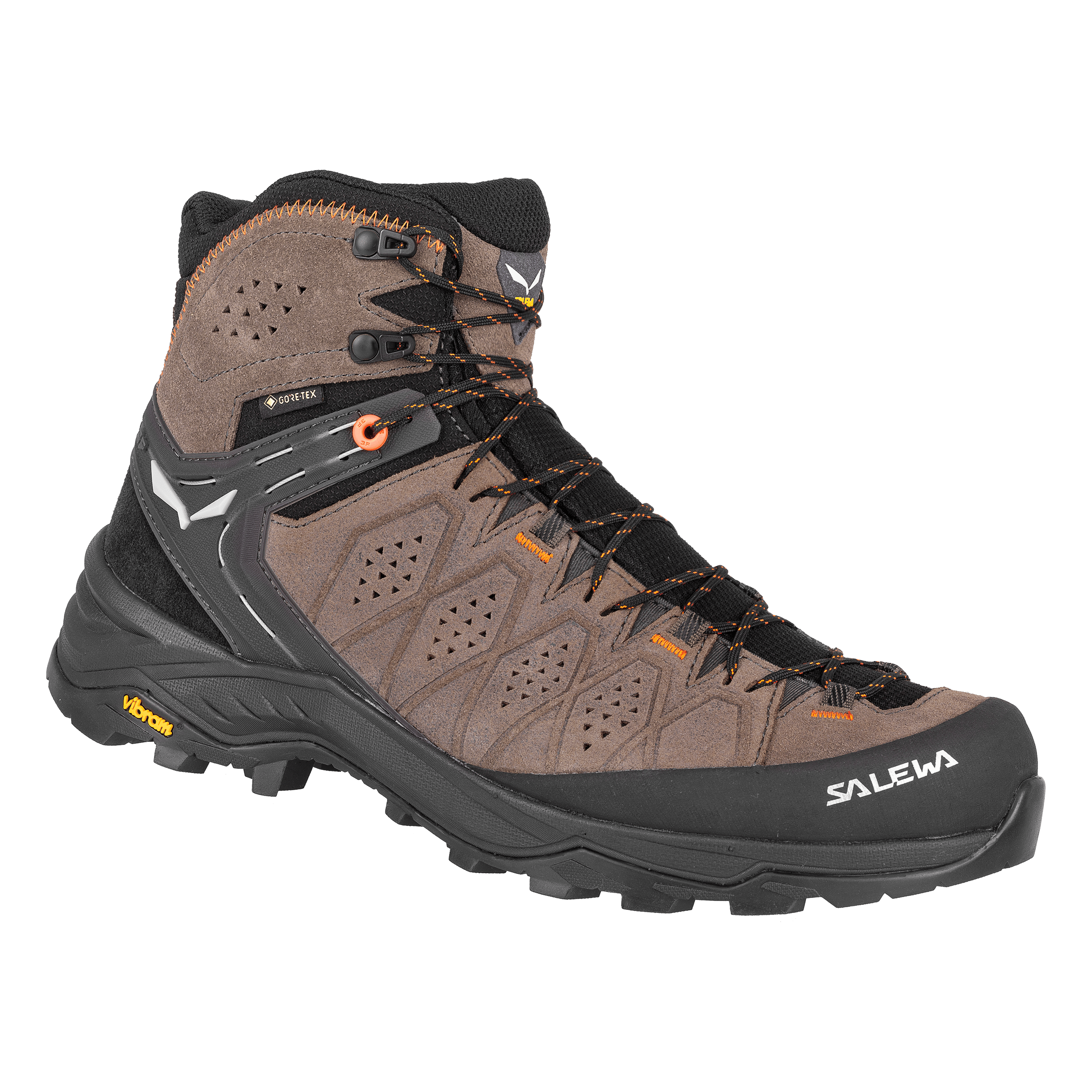
Trekking shoes are built to withstand more rugged conditions and extended periods of wear. They are designed for challenging terrains and long-distance hikes.
- Sturdiness and Support Trekking shoes feature a more robust construction for ankle support, often including a mid or high-top design. This support is crucial on rough trails where ankle injuries could occur.
- Durable Materials Constructed from thick leather or high-tech synthetic materials, trekking shoes are designed to endure harsh weather conditions and abrasive trails that you may encounter over long distances.
- Enhanced Cushioning Trekking shoes usually come with a supportive midsole that absorbs impact during prolonged walks, minimizing discomfort as you trek through rugged landscapes.
- Water Resistance Many trekking shoes come with water-resistant or waterproof properties, ensuring your feet stay dry in wet conditions — a crucial feature for longer hikes that might span various weather patterns.
The Functional Differences Between Hiking and Trekking Shoes

While understanding the characteristics of both hiking and trekking shoes is vital, appreciating how these traits translate into actual use is key to making an informed decision based on your specific needs.
Terrain Considerations
The intended use of the shoe heavily relies on the terrain.
- Typical Hiking Terrain Hiking shoes cater to well-maintained trails, city parks, and light gravel paths. If your adventure leads you through these areas, hiking shoes might be just the right fit.
- Trekking on Varied Terrain Trekking shoes are suited for rugged terrains, including rocky paths, steep inclines, and long-distance walks. If you are planning to tackle mountains or multimodal trails, opt for trekking footwear.
Duration and Distance
The nature of your hike or trek significantly influences which kind of shoe you should select.
- Short Day Hikes If you’re planning a quick day hike, a good pair of hiking shoes will serve you well. Their lightweight and flexible designs promote easy movement.
- Extended Backcountry Treks For longer durations, especially when you’re carrying a heavy backpack, trekking shoes are essential due to their durability and stability. They’ll give your feet the support they need over time.
Comfort and Fit
It’s not just about style; the fit and comfort of the shoes play a crucial role in your outdoor experience.
- Hiking Shoe Comfort With less rigid structures, hiking shoes provide comfort for shorter jaunts, allowing your feet to move more naturally.
- Trekking Shoe Comfort The additional structure and safety features of trekking shoes are necessary for thorough comfort on extended distances. You might need to break these shoes in before embarking on a long trek.
Choosing the Right Footwear: Best Practices
As you prepare for your adventure, it’s crucial to select the right footwear that matches your activities. Here’s how to approach your selection process while considering whether hiking and trekking shoes are the same.
Assess Your Outdoor Activities
Before shopping, it’s essential to evaluate the type of outdoor adventures you typically engage in.
- Day Hiking: If your adventures usually last just a few hours, lightweight hiking shoes are likely sufficient.
- Multi-Day Trekking: If you are embarking on longer journeys with various terrains and weather conditions, invest in quality trekking shoes.
Try Before You Buy
Once you’ve narrowed down on the type of shoes needed, it’s time to try them on.
- Size and Fit: Shoes should be snug, with enough room for your toes to wiggle. It’s advisable to try shoes in the afternoon or evening when your feet have expanded slightly.
- Take a Test Walk: If possible, take the shoes for a short test walk around the store or on a treadmill. Pay attention to any discomfort.
Don’t Compromise on Quality
Investing in good footwear is key.
- Materials Matter: Ensure you’re getting high-quality materials that offer durability, breathability, and weather resistance.
- Read Reviews: Research feedback from other consumers who have used the footwear for similar activities. Their insights can guide you towards the best choices.
Maintenance and Care
Proper care can significantly extend the lifespan of your hiking or trekking shoes.
- Clean and Store: Clean your shoes after every use and store them in a cool, dry place to maintain their integrity and functionality.
- Regular Inspection: Regularly inspect your shoes for signs of wear and tear. Replace them when necessary to ensure your safety.
Comparison Table: Hiking vs Trekking Shoes
| Feature | Hiking Shoes | Trekking Shoes |
|---|---|---|
| Weight | LightWeight | Heavier |
| Ankle Support | Low-cut | Mid/high-cut |
| Durability | Moderate | High |
| Cushioning | Basic | Advanced |
| Water Resistance | Often not included | Frequently included |
| Typical Use | Day hikes | Multi-day treks |
FAQs
What type of shoe should I wear for a day hike?
If you’re going for a day hike, lightweight hiking shoes are often sufficient. They provide the necessary traction and support without added weight.
Are trekking shoes suitable for everyday wear?
While trekking shoes are durable, their design is primarily focused on outdoor activities. They may not offer the same comfort and style as regular shoes for daily wear.
How do I break in my shoes before a long trek?
It’s advisable to wear your trekking shoes on shorter walks and around the house several times before embarking on a long trek to ensure they are adequately broken in.
Can I use hiking shoes for trekking?
While technically you can use hiking shoes for trekking, doing so on challenging terrains may compromise your safety and comfort. Trekking shoes provide necessary support that hiking shoes may lack.
How often should I replace my hiking or trekking shoes?
It is generally recommended to replace your hiking or trekking shoes every 300-500 miles of use, based on wear and tear and the shoe type, to ensure performance and safety.
Conclusion
In summation, while the question “Are hiking and trekking shoes the same?” might lead to some ambiguity, the truth is that these types of footwear cater to distinct needs and terrains. Understanding their differences allows outdoor enthusiasts to select the appropriate shoe for their adventures, ensuring comfort, safety, and enhanced performance on their journeys. The right footwear is an investment that pays off in an unforgettable outdoor experience.