Trekking is an exhilarating pursuit that combines physical endurance with breathtaking scenery and personal discovery. But one question often lingers in the minds of aspiring adventurers and seasoned hikers alike: how difficult is trekking? This article delves deep into the nuances of trekking difficulty, shedding light on what makes certain routes more challenging than others, and offering practical insights on how to navigate these adventures confidently.
Understanding the Complexity of Trekking – An Introduction to Trekking Difficulty Levels
Trekking is not a one-size-fits-all activity; it encompasses a wide spectrum of routes, terrains, and intensities. A gentle walk through a lush forest may be vastly different from a mountain ascent that demands high endurance and technical skill. To understand how difficult is trekking, it is essential to know the factors that influence the difficulty level of different routes.
Trekking difficulty is often categorized based on multiple parameters, including terrain, altitude, weather conditions, and individual fitness levels. For beginners, even short-distance walks on flat terrains might pose a challenge if they are unaccustomed to physical activity, whereas experienced trekkers can undertake lengthy mountain crossings with relative ease. The key to assessing difficulty lies in understanding these parameters and how they impact your journey.
Different organizations and trekking agencies use various grading systems to rate routes, but universally, routes are classified into easy, moderate, challenging, and strenuous categories. Knowing where a trek falls on this spectrum helps you prepare better, gauge your abilities, and set realistic expectations. For instance, easy treks usually involve gentle slopes and low altitudes, while strenuous ones demand higher endurance, technical skills, and acclimatization to altitude. Recognizing these distinctions is fundamental to answering how difficult is trekking for you and planning accordingly.
Factors Influencing Trekking Difficulty
- Terrain and trail conditions
- Altitude and oxygen levels
- Weather and seasonal variability
- Length and elevation gain
- Personal fitness and experience
These elements intertwine to form a comprehensive picture of the challenge you might face on any given trek. For some, climbing a moderate hill might be a walk in the park, whereas others may find the same trek physically taxing due to lack of preparation or health issues.
Terrain and Environment – How Nature Shapes Trekking Challenges
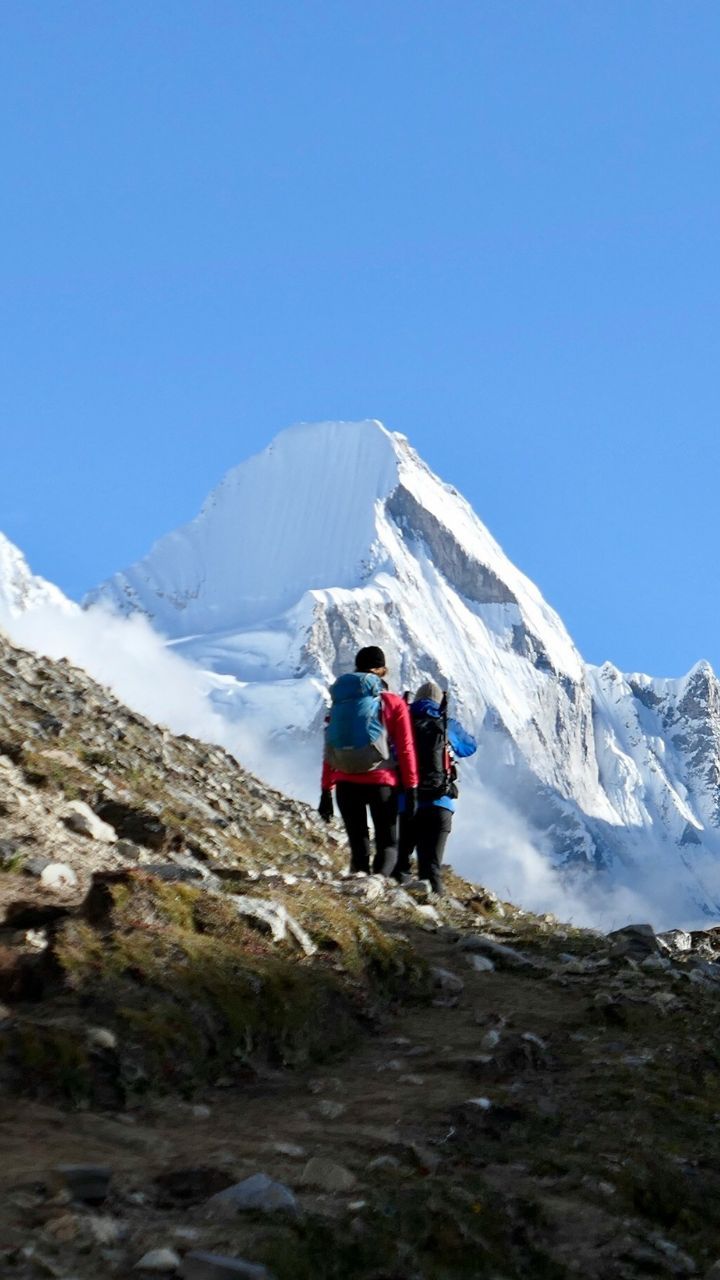
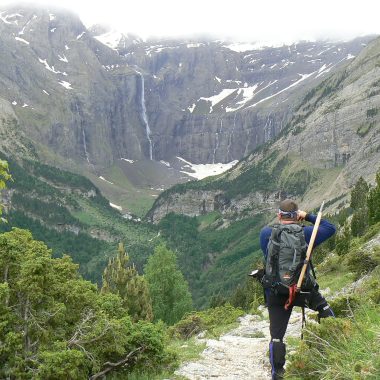
The landscape and environment significantly influence how difficult is trekking. Trekkers traverse a myriad of terrains, each presenting unique obstacles and requiring specific skills and gear. Understanding these terrain types allows aspiring trekkers to make informed decisions about their adventures and prepare accordingly.
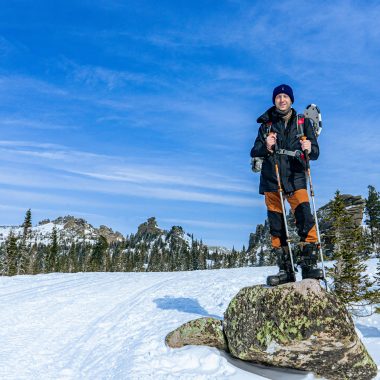
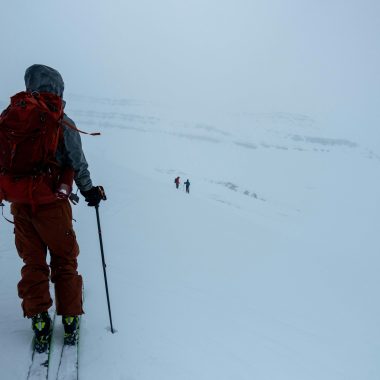
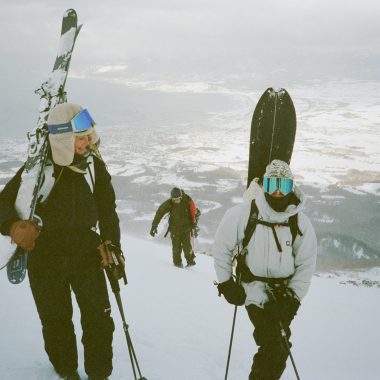
It’s crucial to recognize that not all terrains are created equal—some may be deceptively simple to navigate, while others pose serious hazards. For example, forest trails with well-maintained paths tend to be straightforward, requiring less technical skill. Conversely, crossing snowfields, scree slopes, or steep rocky climbs demands experience, specialized equipment, and heightened caution.
Environmental factors such as weather conditions further alter the terrain’s difficulty. A trail that is manageable during dry season may become treacherous when wet or icy. Muddy paths increase slipping risks, while loose gravel can cause falls. Recognizing these potential hazards helps trekkers adapt their strategies, whether by choosing suitable footwear, packing necessary gear, or adjusting itinerary plans.
Moreover, unique environments like high-altitude regions pose additional problems due to thin air and colder temperatures, making even moderate hikes feel exhausting. Understanding these environmental influences is key to correctly assessing how difficult is trekking in different settings and ensuring safety while enjoying the adventure.
Trail Types and Their Challenges
- Forest trails and jungle paths: often lush but may be slippery due to mud
- Mountain ascendings and rocky slopes: require technical skills and endurance
- Snowy and icy terrains: demand specialized gear like crampons and ice axes
- Desert landscapes and arid regions: pose dehydration risks and footing challenges
Each terrain type requires different preparations, making how difficult is trekking a highly variable question depending on the environment. Proper gear, skill level, and knowledge of the terrain are essential to tackling these challenges confidently.
Physical and Mental Endurance – The Bedrock of Trekking Difficulty

When considering how difficult is trekking, physical and mental endurance stand out as the most influential factors. Trekking can range from casual day hikes to rigorous multi-day expeditions, and the ability to sustain effort over time determines success and safety during these journeys.
Physical fitness, including cardiovascular stamina, muscular strength, and flexibility, directly impacts a trekker’s capacity to handle demanding routes. For instance, climbing high-altitude passes with heavy backpacks tests both endurance and strength. Inadequate preparation can lead to fatigue, reduced focus, and increased risk of injuries or altitude sickness.
Equally important is mental resilience—the capacity to persevere through fatigue, challenging weather, and unforeseen obstacles. Trekking often involves dealing with discomfort, uncertainty, and sometimes isolation. Those with a positive mindset are better equipped to adapt, problem-solve, and stay motivated even when conditions are tough.
Building endurance through regular training, such as hiking, running, or strength exercises, enhances your ability to handle more difficult treks. Moreover, mental preparedness—learning about the route, packing properly, and setting realistic goals—plays a crucial role. Trekking is as much a mental challenge as a physical one, and understanding how difficult is trekking for your personal levels helps tailor training and expectations effectively.
Strategies to Improve Endurance
- Cardiovascular training like running or cycling
- Strengthening core and leg muscles
- Practicing hiking with loaded backpacks
- Mental training through mindfulness and visualization
These approaches ensure that when faced with tough terrains or high altitudes, you are ready to meet the challenge head-on.
How to Approach and Use How Difficult is Trekking? in Preparation and Planning
Knowing how difficult is trekking is fundamental to successful planning. It guides your choice of routes, gear, training, and even travel companions. Whether you are a novice or an experienced trekker, evaluating difficulty helps set realistic expectations and ensures safety.
Using difficulty assessments effectively involves understanding the specific demands of your chosen trek. Research thoroughly—read trail reports, reviews, and consult experienced guides. Prepare your body accordingly, engaging in targeted fitness routines and practicing similar terrains if possible. It’s also wise to start with easier treks and gradually take on more challenging routes to build confidence and resilience.
Assess your own fitness level honestly. If you’re new to hiking, consider embarking on shorter, moderate treks before tackling strenuous routes. For seasoned trekkers, understanding your limits helps avoid overexertion or risky situations. Remember, how difficult is trekking depends not only on the route but on individual preparedness and adaptability.
Incorporate safety measures such as carrying adequate supplies, informing someone about your itinerary, and knowing emergency procedures. Use this question as a guideline for crafting an itinerary tailored to your skills, health, and interests. With proper assessment and preparation, you can transform trekking from an intimidating challenge into a rewarding adventure.
Practical Tips for Using Difficulty Assessments
- Choose routes matching your fitness and experience
- Train specifically for the terrain and altitude
- Pack appropriate gear for the expected conditions
- Plan for contingency measures and emergency support
By understanding how difficult is trekking for you and preparing accordingly, you can elevate your adventure, enjoy the journey, and return with stories of triumph.
FAQs: Answering Common Questions About Trekking Difficulty
What makes trekking more difficult than regular hiking?
Trekking typically involves multi-day journeys over challenging terrains, often with higher altitudes, unpredictable weather, and limited facilities. The extended duration and remote settings demand higher endurance and self-sufficiency, making it more difficult than casual day hikes.
Can beginners handle difficult treks?
Beginners can undertake challenging treks if they prepare adequately, train beforehand, and start with less demanding routes. It’s essential to assess personal fitness and gradually progress toward more difficult trails to avoid injury or exhaustion.
How do I know if a trek suits my fitness level?
Research the route’s distance, elevation gain, terrain, and weather conditions. Be honest about your physical capacity and experience. Consulting with guides or experienced trekkers can provide valuable insights into whether a trek is suitable for you.
What gear is necessary for difficult treks?
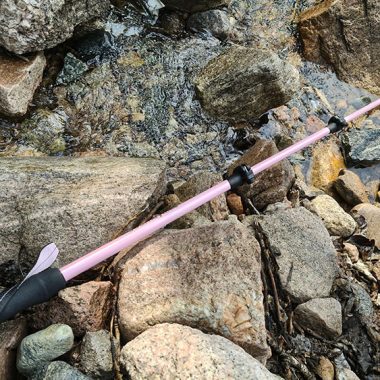
Key gear includes sturdy hiking boots, weather-appropriate clothing, a reliable backpack, navigation tools, first aid kit, sufficient food and water, and specialized equipment like trekking poles or crampons depending on terrain.
How can I prepare physically for challenging treks?
Engage in cardio exercises such as running or cycling, strength training for legs and core, and practice hikes with weight to simulate real conditions. Mental preparation is equally important—set realistic goals and learn about the route to build confidence.
Conclusion
Understanding how difficult is trekking encompasses multiple dimensions—terrain, environmental factors, individual fitness, and mental resilience. The challenge lies not solely in the physical demands but also in preparation, experience, and adaptability. Trekkers of all levels can tackle diverse routes by assessing their skills realistically, training appropriately, and choosing suitable trails. Ultimately, with the right mindset and preparation, trekking transforms from an intimidating ordeal into a rewarding journey into nature and self-discovery.