What is the hardest grade hike? This question often intrigues seasoned hikers and adventure enthusiasts alike, as they seek to understand the most demanding terrains the world has to offer. From steep inclines and technical traverses to dangerous exposure and unpredictable weather, the hardest grade hikes challenge even the most experienced explorers. In this comprehensive article, we will delve into the intricacies of hiking grades, explore some of the world’s most formidable trails, and provide insights on how to navigate and prepare for these epic journeys.
Decoding Hiking Grades – The System of Assessing Trail Difficulties and Their Significance
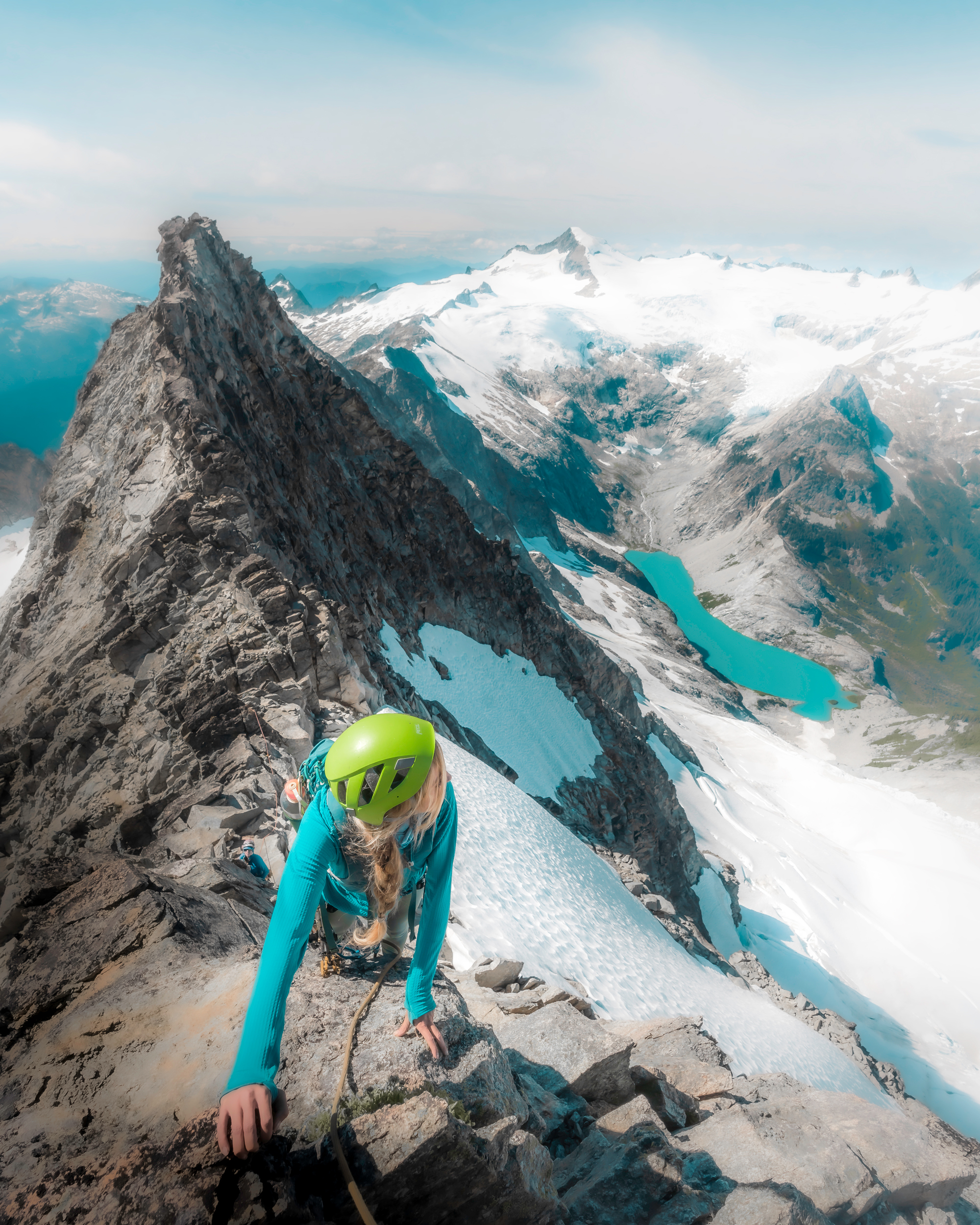
Hiking grades serve as a crucial guideline in understanding the difficulty level of various trails around the globe. Whether you’re a casual hiker or a seasoned mountaineer, grasping what each grade entails helps you choose suitable routes and ensures safety during your adventures. The grading system varies depending on the country, terrain, and organization, but most share common factors such as technical difficulty, elevation change, trail conditions, and exposure risks.
Understanding the grading system is essential before embarking on a hike that might be considered among the hardest. It enables hikers to evaluate their skills, equipment requirements, and physical fitness levels relative to the trail’s challenges. Many professional trail organizations and outdoor clubs have established standardized systems, such as the Yosemite Decimal System in North America or the grading systems used in the European Alps, each designed to communicate the complexity and risks involved.
In the context of answering “what is the hardest grade hike?”, we must explore how these grades escalate from easy strolls to extreme, technically demanding ascents that test every fiber of the hiker’s endurance and skill. The alpine, rock, and glacier terrain, coupled with exposure and environmental hazards, contribute significantly to a trail’s overall grade, often elevating it into what many consider the most challenging hiking experiences on Earth. Recognizing these grading nuances enhances safety and appreciation for trail difficulty, making it a vital component for adventure planners and enthusiasts.
The World’s Most Challenging Trails – An Overview of Extreme Hiking Routes

Embarking on a trail deemed as what is the hardest grade hike? means venturing into terrain that pushes the limits of human endurance and technical skill. Across the globe, there are several renowned trails considered among the most difficult, each with its unique characteristics and hazards. These routes serve as benchmarks for elite hikers and are often cited as the ultimate test of physical and mental fortitude.
These extreme hikes typically traverse rugged, remote, and unpredictable landscapes—think of perilous mountain ridges, icy glacier crossings, and steep rock face traverses. They require specialized equipment, expert navigation skills, and unwavering determination. Some trails are notorious for their exposure, where a misstep can lead to life-threatening falls, while others involve high-altitude ascent with the risk of altitude sickness.
In exploring what is the hardest grade hike?, examples such as the Mount Huashan Plank Walk in China, the Dolomites’ via ferratas in Italy, and the alpine route of the Torres del Paine in Chile showcase trails that combine technical difficulty with breathtaking beauty. Each of these routes challenges even the most seasoned hikers, questioning their limits and inspiring awe. These paths are not merely about physical stamina but also about mental resilience, patience, and preparedness against Nature’s unpredictability.
How to Prepare for the Most Difficult Hiking Trails – Strategies, Equipment, and Mindset
Preparing for what is the hardest grade hike involves meticulous planning, specialized equipment, and the right mindset. Trail difficulty, especially at the highest levels, can be unforgiving, and being underprepared can lead to dangerous situations. From training physically to acquiring the necessary technical gear, every aspect of preparation contributes to a safer, more enjoyable experience.
Physical conditioning is paramount. Hikers aiming for challenging routes should focus on building endurance, strength, and flexibility. Cardiovascular workouts, core training, and hiking practice on comparable terrains help simulate trail conditions. Furthermore, mental preparedness — including prioritizing safety, patience, and adaptability — is essential, as extreme hikes often require problem-solving in adverse environments.
Proper gear selection tackles the technical demands of these trails. Climbing harnesses, crampons, ice axes, helmet, and sturdy boots are often necessary. It’s also vital to carry navigational tools like GPS devices, maps, and compasses, along with emergency supplies, including first aid kits and communication devices. Having a knowledgeable guide or joining an experienced group can greatly elevate safety and confidence when tackling such trails.
Lastly, understanding the terrain and weather patterns, studying trail reports, and knowing your personal limits are critical. Guides, hiking courses, and mentorship with seasoned adventurers can provide invaluable insights that help you approach these trails with the respect they deserve. By combining physical readiness, proper gear, and mental resilience, you can effectively prepare for what is the hardest grade hike?, transforming it from an intimidating challenge to an awe-inspiring success.
FAQs about the Hardest Grade Hikes – Clarifying Common Questions
What makes a hike qualify as the hardest grade?
A hike qualifies as the hardest grade based on its technical difficulty, exposure level, altitude, and environmental hazards. Trails with steep ascents, dangerous terrains, and remote locations tend to fall into this category, demanding advanced skills and physical fitness from hikers.
Are there trails universally considered the hardest in the world?
While opinions vary, certain trails like the Mount Huashan Plank Walk, the Eiger Trail’s Via Ferrata, or the Kungsleden Ice Wall are frequently cited due to their hazardous nature. The designation depends largely on individual skill levels, environmental conditions, and personal experience.
How can beginners approach such challenging hikes safely?
Beginners should focus on gradual skill-building, start with less demanding trails, and accumulate experience over time. Consulting with professional guides and investing in proper gear is also essential. It’s wise to recognize personal limits and never underestimate the risks involved.
What gear is essential for tackling the most difficult trails?
Core gear includes sturdy hiking boots, weather-appropriate clothing, navigation aids, safety harnesses, helmets, crampons, and technical climbing equipment. Carrying sufficient food, water, a first aid kit, and communication devices is equally critical for preparedness.
Can the hardest grade hikes be dangerous or deadly?
Absolutely. These trails often involve high risks such as falls, avalanches, crevasses, and severe weather. Proper training, preparation, and respect for nature’s power are vital to mitigate these dangers and ensure safety.
Conclusion
Understanding what is the hardest grade hike involves exploring the complexities of trail difficulty, recognizing some of the most extreme routes worldwide, and preparing thoroughly for such adventures. These hikes demand exceptional physical fitness, technical skill, mental resilience, and respect for nature’s unpredictability. While they are undeniably challenging and potentially perilous, they also offer unparalleled rewards—breathtaking views, a profound sense of achievement, and an unforgettable connection with the wilderness. As enthusiasts consider venturing into these demanding terrains, knowledge, preparation, and prudence become the compass guiding them safely through their most ambitious hikes.
This comprehensive exploration of the hardest grade hikes aims to inform and inspire adventurers to appreciate the complexities involved, encouraging safe and responsible outdoor exploration.