Trekking, a popular outdoor activity, is often accompanied by questions about its difficulty. How difficult is trekking? This article delves into the nuances of trekking, the factors affecting its difficulty, and provides insights and tips for potential trekkers.
Understanding Trekking Difficulty
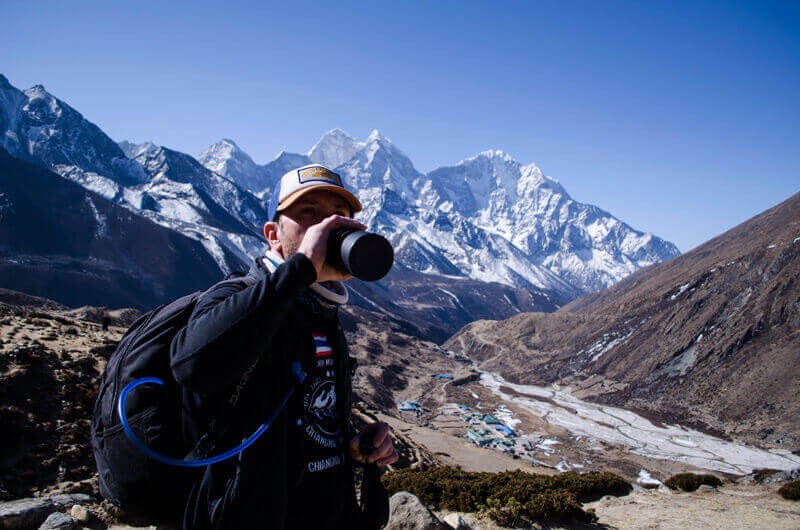
Trekking is often associated with scenic landscapes, adventure, and exploration. However, it can also present considerable challenges. To comprehend how difficult trekking can be, it’s vital to analyze various factors that contribute to this assessment.
Physical Fitness Levels
Before embarking on a trek, assessing your physical fitness is crucial. Physical fitness directly influences your trekking capability.
Cardiovascular Health
A healthy heart and lungs are paramount in trekking. Good cardiovascular fitness helps manage endurance, which is essential during challenging terrains.
- For beginners, incorporating cardio workouts like running or cycling can significantly enhance endurance.
- Advanced trekkers should focus on maintaining peak cardiovascular fitness through consistent training.
Strength and Flexibility
Strength training and flexibility play vital roles in reducing the risk of injuries and enhancing overall trekking performance.
- Focus on core strength and leg muscles, as they provide stability and power.
- Engage in yoga or stretching routines to improve flexibility, which aids in navigating uneven terrain.
Terrain Types and Conditions
Not all trekking experiences are created equal. Different terrains present varying levels of difficulty.
Mountain Trails
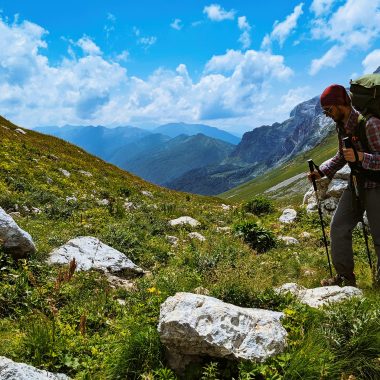
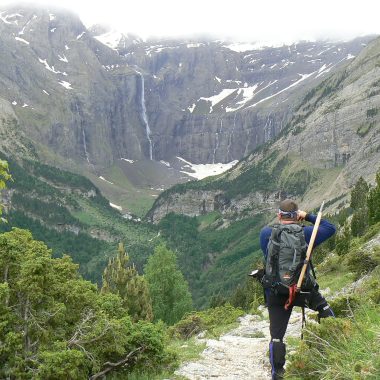
High-altitude treks often challenge even the most seasoned trekkers due to steep inclines and altitude sickness.
- Proper acclimatization is crucial to mitigate altitude-related issues.
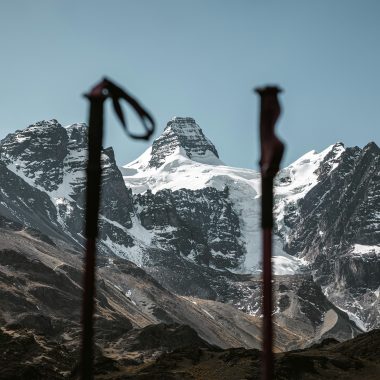
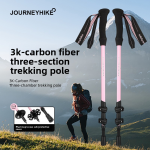
- Employing trekking poles can help distribute weight and maintain balance.
Forest or Jungle Paths
Trekking through forested areas can pose challenges such as slippery mud, insects, and dense vegetation.
- Pack appropriate footwear with grips designed for slippery conditions.
- Consider using insect repellent to avoid discomfort from bug bites.
Weather Conditions
Weather plays a crucial role in determining trekking difficulty. Sudden changes can drastically impact safety and navigation.
Rain and Snow
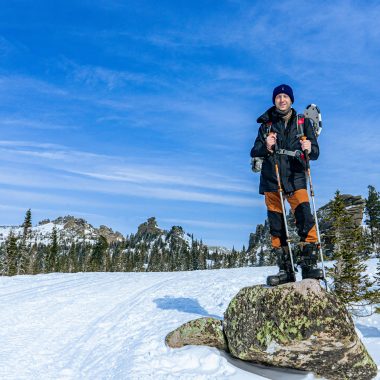
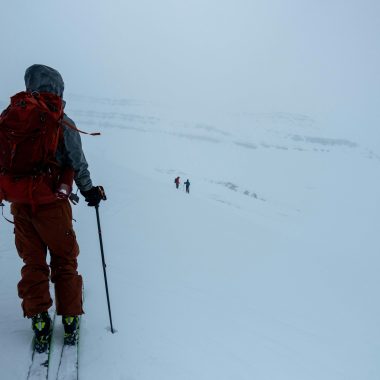
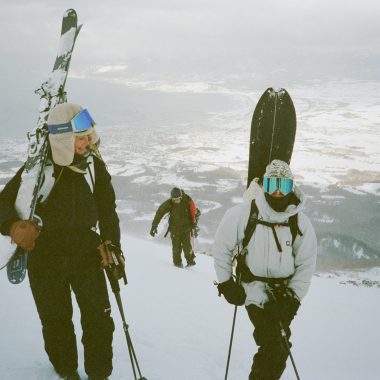
Wet conditions can turn easy paths into treacherous ones. Snow adds an additional layer of complexity, often hiding underlying hazards.
- Wear waterproof gear and carry an extra set of clothes.
- Learning to use snowshoes or crampons can help navigate snowy terrains safely.
Extreme Temperatures
Whether extreme heat or cold, temperature extremes can lead to dehydration and hypothermia.
- Carry sufficient water and hydration packs for hot treks.
- For colder conditions, layered clothing is essential to manage body temperature effectively.
Tips for Evaluating Your Trek Difficulty
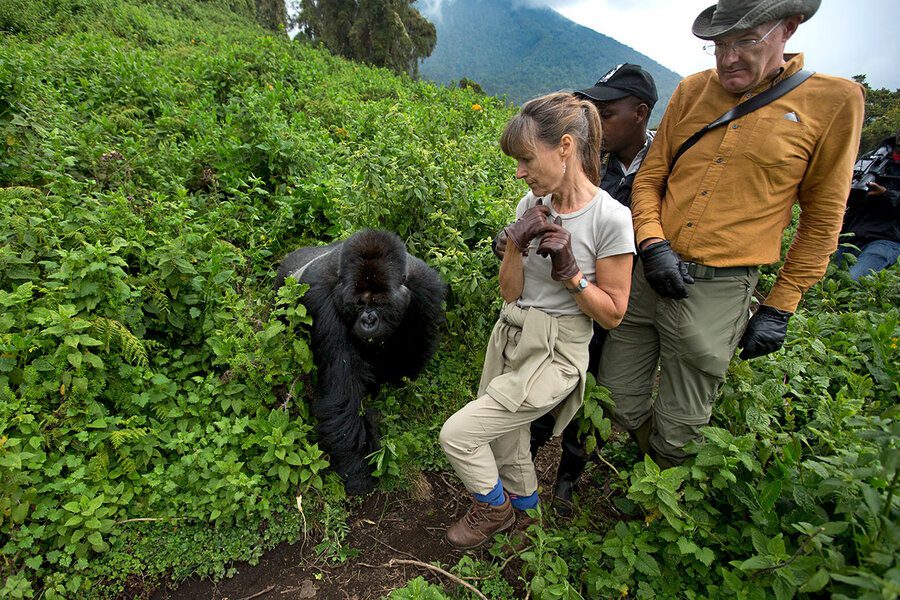
Understanding one’s limitations and preparing adequately is essential for an enjoyable trekking experience. Here are some tips to consider:
Researching the Trekking Route
Before beginning your trek, thorough research is vital.
Online Resources and Guidebooks
Consult reputable sources for detailed information on your selected route, including difficulty ratings and safety tips.
- Websites and blogs often include personal accounts that provide insights beyond mere statistics.
- Guidebooks can offer well-researched advice on terrain-specific challenges.
Local Experience
Engage with local trekking communities or guides who have firsthand knowledge of the routes.
- Experienced guides can offer practical tips and help you gauge your readiness.
- Learning from others’ experiences can help prevent common mistakes.
Preparing Your Gear
Choosing the right gear can significantly affect the difficulty of your trek.
Footwear
Investing in quality trekking shoes is key as they support and stabilize your feet.
- Look for shoes with a good grip, water resistance, and comfort during long walks.
- Break in your shoes before long treks to avoid blisters.
Navigation and Safety Tools
Technology can enhance trekking experiences but having traditional tools is equally essential.
- Carry a compass and map, even if using GPS devices, as backups.
- Personal locator beacons can provide extra safety in remote areas.
Training and Acclimatizing Before Trekking
Take time to prepare your body and mind for the trek. Conditioning can make a significant difference in your experience.
Strength Training
Incorporate strength-building exercises into your routine. Focus on legs, core, and back muscles needed for uphill traversing.
- Engage in activities like squats, lunges, and deadlifts to enhance muscle strength.
Practice Hikes
Consider undertaking practice hikes on similar terrains before your main trek.
- It will not only improve physical fitness but also allow you to assess what to expect.
- Gradually increase the distance and complexity of the hikes to build confidence and skill.
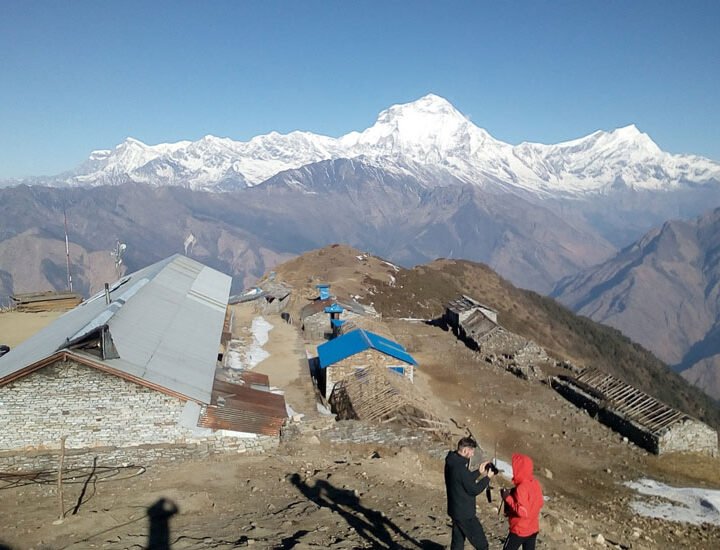
Table: Trekking Difficulty Grade Comparison
| Trekking Difficulty Level | Description | Recommended Experience Level |
|---|---|---|
| Easy | Well-marked, flat paths, suitable for beginners | No prior experience needed |
| Moderate | Some elevation changes, may have varied terrain | Basic fitness and some hiking experience |
| Difficult | Steeper terrain, unpredictable weather, long duration | Good physical condition and experience |
| Very Difficult | Challenging elevation, technical skills required | Advanced skills and training |
| Extreme | High altitude, extreme weather, need for climbing | Expert level experience only |
FAQs about Trekking Difficulty
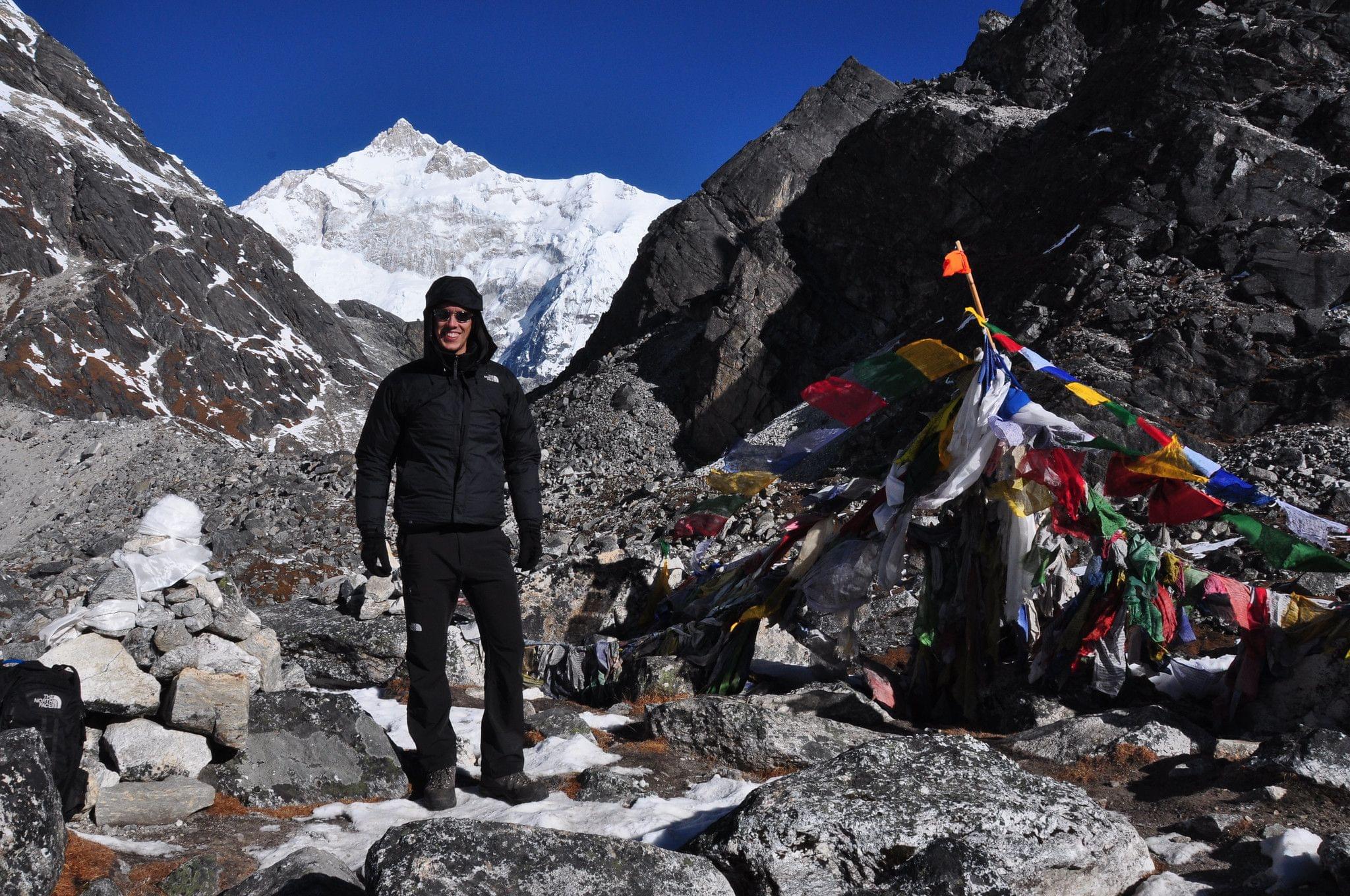
What is the most challenging type of trek?
The most challenging kind of trek is typically high-altitude or extreme weather treks that require technical skills. These treks pose various risks related to elevation, climate, and other natural elements.
How can I prepare physically for a trek?
Physical preparation involves building cardiovascular endurance, strength, and flexibility through targeted exercises like hiking, running, cycling, or strength training workouts.
Are there medical considerations I should take before trekking?
Individuals with underlying health conditions should consult healthcare professionals before undertaking strenuous treks. Moreover, altitude sickness can affect anyone, so learning about its symptoms is crucial.
What should I pack for a challenging trek?
It’s advisable to pack lightweight, waterproof clothing, proper footwear, food, water, a first-aid kit, navigation tools, and gear suited for the weather condition.
Can beginners trek challenging routes?
While some beginners may attempt challenging treks, it’s vital to assess personal physical capabilities, train rigorously, and ideally go with an experienced group or guide.
Conclusion
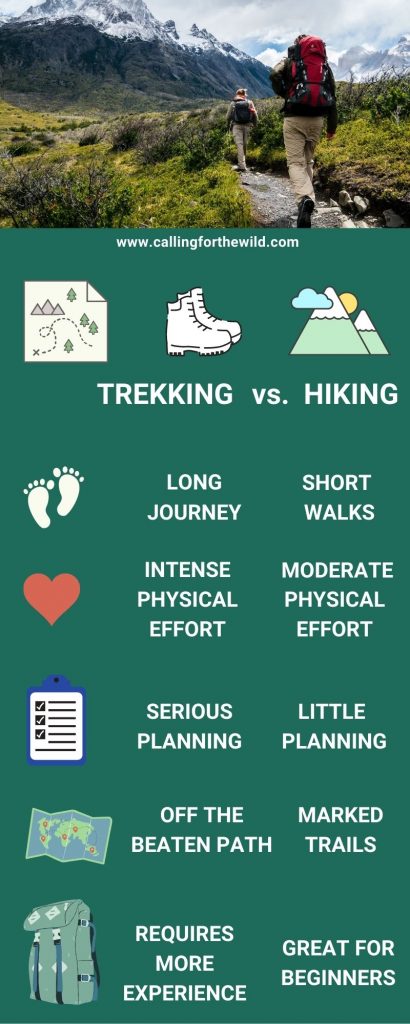
Trekking can be as challenging as it is rewarding, filled with breathtaking vistas and the satisfaction of overcoming physical and mental hurdles. Understanding how difficult trekking can be requires an acknowledgment of various factors, including personal fitness, terrain types, weather, and proper preparation. With thorough research, appropriate gear, and a commitment to physical conditioning, anyone can embrace the challenges of trekking and savor the adventure that lies ahead.