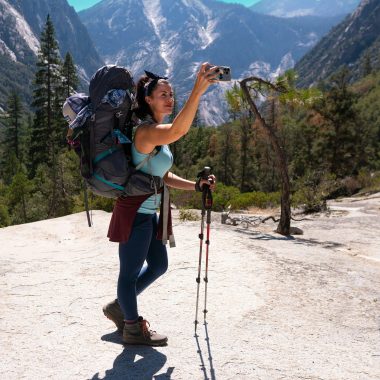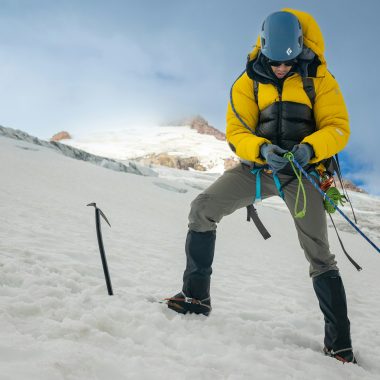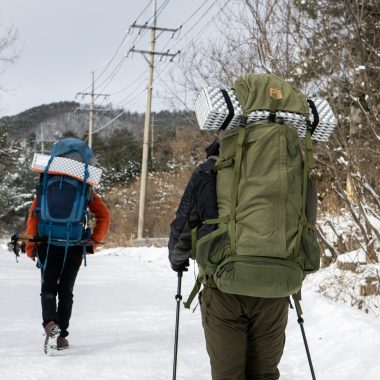
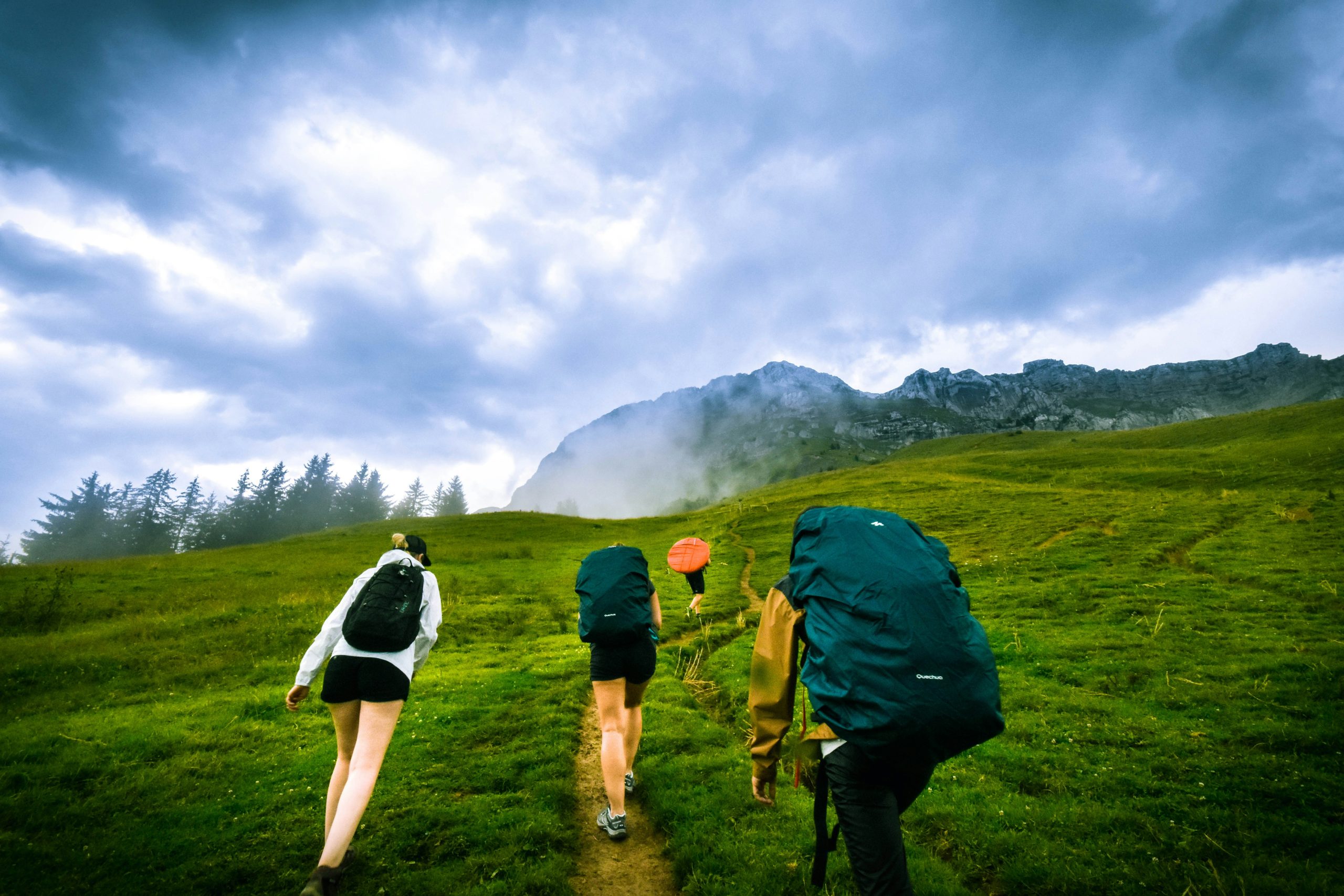
Modern trekking demands a smart approach to your gear. The classic list of Ten Essentials from the 1930s has transformed. Today’s equipment blends high functionality with lightweight designs for better performance.
Your success on the trail depends on choosing the right tools. These selections must match your specific adventure, including terrain difficulty and weather. A one-size-fits-all kit no longer works for diverse hiking conditions.
FiTiFT provides high-quality outdoor sports gear to meet these modern needs. Our curated selection helps every trekking enthusiast prepare effectively. We focus on reliable products that enhance safety and comfort.
This guide explores crucial gear, from lighting to sleeping systems. Our recommendations come from real-world testing and experience. You will find practical advice for making informed purchasing decisions.
Key Takeaways
- Trekking gear has evolved significantly from the original Ten Essentials.
- Selecting the right equipment depends on your specific trail and conditions.
- Modern gear prioritizes a balance of functionality and lightweight design.
- FiTiFT offers a curated selection of high-quality outdoor sports equipment.
- Proper preparation with the correct items is crucial for a safe and enjoyable hike.
- This guide provides tested recommendations for various trekking needs.
Introduction to Trekking Essentials
When venturing into the wilderness, the quality of your outdoor gear becomes your most trusted companion. FiTiFT delivers comprehensive equipment designed for diverse outdoor challenges.
Overview of FiTiFT’s Quality Outdoor Sports Gear
Our selection spans critical categories for successful adventures. From illumination tools to sleeping systems, each product undergoes rigorous testing.
FiTiFT’s equipment adapts to various hiking environments. Whether tackling day trips or multi-day expeditions, our gear provides consistent performance.
| Trekking Scenario | Key Gear Considerations | FiTiFT Solutions |
|---|---|---|
| Day Hikes | Lightweight, compact essentials | EDC flashlights, compact poles |
| Multi-Day Expeditions | Durability, weather resistance | All-season sleeping bags, stoves |
| Variable Conditions | Versatility, quick adaptation | Multifunctional tools, layered systems |
Why Reliable Gear Matters for Every Trek
Equipment failure during critical moments can transform adventure into adversity. Backpacks, footwear, and safety tools demand uncompromised reliability.
My FiTiFT sleeping bag has weathered countless storms over seven years without compromising warmth or comfort.
Investing in durable equipment pays dividends over time. Quality gear withstands years of use while budget alternatives often falter.
Proper selection directly impacts safety and enjoyment. The right tools enhance performance across changing terrain and weather conditions.
Which item is essential for trekking?
Rather than searching for one magic piece of gear, smart hikers build comprehensive systems tailored to their specific needs. Successful outdoor experiences depend on creating a balanced equipment collection where each component supports the others.
Key Factors to Consider When Choosing Trekking Gear
Your trip duration significantly impacts gear selection. Day hikes require lightweight, compact equipment. Multi-day expeditions demand more durable, weather-resistant options.
Trail difficulty and weather forecasts dictate your equipment choices. Steep terrain needs sturdy footwear and stability aids. Changing conditions require versatile gear that adapts quickly.
Personal experience level shapes your equipment needs. Beginners often benefit from more supportive gear. Seasoned trekkers might prefer minimalist setups.
Balance weight against functionality. Ultralight equipment isn’t always the best way if it compromises safety or durability. Test everything before long trips to ensure proper fit and performance.
Seasonal considerations dramatically change gear requirements. Summer hiking demands different things than winter expeditions. Evaluate equipment based on material quality and real-world testing data.
Flashlights to Light Up Your Trek
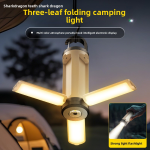
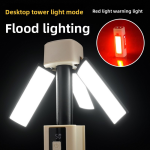
Proper illumination transforms night hiking from hazardous to manageable, making reliable lighting non-negotiable equipment. A quality headlamp provides hands-free operation while navigating tricky terrain after dark.
Multifunctional High-Intensity Flashlight (BicycleRack+USB+Box) – Orange
FiTiFT’s versatile flashlight offers multiple mounting options, including a bicycle rack attachment. The USB charging capability eliminates single-use battery waste. Its protective storage case ensures safe transport during any hiking adventure.
This high-intensity model delivers exceptional brightness for trail visibility. The orange color enhances visibility if dropped during an emergency situation.
EDC Flashlight (USB+Box) – Red
The compact EDC (Everyday Carry) flashlight fits easily in any pack pocket. USB rechargeability makes it ideal for extended trips. Many experienced hikers prefer a reliable headlamp for primary lighting but carry this as backup.
Always pack spare power sources. A secondary light source or extra battery provides critical redundancy. This preparation ensures safety when hiking routes take longer than expected.
Modern lighting technology offers significant advantages over traditional models. USB-rechargeable systems reduce environmental impact. They also allow charging from portable power banks during multi-day excursions. A hands-free headlamp proves invaluable for setting up camp after sunset.
All-Season Sleeping Bags: Stay Warm and Cozy
A restorative night’s sleep in the backcountry begins with proper thermal protection. Your sleeping system maintains core temperature during rest periods. This directly impacts energy levels for next-day activities.
FiTiFT’s all-season options provide versatile solutions for various conditions. They eliminate the need for multiple specialized bags. This approach offers better value for regular backpacking enthusiasts.
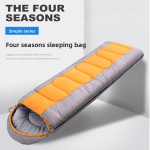
Orange Gray Sleeping Bag – Lightweight and Reliable (2.2kg)
This 2.2kg sleeping bag delivers exceptional warmth without bulk. Its advanced insulation maintains loft across temperature fluctuations. The orange gray color provides high visibility around camp.
Proper storage preserves the bag’s insulating properties. Always use the included compression sack for efficient packing. This maximizes space in your backpack during multi-day hiking trips.
Blue Gray Sleeping Bag – Comfort and Versatility (2.2kg)
Weighing just 2.2kg, this model emphasizes comfort during extended use. The blue gray design appeals to those preferring subtle colors. It performs reliably across three-season conditions.
Temperature ratings work with proper sleeping layers and pads. Personal metabolism affects actual warmth experienced. Always test your setup before extended backpacking adventures.
“My FiTiFT sleeping bag has weathered countless storms over seven years without compromising warmth or comfort.”
Invest in quality that withstands years of outdoor use. Proper care extends your equipment’s lifespan significantly. This ensures reliable performance trip after trip.
Trekking Poles: Your Stability Companion
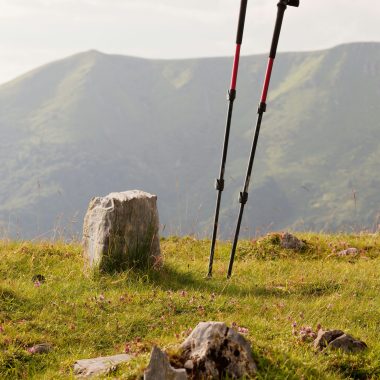
Navigating uneven terrain requires reliable support that trekking poles expertly provide. These tools transform your upper body into an active stability system. They distribute weight effectively across four contact points instead of two.
Many experienced backpack enthusiasts initially resist using poles. After trying them, most consider these tools indispensable equipment. Proper technique maximizes their benefits during long-distance hiking adventures.
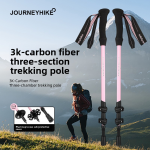
3K Carbon Fiber Trekking Poles for Enhanced Support (2-Pack)
FiTiFT’s 3K carbon fiber poles offer exceptional strength without added weight. The two-pack configuration ensures you have balanced support for any trail. These poles withstand rigorous use across multiple seasons.
Carbon fiber construction provides superior vibration damping compared to aluminum alternatives. This reduces arm fatigue during extended hiking sessions. The material’s natural flexibility absorbs shock from uneven surfaces.
Benefits of Carbon Fiber Construction
Carbon fiber delivers an outstanding strength-to-weight ratio that aluminum cannot match. This lightweight durability makes carrying poles less burdensome over miles. The material resists bending under stress better than traditional options.
These poles reduce impact forces on knees and ankles by up to 25%. This protection proves particularly valuable during steep descents. The reduction in joint stress allows for more comfortable multi-day trips.
| Feature | Carbon Fiber Poles | Aluminum Poles |
|---|---|---|
| Weight | Ultra-light (approx. 170g each) | Heavier by 30-40% |
| Shock Absorption | Excellent vibration damping | Moderate vibration transfer |
| Durability | High resistance to bending | Can bend under extreme stress |
| Longevity | Maintains integrity for years | May fatigue over time |
Beyond stability, trekking poles serve multiple functions on the trail. They test ground stability before stepping on questionable surfaces. Photographers use them as makeshift monopods for steady shots.
Proper adjustment ensures optimal performance during your hiking excursions. The correct length changes based on terrain difficulty and personal height. Wrist straps should feel secure without restricting blood flow.
Fire and Cooking Solutions for the Outdoors
A hot meal does more than satisfy hunger on the trail; it boosts morale and replenishes energy for the journey ahead. Reliable cooking gear transforms basic ingredients into vital sustenance. This system is crucial for multi-day hiking adventures.
Stainless Steel Wood Stove – Multifunctional and Smokeless
FiTiFT’s Stainless Steel Wood Stove offers a versatile, eco-friendly cooking solution. Its innovative design promotes a clean, efficient burn using natural twigs and biomass. This eliminates the need to carry heavy fuel canisters, saving significant weight.
The smokeless operation is a major advantage, keeping your camp area clear and reducing your environmental impact. Constructed from high-grade stainless steel, this stove withstands intense heat and repeated use over time. Its robust build ensures longevity across countless trips.
Achieving Efficient Outdoor Cooking
Proper setup maximizes efficiency. Place your pot directly on the stove for optimal heat transfer. Manage the fire size based on your need—a small flame for simmering, a robust one for boiling water quickly.
Boiling water is a primary method for purification. A pot like the TOAKS Titanium 750ml is ideal for this task. Pair it with a long spork for eating directly from the container, simplifying your kit.
Essential complementary gear includes:
- Lightweight hard-anodized aluminum cookware for even heat distribution.
- Durable utensils like the Light My Fire Spork Titanium.
- Compact condiment containers such as the GSI Ultralight Salt/Pepper Shaker.
- A secure water bottle arrangement for easy access during meal prep.
Always select a safe, clear location for stove use. Ensure the fire is completely extinguished before leaving your site. This preparation safeguards the environment and your hiking experience.
Safety Accessories: From Compass Whistles to Emergency Tools
Navigational reliability and emergency signaling capabilities form the foundation of backcountry security. Proper safety equipment transforms potential crises into manageable situations during outdoor adventures.
Compass Survival Whistle 2 in 1 – Stonewashing Finish
FiTiFT’s Compass Survival Whistle combines critical navigation and signaling functions in one durable package. The stonewashing finish provides excellent grip while resisting wear during extended use.
Three short whistle blasts serve as the universal distress signal, carrying much farther than human shouting. The integrated compass offers reliable backup navigation when electronic systems fail.
Complementary Safety Tools for Emergency Preparedness
A comprehensive safety kit includes multiple layers of protection. Fire-starting equipment like USB survival lighters provides reliable ignition in various conditions.
Emergency bivvies protect from harsh elements while retaining vital body heat. Breathable versions prevent dangerous condensation buildup during overnight situations.
| Safety Tool | Primary Function | Key Features |
|---|---|---|
| Compass Whistle | Navigation & Signaling | Dual function, stonewash finish |
| Survival Lighter | Fire Starting | Weatherproof, 69g weight |
| Emergency Bivvy | Shelter & Warmth | Breathable, heat retention |
| First Aid Kit | Medical Response | Wound care, blister treatment |
Organize safety gear for immediate access during high-stress emergencies. Redundant systems significantly improve survival outcomes when primary equipment fails.
Evaluating Gear Durability and Performance
Long-term gear performance separates quality equipment from temporary solutions that fail when needed most. Understanding material construction helps identify products that withstand years of rigorous use.
Expert Insights on Material Quality and Build
Real-world testing reveals durability that specifications cannot predict. Treksport Tatran backpacks demonstrate exceptional longevity, remaining functional after eight years of demanding hiking expeditions.
Material density directly impacts durability. Icebreaker 200 Oasis merino shirts with 200g/m² density outperform lighter alternatives in long-term trekking scenarios. This superior construction withstands repeated use without compromising performance.
Construction details indicate lasting quality. Look for reinforced stitching, sealed seams, and robust hardware. Victorinox pocket knives represent proven design where every feature serves practical purposes over years of outdoor use.
Field testing provides authentic performance data. Therm-a-rest inflatable pads typically deliver reliable service for approximately four years with proper care. This real-world lifespan informs smarter purchasing decisions.
Investing in durable gear reduces replacement frequency while ensuring safety during critical moments. Quality equipment pays dividends through consistent performance across countless adventures.
Organizing a Compact Trekking Kit
Mastering the art of packing your backpack can make the difference between an enjoyable trek and a frustrating ordeal. Strategic organization ensures quick access to critical gear while maintaining proper weight distribution.
Essential Packing Tips and Practical Organization Strategies
Start by selecting the right size backpack for your adventure. Day hikes typically require 20-35 liter capacity, while multi-day trips need larger packs around 70 liters.
Organize gear by frequency of use. Keep snacks, water, and rain gear in accessible exterior pockets. This approach saves time during rest breaks.
Proper weight distribution is crucial for comfort. Place heavy items close to your back and centered between shoulder blades. The weight should rest on your hips via the padded hip belt.
Use organizational tools like compression sacks and Ziploc bags. These maximize space while protecting electronics and food from moisture.
Follow a logical packing order. Load sleeping bags first at the bottom, followed by clothing and food. Keep emergency gear in top compartments for quick access.
Adjust your backpack properly before hitting the trail. Ensure the hip belt sits comfortably and shoulder straps provide balanced support. This preparation prevents fatigue during long hikes.
Expert Tips for Choosing Outdoor Sports Gear
Successful gear selection requires evaluating how each component contributes to overall system performance rather than focusing solely on individual specifications. This holistic approach ensures balanced decisions that serve your specific outdoor needs.
Balancing Functionality with Lightweight Design
Many hikers mistakenly believe lighter always means better. However, ultralight equipment sometimes sacrifices durability or safety features. The Osprey Hikelite 26 demonstrates excellent balance with its trampoline back panel that keeps you dry while maintaining structure.
Understanding base weight versus total pack weight helps make informed choices. Systematically reducing weight across categories creates cumulative benefits. The Arc Zip Ultra 62L backpack offers week-long capacity at a weight lighter than most daypacks.
“Proper fit matters more than brand prestige. Well-fitting moderate-quality equipment consistently outperforms premium gear that doesn’t match your body.”
Testing before major purchases prevents costly mistakes. Consider rental programs or borrowing from experienced hikers. REI membership provides 10% back on purchases plus additional discounts.
| Priority Focus | Gear Selection Approach | Key Considerations |
|---|---|---|
| Weight Savings | Ultralight materials | Durability trade-offs |
| Comfort & Features | Enhanced padding/support | Added weight impact |
| Durability Focus | Reinforced construction | Long-term value |
Personal priorities significantly influence the best option for your hiking style. Identify genuine performance advantages rather than marketing hype. This way, you select equipment that truly enhances your outdoor experience.
Adapting Gear to Changing Trekking Conditions
Mountain weather can shift from sunshine to storms within hours, demanding adaptable equipment strategies. Proper preparation ensures comfort and safety when conditions evolve unexpectedly during your outdoor adventures.
Selecting Equipment for Variable Weather and Terrain
Layering systems provide superior flexibility compared to single heavy jackets. A base layer manages moisture, while mid-layers like the Patagonia Nano Puff offer insulation. Your outer shell should handle rain and wind effectively.
For extended wet weather, reliable rain protection is crucial. The Marmot Minimalist Gore-Tex jacket weighs just 425 grams while offering excellent waterproofing. Rain ponchos provide additional coverage, especially at shoulder areas under backpack straps.
Maximizing Gear Versatility Across Seasons
Convertible pants like Columbia Silver Ridge adapt to temperature changes throughout the day. This versatility reduces the need for multiple season-specific items in your kit.
Monitor weather forecasts before hitting the trail, but prepare for unexpected changes. Carry adequate water and protection for worst-case scenarios while avoiding unnecessary weight from unused gear.
Real-time adjustments during your hike maintain optimal comfort. Add or remove layers as temperatures fluctuate. Deploy rain gear proactively rather than waiting until you’re already wet.
Maintenance and Care for Long-Lasting Equipment
Your equipment’s longevity depends directly on consistent maintenance habits between adventures. Proper care ensures reliable performance when you need it most.
Cleaning, Storage, and Routine Checkups
Different materials require specific cleaning approaches. Down sleeping bags lose insulation when wet and need thorough drying. Merino wool items benefit from gentle washing every few days during extended trips.
Storage practices prevent degradation between seasons. Never compress down insulation long-term. Hang your backpack in a cool, dry place to maintain its shape.
Regular inspections catch problems before trail failures occur. Check seams, zippers, and fabric integrity before each hiking season. This proactive approach saves time and money.
| Equipment Type | Immediate Care | Seasonal Maintenance |
|---|---|---|
| Sleeping Bags | Air dry completely | Loft testing, seam inspection |
| Backpacks | Empty pockets, wipe clean | Strap adjustment, buckle check |
| Rain Gear | Hang to dry | Reapply DWR coating |
| Footwear | Remove insoles, clean soles | Condition leather, check tread |
Field repairs keep gear functional until proper fixes. WD-40 duct tape addresses numerous temporary issues. Always carry a basic repair kit for emergencies.
Quality equipment lasts for years with proper maintenance. Establish routines that protect your investment. Your gear will reward you with dependable service across countless trails.
Conclusion
The foundation of any successful outdoor excursion lies in assembling the right combination of tools for your specific needs. No single piece of equipment guarantees success—your hiking experience depends on how well your gear works together as a complete system.
FiTiFT provides reliable solutions across all essential categories, from lighting and sleeping systems to trekking poles and safety accessories. Our carefully curated selection ensures each item performs reliably on the trail, whether you’re planning day trips or extended backpacking adventures.
Start with core essentials and build your kit over time. Test equipment before major trips and prioritize quality that delivers long-term value. With proper preparation and the right gear, you can confidently explore diverse trails and create memorable outdoor experiences.
FAQ
What is the single most essential item for a day trek?
A reliable backpack is arguably the most critical piece of gear. It holds your water bottle, emergency kit, extra layers, and snacks. Without a comfortable, well-fitted pack with a good hip belt, carrying all other items becomes difficult and can lead to a poor experience on the trail.
How important is a headlamp for hiking, even on short trips?
A headlamp is a non-negotiable emergency item. It keeps your hands free for using trekking poles or navigating tricky terrain if your time on the trail runs longer than planned. Modern LED models are lightweight and offer long battery life, making them an easy option to pack in your daypack.
Why are trekking poles recommended for all types of backpacking?
Trekking poles provide stability, reduce impact on your knees and feet, and improve balance on uneven ground. They help distribute effort to your upper body, making long trips less taxing. High-quality poles, like those made from carbon fiber, are durable without adding significant weight.
What should I look for in a rain jacket for variable weather?
Your rain jacket should be waterproof, breathable, and packable. Look for features like sealed seams and adjustable cuffs. A good jacket can be layered over other clothing to adapt to changing conditions, ensuring you stay dry and comfortable without taking up too much space in your bag.
What are some often-forgotten essential items for a trekking kit?
Many people remember the big gear but forget small things like toilet paper, a basic first-aid kit, and a compass. A small roll of toilet paper in a zip-top bag and a multi-tool are lightweight additions that can solve big problems on the trail.