Embarking on a hiking journey requires more than just a sturdy pair of boots and a desire for adventure. Knowing what are the 10 essentials when hiking is the cornerstone of safety, comfort, and enjoying the great outdoors confidently. Whether you’re a seasoned trekker or a novice explorer, understanding these essentials can be life-saving and enhance your overall experience. This comprehensive guide dives deep into each of these crucial items, offering insights, practical tips, and expert advice to help you prepare for any hiking scenario.
Understanding the Significance of the 10 Essentials — Why They Matter in Every Hiking Expedition
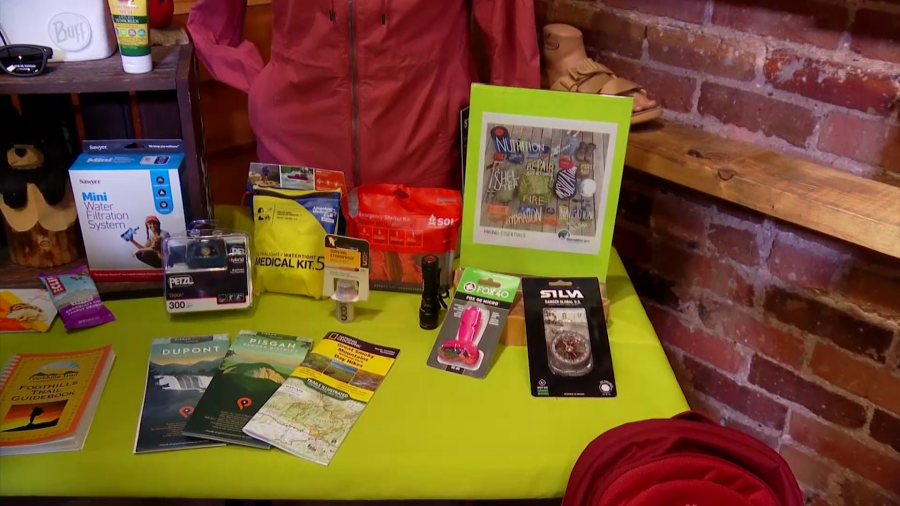
Before diving into the specifics, it’s important to recognize why these ten items are universally agreed upon by hiking enthusiasts, outdoor experts, and safety organizations worldwide. The what are the 10 essentials when hiking? are more than just a checklist—they are a safety net designed to tackle emergencies, unpredictable weather, and unforeseen challenges that can turn an enjoyable trek into a dangerous ordeal.
Hikers often find themselves miles away from the comforts of civilization, where cell service might be nonexistent, and help may be hours or days away. The inclusion of these essentials ensures that you’re prepared for the unexpected—from sudden storms and injuries to navigation errors. This foresight fosters confidence, minimizes risks, and allows you to focus on the beauty of the trail rather than worrying about what might go wrong.
Having a properly packed emergency kit, adequate navigation tools, and suitable gear is essential, but knowing how and when to use each item elevates your preparedness from basic to exceptional. Whether you’re planning a short day hike or an extended wilderness adventure, understanding the fundamental importance of the what are the 10 essentials when hiking? can help you make smarter decisions, stay safer, and enjoy your journey to the fullest.
Essential Items for Safety and Survival: A Complete Breakdown of the 10 Hiking Necessities

The core of any successful outdoor expedition lies in being equipped with the right tools and supplies. These essentials are not merely items to carry but lifelines that address the basic needs of safety, navigation, sustenance, and comfort. Properly understanding their purpose and usage allows hikers to adapt effectively to unforeseen situations. Here’s an in-depth exploration of each essential, emphasizing how to incorporate them into your hiking arsenal.
Navigation – The Compass and Maps You Need to Never Lose Track
Navigation tools are the backbone of a successful hike, especially when venturing into less marked terrains or unfamiliar areas. While many hikers rely on smartphone GPS devices, traditional tools like maps and compasses remain invaluable because they operate without batteries and are less susceptible to technical failures.
A map provides a visual representation of the terrain, trail routes, water sources, and landmarks, enabling you to orient yourself accurately. A compass, on the other hand, is crucial in determining your direction, especially when visibility is poor or signage is inadequate. Learning how to read these tools and triangulate your position can mean the difference between returning safely or getting lost in the wilderness.
Personal experience emphasizes the importance of practicing navigation skills before hitting the trail. Investing time to learn how to use a compass and reading topographical maps enhances your confidence and reduces reliance on electronic devices, which can malfunction or lose signal. For extended hikes, carrying a detailed paper map alongside a compass is often recommended for redundancy.
Sun Protection – Shielding Yourself from Harsh UV Rays
Outdoor environments expose hikers to direct sunlight, which can cause sunburn, heat exhaustion, or skin cancer if proper precautions are not observed. The what are the 10 essentials when hiking? include sun protection gear that ensures you are shielded from harmful ultraviolet rays during your trek.
This includes high-SPF sunscreen, broad-brimmed hats, sunglasses with UV protection, and lightweight clothing that covers your skin. Proper sun protection becomes even more critical at higher elevations, where UV exposure increases. Personal analysis indicates that many injuries or health issues are related to prolonged sun exposure, which can be mitigated by proactive measures.
Incorporating sun protection into your hiking routine prevents discomfort and health complications. Reapplying sunscreen every two hours, especially after sweating or swimming, and wearing UV-protective sunglasses can drastically reduce your risk. Moreover, packing lightweight, UPF-rated clothing provides a mechanical barrier against the sun while keeping you cool and comfortable.
Insulation – Staying Warm in Variable Weather Conditions
While outdoor adventures are often associated with sunny days, weather can change abruptly, especially in mountainous or forested regions. Proper insulation gear becomes mandatory to maintain core body temperature and prevent hypothermia during unexpected cold spells or late-day chill.
Layering clothing is the most effective strategy for insulation, allowing you to add or remove layers as needed. Moisture-wicking base layers, insulating mid-layers like fleece or down jackets, and waterproof outer shells can be combined for optimal thermal regulation. Personal insight suggests that many hikers underestimate how quickly they can become cold in the shade or after rain.
In addition to clothing, carrying emergency blankets or space blankets offers a lightweight means to retain body heat if an emergency arises. Selecting insulated gear that balances weight and warmth allows for versatility. Remember, staying dry and warm is essential in prolonging your endurance and avoiding dangerous situations like frostbite or hypothermia, especially if an unexpected delay occurs.
First Aid Supplies – Addressing Injuries and Medical Emergencies
Accidents can happen anytime, ranging from minor cuts and blisters to more severe trauma like broken bones or allergic reactions. A comprehensive first aid kit tailored for hiking ensures that you can manage injuries effectively until professional help is available.
Your kit should include antiseptic wipes, bandages of various sizes, blister treatment, pain relievers, adhesive tape, antiseptic ointments, and tools like tweezers and scissors. Personal experience confirms that even minor wounds can become serious if not properly treated, leading to infections that jeopardize your safety.
Training yourself in basic first aid techniques, such as wound cleaning, splinting, or recognizing signs of dehydration and altitude sickness, enhances your proficiency. Carrying compact, portable supplies and knowing how to access and use them expediently transforms your gear from mere clutter into life-saving assets. Keeping emergency contact information and a whistle for signaling can also expedite rescue efforts if necessary.
Food and Water – Sustaining Energy and Hydration
Prolonged physical activity depletes energy reserves and body fluids, making proper nourishment and hydration essential. The what are the 10 essentials when hiking? emphasize packing lightweight, high-energy food and sufficient water to sustain you through your adventure.
Think compact snacks like trail mix, energy bars, and dehydrated meals that provide essential nutrients without adding significant weight. Hydration is equally critical; carrying enough water or means to purify water from natural sources ensures you remain well-hydrated, reducing fatigue and preventing heat-related illnesses.
Personal insights highlight the importance of planning your food and water strategy based on hike duration, weather conditions, and terrain difficulty. Using water purification tablets, UV purifiers, or filtration systems allows access to safe water sources, especially during extended trips. Remember, dehydration can mimic fatigue and impair judgement, so managing your intake proactively enhances safety and performance.
Fire – Mastering the Art of Starting a Reliable Campfire
Fire remains an ancient yet vital survival tool, providing warmth, light, and a means to cook food. In emergencies, the capacity to start and maintain a fire can significantly improve your chances of completing your trip or surviving overnight mishaps.
Essentials for fire-starting include waterproof matches, lighters, fire-starting kits, and tinder materials like dryer lint, cotton balls, or commercial fire starters. Understanding different methods—such as friction fires or using ferrocerium rods—improves your ability to adapt to available resources and weather conditions.
Experts stress that fire safety is paramount. Ensuring fires are contained within designated areas, monitoring their size, and completely extinguishing them before leaving reduces wildfire risk and environmental damage. When used responsibly, fire enhances morale, keeps pests away, and allows you to cook or boil water, reducing the risk of illness.
How to Use the 10 Essentials When Hiking – Practical Insights and Scenarios

Equipped with all ten essentials, your journey transforms from a mere walk into a planned adventure with contingency plans. Learning how to use these items effectively hinges on situational awareness and practice-based competence.
When navigating through dense forests, your compass and map prevent disorientation. In unexpected cold snap, layering your insulated clothing can keep hypothermia at bay. When faced with an injury, your first aid kit’s proper application stabilizes the victim until rescue assistance arrives. Drinking safely from natural water sources with purification tablets prevents illness while keeping you hydrated. Fires can warm your night camp or signal rescuers during an emergency.
Personal anecdotes reinforce the importance of rehearsing scenarios—practicing fire-starting, navigation, or first aid methods transforms theoretical knowledge into practical skills. Comparing different brands of gear or methods (e.g., water purifiers versus boiling, trekking poles versus hands-on balance) allows tailored choices best suited for individual needs and hiking environments.
Example: The Impact of Preparedness
Imagine a hiker who unexpectedly encounters a flash storm. With a waterproof outer layer, they keep their insulating layers dry, preventing hypothermia. They use their map and compass to find shelter and orient themselves away from potentially dangerous areas. Their emergency whistle and fire-starting kit enable rescuers to locate them, while their first aid kit addresses minor injuries sustained during the chaotic weather.
This scenario highlights how the what are the 10 essentials when hiking? work together synergistically, emphasizing the importance of comprehensive preparedness and problem-solving under pressure.
Frequently Asked Questions (FAQs) About the 10 Essentials When Hiking
Q1: Why are the 10 essentials considered mandatory for all hikes?
A1: The 10 essentials are designed to prepare hikers for emergencies, ensuring safety and self-sufficiency by addressing navigation, shelter, sustenance, and rescue needs across various situations.
Q2: Can I customize the 10 essentials based on the hike distance?
A2: Absolutely—short day hikes may require minimal gear, while longer, more remote expeditions demand more comprehensive supplies. Customization is key to efficiency and preparedness.
Q3: What is the best way to carry these essentials?
A3: Utilizing a well-organized backpack compartmentalized for quick access ensures that vital items like navigation tools, first aid, and fire-starters are readily available when needed.
Q4: How often should I review or update my hiking essentials?
A4: Regularly check your gear before each trip—replace expired supplies, test equipment (like fire starters), and update based on new knowledge or changing environmental conditions.
Q5: Are there modern innovations that enhance these essentials?
A5: Yes, advances in lightweight materials, multi-use tools, and portable energy devices (solar chargers, GPS watches) improve efficiency while maintaining essential safety standards.
Conclusion
Understanding what are the 10 essentials when hiking? is fundamental to safe, enjoyable, and successful outdoor adventures. Each essential item—from navigation tools to fire-starting kits—serves a specific purpose that collectively safeguards you against common hazards encountered on the trail. Preparation involves not only carrying these items but also knowing how to use them effectively in various scenarios. As an experienced hiker or outdoor enthusiast, integrating these essentials into your routine builds confidence, resilience, and a greater connection with nature, transforming every journey into a memorable and secure expedition. Remember, thorough planning and preparedness form the backbone of every great hike—equip yourself wisely and embrace the adventure!