Traveling on foot with all your gear on your back is an adventure that challenges both your spirit and your preparation skills. What are backpacking essentials? These items are vital for ensuring safety, comfort, and enjoyment during your journey. Whether you’re planning a weekend getaway or a long-term trek, understanding and packing the right backpacking essentials is key to a successful experience. This comprehensive guide will explore not only what these essentials are but also how to select, organize, and utilize them effectively.
Understanding the Core of Backpacking: What Are Backpacking Essentials and Why They Matter
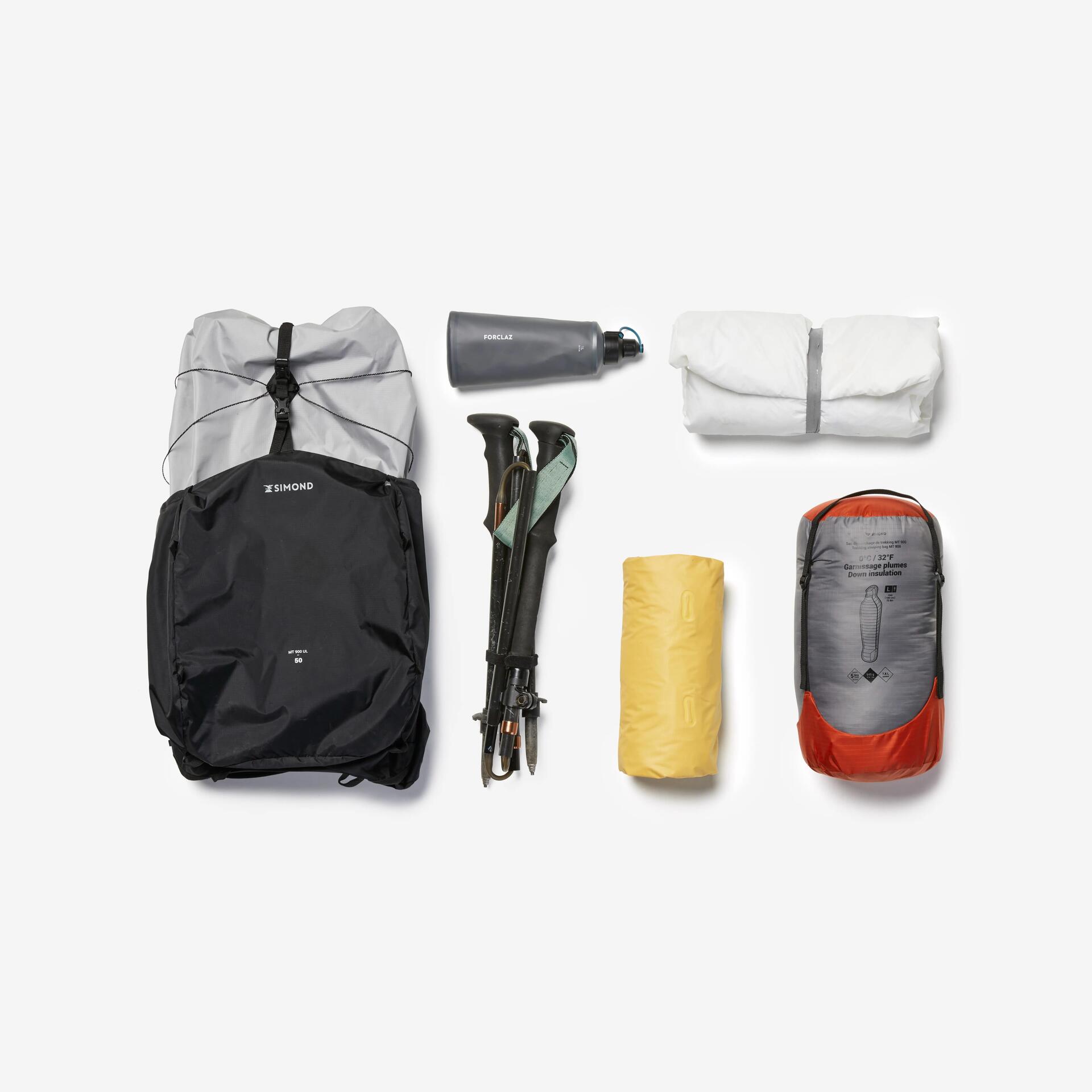
Backpacking is much more than walking with a heavy bag; it’s about packing smart and for versatility. Your backpacking essentials serve as your lifeline in unpredictable environments, providing safety, comfort, and convenience. They enable you to handle emergencies, stay healthy, and enjoy the natural beauty around you. Over the years, experienced backpackers have refined their gear list to focus on portability, durability, and relevance to their specific landscapes.
The importance of knowing what are backpacking essentials cannot be overstated. Enthusiasts often face challenging terrains, drastic weather changes, and unexpected mishaps. Failing to pack smartly can turn a fun adventure into a stressful ordeal. Proper knowledge ensures you’re self-sufficient for days or weeks, regardless of circumstances.
In this section, we will delve into the fundamental aspects of selecting your gear—what to prioritize, how to balance weight versus necessity, and the philosophy behind minimalist yet comprehensive packing. Understanding these core principles allows you to tailor your backpacking essentials to your unique needs, journey duration, and destination.
The Philosophy Behind Backpacking Essentials: Less Is More
When pondering what are backpacking essentials, many beginner travelers assume they must carry as much as possible. However, seasoned backpackers know that effective packing is about intentionality—bringing only what is necessary for survival and comfort without overburdening yourself. This philosophy stems from the idea that lighter packs lead to more enjoyable and sustainable travel.
This minimalist approach does not mean sacrificing safety or comfort; instead, it advocates for choosing multifunctional and lightweight gear. For instance, a high-quality multipurpose tool can replace several single-use items, and compact clothing can serve multiple needs. When you’re well-aware of what are backpacking essentials, it’s easier to strike the right balance between preparedness and mobility.
Additionally, understanding your destination’s climate and terrain influences what you pack. For example, you don’t need heavy winter gear in a tropical environment, and waterproof clothing is indispensable in rainy regions. Proper planning based on your itinerary emphasizes the importance of learning what are backpacking essentials so that every item in your pack contributes to a safe and enjoyable adventure.
How to Prioritize and Pack Your Backpacking Essentials
Efficient packing is a skill that evolves with experience. When contemplating what are backpacking essentials, consider categorizing your gear into core sections: shelter, food and water, clothing, navigation, safety and first aid, and personal items. This methodical approach prevents omission of critical items and avoids unnecessary bulk.
Start with lighter, high-volume items like clothing and sleeping bags, then gradually add heavier necessities such as tools and food. Use compression sacks and packing cubes to organize and maximize space. Remember to distribute weight evenly within your pack, placing heavier items close to your back for better balance. Proper packing not only enhances comfort but also preserves your energy throughout the trek.
Moreover, always research the environment and weather forecast ahead of your trip. This information guides your decision-making about what to include as backpacking essentials. For example, a rain cover might be vital for a trek in the monsoon season, while extra batteries or power banks may be necessary for remote areas with limited charging options. Developing a packing checklist rooted in your specific journey helps in mastering what are backpacking essentials and ensures nothing critical is overlooked.
Clothing and Footwear: The Foundation of Comfort in Backpacking
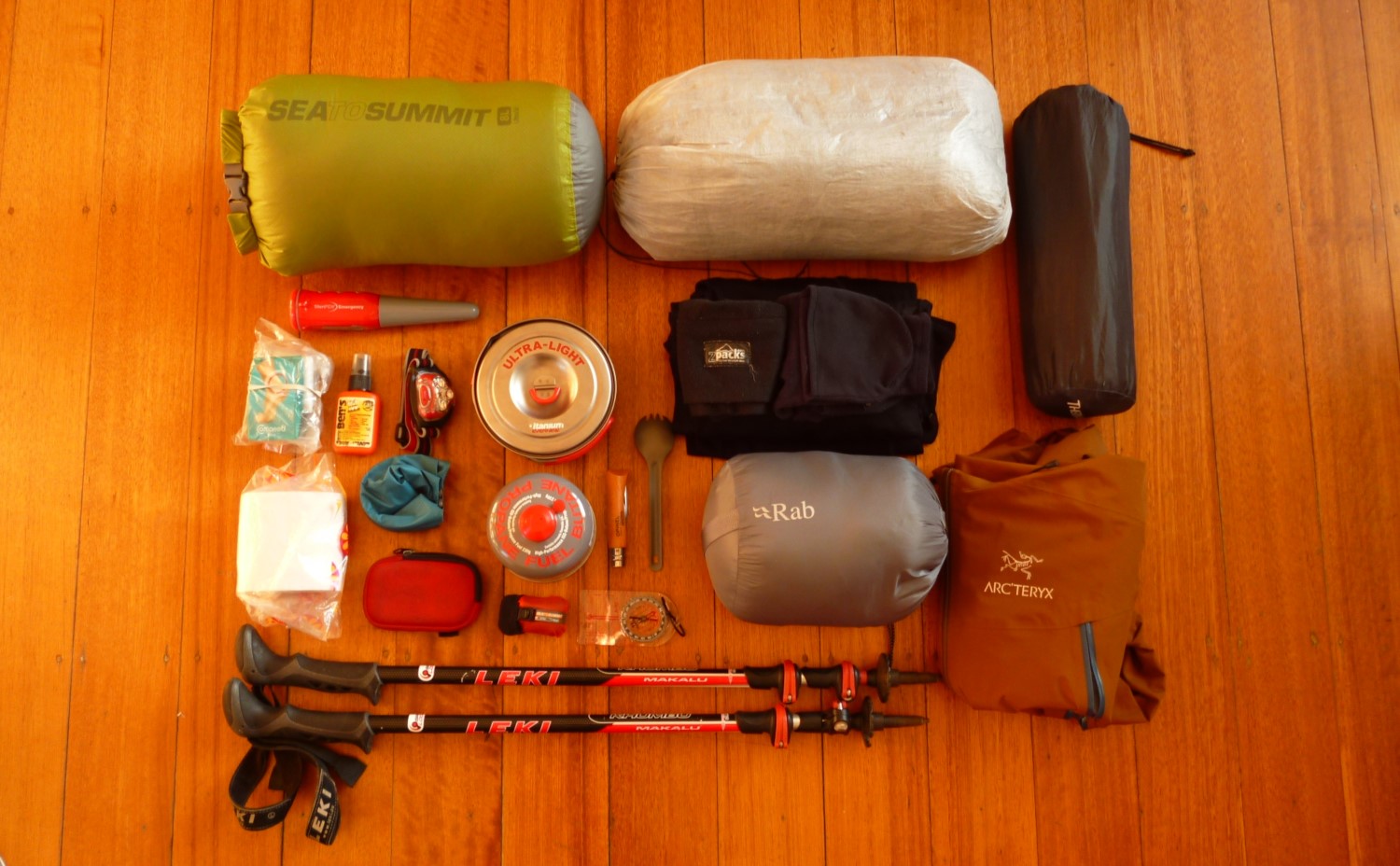
Clothing and footwear are among the most personal and vital backpacking essentials because they directly influence your comfort, health, and safety during your adventure. The right attire adapts to weather conditions, protects you from environment hazards, and allows flexibility for various activities. Selecting appropriate clothing and footwear demands careful consideration, as poor choices can lead to discomfort or even injury.
When considering what are backpacking essentials, focusing on clothing and footwear means investing in quality, lightweight, and moisture-wicking items. Proper layering is a fundamental principle, enabling you to adjust your clothing according to changing weather conditions. The basic layers include a moisture-wicking base layer, an insulating middle layer, and a waterproof outer shell. This system provides versatility and comfort while also minimizing space in your backpack.
Footwear should be chosen based on your terrain—sturdy hiking boots or trail shoes with good grip and ankle support are often essential. The durability and fit of your footwear directly influence your ability to trek long distances without injury. It’s also wise to carry extra socks to maintain foot hygiene and prevent blisters, which are common in prolonged walks. Careful selection of clothing and footwear as backpacking essentials is a cornerstone for reducing fatigue and improving overall experience.
Packing Clothing for Varied Climates and Conditions
Diverse climates necessitate meticulous planning for clothing. For tropical adventures, lightweight, breathable fabrics that dry quickly are best. For colder environments, insulating layers such as down jackets and thermal underwear become indispensable. In high-altitude or alpine regions, windproof and waterproof clothing helps withstand treacherous weather conditions.
Adapting your clothing choices to your environment involves understanding how each piece functions. Layering provides flexibility, allowing you to shed or add clothing as temperatures fluctuate throughout the day or night. For example, high-altitude mornings can be freezing, while afternoon sun might require you to peel layers and stay comfortable. Your choice of clothing should align with the duration and specific demands of your trail, emphasizing the importance of what are backpacking essentials.
Additionally, planning for waterproof and quick-drying items ensures you stay dry and prevent chafing or hypothermia. Including a compact rain jacket or poncho can be a lifesaver in sudden downpours. Packing appropriately also extends to sun protection—hat, sunglasses, and SPF sunscreen are vital. Mastering the art of packing suitable clothing enhances your trek’s safety and pleasure, enabling you to focus on the experience rather than discomfort.
Footwear Selection and Maintenance
Choosing the right footwear is crucial for any backpacking trip. It goes beyond selecting the most stylish or popular shoes; instead, focusing on fit, support, and suitability for your environment. Proper footwear reduces the risk of blisters, sprains, and long-term joint issues.
When contemplating what are backpacking essentials in terms of footwear, invest in high-quality hiking boots or shoes that are broken in before your trip. Break-in period is essential to prevent blisters and discomfort. Consider your terrain—rocky paths, muddy trails, or snow-covered grounds all demand different sole types and waterproofing features.
Maintaining your footwear during the journey also matters. Regular cleaning, drying, and applying waterproofing agents extend their lifespan and performance. For longer trips, carrying an extra pair of socks and repairing kits for loose soles or damaged laces is prudent. Good footwear is not only a physical necessity but also a protective barrier against environmental hazards, delivering confidence in your steps along unpredictable routes.
Navigating With Confidence: Essential Tools and Techniques for Backpackers

Navigation gear is often underestimated in importance but is vital for safety and direction when exploring unfamiliar trails. As what are backpacking essentials, navigating tools like maps, compasses, GPS devices, and guides form the backbone of a successful trek. Proper navigation ensures you stay on track, find your way in emergencies, and help locate points of interest.
In an era dominated by digital devices, carrying physical maps and a compass remains indispensable, especially in remote regions where reception is unreliable. Learning to read maps and operate a compass adds a level of independence and security. Technology complements traditional methods, but batteries can die or devices malfunction. Therefore, understanding what are backpacking essentials includes possessing multiple navigation options.
GPS devices and smartphone apps serve as modern aids but should not replace traditional skills. It’s advisable to carry backup batteries, portable chargers, and even spare devices to ensure continuous operation. Practice using your tools before embarking on your trip—familiarity boosts confidence. During your trek, periodically check your position against your planned route, and be prepared to navigate in adverse weather or low-visibility conditions.
Key Navigation Tools and Their Proper Use
Maps provide a detailed overview of terrain, trails, water sources, and landmarks, which are essential for comprehensive planning and situational awareness. Learning to read topographical maps helps you judge elevation changes and terrain difficulty, making it easier to choose routes that match your fitness level and experience. Carrying a lightweight, waterproof map case protects your paper maps from the elements, extending their usability.
Compasses are simple, reliable tools that serve as an excellent backup to electronic devices. Practice taking bearings and orienting the map using natural landmarks. When combined with a map, a compass allows you to locate yourself precisely and plot safe routes, especially in dense forests or mountainous terrain where GPS signals may falter.
Modern GPS devices and smartphone apps offer real-time positioning and trail tracking, making navigation more accessible. However, technical dependence can be risky, as batteries deplete and signals are lost. Carrying extra batteries and learning offline navigation methods ensure a solid backup plan. Consistent practice and planning with what are backpacking essentials concerning navigation tools empower you to traverse unfamiliar landscapes confidently.
Safety and Emergency Preparedness: Must-Have Items and Planning Strategies
Safety is paramount in backpacking, and being prepared for emergencies can make the difference between a minor inconvenience and a life-threatening situation. As part of what are backpacking essentials, safety items including first aid kits, emergency shelters, signaling devices, and knowledge of first aid procedures must be prioritized.
A well-stocked first aid kit tailored to your destination’s hazards is the cornerstone of emergency preparedness. It should include bandages, antiseptics, pain relievers, and specific medications if needed. Learning basic first aid skills—such as CPR, wound dressing, and dehydration management—amplifies your capability to handle injuries until professional help arrives.
Signaling devices, such as whistles, mirror signals, and personal locator beacons, allow you to call for help discreetly and effectively if needed. Emergency shelters like lightweight tents or bivvy bags provide refuge in case of unexpected weather or injury forcing a halt to your trek. Carrying extra batteries, headlamps, and communication tools ensures you remain visible and reachable.
Planning your route with safety in mind involves informing someone about your itinerary, expected return date, and specific emergency procedures. Monitoring weather forecasts and trail conditions offers critical foresight. Your gear must reflect a what are backpacking essentials focus on safety—being prepared reduces risk, enhances confidence, and helps you enjoy your solo or group adventure responsibly.
Developing a Safety Mindset and Emergency Protocols
Beyond physical gear, cultivating a safety mindset is vital. Always have alternative plans in case of route changes or weather shifts. Establish check-in times with friends or family and consider carrying a satellite phone or personal locator beacon in remote wilderness. Regularly updating your emergency contacts with your movements ensures help can locate you swiftly if needed.
In emergency situations, remaining calm and resourceful is crucial. Use your signaling devices immediately to attract attention if stranded or injured. First aid skills enable you to manage injuries, prevent infections, and stabilize your condition. Being mentally prepared and equipped forms a comprehensive foundation for what are backpacking essentials when it comes to safety and emergency readiness.
FAQs About Backpacking Essentials
Q1: What are the most important backpacking essentials to pack for a multi-day trip?
A1: The most important essentials include a durable backpack, appropriate clothing, a reliable shelter (tent or bivvy), sleeping gear, navigation tools, safety and first aid supplies, food and water, cooking equipment, and communication devices. Prioritize lightweight, multipurpose items that suit your destination.
Q2: How do I decide what clothing to pack for different climates?
A2: Pack clothing based on your expected weather, layering options, and the environment. For cold climates, include thermal layers, insulated jackets, and waterproof gear. For warm and humid conditions, focus on breathable fabrics, sun protection, and quick-drying clothes.
Q3: Are digital devices necessary as part of backpacking essentials?
A3: Digital devices like GPS units, power banks, and smartphones are helpful but should not replace traditional navigation tools like maps and compasses. They are useful backup options but should be complemented with essential manual skills.
Q4: How can I reduce the weight of my backpack without sacrificing safety?
A4: Use lightweight gear, multi-use items, compression sacks, and pack only what is essential. Prioritize safety equipment, but avoid overpacking heavy items that do not serve multiple purposes.
Q5: What are some safety items I should always carry?
A5: Always carry a first aid kit, signaling devices, a fire-starting kit, an emergency shelter, extra batteries or power banks, and a means to communicate with others. These essentials help you manage emergencies efficiently.
Conclusion
Understanding what are backpacking essentials is fundamental to safe and enjoyable adventures. Proper packing involves selecting multifunctional, lightweight gear suited to your environment, focusing on safety, comfort, and practicality. From clothing and footwear to navigation tools and emergency supplies, every item plays a crucial role in ensuring you’re prepared for the unpredictability of outdoor environments. Mastering the art of packing intelligently allows you to explore new territories confidently, embrace the natural beauty around you, and create memorable experiences in the wilderness.