Trail running is more than just a sport; it’s an adventurous pursuit that combines endurance, agility, and a deep connection to nature. One of the most debated equipment choices among trail runners is whether carbon or aluminium poles are superior. As these tools can significantly influence your performance, safety, and overall experience, understanding their differences is essential. So, are carbon or aluminium poles better for trail running? Let’s explore this question in depth, providing insights grounded in expertise, experience, and practical advice.
The Fundamental Differences Between Carbon and Aluminium Poles in Trail Running
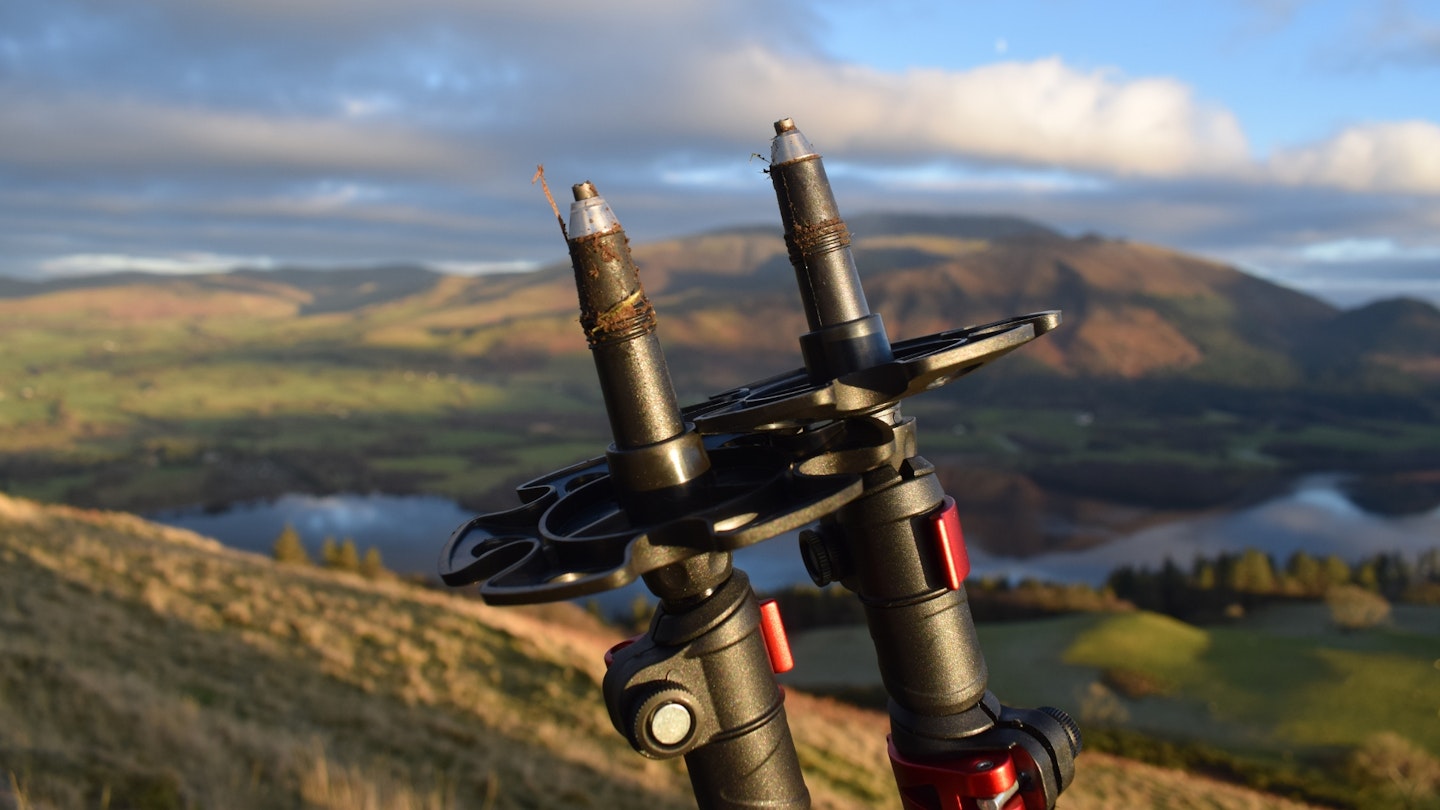
Choosing between carbon and aluminium poles boils down to understanding their fundamental properties, benefits, and drawbacks. Both materials offer distinct advantages and challenges that can impact your trail running performance, especially over long distances, technical terrains, or varying weather conditions.
Carbon and aluminium are the two main materials used in pole manufacturing, each with unique characteristics influencing weight, durability, flexibility, and cost. Investigating these properties allows runners to align their gear choice with their specific needs, terrain, and personal preferences.
Material Composition and Structural Properties
Carbon fiber poles are constructed from thin strands of carbon woven into a fabric and then coated with a resin. This material is celebrated for its exceptional strength-to-weight ratio, making it one of the lightest options available. The lightweight nature of carbon poles enhances endurance, reduces fatigue during long runs, and facilitates quick, fluid movements across technical terrain.
In contrast, aluminium poles are made from an alloy of metals primarily including aluminium, which provides excellent durability and resistance to impact. Aluminium’s inherent flexibility allows it to absorb shocks better than rigid materials, offering a softer feel on uneven surfaces. This flexibility can be advantageous for trail runners tackling rocky or rugged terrain where minor impacts are frequent.
While carbon poles tend to be more delicate, especially under direct hits or excessive pressure, aluminium poles can withstand rough handling and accidental drops without as much risk of breaking. However, aluminium is typically heavier, which may influence a runner’s rhythm and energy expenditure over prolonged periods.
Weight and Ergonomics in Trail Running
The weight difference between carbon and aluminium poles is perhaps the most tangible factor affecting trail runners. Carbon poles are designed to be ultra-light, often weighing significantly less than their aluminium counterparts. For ultramarathon runners or those covering long distances over demanding terrain, every gram saved can translate into greater efficiency and less fatigue.
From an ergonomic perspective, lighter poles allow for faster, more natural arm movements and less strain on shoulders and wrists. This can be a decisive advantage during steep ascents, technical descents, or when navigating multiple terrain changes. Additionally, the lower weight of carbon poles reduces the likelihood of shoulder soreness or fatigue, especially when used for extended periods.
Aluminium poles, while heavier, are often slightly more comfortable for beginners or casual runners who prioritize durability over outright weight savings. The extra heft can provide a reassuring sense of stability and control, particularly for runners who struggle with maintaining grip or are less accustomed to handling lightweight gear.
Durability and Performance Under Varying Conditions
Durability remains a key consideration for trail runners. Carbon poles are sensitive to impacts—dropping or hitting rocks can cause cracks or fractures, compromising structural integrity. This fragility can be a concern for runners who frequently traverse rocky, uneven, or unpredictable terrains where accidental impacts are inevitable.
Aluminium poles generally outperform carbon in durability, making them preferable for rough terrain, mud, and environments where impact resistance is crucial. A well-made aluminium pole can withstand day-to-day knocks, handling all but the most severe impacts without breaking or deforming.
However, the performance of both materials can also depend on the construction quality, brand reputation, and specific design features. Carbon poles with reinforced tips or shock absorbers can mitigate some impact concerns, while aluminium models with lightweight but reinforced sections can offer a good compromise.
Comparing Performance: How Material Choice Influences Trail Running Outcomes

Understanding how the choice between carbon and aluminium poles impacts your trail running success helps tailor your gear to your specific needs and terrain. Performance metrics such as weight, handling, impact resistance, and flexibility directly influence your efficiency, safety, and enjoyment on the trail.
Impact Absorption and Shock Resistance
When tackling the unpredictable terrain of mountain trails or forest paths, impact absorption becomes vital. Carbon poles tend to be less forgiving when subjected to sudden shocks, which can lead to cracks or breaks if not handled carefully. For athletes seeking the lightest possible gear and willing to accept some risk, this is a manageable trade-off.
Aluminium poles offer greater shock absorption due to their inherent flexibility, which can reduce the strain transmitted to your arms and shoulders. This is particularly valuable during descents when the impact load increases, or in areas with loose gravel and uneven footing. The ability to withstand shocks without damage can lead to better overall performance and longevity of the equipment.
Handling, Flexibility, and Terrain Compatibility
Handling is another critical aspect where carbon and aluminium poles differ substantially. Carbon poles are typically stiffer, providing more direct transfer of force and making them better suited for uphill climbing or aggressive, precise pole planting. Their rigidity ensures quick response and control, especially during technical ascents.
Conversely, aluminium poles are more flexible, forgiving, and less prone to snapping under pressure. This flexibility allows for smoother transitions on mixed terrains, especially where stem-to-snow or mud encounters are frequent. Some trail runners prefer aluminium poles in rugged environments because the slight flex can improve comfort and reduce fatigue caused by constant impact.
Terrain type influences whether carbon or aluminium poles are advantageous. For example, smooth, well-maintained trails might benefit from the lightweight, reactive nature of carbon poles, while more rugged, uneven, or rocky paths might favor aluminium’s durability and shock absorption. Runners should assess their typical trail conditions when selecting gear.
Cost, Investment, and Long-term Value
Cost considerations are significant in determining whether carbon or aluminium poles are better for trail running. Carbon poles often carry a higher price tag due to their advanced materials and manufacturing processes. They can be viewed as a premium investment for serious or competitive trail runners seeking maximum efficiency and minimal weight.
Aluminium poles tend to be more affordable, making them attractive options for casual runners or those new to trail running. Their durability lowers replacement costs over time, especially in harsh environments where damage is more likely. Additionally, aluminium poles are often easier to repair or modify if damaged, which can extend their overall lifespan.
From an investment perspective, the choice hinges on your commitment to trail running, your specific terrain, and how much you prioritize weight savings versus durability. For long-term value, both options have merits—the key is aligning them with your running style and environment.
How to Use and Choose Your Trail Running Poles Effectively
Selecting and effectively using carbon or aluminium poles involves understanding their proper application across different terrains and how to optimize their benefits. The right technique can enhance stability, reduce fatigue, and improve overall performance.
Proper Technique for Trail Running with Poles
Using poles correctly requires mastering planting, timing, and rhythm. For carbon poles, focus on a firm but gentle plant—since they lack the flex of aluminium, planting with excessive force can cause microfractures over time. For aluminium poles, a more relaxed planting can capitalize on their shock absorption properties and prevent unnecessary strain.
Additionally, adjusting pole length is essential. Longer poles can facilitate powerful pushes uphill, while shorter lengths improve agility on technical descents. Both materials benefit from adjustable features to fine-tune ergonomics based on terrain and fatigue levels.
Maintenance and Storage Tips for Longevity
To keep your carbon or aluminium poles performing at their best, routine maintenance is vital. Clean the tips regularly to prevent debris accumulation, which can cause damage or reduce effectiveness. Store poles in a cool, dry place, avoiding exposure to extreme temperatures that could impact material integrity.
Inspect poles for cracks, bends, or corrosion periodically, especially after intense runs. For carbon poles, ensure that reinforced sections remain intact and that no microfractures have developed. Aluminium poles can be bent back gently if slightly deformed but should be replaced if damage worsens.
Examples and Personal Insights
Many trail runners swear by carbon poles when racing in mountainous terrain due to their lightweight advantage, feeling less fatigued during steep climbs and long descents. Their responsiveness enhances agility and quickness, particularly useful in technical sections.
On the other hand, seasoned trail adventurers often prefer aluminium poles for their durability, especially during multi-day expeditions where gear resilience is crucial. The slight flex of aluminium helps them handle unpredictable trail conditions comfortably, reducing the risk of equipment failure.
FAQs: Common Questions About Trail Running Poles
Bold Are carbon or aluminium poles better for trail running?
Both materials offer distinct advantages—carbon poles provide lightweight efficiency ideal for long-distance, technical terrain, while aluminium offers durability and shock absorption suitable for rugged environments. The best choice depends on your specific running style, terrains, and personal preferences.
Bold How do I decide which material is best for my trail runs?
Consider your typical trail conditions, distance, and handling preferences. If you’re a competitive runner prioritizing weight and speed, carbon is advantageous. If you encounter rocky, abrasive terrain regularly, aluminium’s durability is beneficial. Testing both can also help make an informed decision.
Bold Are carbon poles fragile or prone to breaking?
While carbon poles are strong but lightweight, they can crack or break if subjected to severe impacts or improper handling. Using proper technique and avoiding unnecessary impacts can extend their lifespan.
Bold Can aluminium poles be customized or repaired?
Yes, aluminium poles are generally easier to repair and may be customized with different grips or adjustments. Once bent, minor deformations can often be fixed, and they are more forgiving in rough terrain.
Bold What maintenance is required for trail running poles?
Regularly clean tips and joints, inspect for damage, and store in a dry, cool environment. Tighten any loose parts and replace worn-out components promptly to ensure safety and performance.
Conclusion
Choosing are carbon or aluminium poles better for trail running depends on balancing weight, durability, terrain, and personal preference. Carbon poles excel in lightweight performance and responsiveness, ideal for long-distance, technical trail running where efficiency matters most. Aluminium poles, with their resilience and shock absorption, are better suited for rugged, impact-prone environments requiring durability over weight. Ultimately, the optimal choice aligns with your specific trail conditions, running style, and willingness to invest in the right gear. Proper technique, regular maintenance, and understanding terrain compatibility enhance your experience and safety, helping you run with confidence and ease across the diverse terrains you encounter on your trail adventures.
Please note: Always test your poles on training runs before race day to familiarize yourself with their handling and performance. Proper selection and technique can significantly enhance your trail running experience, making your adventures safer and more enjoyable.