When embarking on challenging treks or peaceful hikes, selecting the right trekking poles can dramatically enhance your experience. Whether you’re tackling rugged mountain trails or forest paths, the question often arises: What type of trekking poles are best? As an experienced trekker and outdoor enthusiast, I’ve tested various designs, materials, and features to help you make an informed choice. This comprehensive guide will delve into the different types of trekking poles, their pros and cons, proper usage, and expert tips to ensure you select the ideal pair for your needs.
Understanding Different Types of Trekking Poles – Material and Design
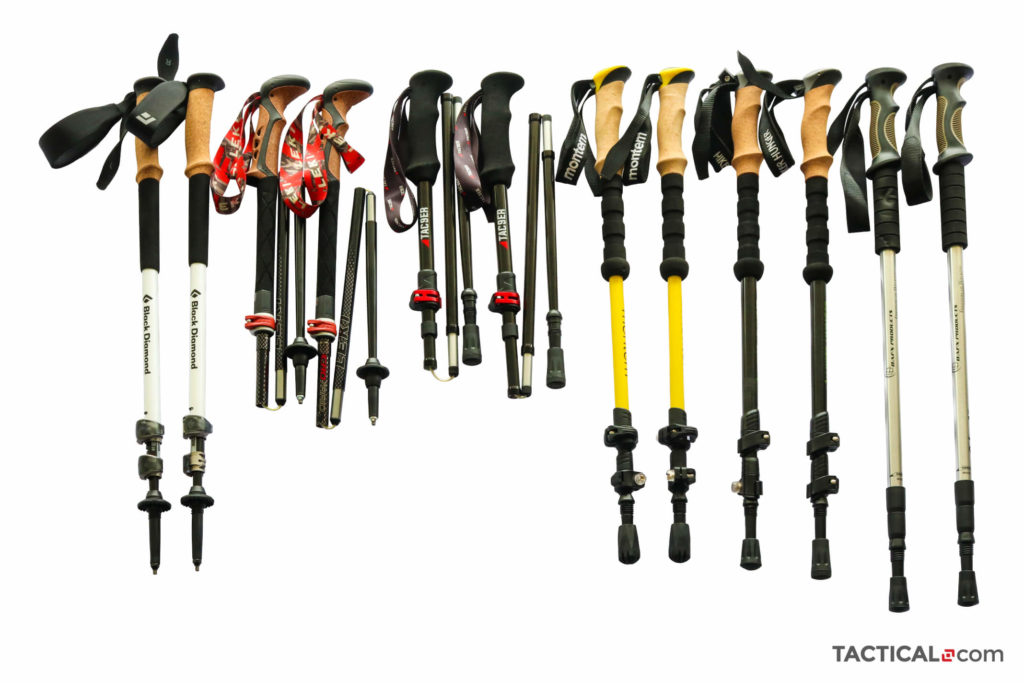
Knowing the materials and designs of trekking poles is crucial in answering the question: what type of trekking poles are best? The options range from lightweight aluminum to durable carbon fiber, each suited for specific terrains and personal preferences. The design variations such as foldable, telescopic, and fixed length also play into the functionality and convenience of each pole.
The primary goal when choosing trekking poles is to balance weight, strength, durability, and comfort. Trekking poles are increasingly designed to cater to diverse hiking styles — from ultralight backpacking to intensive mountain climbing. Each type has unique advantages and considerations, making it essential to understand what suits your hiking environment, physical capacity, and personal preferences before making a final decision.
Aluminum Trekking Poles – Heavy-duty and Reliable
Aluminum trekking poles are traditionally the most common choice among hikers and trekkers. Renowned for their robustness, they are well-suited for rough terrains where durability is a priority.
Aluminum poles are usually made from lightweight alloys such as 6061 or 7075 aluminum. These materials strike a balance between strength and weight, making them a versatile choice for most outdoor adventures. Their resilient nature allows them to withstand impacts from rocks, roots, and accidental drops, without compromising structural integrity.
Furthermore, aluminum poles tend to have a longer lifespan than some other materials, as they are resistant to corrosion and fatigue. The cost is generally lower than carbon fiber options, making them accessible to budget-conscious hikers. However, they are somewhat heavier, which can be a drawback in ultra-light backpacking scenarios where reducing weight is critical.
A common feature in aluminum trekking poles is their telescoping or adjustable length, which allows for quick modifications depending on terrain or user height. Locking mechanisms such as lever locks or twist locks are often employed to secure the pole segments firmly in place. When choosing aluminum poles, preferences for these locking systems and handle ergonomics are important factors to consider for comfort during extended hikes.
Carbon Fiber Trekking Poles – Ultralight and High-performance
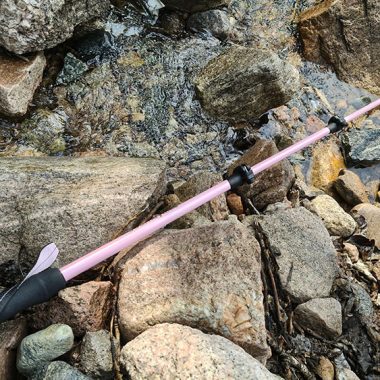
Carbon fiber trekking poles are the pinnacle of lightweight design, often favored by ultralight backpackers and competitive trail runners. This material is famous for its strength-to-weight ratio—meaning you get a very durable pole while significantly reducing carrying weight.
The main advantage of carbon fiber is its incredible weight savings. In long-distance trekking, every ounce counts, and using carbon fiber poles can ease the burden on your shoulders and arms, allowing for longer hikes with less fatigue. Additionally, they tend to dampen vibrations better than aluminum, reducing strain on wrists and arms, especially on uneven terrain.
However, these poles are generally more expensive and require more delicate handling. Carbon fibers can be prone to splintering or cracking if subjected to significant impact or overload, which makes them less suitable for rugged terrains where accidental drops are common. They also tend to be less adjustable than aluminum counterparts, although some high-end models now incorporate innovative locking systems to ease the adjustment process.
Choosing carbon fiber trekking poles means balancing the desire for ultralight performance with the higher cost and the need for careful handling. They are best suited for experienced hikers, fast-paced backpackers, or those with specific weight constraints.
Fixed-Length vs. Adjustable Trekking Poles – Convenience and Specific Needs
Among design variations, fixed-length and adjustable trekking poles serve different purposes and user preferences. Fixed-length poles are simple, durable, and lightweight, but they lack flexibility. They are typically used by those who prefer a set length for the entirety of their trek, such as mountain climbers who need reliable, non-adjustable support.
Adjustable trekking poles, on the other hand, offer unparalleled flexibility. They can be lengthened or shortened depending on uphill or downhill sections, personal comfort, or even shared among multiple users. The ability to quickly adapt can greatly enhance stability and reduce fatigue.
Adjustable poles come with different locking mechanisms: lever locks (quick and secure) and twist locks (more compact). In my experience, lever locks tend to be more reliable under high tension, while twist locks may be preferable for ultra-light weight and streamlined design. The choice ultimately depends on your terrain, hiking style, and preference for ease of use.
How to Use and Maintain Different Types of Trekking Poles – Practical Tips and Techniques
Once you’ve selected the best type of trekking poles based on material and design, proper usage and maintenance are vital for ensuring longevity and performance. Using trekking poles correctly can reduce fatigue, prevent injury, and improve your efficiency on the trail.
First, adjusting your pole length according to terrain and your height is crucial. For most hikers, the elbow should be at a 90-degree angle when the pole tip touches the ground. This optimal positioning provides balance and reduces strain on your shoulders and arms. When going uphill, shorten the poles slightly; for downhill, lengthen them for more stability.
Second, it’s important to learn the proper grip and stride technique. Holding the handle comfortably with a relaxed grip prevents unnecessary tension. When planting the pole, avoid pushing down too hard; instead, use the pole for stability and support. Engage your core muscles when using the poles to distribute effort evenly across your body.
Maintenance involves inspecting your trekking poles regularly for signs of wear or damage, especially in the locking mechanisms, handle attachments, and tips. Keeping the sliding segments clean and lightly lubricated preserves smooth adjustments, and replacing worn-out tips can significantly improve grip and safety.
In terms of storage, foldable or telescoping poles should be collapsed and stored in your backpack when not in use to avoid unnecessary impact or damage. Proper care extends the lifespan of your poles, ensuring they serve you well on countless adventures.
FAQs about What Type of Trekking Poles Are Best?

Q: What are the key differences between aluminum and carbon fiber trekking poles?
Aluminum poles are generally heavier but more durable and affordable, suitable for rugged terrains and frequent use. Carbon fiber poles are ultralight and dampen vibrations better but are more expensive and susceptible to impact damage. Your choice depends on weight sensitivity and terrain demands.
Q: Which type of trekking poles are best for beginners?
For beginners, adjustable aluminum trekking poles with lever locks are often recommended because they balance durability, ease of use, and cost. They offer flexibility for different terrains and are sturdy enough to withstand learning curves.
Q: Can I use fixed-length poles for all types of terrain?
While fixed-length poles can work well for specific terrains like mountaineering, they lack flexibility for varying trail conditions. Adjustable poles provide better adaptability for different inclines, declines, and uneven surfaces.
Q: How do I maintain my trekking poles?
Regularly inspect for damage, clean the locking mechanisms and tips, lubricate sliding parts, and replace worn-out tips or baskets. Proper maintenance ensures safety and prolongs lifespan, regardless of the type of pole.
Q: Are more expensive trekking poles worth the investment?
High-end poles made from carbon fiber or with premium features may be more costly but often offer lighter weight, better vibration dampening, and improved durability. If your budget allows, investing in quality trekking poles can significantly enhance your trekking experience.
Conclusion
The question what type of trekking poles are best? ultimately depends on your specific needs, hike difficulty, terrain, and personal preferences. From rugged aluminum models that withstand heavy impacts to ultralight carbon fiber options favoring speed and flexibility, the variety ensures every trekker finds their perfect match. Understanding materials, design features, and usage techniques empowers you to select and maintain the ideal trekking poles for your adventures. With the right pair, you’ll enhance stability, reduce fatigue, and enjoy every step of your journey with greater confidence and comfort.