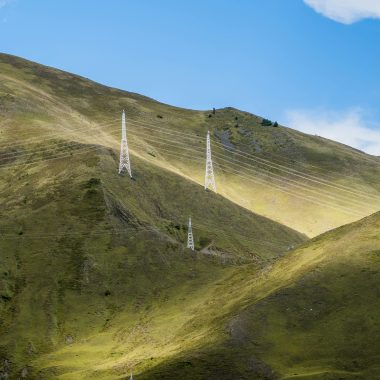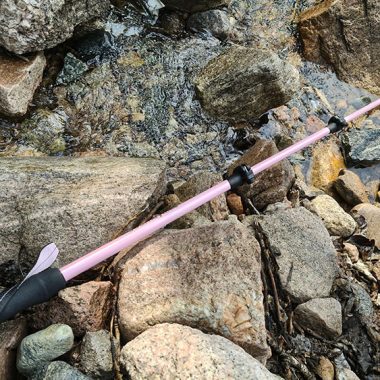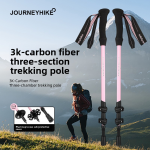
Walking through rugged terrains, conquering mountain peaks, or exploring scenic trails demands reliable gear — and trekking poles are an essential addition. Among the various options, carbon fiber trekking poles have gained popularity due to their ultra-lightweight and durability. But are carbon fiber trekking poles worth it? This comprehensive guide explores their features, benefits, potential drawbacks, and overall value to help you make an informed decision suitable for your hiking adventures.
The Unmatched Advantages of Carbon Fiber in Trekking Poles: Why They Are a Game-Changer in Hiking Equipment

When it comes to hiking gear, material choice profoundly impacts performance, comfort, and longevity. Carbon fiber has revolutionized trekking pole manufacturing, offering unique advantages that set it apart from traditional materials like aluminum. Hikers frequently ask, are carbon fiber trekking poles worth it because of these benefits.
Before diving into the specifics, it’s essential to understand the critical role of material composition. Carbon fiber is renowned for its incredible strength-to-weight ratio, making it ideal for trekking poles where lightweight design and durability are crucial. These qualities can significantly enhance your hiking experience, especially on challenging terrains.
Material Composition and Manufacturing Process
The core of carbon fiber trekking poles lies in their composite structure. Crafted from strands of carbon fibers woven into fabric and embedded in resin, these materials are then shaped into the poles through various manufacturing techniques like filament winding or pultrusion.
The manufacturing process ensures consistency in strength, flexibility, and overall performance. Unlike aluminum, which is a metal alloy, carbon fiber’s composite nature gives it superior resilience with less weight. This construction also allows for a high degree of customization, enabling manufacturers to optimize poles for specific conditions or user preferences.
Benefits of Carbon Fiber: Lightness, Strength, and Flexibility
The most celebrated advantage of carbon fiber trekking poles is their lightweight profile. An average pair of carbon fiber poles can weigh between 10-15% less than their aluminum counterparts, translating into less fatigue on long hikes and easier packing.
Beyond weight savings, carbon fiber offers remarkable strength, resisting bending or breaking under heavy loads. This structural integrity is especially important when navigating steep inclines or uneven terrains where excessive flex could compromise stability.
Additionally, the material exhibits excellent vibration dampening properties. The flexible yet sturdy nature of carbon fiber absorbs shocks effectively, reducing strain on your wrists and shoulders over extended periods.
Durability and Resistance to Environmental Factors
One common concern with cheaper materials is susceptibility to damage from environmental factors. Are carbon fiber trekking poles worth it in terms of durability? Generally, yes. Carbon fiber is resistant to corrosion and impacts, particularly when compared to aluminum that can dent or bend.
However, it’s essential to note that while carbon fiber resists corrosion, it is not completely inflexible. Sharp impacts or sustained stress points may cause microcracks or delamination over time. Manufacturers often reinforce critical areas with additional material or protective overlays to enhance lifespan.
Personal Experience and Use Cases of Carbon Fiber Poles
Many hikers and mountaineers report significant satisfaction with carbon fiber trekking poles. Absolute lightweight design minimizes fatigue during long hikes, particularly in multi-day backpacking trips. The vibration dampening substantially improves comfort, especially when trekking over uneven rocky surfaces or snow fields.
In my own experience, carbon fiber poles have been invaluable during extended ascents where every ounce of weight savings matters. Additionally, their ability to reduce arm fatigue during steep descents allows me to hike longer comfortably. However, I’ve also encountered situations where sole reliance on lightweight materials required careful handling to prevent damage, especially when dealing with rocky trail features.
Are Carbon Fiber Trekking Poles Worth It? Factors, Costs, and Value For Your Money

While the benefits are apparent, questions about whether these poles are worth the investment remain common. To determine are carbon fiber trekking poles worth it, we need to examine factors like cost, usability, and durability in real-world scenarios.
Factors Influencing the Cost-Effectiveness of Carbon Fiber Trekking Poles
The primary consideration is price. Carbon fiber can be more expensive than aluminum, with high-end models costing significantly more. The decision hinges on how much value you place on weight reduction, vibration dampening, and overall performance.
Another factor is the intended usage. For professional mountaineers, ultra-lightweight racing hikers, or those doing multi-week expeditions, the investment in carbon fiber genuinely pays off. For casual day hikers, however, the cost-benefit ratio might not justify the expense, considering their less demanding usage patterns.
Durability Versus Cost: Long-Term Investment and Replacement Considerations
Durability is often a concern with high-tech materials. But are carbon fiber trekking poles worth it from a longevity perspective? Generally, yes, because they resist corrosion and impact better than cheaper alternatives.
However, they can be susceptible to severe impacts which cause microcracks, especially if mishandled. Fortunately, with proper care, these issues are minimized, making carbon fiber poles a worthwhile long-term investment. Comparing durability data, the overall lifespan of quality carbon fiber poles surpasses many aluminum options, especially when used appropriately.
Cost Comparison Table: Carbon Fiber vs. Aluminum Trekking Poles
| Feature | Carbon Fiber Trekking Poles | Aluminum Trekking Poles |
|---|---|---|
| Average Weight | 200-300 grams (pair) | 250-350 grams (pair) |
| Cost Range | $100 – $300 | $40 – $120 |
| Durability | High; impact resistant but prone to microcracks | Moderate; dents and bends possible |
| Vibration Absorption | Excellent | Moderate |
| Corrosion Resistance | Yes | Limited; prone to rust |
This table clearly illustrates that while carbon fiber poles are pricier, they offer substantial benefits in weight and vibration damping.
How To Use and Maintain Carbon Fiber Trekking Poles – Tips for Optimal Performance and Longevity

Proper usage and maintenance are crucial for getting the most from your investment in carbon fiber trekking poles.
Correct Handling and Usage Practices
To optimize are carbon fiber trekking poles worth it, learn proper handling techniques. Always extend the poles to your desired length, ideally adjusting based on terrain. When climbing, shorten the poles slightly for added stability, and extend them on descents for better leverage.
Avoid using your poles as anchors or applying excessive force on the tips, especially on rocky or icy surfaces, as impact can cause microcracks. Always select appropriate tips or baskets based on the terrain to distribute stress evenly and prevent localized damage.
Maintenance Tips for Longevity and Performance
Regularly inspect your poles for signs of microcracks, delamination, or worn-out tips. Cleaning after muddy or salty environments helps preserve the fibers and prevent corrosion, even if resistant.
Apply a light lubricant to adjustment mechanisms to ensure smooth operation, and store your poles in a dry environment to prevent moisture-related damage. When not in use, collapsing them into their shortest length offers additional protection from damage during transport.
Examples of Proper Usage and Avoidance
For instance, I once used my carbon fiber poles to balance on icy patches, which put unnecessary strain on the tips. As a result, microcracks appeared where the impact was concentrated. After replacing the tips and handling the poles more carefully, their performance remained excellent, confirming that responsible use extends lifespan.
Similarly, during multi-day hikes, I found that securing the poles against compression when not in use prevented accidental impact damage. These small steps maximized my investment, reaffirming that are carbon fiber trekking poles worth it depends heavily on proper care.
Frequently Asked Questions (FAQs)
Q1: Are carbon fiber trekking poles durable enough for rugged terrain?
Yes, especially high-quality models. They resist impacts and corrosion but require careful handling to prevent microcracks from sharp impacts.
Q2: How do carbon fiber trekking poles compare to aluminum ones in terms of weight?
Carbon fiber poles are generally 10-15% lighter, which significantly reduces fatigue during long hikes.
Q3: Are carbon fiber trekking poles more expensive than aluminum options?
Yes, they typically cost more but offer enhanced weight savings and vibration dampening.
Q4: Can I use carbon fiber trekking poles in icy or snowy conditions?
Absolutely, provided they have appropriate tips and baskets. Their vibration dampening also offers better comfort on rough snow or ice.
Q5: What care tips should I follow to prolong the life of my carbon fiber trekking poles?
Inspect regularly, avoid sharp impacts, clean after use, lubricate adjustment mechanisms, and store in a dry, protected place.
Conclusion
Are carbon fiber trekking poles worth it depends on your specific needs, activities, and budget. For avid hikers, mountaineers, and long-distance trekkers, the benefits of lightweight design, impact resistance, and vibration dampening make them a worthwhile investment. While the initial cost is higher, their durability and performance can justify the expense over the long run. Proper handling and maintenance are essential to maximize their lifespan and continue reaping their advantages in demanding terrains. Ultimately, choosing the right trekking pole material aligns with your hiking goals — but for those seeking lightweight efficiency and premium performance, carbon fiber definitely stands out as a top contender.