When it comes to trekking or hiking, having reliable and comfortable trekking poles can make a significant difference in your overall experience. The crucial question many outdoor enthusiasts ask is, What is the best material for trekking poles? The durability, weight, strength, and cost all depend on the material used in crafting these essential tools. With so many options available, it’s vital to understand each material’s pros and cons to make an informed choice tailored to your hiking needs.
This comprehensive guide delves into the various materials used in the construction of trekking poles, examining their attributes, advantages, drawbacks, and ideal use cases. Whether you’re a seasoned trekker, a weekend hiker, or someone just starting your outdoor journey, understanding the material behind your trekking poles will empower you to select the perfect pair that offers reliability, comfort, and value.
Exploring the Most Common Materials for Trekking Poles – Which One Reigns Supreme?

Choosing the right material for trekking poles is foundational to ensuring safety, performance, and longevity. Manufacturers typically opt for aluminum alloy, carbon fiber, or composite materials, each bringing unique qualities suited for diverse trekking scenarios. Understanding these core materials helps hikers decide based on weight, strength, flexibility, and cost considerations.
In this section, we’ll analyze each of these primary materials, their production processes, and their suitability for different hiking terrains and styles.
Aluminum Alloy: The Industry Standard for Versatility and Strength
Aluminum alloy has long been a favorite among outdoor gear manufacturers for producing trekking poles. Known for its balance of affordability, durability, and strength, aluminum is often the go-to choice for hikers seeking versatility without breaking the bank.
Strength and Durability of Aluminum
Aluminum alloys used in trekking poles are engineered for resilience, able to withstand the rigors of challenging terrains, impacts, and frequent use. This material resists bending and breaks less readily than more delicate options, making it ideal for rugged outdoor adventures.
The strength-to-weight ratio of aluminum is quite impressive, providing a sturdy pole that can handle uneven surfaces and abrupt turns. Its resistance to corrosion further enhances its durability, especially in wet or humid environments that are common in mountain trekking or rainy weather.
Weight Considerations and Portability
While slightly heavier than carbon fiber options, aluminum trekking poles remain reasonably lightweight. This added weight compared to other materials is often acceptable to most users, given the durability benefits. Aluminum poles are generally easier to handle and more forgiving during accidental impacts, making them suitable for hikers who prioritize robustness over a minimal weight reduction.
Cost and Maintenance
One of aluminum’s significant advantages is its affordability. Trekking poles made from aluminum alloys are often priced lower than their carbon fiber counterparts, making them appealing for budget-conscious hikers. Additionally, aluminum requires minimal maintenance; if scratches or dents occur, they rarely affect the pole’s overall performance.
However, over extended use, aluminum may show signs of fatigue, especially if subjected to repeated impacts or overloading. Regular inspections help ensure safety, though, as they tend to last through extensive trekking adventures.
Carbon Fiber: The Pinnacle of Lightweight Performance and Stiffness
As the quest for ultralight gear intensifies among outdoor enthusiasts, carbon fiber trekking poles have gained popularity for their exceptional weight-to-strength ratio. These poles provide a premium experience for trekkers who prioritize climbing efficiency, reduced fatigue, and high performance.
The Science of Carbon Fiber and Its Advantages
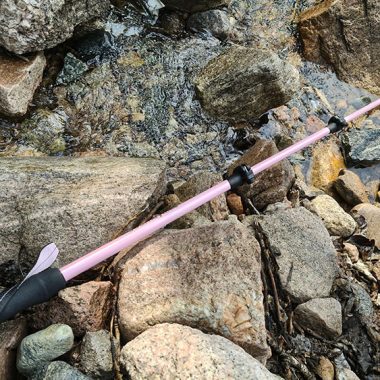
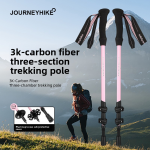
Carbon fiber is an advanced composite material made from thin fibers of carbon woven into sheets and bonded with resin. Its unique structure endows the material with high tensile strength, stiffness, and excellent fatigue resistance. Consequently, carbon fiber poles are among the lightest options available, reducing the load on your arms and shoulders, especially during long ascents.
This material’s rigidity means less wobble or vibration during use, translating into a more precise and comfortable trekking experience. The reduction in weight can be particularly advantageous for mountain climbers, ultralight backpackers, or those traversing extensive trail networks.
The Downsides: Cost and Fragility
While the benefits are compelling, carbon fiber trekking poles tend to come at a higher price point. The manufacturing process is complex, and the raw material cost adds to the final retail price. Due to their brittle nature, carbon fiber poles are more susceptible to damage from sharp impacts or bending beyond their tolerance—an important consideration when hiking in rocky terrains or with challenging weather conditions.
Despite advancements in manufacturing techniques, carbon fiber can suffer from cracks or splintering if struck forcefully, which might compromise the pole’s integrity. Repairing carbon fiber poles is often costly or impractical, making careful handling essential.
Best Use Cases for Carbon Fiber Trekking Poles
Ideal for ultralight hikers, alpine climbers, or trekkers covering long distances where weight savings significantly influence endurance. While they may lack the brute strength of aluminum, their high stiffness and low weight make them preferable for specialized trekking scenarios where performance outweighs cost and impact resistance.
Composite and Hybrid Materials: Merging Strength and Lightness
Recognizing the advantages and limitations of aluminum and carbon fiber, some manufacturers produce hybrid trekking poles combining different materials to optimize performance across various parameters. These composite or hybrid models aim to deliver durability, lightweight feel, and affordability in a single package.
Combining Aluminum and Carbon Fiber: The Best of Both Worlds
Hybrid poles typically feature an aluminum shaft with sections reinforced with carbon fiber, or vice versa, offering enhanced strength and reduced weight where needed most. This combination results in a versatile product capable of handling rugged terrains while maintaining a manageable weight.
For example, a pole might have an aluminum core for impact resistance, with carbon fiber segments at the shaft’s upper or lower parts to reduce weight and improve stiffness. This approach allows hikers to customize and select gear tailored to specific terrains and hiking styles.
Performance and Cost Considerations of Hybrid Materials
While hybrids can be costlier than basic aluminum poles, their price remains more accessible than pure carbon fiber options. They are often more durable than pure carbon fiber, resistant to impact damage, and more lightweight than full aluminum poles, making them a striking balance for multi-terrain adventures.
Manufacturers designing hybrid poles often focus on enhancing user trust by combining the strength of aluminum with the sleek performance of carbon fiber. They appeal to hikers seeking resilience without sacrificing too much weight savings.
Usage Tips for Hybrid Trekking Poles
For optimal performance, select hybrid poles appropriate to your trek’s terrain—more impact-resistant sections for rocky paths and lighter areas for long-distance sections. Maintaining the integrity of the composite material through proper handling prevents undue wear and tearing.
Comparing Costs and Long-term Value of Material Choices
The diversity of materials used in trekking poles directly affects their price and overall lifespan. Aluminum poles are more budget-friendly, offering durability and resilience for everyday hikes or rough terrains. Carbon fiber poles, while costing more upfront, serve long-distance hikers and ultralight enthusiasts who value weight savings and performance.
Hybrid options aim to strike a balance between the two, providing durable yet lightweight poles suitable for versatile terrains. Considering your hiking style, terrain difficulty, and budget, choosing the right material can vastly improve your outdoor experience.
How to Determine What’s Best: Factors Influencing Material Choice in Trekking Poles
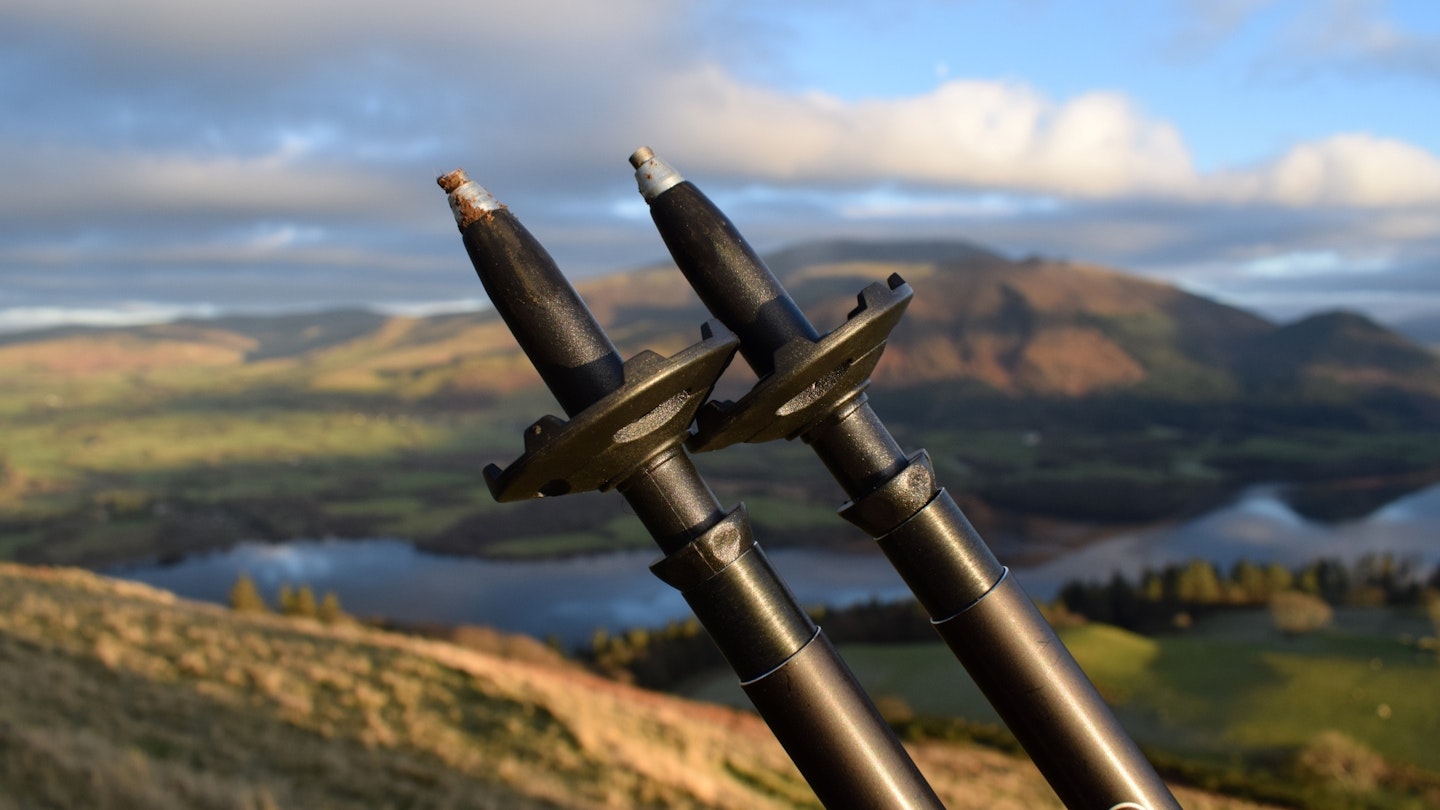
When asking, What is the best material for trekking poles?, it’s essential to recognize that the ideal choice varies based on individual needs, hiking terrain, and financial considerations.
Analyzing Your Hike Terrain and Conditions
Different terrains demand different pole characteristics. Rocky, rugged paths benefit from aluminum’s impact resistance, while long-distance trails favor lightweight carbon fiber for reduced fatigue. Wet environments also influence the material choice, as corrosion resistance—more prevalent in aluminum—is advantageous.
Considering Frequency and Intensity of Use
Frequent hikers or mountaineers require robust, durable materials that can withstand wear and tear over years. Occasional recreational hikers might prefer lighter, more cost-effective options, possibly favoring carbon fiber for occasional use.
Budget and Long-term Investment
A strategic approach involves balancing budget constraints with long-term value. While carbon fiber poles are pricier upfront, their lightweight and high performance may justify the expense for serious hikers. Aluminum options, though less costly, may need replacement sooner under heavy use, but are excellent for casual trekking.
Personal Preferences and Comfort
The feel of the pole, vibration dampening, grip comfort, and ease of handling influence material choice. Some hikers prefer the solid feel of aluminum, while others enjoy the stiffness and light touch of carbon fiber. Handling and ergonomic features shouldn’t be overlooked when considering material.
FAQs – Frequently Asked Questions About Trekking Pole Material Choices

What is the most durable material for trekking poles?
Aluminum alloy is generally considered more durable in terms of impact resistance and bending strength, making it a suitable choice for rugged terrains where impact damage is common.
Are carbon fiber trekking poles worth the investment?
Yes, for ultralight, high-performance trekking, carbon fiber provides unparalleled weight reduction and stiffness, although they tend to be more fragile and costly.
Can I use aluminum and carbon fiber poles interchangeably?
While technically possible, it’s best to choose poles suited to your specific trekking needs because each material has different handling characteristics and strengths.
How should I maintain my trekking poles made of different materials?
Regularly inspect for cracks or dents, clean after hikes to prevent corrosion (especially aluminum), and store in a dry place. Handle with care to prevent impact damage, particularly for carbon fiber.
Which material offers the best combo of price and performance?
Hybrid poles that combine aluminum and carbon fiber provide a strong balance of durability, weight, and cost, making them an excellent choice for versatile outdoor adventures.
Conclusion
Choosing what is the best material for trekking poles depends on numerous factors including terrain, frequency of use, budget, and personal preference. Aluminum alloy remains the stalwart for durability and affordability, suitable for challenging and rugged environments. Carbon fiber excels in lightweight performance, ideal for long-distance, ultralight, or alpine activities but carries a higher price tag and potential fragility. Hybrid materials successfully combine the benefits of both, offering a tailored solution for diverse outdoor needs. Ultimately, understanding these materials allows hikers to make informed decisions, ensuring safety, comfort, and longevity in their trekking adventures, turning every hike into a memorable journey equipped with the perfect gear.