Planning a hiking trip requires more than just choosing the right trail and packing your boots; it demands careful preparation for emergencies. Knowing exactly what to pack first aid for hiking can make the difference between a minor inconvenience and a life-threatening situation. In this detailed guide, you’ll learn how to assemble a comprehensive first aid kit tailored for outdoor adventures, ensuring you’re prepared for the unexpected and can handle injuries confidently.
The Importance of a Well-Stocked First Aid Kit for Hiking Adventures
Hiking in remote or rugged areas means you’re often far from medical facilities. Accidents such as cuts, sprains, insect bites, or allergic reactions can occur suddenly, and the ability to respond swiftly can significantly influence the outcome. Therefore, understanding what to pack first aid for hiking is crucial. A tailored, compact first aid kit not only provides immediate relief but also boosts your confidence, ensuring safety and peace of mind during your outdoor excursions.
A good first aid kit is also a reflection of your experience and responsibility as a hiker. Experienced outdoorsmen know that minor injuries can escalate if not treated promptly, leading to infections or more serious complications. Adequate supplies, organized properly, allow you to address injuries efficiently, especially when help is hours away. Moreover, sharing knowledge on what essentials should be included demonstrates respect for fellow hikers and ensures everyone looks out for each other, creating a safer expedition environment.
Furthermore, the unexpected nature of trail hazards, sudden weather changes, or wildlife encounters emphasizes the importance of being prepared. Whether you’re summiting a mountain or traversing a forest trail, being armed with knowledge of what to pack first aid for hiking adds an invaluable layer of safety. With the right tools, even a novice can provide essential first aid, empowering you and your hiking companions to manage emergencies effectively, reducing anxiety and making the adventure more enjoyable.
Components of a Comprehensive First Aid Kit for Hiking – Knowing Your Essential Supplies

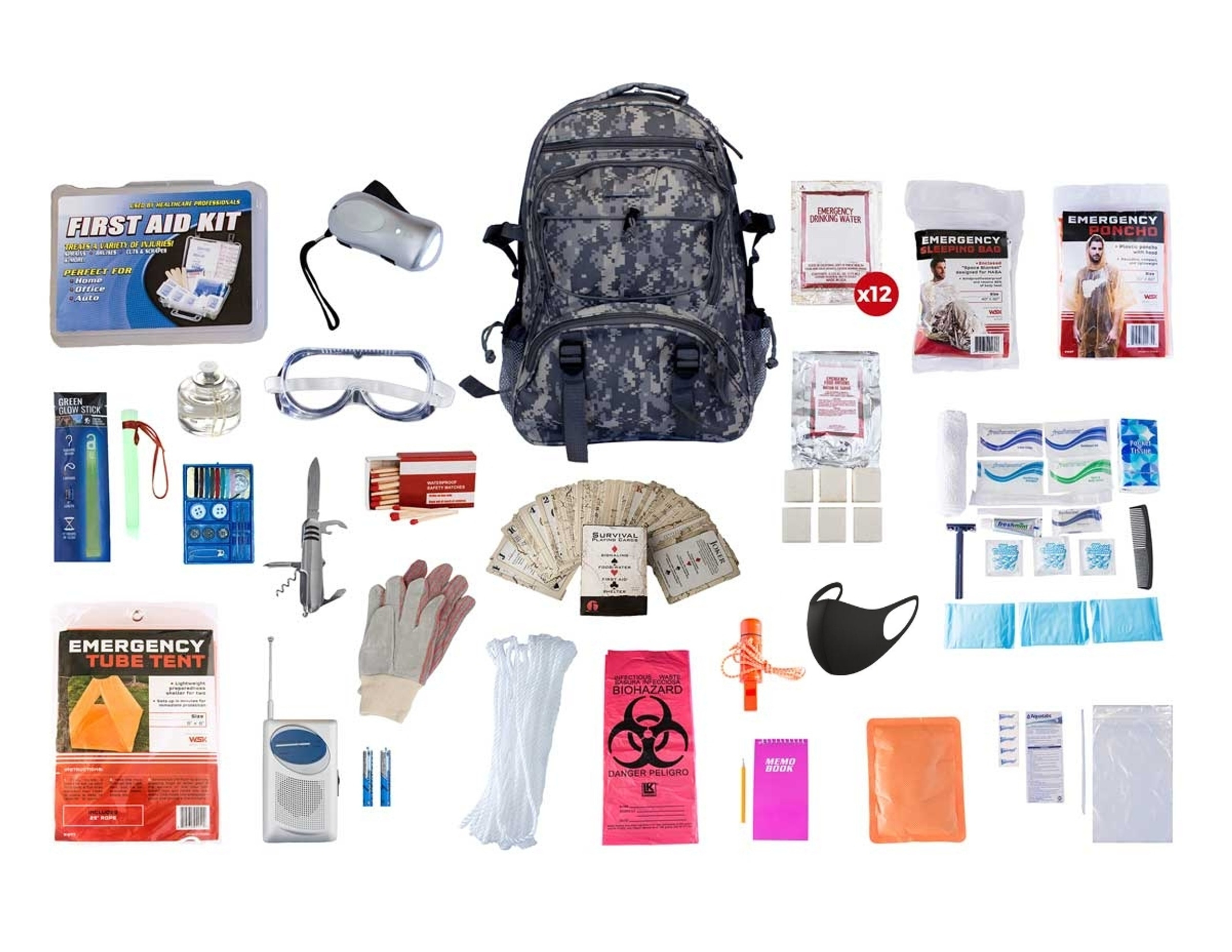
When considering what to pack first aid for hiking, it’s vital to recognize that the composition of your kit must be comprehensive yet lightweight. An effective first aid kit should include supplies that address common injuries such as cuts, scrapes, blisters, insect bites, and sprains. Understanding the essential components prepares you to manage minor injuries swiftly and refer serious cases to medical professionals when necessary.
A fundamental part of the kit includes bandages, antiseptics, and pain relievers. These provide first-line treatment for wounds and discomfort. Additionally, personal medications, allergy treatments, and specific items like tweezers or scissors are indispensable. The goal is to create a portable kit that can handle multiple scenarios without becoming cumbersome, allowing you to focus on safety rather than logistics.
It’s equally important to include items tailored for hiking environments, such as blister treatments, insect repellents, and sunburn remedies. Remember, packing smart involves understanding which supplies have the highest relevance to your specific trail and group needs. For instance, if hiking in areas known for tick prevalence, including tick removal tools and antihistamines for allergic reactions becomes critical. By carefully sourcing and organizing your supplies, you’ll always be ready for what to pack first aid for hiking, ensuring that minor setbacks do not escalate into serious emergencies.
How to Use Your First Aid Kit During an Emergency – Practical Application on the Trail
Knowing what to pack first aid for hiking is half the battle; the other half is understanding how to effectively use it during emergencies. Proper application of first aid can stabilize injuries, promote healing, and sometimes save lives. Equipping yourself with practical knowledge ensures your kit becomes a powerful tool rather than just storage.
In an emergency, your first step is to assess the situation calmly. Look for penetrating injuries, signs of shock, or allergic reactions. Once diagnosed, use your supplies judiciously, starting with basics like stopping bleeding—a sterile dressing or bandage is invaluable. For sprains or strains, immobilize the affected limb, and if possible, elevate it. Applying cold packs helps reduce swelling and pain, especially during long hikes where pain can impair mobility.
Additionally, understanding how to treat insect bites or stings is crucial, particularly in wildlife-rich areas. Using antihistamines, cold compresses, or antiseptic ointments can mitigate allergic responses or prevent infections. Always remember to seek professional medical help when injuries surpass your capabilities, but having practical knowledge of what to pack first aid for hiking and how to implement it ensures you’re prepared to handle situations with confidence until rescue arrives or professional help can be obtained.
FAQs – Common Questions About First Aid for Hiking
What are the most essential items to include in a hiking first aid kit?
The most essential items include adhesive bandages, antiseptic wipes, antibiotic ointments, pain relievers, tweezers, scissors, and allergy medications. Tailoring these to your specific needs and hiking environment ensures comprehensive coverage.
How can I effectively manage blisters during hikes?
Use blister pads or moleskin to cushion blisters and prevent friction. Keep the area clean and dry, and avoid popping blisters unless necessary, as an opened blister can risk infection.
What should I do if I encounter a snakebite?
Stay calm, keep the bitten limb immobilized and lower than heart level if possible. Do not attempt to suck out venom or apply ice. Seek emergency medical help immediately and keep the person as still as possible.
Are insect repellents necessary, and how do I choose the right one?
Yes, especially in insect-prone environments. Choose repellents containing DEET or natural alternatives like citronella. Apply according to instructions and reapply as needed to prevent bites that could lead to allergic reactions or disease transmission.
How often should I replace or check the supplies in my first aid kit?
Regularly inspect your kit after each trip or every few months. Replace expired medications and used supplies promptly to ensure everything remains sterile and functional.
Conclusion
Understanding what to pack first aid for hiking is a critical aspect of outdoor safety that every adventurer should prioritize. A well-organized, comprehensive first aid kit equipped with essentials tailored to your trail and environment enables swift, effective responses to injuries, alleviating pain, preventing complications, and potentially saving lives. Practicing how to use these supplies confidently turns a basic emergency into a manageable situation, giving you peace of mind amid the wilderness. Whether you’re a beginner or an avid hiker, investing in quality supplies and gaining practical knowledge forms the foundation of responsible outdoor exploration, ensuring every journey remains as safe as it is exhilarating.