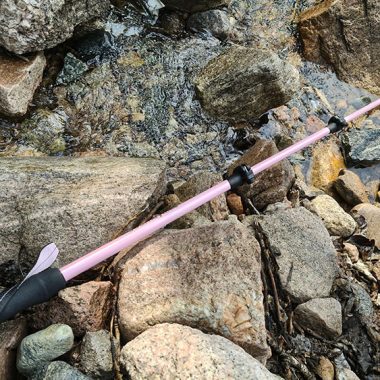
Embarking on an outdoor expedition involves more than just resilience and grit—it hinges on the right gear, especially trekking poles. Among these, the debate about whether carbon trekking poles are superior to other materials like aluminum is ongoing. Are carbon trekking poles better? This question fuels conversations among seasoned hikers, mountaineers, and outdoor enthusiasts eager to optimize their trekking experience. In this comprehensive guide, we’ll delve into every aspect—performance, durability, weight, cost, and usage tips—to determine if carbon trekking poles truly stand above the rest.
The Science and Material Advantages of Carbon Trekking Poles
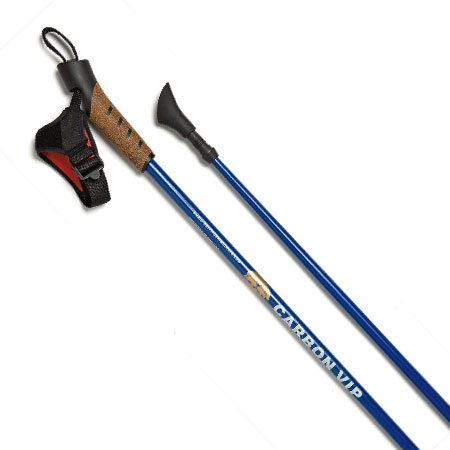
When exploring the key question, are carbon trekking poles better, understanding the fundamental properties of carbon fiber as a material is essential.
The Composition – Why Carbon Fiber Is Unique
Carbon fiber is a high-strength, lightweight material composed of thin fibers made predominantly of carbon. These fibers are woven together and embedded in a resin matrix, creating a composite known for exceptional strength-to-weight ratio. This composition makes carbon poles significantly lighter than their aluminum counterparts, translating into less fatigue during long hikes or climbs.
From a scientific perspective, the stiffness of carbon fiber offers minimal flex, which enhances stability when navigating uneven terrains. Its resilience under tension allows it to absorb shocks effectively, making it advantageous for rough trails. However, unlike metals, carbon fiber can be more brittle under impact, raising questions about its longevity under harsh conditions.
Benefits of Carbon Fiber in Trekking Poles
The main benefit of carbon trekking poles is undeniably weight reduction. Carrying lighter gear translates into less energy expenditure over long distances, especially beneficial during multi-day hikes. The stiffness provides a steady and responsive feel, helping users tackle steep inclines or descents with confidence.
Moreover, carbon’s vibration-damping properties can reduce the strain on your hands, wrists, and arms. This feature is particularly appealing for endurance hikers or those recovering from injuries. Its sleek aesthetic also appeals to outdoor enthusiasts who prioritize modern, high-tech gear.
But, with advantages come limitations: carbon poles tend to be more expensive and vulnerable to impact damage. We’ll examine these factors closely in subsequent sections to address whether are carbon trekking poles better overall.
Comparing Carbon Fiber to Aluminum – Performance Outcomes
In performance comparisons, carbon fiber outperforms aluminum in weight and vibration dampening but sometimes falls short in durability. Aluminum poles, on the other hand, are more resilient to impacts and generally cheaper, making them popular among beginner hikers and budget-conscious adventurers.
The stiffness of carbon allows for better energy transfer with each step, creating a responsive trekking experience. Conversely, aluminum’s flexibility can absorb some shock but might feel less precise. The decision hinges on a balance between these attributes, tailored to your specific hiking needs and terrain types.
Personal Insights and Real-World Usage
In my experience as an avid hiker, I found that using carbon trekking poles significantly improved my endurance on extended treks. The reduced weight allowed me to navigate with less fatigue, and the vibration damping made a noticeable difference during multi-hour ascents. However, I also encountered situations where impact damage was unavoidable—dropping the pole onto rocky surfaces—but aluminum poles survived better in those instances.
This practical understanding underscores that are carbon trekking poles better isn’t a binary answer; rather, their suitability depends on your activity style, terrain, and budget considerations. For users prioritizing weight savings and vibration control, carbon is compelling; for those needing resilience, aluminum may be preferable.
Durability and Impact Resistance – Can Carbon Trekking Poles Handle Tough Conditions?
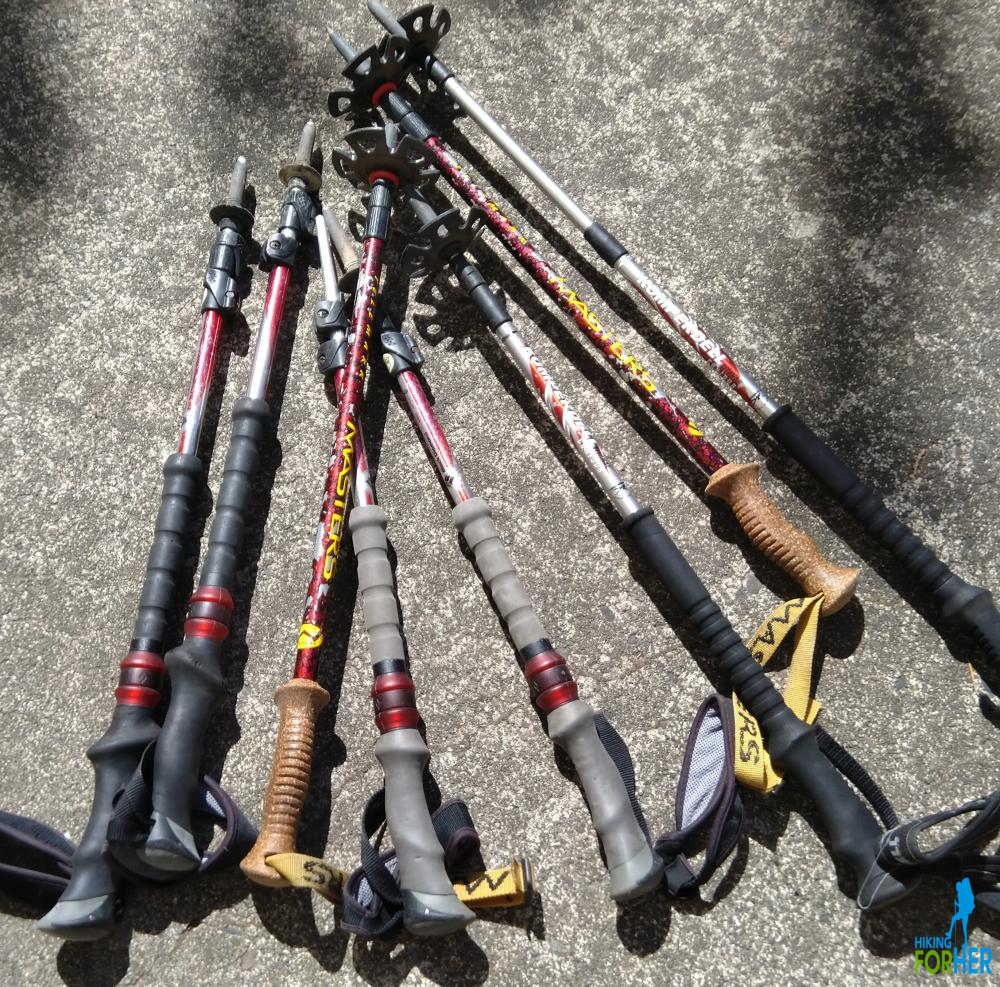
Durability is a critical factor influencing the are carbon trekking poles better. While lightweight and responsive, the question remains whether these poles can withstand the demanding conditions of rugged treks.
Impact Sensitivity – How Carbon Fiber Responds to Shock
Carbon fiber’s high tensile strength makes it resistant to stretching, but its brittle nature can be a concern. When subjected to sudden impacts—such as dropping onto rocks or concrete—carbon poles are more susceptible to cracks or splintering. Unlike aluminum, which can bend and flex without breaking, carbon may sustain unseen internal damage, compromising its integrity over time.
This limitation requires users to handle carbon trekking poles carefully, especially in rocky or unpredictable terrains. Proper storage, gentle placement, and avoiding impacts are essential to prolong their life.
Resilience Over Time – Will Carbon Poles Last?
Over prolonged use, carbon poles can remain reliable if properly maintained. However, consistent exposure to harsh environment factors such as extreme cold, high impact activities, or abrasive surfaces can accelerate wear and tear. Surface scratches, minor cracks, or fiber fraying might occur without immediate failure but could degrade performance eventually.
Users involved in demanding adventure sports might find that carbon poles require more cautious handling. Contrastly, aluminum poles flex under impact, absorbing shocks and maintaining functionality longer in rough conditions. Therefore, are carbon trekking poles better in terms of resilience? Not necessarily—it’s contextual.
Practical Examples and Use Cases
I’ve observed that climbers and mountaineers often favor carbon poles for their lightweight and vibration-dampening advantages, especially over long, steady ascents. Yet, in alpine environments with rocky, unpredictable terrain, some prefer aluminum for its impact resistance.
Many outdoor communities recommend carrying spare tips or reinforced sections when using carbon trekking poles—an acknowledgment of their impact sensitivity. Moreover, seasoned trekkers advise minimizing accidental drops and handling time to preserve the material’s integrity.
Ultimately, knowing how to use and care for carbon trekking poles will markedly extend their lifespan. Understanding their strengths and limitations helps determine if are carbon trekking poles better for your specific adventures.
Cost, Maintenance, and the Value Proposition of Carbon Trekking Poles

One of the most significant considerations when debating are carbon trekking poles better involves cost and long-term investment. Combining price, maintenance needs, and performance benefits provides a comprehensive understanding.
Price Comparison – Are Carbon Poles Worth the Investment?
Carbon trekking poles are typically more costly than aluminum options, often by two to three times. This price differential stems from manufacturing complexity, material expense, and technological sophistication. For casual hikers or occasional trekkers, the higher upfront cost may seem unjustified.
However, for serious adventurers engaging in frequent or long-distance hikes, the weight savings and performance enhancements can translate into better overall experience and endurance. Some users consider carbon poles an investment in their comfort and efficiency, especially when minimizing fatigue is paramount.
Maintenance and Care – How to Extend Lifespan?
Careful maintenance can help mitigate some of the vulnerabilities of carbon fiber. Regularly inspecting your poles for surface damage, ensuring locking mechanisms function correctly, and avoiding unnecessary impacts extend usability. Wiping them dry after exposure to moisture and storing them in protective cases will prevent environmental degradation.
It’s advantageous to have spare parts like tips, baskets, or shock absorbers on hand, as these components are often interchangeable across brands. Proper use and storage—avoiding dropping or applying excessive force—preserve the integrity of carbon fibers over time.
Balancing Cost with Performance – Is the Premium Justified?
Deciding are carbon trekking poles better involves weighing their benefits against the higher cost. For those who travel extensively, prioritize lightweight gear, and cherish vibration comfort, the premium may justify the investment. Conversely, occasional hikers or those on a tighter budget might find aluminum poles more economical and sufficiently durable.
Long-term considerations include the potential for less fatigue-related injury, increased efficiency, and overall comfort. The decision rests on individual priorities, terrain demands, and how much value you place on weight reduction versus impact resistance.
Frequently Asked Questions (FAQs)
**Are carbon trekking poles better for all terrains?
Carbon trekking poles excel on long, flat, and even trails due to their lightweight and vibration-dampening features. However, in rugged, rocky terrains or areas with high impact risk, aluminum poles might endure better because of their impact resistance.
Are carbon trekking poles more expensive than aluminum ones?
Yes, generally, carbon poles are more costly due to the materials and manufacturing complexity involved. Their higher price point reflects their lightweight and performance advantages.
How should I care for carbon trekking poles?
Handle them gently, avoid impacts and drops, clean them regularly, and check for cracks or fraying. Proper storage in cases when not in use extends their lifespan.
Can I use carbon trekking poles for skiing or mountaineering?
While possible, it’s not recommended unless they are specifically designed for such activities. Most carbon trekking poles are optimized for hiking and trekking, and extreme impacts in skiing or mountaineering can damage them.
Are carbon trekking poles suitable for beginners?
They can be, especially if weight savings and vibration dampening are priorities. However, beginners should be mindful of their impact sensitivity and handling to avoid damage.
Conclusion
In assessing whether are carbon trekking poles better, it becomes clear that their advantages in weight reduction, vibration dampening, and aesthetic appeal make them compelling choices for dedicated hikers and endurance trekkers. However, these benefits come with considerations of cost and impact sensitivity—they require careful handling, maintenance, and sometimes a higher investment. The ultimate decision hinges on individual needs, terrain preferences, and budget. For those who frequently trek, seek lightweight gear, and prioritize comfort, carbon poles often justify their premium, delivering an enhanced trekking experience that aligns with the demands of serious outdoor adventurers.