When embarking on outdoor adventures, whether it’s a leisurely hike on a woodland trail or a rugged trek across mountain ranges, knowing the right gear can significantly influence your experience. One common question among outdoor enthusiasts is: Is there a difference between hiking poles and trekking poles? Understanding this distinction is essential for selecting equipment that best fits your activity, comfort, and safety needs.
In this comprehensive guide, we delve into the nuances of hiking and trekking poles, exploring their designs, purposes, and optimal usage scenarios. From differentiating features to practical advice, this article aims to equip hikers and trekkers with expert insights, evidence-based recommendations, and a clearer understanding of how to choose the right poles for your outdoor journey.
Understanding the Core Differences – Hiking Poles vs. Trekking Poles
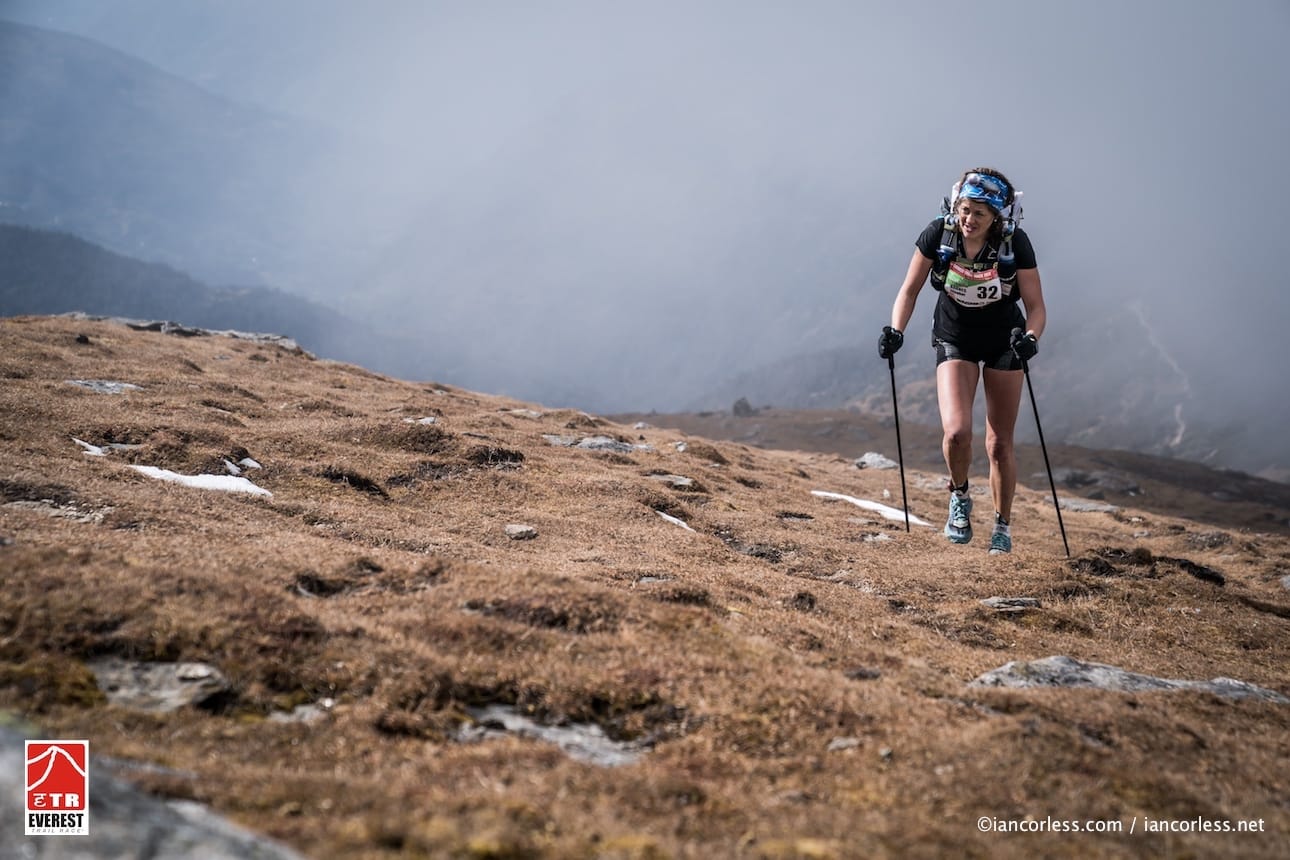
Before determining is there a difference between hiking poles and trekking poles, it’s crucial to understand what each type of pole is designed for. While many use these terms interchangeably, subtle distinctions exist driven by their specific functions, design features, and typical usage environments.
Hiking poles are often associated with lighter, less technical trails where the terrain is relatively even and manageable. Conversely, trekking poles tend to be geared toward more demanding, varied, and challenging terrains. This basic distinction influences design, adjustability, material composition, and extra features.
Hiking poles are generally lightweight, simple, and easy to handle, suitable for day hikes or casual outdoor walks. Trekking poles, on the other hand, are usually more rugged with enhanced features like shock absorption, multiple locking mechanisms, and ergonomic grips, making them ideal for extended treks or alpine expeditions.
The industry’s evolving terminology reflects these differences in function, but it’s worth noting that the market overlaps considerably. The most effective approach is understanding is there a difference between hiking poles and trekking poles in terms of design intent, which will help you select the most suitable gear for your adventure.
Design and Construction: How Materials and Build Influence Usage
Research into design reveals that hiking and trekking poles are constructed with distinct materials and build qualities tailored to their specific functions. While both types utilize aluminum, carbon fiber, or composite materials, their configurations differ, emphasizing durability, weight, and flexibility.
Hiking poles are typically made from lightweight aluminum alloys to provide a balance between strength and portability. Their simplistic structure often involves fixed-length models or easily adjustable telescoping designs. These poles focus on minimizing weight to avoid fatigue during prolonged walks on well-maintained paths.
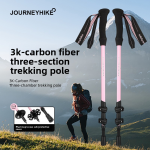
Trekking poles tend to incorporate enhanced features for rugged terrains. They often have multi-segment telescoping systems with more locking options, reinforced grips, and shock-absorbing mechanisms. The materials used are more resilient to impact and wear, ensuring that they withstand challenging environments. These poles may also include features like carbide tips for better traction on stones and ice, adding to their specialized nature.
Usage Context and Terrain Specificity
Understanding is there a difference between hiking poles and trekking poles also depends on recognizing the context of use. For casual hikers on gentle trails, lighter poles that can be adjusted or folded conveniently suffice. Such poles support balance, reduce joint stress, and improve overall trekking comfort without the demands of technical terrains.
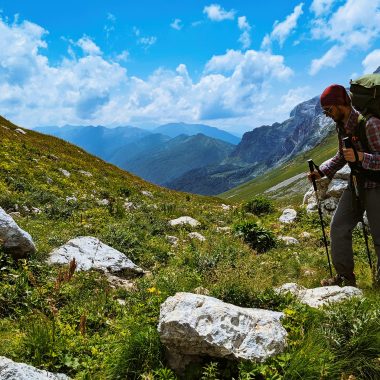
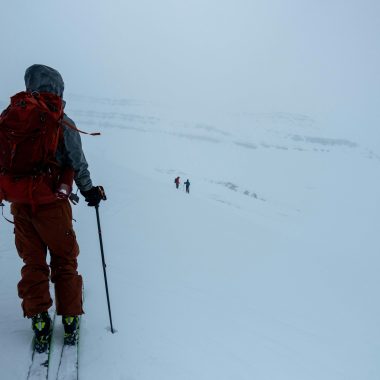
In contrast, trekking poles are indispensable for multi-day hikes in alpine or off-trail environments, where uneven surfaces, loose gravel, snow, or ice present additional risks. Their design accommodates these challenges with features like extended grip options, wrist straps for control, and shock absorption to manage impact forces during descents.
Furthermore, experienced trekkers value the durability and multifunctionality of trekking poles, as they often serve multiple purposes—from providing stability to probing depth or testing snow conditions—making them versatile tools in strenuous outdoor activities.
The Role of Adjustability and Ergonomics
When examining whether is there a difference between hiking poles and trekking poles, one must consider their adjustability. Both types often come with telescoping mechanisms, but trekking poles tend to have more refined adjustability options due to the varied terrains they tackle.
Trekking poles frequently feature ergonomic, adjustable straps and specialized grips designed to reduce fatigue and improve grip efficiency. These ergonomic considerations become vital during long treks, where fatigue could otherwise set in quickly. Additionally, the adjustability in length allows trekkers to optimize support during steep ascents or descents, enhancing safety and comfort.
Hiking poles often prioritize simplicity, with straightforward adjustment locks for quick setup, ideal for day hikes. Their ergonomic designs tend to be minimal, focusing on ease of use rather than advanced customization.
Practical Examples and Usage Recommendations
A practical illustration clarifies is there a difference between hiking poles and trekking poles. For example, if someone plans a casual day hike along a scenic trail, lightweight hiking poles with minimal shock-absorption features will likely meet their needs.
Conversely, if the adventure involves a multi-day trek across rugged mountain terrain, investing in trekking poles with shock-absorbing technology, multi-segment adjustability, and durable carbide tips becomes essential. These features provide better stability, reduce fatigue, and ensure safety in unpredictable conditions.
When selecting gear, consider factors such as trail difficulty, weather conditions, and personal preference. An understanding of the subtle differences can help users avoid overspending on unnecessary features or, conversely, under-equipping for challenging environments.
Frequently Asked Questions About Hiking and Trekking Poles

What are the main differences between hiking poles and trekking poles?
While both types serve similar functions—providing stability, reducing joint stress, and aiding balance—the primary difference lies in their design focus. Hiking poles are generally lightweight, simple, and suitable for easier trails. Trekking poles are more rugged and feature advanced adjustments, shock absorption, and durability for demanding terrains.
Can I use hiking poles for trekking, and vice versa?
Yes, to some extent. lightweight hiking poles can be used for trekking if the terrain isn’t too challenging, though they may lack the durability or features needed for rough environments. Conversely, trekking poles can be used for casual hikes, but their additional features may be unnecessary for simpler terrain, adding cost and weight.
Are adjustable poles better than fixed-length ones?
Adjustable poles offer flexibility, allowing users to modify length for uphill or downhill sections, or based on personal comfort. Fixed-length poles are simpler, lighter, and sometimes more durable, but they lack the versatility of adjustable models. Your choice depends on your hiking style and terrain complexity.
What features should I look for in trekking poles?
Key features include shock absorption to reduce impact, ergonomic grips for comfort during long climbs, reliable locking mechanisms, adjustable length, and durable tips suitable for different surfaces like snow or rocks.
Is weight an essential factor when choosing poles?
Absolutely. Lighter poles reduce fatigue during long treks and day hikes, especially when carried over great distances. Materials like carbon fiber excel in lightweight and strength, but may be more expensive. Balance your needs for durability and weight for optimal performance.
Conclusion
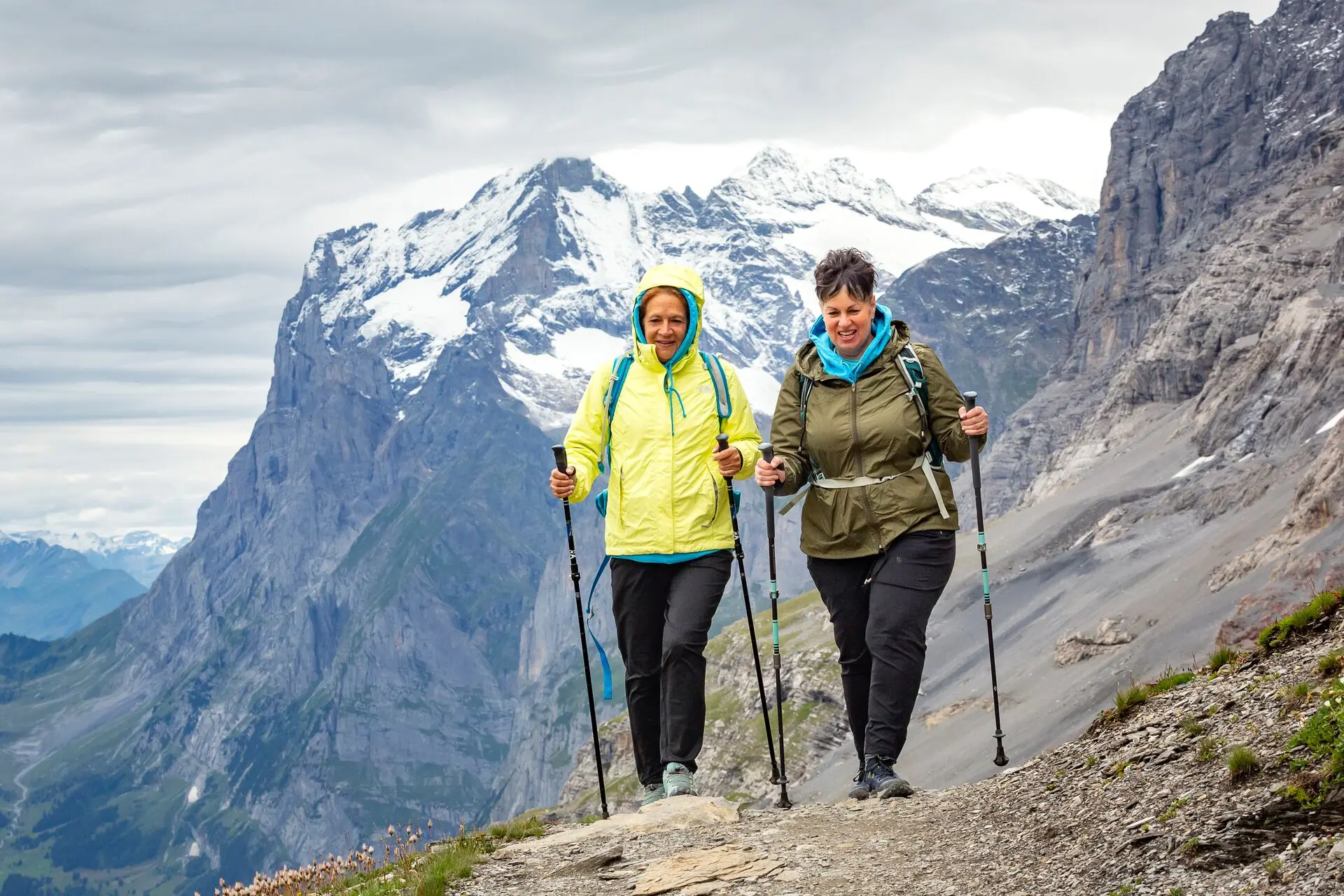
Understanding is there a difference between hiking poles and trekking poles empowers outdoor enthusiasts to select the best support gear for their adventures. Hiking poles are typically lightweight, simple, and ideal for less demanding trails, while trekking poles are more robust and feature-rich, designed to handle challenging terrains and extended outdoor treks. Both serve vital roles in enhancing safety, comfort, and performance, but knowing their differences allows you to optimize your gear choices intelligently. Whether you’re taking a casual stroll or embarking on an arduous mountain expedition, choosing the right poles significantly enhances your experience and safety on the trail.