Embarking on a trekking adventure is exhilarating and rewarding, yet it demands more than just enthusiasm. Properly preparing your body can transform an arduous trek into a seamless, enjoyable journey. If you’re asking yourself how to prepare your body for trekking, you’re already taking the first crucial step toward success. This comprehensive guide will explore physical preparations, lifestyle modifications, and practical tips to ensure you’re fit, resilient, and ready to conquer those trails.
The Importance of Physical Conditioning Before Trekking – Setting a Strong Foundation
Understanding why physical conditioning is vital is the first step to effective preparation. Trekking involves considerable physical exertion, often in challenging terrains and unpredictable weather conditions. Without adequate preparation, trekkers risk fatigue, injuries, or worse, health emergencies. A well-conditioned body not only improves endurance but also boosts confidence and enjoyment during your adventure.
Before delving into specific training routines and lifestyle advice, recognize that your body’s current fitness level influences how you should approach training. Whether you’re a seasoned hiker or a beginner, establishing a baseline helps design effective, personalized plans. The goal is to build stamina, strengthen key muscle groups, and enhance overall flexibility—all pivotal in navigating inclines, uneven surfaces, and carrying supplies.
Achieving this involves a combination of cardiovascular activities, strength training, and flexibility exercises. Incorporating these elements gradually prepares your muscles, joints, and cardiovascular system for the rigors of trekking. Remember, consistency and gradual progression are critical in avoiding injuries and ensuring sustainable improvements.
How to assess your current fitness level
Start with simple assessments such as a brisk walk or light jog, noting your endurance and recovery time. For strength, test your ability to perform bodyweight exercises like squats and planks. Record these benchmarks to track progress and adjust your training intensity accordingly. Consulting a fitness professional before starting a new regimen can also provide valuable insights tailored to your needs, especially if you have pre-existing health conditions.
Developing a targeted training plan
A balanced plan includes aerobic workouts for cardiovascular health, strength training to support your body during prolonged walks, and flexibility exercises to prevent strains. For instance, jogging or cycling sessions three times a week can significantly boost stamina. Complement this with exercises like lunges, deadlifts, and core workouts to strengthen the thighs, hips, and core, which are critical for maintaining stability on uneven terrain.
Incorporating altitude simulation if necessary
If your trek involves high altitudes, preparing your body for lower oxygen levels becomes essential. Practices such as interval training in hypoxic conditions or spending time at higher elevations prior to your trip can acclimatize your system, reducing altitude sickness risks. Proper acclimatization is crucial in avoiding fatigue and serious health issues in high-altitude environments.
Enhancing Endurance and Strength – Building Physical Resilience for Challenging Trails
As you progress in your training journey, the focus must shift toward enhancing endurance and muscular strength to face the physical demands of trekking. Endurance allows you to sustain prolonged activity without exhaustion, while strength supports your joints and stabilizes your movements, reducing the likelihood of injuries.
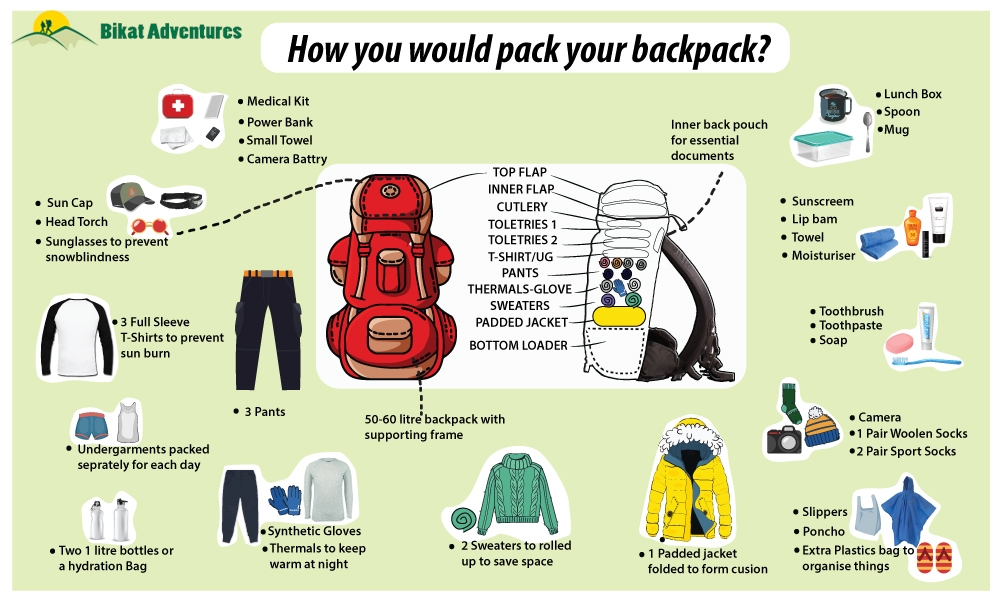
Trekking often involves carrying backpacks with essentials, navigating steep inclines, and enduring long hours of walking. Therefore, customizing your training to mimic these conditions improves your preparedness and confidence. Integrate activities that simulate trekking environments, such as hill repeats, weighted walks, and stair climbing, to prepare your body for the terrain you’ll encounter.
The significance of cardiovascular fitness
Cardiovascular fitness is the backbone of endurance. Building a robust cardiovascular system improves oxygen delivery to muscles and accelerates recovery. Incorporate activities such as running, swimming, cycling, or brisk walking into your weekly routine. Aim for at least 150 minutes of moderate-intensity aerobic exercise; this standard is backed by health authorities and effectively enhances stamina for trekking.
Strengthening key muscle groups involved in trekking
Focus on building strength in specific muscle groups essential for treks. Your legs, hips, and core muscles bear the brunt of prolonged walking and uneven terrain. Exercises like squats, lunges, step-ups, and core workouts strengthen these areas. Strengthening your back and shoulders also helps in managing your backpack comfortably, reducing fatigue and discomfort.
The role of cross-training in injury prevention
Cross-training diversifies workload and reduces overuse injuries. For example, engaging in swimming or cycling provides low-impact cardiovascular boosts while giving your joints a break from high-impact activities. Incorporating yoga or Pilates enhances flexibility, balance, and core strength, which are crucial for maintaining stability on rugged paths.
Practical tips for building endurance in real-world scenarios
Gradually increase the intensity and duration of your training sessions. This progressive overload ensures continuous improvement without overwhelming your body. Plan longer hikes with weight-loaded backpacks or traverse varied terrains to replicate true trekking conditions. Listen to your body, and incorporate rest days to facilitate recovery, preventing burnout and injuries. Consistent practice and incremental challenges are the pillars of physical resilience.
Nutrition, Hydration, and Lifestyle Habits for Optimal Body Preparedness
Preparing your body for trekking isn’t solely about physical training; lifestyle behaviors profoundly impact your readiness. Proper nutrition, hydration, sleep, and stress management are fundamental components for a resilient body capable of handling the rigors of trekking.
Nutrition strategies to fuel your body effectively
A balanced diet rich in macronutrients—carbohydrates, proteins, and healthy fats—provides sustained energy. Carbohydrates serve as your primary energy source during prolonged activities, while proteins aid in muscle repair and recovery. Incorporate fruits, vegetables, lean meats, whole grains, nuts, and seeds. Pre-trekking, focus on carbohydrate-loading to maximize glycogen stores, which serve as your body’s energy reserves during demanding hikes.
Hydration techniques and their importance
Dehydration diminishes physical performance and increases health risks. Establish a hydration routine that matches your activity intensity and environmental conditions. Drink water regularly throughout the day, and supplement with electrolytes during long hikes to replenish minerals lost through sweat. Learning to recognize early signs of dehydration—such as fatigue, dizziness, or dry mouth—can prevent serious issues mid-trek.
Adequate sleep and stress management
Quality sleep enhances recovery, strengthens immunity, and improves cognitive function—crucial for navigating complex trails. Aim for 7-9 hours of restful sleep each night, especially during training phases. Incorporate relaxation techniques such as meditation, deep breathing, or yoga to manage stress, which can otherwise impair physical performance and impede progress. A calm mind and rested body work synergistically to optimize your pre-trek readiness.
Lifestyle habits that support physical preparedness
Avoid smoking and excessive alcohol consumption as these habits impair oxygen transport and hinder recovery. Maintain a regular routine of physical activity and ensure your body adapts to increased demands gradually. Additionally, schedule periodic health check-ups to detect and address potential issues early, ensuring a smooth preparation process for your trek.
FAQs – Common Questions About Preparing Your Body for Trekking
Q1: How early should I start training before a trekking trip?
Start at least 8-12 weeks before your trek. This timeline allows your body to adapt progressively, improving endurance, strength, and stamina.
Q2: Can I prepare my body for trekking if I have pre-existing health conditions?
Yes, but consult with your healthcare provider or a fitness professional to create a tailored plan. Proper guidance ensures safety and effective conditioning.
Q3: Is stretching necessary before and after trekking?
Absolutely. Stretching enhances flexibility, reduces muscle soreness, and improves blood circulation, aiding recovery and injury prevention.
Q4: How important is a proper diet in trekking preparation?
Diet plays a crucial role. Adequate nutrition fuels your training, accelerates recovery, and ensures you have sufficient energy reserves for your trek.
Q5: What are some common injuries during trekking, and how can I prevent them?
Common injuries include sprains, blisters, and muscle strains. Prevention involves proper footwear, gradual training, stretching, and maintaining good hydration and nutrition.
Conclusion
Properly how to prepare your body for trekking involves a multifaceted approach combining physical training, nutritional strategies, lifestyle modifications, and mental readiness. Building endurance, strengthening core muscle groups, and ensuring optimal hydration and sleep are foundational steps that empower you to handle challenging terrains and long hours on the trail. Personalizing your training plan according to your fitness level, gradually increasing intensity, and listening to your body are vital to prevent injuries and maximize enjoyment. Ultimately, a well-prepared body not only makes your trek safer but also enriches the overall experience, turning a strenuous adventure into an unforgettable journey through nature’s splendor.