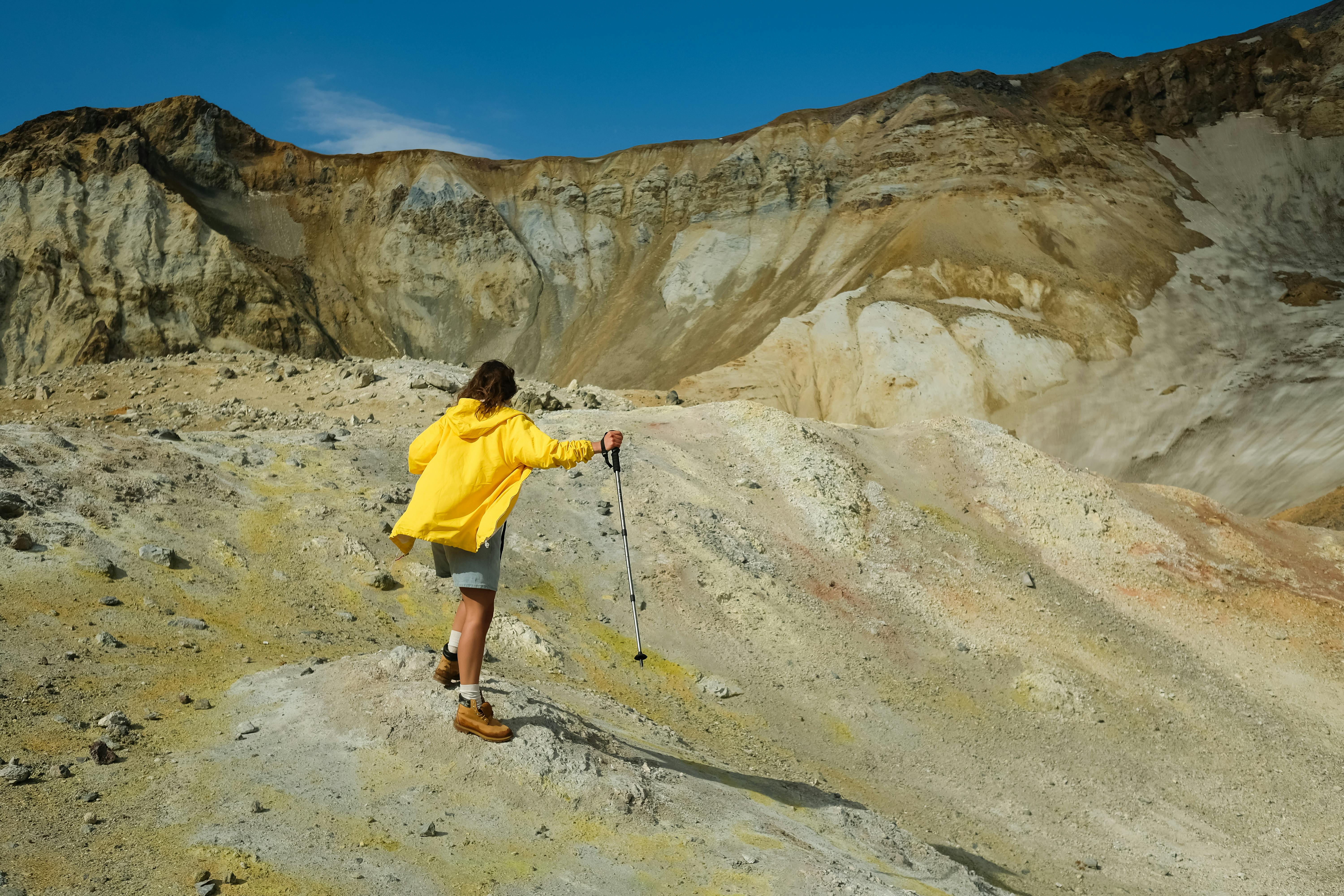
Finding the right hiking pole can be tough. Many trekking poles feel heavy, hurt your wrists, or don’t last long on the trail. If you hike with a full daypack or take long treks in places like the Grand Canyon or Wind River Range, these problems might sound familiar.
The wrong pole slows you down and makes your adventures less fun.
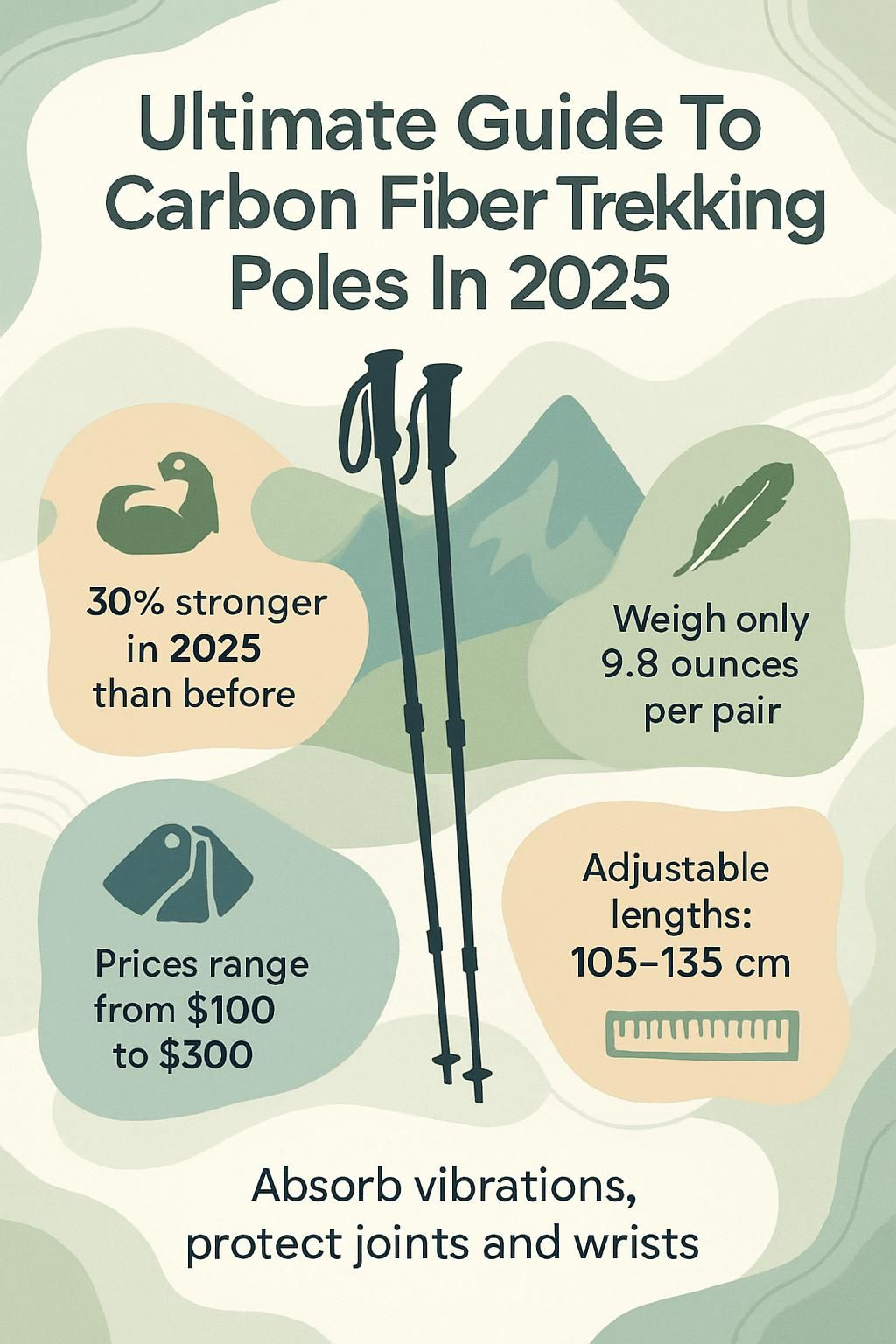
Testing different trekking poles helped me see what works and what doesn’t. I tried basic aluminum models and new carbon fiber ones in lots of weather and trails. One clear thing stood out: Carbon fiber materials are now 30% stronger than before—and much lighter at just 9.8 ounces per pair! After many hikes, I learned which features matter most for lightweight backpackers, hikers, climbers, and even trail runners who want strong but light gear.
This guide shares everything you should know about choosing carbon fiber trekking poles in 2026. You’ll learn which features to look for—like adjustable length, shock absorption tech, quick locks, grip material—and see top picks from trusted brands such as Black Diamond and Montem.
Whether you need steady support for snowshoeing or comfort for long walks with a loaded pack…this guide has helpful answers.
Keep reading—I’m here to help make your next hike smoother and safer!
Key Takeaways
- Carbon fiber trekking poles in 2026 are about 30% stronger than before and weigh only 9.8 ounces per pair, making them much lighter than most aluminum models.
- Top brands like Black Diamond, LEKI, Montem, Cascade Mountain Tech, MSR, Gossamer Gear, and Zpacks offer strong features such as shock absorption tech, adjustable lengths (105–135 cm), cork grips for comfort, and quick/twist locking systems.
- Carbon fiber poles absorb trail vibrations better than aluminum ones; this protects your wrists and joints while hiking on rough terrains or steep slopes.
- Prices range from $100 to $300 for carbon fiber models. They cost more than aluminum poles ($50–$150) but provide a higher strength-to-weight ratio and easier packability for backpackers.
- Maintenance is easy: wipe the poles after each use, check locks and tips often for damage or wear, replace worn parts quickly, and store them dry to keep them strong hike after hike.
What Makes Carbon Fiber Trekking Poles Unique?
Carbon fiber trekking poles stand out because they are super light and strong—way lighter than steel or aluminum hiking sticks. They also cut down on shaky hands by soaking up trail bumps, giving you a smoother walk with every step.
Why Are Carbon Fiber Trekking Poles Lightweight?
Poles made from carbon fiber use tiny strands of carbon, all woven together. This makes them strong but very light. I can pick up a pair that weighs just 9.8 ounces, less than most aluminum trekking poles on the market today.
The Montem Ultra Light 100% Carbon Fiber Trekking Poles are a perfect example for ultralight backpackers and long-distance hikers.
The material itself is about 30% stronger than before, so brands like Black Diamond and LEKI can make thinner shafts without losing durability or strength. Hiking with lightweight trekking poles helps me fight fatigue over long trails in places like the Wind River Range or Capitol Reef.
Strong yet super light—carbon fiber takes weight off my pack while keeping each step steady.
How Does Carbon Fiber Provide High Strength-to-Weight Ratio?
Carbon fiber is special because it mixes lightweight with strength. This combination makes carbon fiber trekking poles very popular in 2025. They weigh just 9.8 ounces for a pair, making them easy to carry on long hikes or climbs.
The secret lies in the way carbon fibers are made. They are tightly packed together, which means they create strong bonds.
In fact, these materials are about 30% stronger than older designs. This high strength-to-weight ratio helps me stay stable while hiking on rocky trails and steep terrains. Unlike aluminum trekking poles that can bend or break easily under pressure, carbon fiber poles absorb shock well from impacts with the ground.
This feature allows me to hike comfortably without added stress on my joints or hands during tough outdoor activities like peak-bagging or trail running.
How Do Carbon Fiber Poles Absorb Vibration?
Carbon fiber poles do a great job of absorbing vibration. They can handle shocks better than aluminum poles. This means less strain on my arms and joints while hiking. The material has a unique structure that helps it flex without breaking.
It acts like a spring, soaking up impacts from rocks and roots on the trail.
During my hikes, I’ve noticed how smooth they feel underfoot. Every step feels cushioned, making long days easier. The technology used in these poles is 30% stronger than older designs; this makes them more effective at reducing vibrations.
For anyone tackling steep terrain or uneven paths, carbon fiber trekking poles are ideal for stability and comfort on the trails.
Top Carbon Fiber Trekking Poles of 2026
The best carbon fiber trekking poles of 2026 stand out for their smart features and strong build. I’ll share the top choices, like Black Diamond Alpine Carbon Cork and LEKI Black Series FX Carbon, which are popular among hikers.
What Are the Features of Black Diamond Alpine Carbon Cork?
Black Diamond Alpine Carbon Cork trekking poles are top of the line. Their design blends strength and lightness for better hiking.
- Lightweight at 9.8 ounces for the pair, they help me carry less weight on long hikes.
- Made from carbon fiber, these poles absorb more shock than aluminum; this feature helps reduce strain on my joints.
- The cork grips feel comfortable in my hands; they also wick away sweat during hot days.
- Adjustable length ranges from 105 to 135 cm; I can easily change the height based on terrain.
- Twist locks make for simple adjustments; I can quickly secure them and avoid slippage while climbing.
- They come with interchangeable tips; whether on rocky trails or soft snow, I’m ready for any surface.
- The durability shows in how they withstand tough conditions; they resist bending or breaking under pressure.
- Black Diamond offers a rubber tip option for various terrains; using rubber tips gives added grip when needed.
These features make the Black Diamond Alpine Carbon Cork a great choice for hiking gear lovers like me!
Why Choose LEKI Black Series FX Carbon?
LEKI Black Series FX Carbon trekking poles are great for hikers. They offer a mix of strength and lightness, making them easy to carry.
- These poles weigh only 9.8 ounces for the pair. That’s super light compared to many other options on the market.
- The carbon fiber material is 30% stronger than older designs. This means better durability and longer use on tough trails.
- They have adjustable lengths from 105-135 cm, or 41 to 53 inches. This feature helps fit different terrains and hiker heights.
- The twist locks allow for quick adjustments. I found it very handy when switching between steep climbs and flat paths.
- Padded wrist straps provide extra comfort while using the poles. My hands never felt tired or strained during long hikes.
- The shock absorption technology helps reduce impact on my joints when hiking downhill; this makes a big difference on tough trails.
- Rubber tips and mud baskets are included, making these poles versatile in various conditions, like muddy paths or paved roads.
- LEKI has a solid reputation in outdoor gear, which gives me peace of mind knowing I’m using quality equipment.
Choosing LEKI Black Series FX Carbon trekking poles feels smart for any outdoor adventure!
What Makes MSR DynaLock Explore Stand Out?
The MSR DynaLock Explore trekking poles are impressive for many reasons. They blend strength and lightness well.
- Weighing just 9.8 ounces for the pair, these poles make long hikes easier on the body.
- The DynaLock system lets me adjust the pole length easily, which I appreciate when changing terrain.
- Made of carbon fiber, they absorb shock better than aluminum poles; this makes a big difference on rocky trails.
- Their sturdy construction is 30% stronger than older models; durability is key for me.
- The foam grip provides comfort during long walks, reducing hand fatigue significantly.
- Included rubber tips offer traction on various surfaces, making them versatile for different conditions.
- They pack down small, making storage easy when not in use; this feature is a must for backpackers.
- These poles come with interchangeable baskets to adapt them for snowshoeing or muddy trails.
Next, let’s explore key features to look for in carbon fiber trekking poles.
How Does Gossamer Gear LT5 Compare?
Gossamer Gear LT5 trekking poles are impressive. They stand out for many reasons.
- They weigh just 9.8 ounces for the pair, making them ultra-lightweight.
- Carbon fiber makes them very strong. This material is 30% stronger than older designs.
- The poles absorb shock well, so hiking feels easier on tough terrain.
- I love how adjustable these poles are, ranging from 105 to 135 cm, or about 41 to 53 inches.
- These poles come with rubber tips and mud baskets, which add to their versatility.
- Gossamer Gear LT5 features a twist lock mechanism for quick adjustments during hikes.
- The cork grip provides comfort and helps reduce hand fatigue on long trails.
- Many hikers recommend them for ultralight backpacking trips or day hikes.
- Their packability is great; they collapse down nicely for easy transport in my backpack.
- Gossamer Gear offers a solid warranty, adding peace of mind with every purchase.
Using these poles can enhance my outdoor experiences easily on various terrains like steep hills or rugged paths.
What Are the Benefits of Zpacks Minimalist Poles?
Zpacks Minimalist Poles are light and strong. These trekking poles offer great features for hikers.
- They weigh only about 9.8 ounces for the pair, making them easy to carry on long hikes.
- The poles are made from carbon fiber, which absorbs shock better than aluminum poles.
- I can adjust the length easily; they range from 105 to 135 cm (41 to 53 inches), fitting different heights and terrains.
- The grips have a cork material that feels good in my hands, reducing slipping during wet or sweaty conditions.
- Zpacks includes rubber tips for adding grip on hard surfaces and snow baskets for soft ground or snow.
- These poles are collapsible, allowing me to pack them easily in my backpack when not in use.
- Their sturdy design ensures they hold up against rough trails and steep climbs, providing reliable support.
- Some users find them comfortable due to the padded wrist straps that prevent chafing during long treks.
These benefits make Zpacks Minimalist Poles a top choice for hikers seeking lightweight gear. Next, I will discuss key features to look for in carbon fiber trekking poles.
Key Features to Look for in Carbon Fiber Trekking Poles
When choosing carbon fiber trekking poles, focus on key features that matter. Adjustable length is a must for comfort, while locking mechanisms keep your poles secure during hikes.
What Are the Different Locking Mechanisms?
Trekking poles come with various locking mechanisms. Each type has its own advantages. One common option is the twist lock. This kind allows for quick adjustments and feels secure when tightened well.
I like how easy it is to use while on the go.
Another popular choice is the Quick Lock system. It uses a lever to secure the pole in place, making it very user-friendly. These locks are reliable and fast to adjust, which I appreciate on long hikes.
Both types work well but offer different experiences based on your needs and preferences as an outdoor enthusiast. Now, let’s explore adjustable length next!
How Important Is Adjustable Length?
Adjustable length is a key feature for trekking poles. I find it helps me get the right height for my needs. With carbon fiber trekking poles, I can easily change the size from 105 to 135 cm, or about 41 to 53 inches.
This range works well whether I’m on flat trails or steep hills.
Being able to adjust the length also means better comfort and balance. It helps reduce strain on my legs during long-distance backpacking trips. Plus, using adjustable trekking poles makes climbing easier and safer.
I enjoy knowing that my gear fits me perfectly!
Which Grip Materials Are Best?
The best grip materials for trekking poles can make a big difference. Cork grips feel good in the hand and wick away moisture. They keep my hands from slipping when I sweat. Foam grips are soft and comfortable, but they may soak up water over time.
Rubber grips offer great durability, especially on rough terrain.
I find cork to be the most popular choice among hikers. Its natural feel and lightweight design stand out during long treks. Rubber is also nice because it gives extra support on tough trails.
The right material helps me stay steady while hiking on steep paths or uneven ground with carbon fiber trekking poles like the Black Diamond Distance Carbon Z or LEKI Makalu Cork Lite.
Why Consider Interchangeable Tips and Baskets?
Switching from grip materials to the next topic, interchangeable tips and baskets really matter. I have found that they add versatility to my trekking poles. This feature allows me to adapt my gear for different terrains.
For instance, rubber tips are great for rocky paths while snow baskets help in soft snow conditions.
Using these tips means better stability and control on various surfaces. My carbon fiber trekking poles become even more useful when I can change the tips based on where I hike or backpack.
Stronger traction or floatation makes a big difference during a long trek. With adjustable lengths and twist locks for easy setup, my hiking experience gets much better as well!
How Does Shock Absorption Technology Work?
Shock absorption technology helps to lessen the impact when trekking poles hit the ground. This is especially important for a comfortable hike. Carbon fiber trekking poles, like those I’ve used, can absorb shock better than aluminum ones.
They are about 30% stronger than earlier models and weigh just 9.8 ounces for a pair.
The design of these poles allows them to flex slightly upon impact. This flexibility reduces the jarring feeling in my arms and joints during hikes. When trekking downhill or on rough terrain, this feature makes a big difference in stability and comfort on long-distance backpacking trips or day hikes.
Using carbon fiber poles keeps me going strong without as much strain on my body!
How We Tested the Best Trekking Poles
Testing trekking poles is fun and eye-opening. I checked their strength, comfort, weight balance, and how easy they are to pack. Each pole faced real-world challenges to see how they hold up on the trail.
How Do We Test Durability?
To test durability, I push the trekking poles to their limits. I take them on tough trails and steep climbs. It’s essential to see how they hold up under pressure. The best carbon fiber trekking poles are strong—they can handle impact well.
For example, the Montem Ultra Light 100% Carbon Fiber Trekking Poles are 30% stronger than earlier models.
I pay close attention to how they absorb shock during hikes. This helps me know if they can protect my joints from strain. Each pole should stay steady while walking on rocky paths or uneven ground.
By testing many brands like Black Diamond and LEKI, I identify which ones last longer and perform better in real hiking conditions.
What Makes a Pole Comfortable?
A comfortable trekking pole feels good in my hands. The grip is key. I prefer cork grips because they absorb sweat and stay warm in cold weather. Padded wrist straps are also great; they help me secure the poles without putting too much stress on my wrists.
Weight plays a big role in comfort, too. Carbon fiber poles are super light, weighing just 9.8 ounces for a pair; this makes long hikes easier on my arms and shoulders. Adjustable lengths matter as well; being able to change the size helps me find what feels right for different terrains, like steep hills or flat trails.
These features make all the difference when I’m out hiking or backpacking with friends!
How Is Weight Distribution Evaluated?
Weight distribution in trekking poles is important for balance and comfort. I check how evenly the weight sits when standing still or moving. If a pole has too much weight at the top, it can flip over easily.
A well-balanced pole feels stable under pressure while walking.
I also look at how the design affects performance on different trails. Poles like the Montem Ultra Light 100% Carbon Fiber Trekking Poles are great because they are lightweight and strong, weighing just 9.8 ounces per pair.
This makes them easier to handle during long hikes or climbs, allowing me to maintain good posture without feeling tired too quickly. Next up is understanding carbon fiber versus aluminum trekking poles!
What Is Packability and Why Does It Matter?
Packability is how easily I can store my trekking poles. Good packability means they fit well in a backpack without taking up too much space. For hikers like me, this is a big deal.
Lightweight trekking poles, like the best carbon fiber trekking poles of 2026, often fold down to be more compact.
Having poles that are easy to pack lets me carry them on long treks or day hikes with no hassle. It also matters when I’m traveling by air. Some brands offer collapsible trekking poles which are great for fitting into small bags.
This feature adds convenience and makes hiking gear easier to manage during my adventures.
How Do We Measure Overall Performance?
I measure performance by looking at several key aspects of the trekking poles. First, I check durability. It’s essential to know how well they hold up over time and under pressure.
Carbon fiber trekking poles are known for their strength, as they are 30% stronger than past models.
Next, comfort matters a lot. I look at grip materials; cork grips feel great during long hikes. Weight distribution is also crucial; lighter poles can make a significant difference during long treks.
Finally, packability plays a role too. Poles that fold down small fit easily in backpacks like the Montem Ultra Light carbon fiber option—perfect for ultralight backpacking days! These factors all come together to give me a clear understanding of how well each pole performs on the trail.
Carbon Fiber vs. Aluminum Trekking Poles
Carbon fiber and aluminum trekking poles are popular choices for hikers. Carbon fiber poles are light and strong, making them easy to carry. Aluminum poles, on the other hand, tend to be heavier but offer great durability.
When comparing these two materials, weight is a key factor—carbon fiber beats aluminum here. Yet, aluminum may last longer in tough conditions. Each type has its pros and cons; it all depends on what you need for your adventures!
How Do Carbon Fiber and Aluminum Poles Compare in Weight?
Carbon fiber trekking poles are much lighter than aluminum ones. I’ve felt the difference myself on hikes. A pair of carbon fiber poles weighs just 9.8 ounces, while aluminum poles can be heavier.
This weight makes a big impact during long treks.
Using lighter poles helps me stay energized on the trail. When every ounce counts, those carbon fiber trekking poles really shine. They offer strength without the bulk—making them ideal for ultralight backpacking and day hikes alike!
Which Material Offers Better Durability and Strength?
Poles made from carbon fiber are stronger than poles made from aluminum. The strength of carbon fiber is about 30% better than older versions. This makes them very durable, even on tough trails.
Lightweight trekking poles can handle more shock too, which means they support my movements well.
Aluminum poles do offer some durability but may not absorb shock as effectively as carbon fiber ones. As I hike or backpack, I notice that the lightweight quality of carbon keeps me agile.
It feels like a big advantage when I’m out exploring rugged paths or steep climbs.
What Are the Price Differences Between Carbon Fiber and Aluminum?
Carbon fiber trekking poles cost more than aluminum ones. A good pair of carbon poles can range from $100 to $300. They are lighter and offer better shock absorption, making them worth the price for serious hikers.
On the other hand, aluminum trekking poles usually cost between $50 and $150. They are heavier but still durable.
I find that budget affects my choice when selecting hiking gear. If I need something lightweight for long hikes, I’ll invest in carbon fiber poles like Montem Ultra Light 100% Carbon Fiber Trekking Poles.
For casual day hikes, aluminum options work just fine without breaking the bank. Each material has its pros and cons, which helps in deciding what suits me best on the trail.
Best Uses for Carbon Fiber Trekking Poles
Carbon fiber trekking poles are great for long hikes. They help on steep trails. These poles can also be used for trail running. If you’re snowshoeing, they work well too. Want to learn more about how to choose the right ones?
Why Are Carbon Fiber Poles Ideal for Long-Distance Backpacking?
Carbon fiber poles are great for long-distance backpacking. They weigh just 9.8 ounces for a pair, making them easy to carry on long treks. This lightweight design helps me stay fresh and light on my feet during hikes.
The strength of carbon fiber is impressive too; it can handle more impact than aluminum poles.
Absorbing shock is vital for comfort over rough terrain, and these poles do that well. I’ve felt the difference when hiking steep trails or rocky paths; they really help reduce fatigue in my arms and legs.
Thanks to their adjustable size, I can set them between 105-135 cm (41 to 53 inches) easily, which fits various heights and preferences perfectly. Next, let’s explore some top carbon fiber trekking poles of 2026!
How Do They Perform on Steep Terrain?
Steep terrain can be tough to traverse. Carbon fiber trekking poles really demonstrate their strength here. These poles help me maintain balance and stability on steep slopes. They are also light, which means my arms don’t tire easily while climbing.
With a weight of just 9.8 ounces for the pair, I find it easier to push myself forward. The shock-absorbing feature makes a significant difference too; it reduces impact as I step down each slope.
These carbon pole designs truly shine in rocky or steep areas, giving trekkers like me more confidence on challenging trails. Next up is how to choose the right carbon fiber trekking poles for your adventures!
Can You Use Carbon Fiber Poles for Trail Running?
Carbon fiber poles work well for trail running. They are light, making it easy to carry them over long distances. I found the best carbon fiber trekking poles weigh just 9.8 ounces for a pair.
This lightness helps me move faster without feeling tired.
These poles also absorb shock from impacts with the ground better than aluminum ones do. For steep terrains and rough trails, they provide stability and reduce strain on my body. I enjoy using them during runs because they help keep me balanced while I navigate tricky spots along the way.
Are Carbon Fiber Poles Suitable for Snowshoeing?
Carbon fiber poles are great for snowshoeing. They are light and easy to carry, weighing just 9.8 ounces for a pair. This lightweight design makes trekking much simpler on snowy trails.
I’ve used carbon fiber poles in the snow, and they provided excellent support while I moved over uneven terrain.
Shock absorption is another benefit with these poles. They can absorb impact better than aluminum ones. This helps reduce strain on my joints when stepping into soft or icy areas. The adjustable lengths also come in handy; I can change them from 105 cm to 135 cm based on conditions or my height.
If you enjoy snowshoeing, consider using carbon fiber trekking poles for a smoother experience on the trails ahead.
Maintenance Tips for Carbon Fiber Trekking Poles
Taking care of your carbon fiber trekking poles is key to their life. Clean them after each trip and store them in a dry place. Check the locks and tips regularly for wear. If you see damage, replace those parts right away.
How Should You Clean and Store Carbon Fiber Poles?
I want my carbon fiber trekking poles to last. Keeping them clean and stored right is key. Here’s how I do it:
- Wipe down the poles after each use. I use a damp cloth to remove dirt and grime from the shafts.
- Check the locking mechanisms, too. A quick clean helps them work better over time.
- Dry the poles thoroughly before storing them. Moisture can damage the materials.
- Store them in a cool, dry place. Avoid areas with high humidity or extreme temperatures.
- Use padded bags for extra protection during transport. This keeps the poles safe from bumps and scratches.
- Inspect rubber tips regularly for wear and tear. Replace them as needed to maintain grip on different terrains.
- Take out the trekking poles periodically to ensure they are in good condition; this way, I can catch any issues early on.
- Keep interchangeable tips handy for different activities like snowshoeing or hiking in mud.
- Store at an adjustable length when possible; this protects both joints and locking mechanisms.
I trust these steps will keep my carbon fiber trekking poles ready for adventure!
How Do You Inspect Locks and Tips?
Inspecting the locks and tips on carbon fiber trekking poles is key to safe hiking. Regular checks keep them usable and strong.
- Look at the locking mechanism closely. Twist locks should turn smoothly without any stiffness or grinding noise.
- Check for cracks or breaks in the lock body. Any damage can lead to failure when you need support most.
- Test the lock’s grip by pulling on it gently after adjusting. It should hold firm without slipping.
- Examine the tips for wear and tear. Replace rubber tips or mud baskets if they are worn down or cracked.
- Inspect tungsten carbide tips for sharpness and chips. Dull or damaged tips can slip on trails, causing falls.
- Clean dirt or debris from around the locks and tips regularly to ensure smooth operation.
- Make sure interchangeable tips fit tightly into place, with no wobbling when pushed in fully.
- Check padded wrist straps for signs of wear or fraying; replace them if they feel weak.
- Store poles properly to avoid bending the locks or damaging the tips during transport.
This simple checklist helps keep trekking poles working well on every adventure!
When and How Should You Replace Worn Parts?
Worn parts can weaken carbon fiber trekking poles. It’s important to replace them to keep your gear safe and functional.
- Check rubber tips regularly. If they are worn down and no longer grip, replace them. Worn tips can make poles slide on wet or muddy surfaces.
- Inspect locking mechanisms often. If they do not hold securely, it may be time for a new lock. A faulty lock can cause a pole to collapse unexpectedly.
- Examine the straps too. If the padded wrist straps show signs of wear or tear, consider replacing them. Frayed straps can lead to less control during hikes.
- Look at the baskets on the poles. Mud baskets and snow baskets can wear out quickly in tough conditions; if damaged, swap them out for new ones that suit your terrain.
- Notice any cracks or splits in the pole itself. Carbon fiber is strong but can crack over time; replace any broken parts immediately to ensure safety.
- Keep track of how often you hike and use your poles frequently; consistent use might mean quicker wear and tear; always be proactive about replacements.
- Follow manufacturer guidelines for maintenance and replacement schedules as well; this helps in keeping your hiking gear in top shape throughout its lifespan.
- Be aware that carbon fiber materials are 30% stronger than older versions, yet even strong materials have limits; monitor performance closely.
- Always carry spare parts during long trips if possible; being prepared ensures I stay ready when trekking through challenging terrains like those found near Grand Canyon or Wind River Range trails.
Popular Brands Leading the Market in 2026
In 2025, brands like Black Diamond and LEKI are leading the way in carbon fiber trekking poles. They offer great features for hikers of all levels. Cascade Mountain Tech and Montem also provide solid options that stand out in the market.
Each brand brings something unique to the table… Check them out to find your perfect match!
What Makes Black Diamond a Top Brand?
Black Diamond makes some of the best trekking poles on the market. Their products stand out for their quality and performance. I find their poles light, yet strong. The Black Diamond distance carbon flz weighs just 9.8 ounces for a pair, making it easy to carry on hikes.
Their twist locks are simple to use and allow quick adjustments during my trips. I appreciate that these poles absorb shock well, giving me stability on tough terrain. Black Diamond is known for reliability among hikers and backpackers alike, including myself.
For those seeking lightweight hiking gear without sacrificing strength, this brand is a top choice in 2026!
Why Choose LEKI for Trekking Poles?
LEKI makes great trekking poles that many people love. Their poles are lightweight, perfect for hikes and backpacking trips. I find them easy to use because they have twist locks for quick adjustments.
LEKI also offers solid grip materials, like cork, which feels good in my hands.
These poles absorb shock well, making long walks much safer on tough trails. LEKI combines durability with comfort, so I feel stable while climbing or walking downhill. Choosing LEKI means choosing a brand that cares about quality and performance in outdoor gear.
How Does Cascade Mountain Tech Compare?
Cascade Mountain Tech makes good trekking poles. They are lightweight, making them easy to carry on hikes. Some of their poles weigh about 9.8 ounces for the pair, just like other top brands in 2025.
I found that they also absorb shock well; this helps reduce stress on my arms and legs during long walks.
The locking system is simple and effective too. Twist locks make it easy to adjust the height quickly. This feature is important for different terrains or when sharing with friends who may need a different length.
When I compare these poles with others like Black Diamond or Leki, Cascade stands out because they offer great value without losing performance. Now, let’s see why Black Diamond is such a popular choice in hiking gear today!
What Are Montem’s Key Offerings?
Montem offers some great lightweight trekking poles. Their Ultra Light 100% Carbon Fiber Trekking Poles are a favorite among backpackers and hikers. These poles weigh just 9.8 ounces for the pair, making them easy to carry on long hikes.
The carbon fiber design makes them strong and durable too; they are even 30% stronger than older models.
I appreciate that Montem’s poles come with adjustable lengths, ranging from 105-135 cm or 41 to 53 inches. This feature is perfect for different terrains I encounter while hiking.
They also include rubber tips and snow baskets, which add versatility for various conditions like trails or snowy paths. Montem makes quality gear that helps me stay stable and balanced on my adventures.
How to Choose the Right Carbon Fiber Trekking Poles
Choosing the right carbon fiber trekking poles can make a big difference. Consider your hiking terrain and budget before buying. Look for features like adjustable length, grip materials, and locking mechanisms to find what works best for you.
How to Choose Poles Based on Terrain?
Choosing the right poles is key for different types of terrain. I’ve learned that selecting wisely can make a big difference in my hiking experience.
- Smooth trails call for lightweight trekking poles. Carbon fiber trekking poles are perfect here. They weigh just 9.8 ounces for the pair, making long hikes easier.
- For rocky terrain, durability matters most. Look for poles with strong grips and sturdy tips. Rubber tips work well on hard surfaces and reduce shock.
- Steep paths need adjustable trekking poles. I prefer models that can change height easily, like those with quick locks. This helps me tackle inclines without straining.
- Snowy trails benefit from snow baskets on the poles. These keep me from sinking too deep into the snow, allowing smoother movements.
- If planning to run on trails, choose ultralight options. The Montem Ultra Light 100% Carbon Fiber Poles are great here because they offer stability without weighing me down.
- On backcountry hikes, focus on packability and weight distribution. Collapsible trekking poles fit easily in my bag and enhance balance during uneven walking conditions.
- In muddy areas, opt for mud baskets for better grip and support; this keeps me stable as I navigate slippery spots.
- When hiking through wet or rainy conditions, ensure your grip material is non-slip; cork grips perform well by providing good traction even when damp.
- For varied terrains within one hike, select versatile trekking poles that accommodate changes easily; adjustable lengths allow for smooth transitions across different ground types.
- Lastly, test out your chosen poles before you start your adventure; getting a feel for their comfort helps make each hike enjoyable and safe.
How Does Budget Affect Your Choice?
Budget plays a big role in choosing trekking poles. High-quality carbon fiber trekking poles can cost more than aluminum ones. For instance, the best trekking poles of 2026 are often priced higher due to their lightweight design and strength.
They weigh just 9.8 ounces for the pair, which is impressive.
I’ve found that spending a bit more on better gear pays off during long hikes or steep climbs. Carbon poles absorb shock better than aluminum, making them feel comfortable over time.
The Montem Ultra Light 100% Carbon Fiber Trekking Poles are great for those serious about backpacking and climbing—they offer durability and performance worth the price tag. On a budget? You might consider quality options from brands like Black Diamond or LEKI; they have reliable models without breaking the bank as well.
What Features and Specifications Should You Evaluate?
Trekking poles come with a few key features that matter. First, consider the locking mechanism. Twist locks are popular and make adjustment easy. Next is the length of the poles. Many best trekking poles of 2026 adjust between 105 to 135 cm (41 to 53 inches).
This flexibility lets me set them to my height for comfort.
Grip material affects how I hold them during hikes. Cork grips feel nice and help absorb sweat, while foam grips are soft but may not last as long. Lastly, shock absorption technology can make walking on tough terrain easier by reducing impact on my joints; carbon fiber poles excel at this because they absorb shock well compared to aluminum options.
Conclusion
Choosing the right carbon fiber trekking poles can boost your hiking experience. They are lightweight, strong, and great at absorbing shocks. Features like adjustable length and good grips make them user-friendly.
This guide shares top pole options for 2026, helping you decide based on your needs. Exploring these poles will enhance comfort on the trails; investing in quality gear means better adventures ahead!
FAQs
1. What are carbon fiber trekking poles, and why choose them over aluminum trekking poles?
Carbon fiber trekking poles are lightweight hiking gear made from strong fibers. They weigh less than aluminum trekking poles. Many hikers prefer them for long day hikes or ultralight backpacking because they reduce arm fatigue.
2. How do adjustable trekking poles help during different hikes?
Adjustable trekking poles let you change the pole length to fit steep climbs, descents, or flat trails. This helps on trails like the Grand Canyon or Wind River Range where terrain changes often.
3. Which grip material is best for comfort in carbon fiber hiking poles?
Cork grip handles stay dry and feel soft after hours of use; foam grips also work well but may soak up sweat more quickly. Both materials give a good hold on durable trekking poles during day-hiking or scrambling.
4. Do carbon fiber hiking sticks come with accessories like snow baskets or rubber tips?
Yes, most top brands include extras such as snow baskets for backcountry ski trips and mud baskets for wet ground. Rubber tips protect tungsten-carbide ends when walking on pavement.
5. Are folding or collapsible carbon fiber walking sticks reliable for travel?
Folding models like Black Diamond Distance Carbon Z pack small and fit inside backpacks easily; these collapsible designs suit travelers who need space-saving outdoor equipment without losing strength.
6. How does durability compare between popular brands like Gossamer Gear LT5, Cascade Mountain Tech, and Leki Makalu Cork Lite?
All three offer tough yet lightweight options; Gossamer Gear LT5 stands out in ultralight gear circles while Cascade Mountain Tech delivers value with padded wrist straps and quick lock features; Leki Makalu Cork Lite focuses on shock-absorbers and long-lasting performance across rough terrain such as the Wind Rivers region.