Choosing the right pole material is crucial when it comes to fishing, sports, or even construction. The material impacts durability, flexibility, weight, and cost, shaping your overall experience and efficiency. So, what pole material is best? This comprehensive guide explores the most popular options, evaluates their pros and cons, and provides expert insights to help you make an informed decision tailored to your specific requirements. Dive in to discover which pole material aligns perfectly with your needs, whether you’re a seasoned angler, an avid sportsperson, or a construction professional.
Understanding the Role of Pole Materials in Different Applications

The selection of pole material varies widely depending on the intended use—be it fishing, sports, or industrial tasks. Each application requires specific attributes from the pole material. For example, anglers prioritize sensitivity and strength, while athletes seek flexibility and lightweight features for optimal performance. Industrial users require durability and resistance to environmental factors. Recognizing these distinct needs lays the foundation for understanding what pole material is best.
Different materials bring unique qualities. Some offer superior strength but are heavier; others provide excellent flexibility but may compromise durability. By understanding these core characteristics, you can gauge which material suits your purpose best. Factors such as environmental conditions, budget, weight restrictions, and maintenance also influence your choice. As we explore each material, keep these considerations in mind to determine the optimal pole material for your specific application.
Traditional and Modern Materials Used in Pole Manufacturing – An In-Depth Analysis

Several materials have been used historically and continue to dominate the pole manufacturing industry due to their unique features. Among the most common are fiberglass, carbon fiber, aluminum, bamboo, and composite materials. Each has its distinct profile, strengths, and weaknesses, affecting performance and longevity.
Fiberglass has been a longstanding favorite because of its versatility and affordability. Carbon fiber stands out for its lightweight strength, making it ideal for high-performance needs. Aluminum is popular for its durability and cost-efficiency, especially in industrial applications. Bamboo, a natural and eco-friendly option, offers resilience and an aesthetic appeal. Composite materials combine properties of plastics and fibers, aiming for an optimal blend of strength, weight, and flexibility.
To determine what pole material is best, one must evaluate these materials through the lens of specific needs. For example, a competitive angler may prefer carbon fiber for its sensitivity and lightness, whereas a recreational fisherman might opt for fiberglass for its cost-effectiveness and ease of use. Industrial users might lean toward aluminum for its robustness. Understanding these nuances helps in making an educated choice.
Fiberglass: The Classic and Versatile Choice in Pole Materials
Fiberglass has cemented its position in the world of poles due to its durability, resilience, and affordability. It consists of fine glass fibers woven into a fabric that is then coated with resin, creating a flexible yet tough material. Fiberglass poles are especially valued in fishing rods and sports equipment, where their ability to withstand impact and environmental stress is vital.
Fiberglass offers excellent resistance to weathering, UV rays, and moisture, making it suitable for outdoor conditions. The material’s flexibility allows it to absorb shocks and stresses without breaking, which is vital in demanding scenarios. Moreover, fiberglass poles tend to be more forgiving for beginners, given their moderate flexibility and lower cost.
However, fiberglass is heavier compared to other high-performance materials like carbon fiber. This weight can cause fatigue during long periods of use, especially in sporty applications where agility and speed are critical. Despite this, fiberglass remains a popular choice for many because of its balance between performance and affordability.
Carbon Fiber: The Premium Material for Lightness and Strength
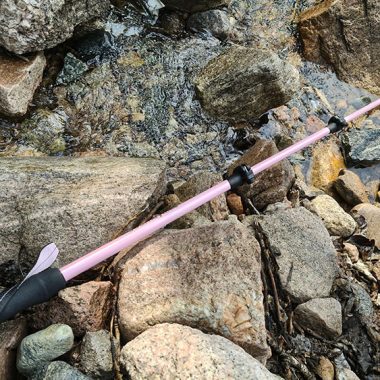
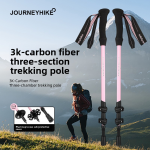
Carbon fiber has revolutionized pole design with its extraordinary strength-to-weight ratio. Made from tightly woven carbon strands embedded in resin, this material offers exceptional rigidity and lightweight characteristics. It is increasingly used in high-end fishing rods, sports equipment, and aerospace components, symbolizing top-tier performance.
For anglers or athletes seeking maximum efficiency, what pole material is best often points toward carbon fiber. Its superior sensitivity translates into better feedback so users can detect even subtle movements or bites. Additionally, its lightweight nature reduces fatigue and enables longer use without discomfort. Carbon fiber’s stiffness ensures that power is efficiently transferred from the user to the action point, making it popular among professional and competitive users.
The primary downside is cost. Carbon fiber products tend to be significantly more expensive than fiberglass or aluminum options, which can be a barrier for casual users or those on tight budgets. Moreover, while resistant to many environmental factors, carbon fiber can be brittle under certain impacts, necessitating careful handling.
Aluminum: The Industrial and Cost-Effective Workhorse
Aluminum remains a dominant material in the manufacturing of poles due to its practicality, affordability, and resistance to corrosion. Its lightweight yet sturdy structure makes it an ideal choice in industrial settings, telescopic fishing poles, and certain sports equipment like poles used in pole vaults or gym performances.
When asking what pole material is best, aluminum often emerges as a prime candidate for durability and cost-efficiency. An aluminum pole can withstand rough handling, environmental exposure, and repeated use, making it suitable for repeated industrial or recreational activities. Its ability to be easily machined and customized allows manufacturers to produce tailored poles for various industries.
However, aluminum’s primary limitation is its weight compared to carbon fiber or composite materials. This extra weight might lead to user fatigue during extended activities, especially in applications requiring agility or elevated maneuvering. Additionally, while resistant to corrosion, aluminum may still require protective coatings depending on environmental conditions, especially in saltwater environments.
Natural and Eco-Friendly Materials – The Rise of Bamboo and Other Sustainable Options
Bamboo has gained renewed interest as an eco-friendly alternative for pole materials. Its fast growth rate, natural flexibility, and aesthetic appeal make it an attractive choice for environmentally conscious users. Bamboo poles are used in traditional fishing, decorative applications, and even sustainable sports equipment.
Natural materials like bamboo offer resilience against environmental variables, and their lightweight properties make them practical for individual use. Their organic composition allows for easier repairs and adjustments, and they often possess a sturdiness that surpasses some synthetic options when properly treated.
However, natural materials require more maintenance and treatment to ensure longevity. Bamboo can be susceptible to pests, rot, and environmental degradation if not properly managed. Nevertheless, with advances in treatment and preservation techniques, bamboo’s role in pole manufacturing is expanding, especially where sustainability is a priority. For environmentally conscious individuals pondering what pole material is best, bamboo offers a compelling blend of performance and eco-friendliness.
How to Choose the Appropriate Pole Material: Practical Guidelines and Expert Advice

Choosing what pole material is best depends on a nuanced understanding of your specific needs, environment, and budget. First, assess the primary application—are you fishing, engaging in sports, or working in industrial settings? Next, consider environmental factors—will the pole be exposed to water, corrosion, or extreme temperatures? Finally, factor in your budget and preferences for weight, flexibility, and durability.
Modern best practices suggest prioritizing lightweight yet durable materials like carbon fiber for high-performance needs, while fiberglass balances performance with affordability. Aluminum offers robustness at a reasonable price point, especially for industrial applications. For eco-minded users, bamboo can be a sustainable alternative. Consulting with industry experts and trying different materials firsthand can also offer valuable insights.
Furthermore, maintenance plays a vital role in the lifespan of any pole. Some materials require more care, with natural and composite options needing regular preservation. Understand how your chosen pole material behaves over time and how it responds to environmental stressors. The key is to align your specific requirements with the inherent qualities of the material to maximize performance and longevity.
FAQs About Pole Materials – Addressing Common Concerns and Clarifications
What pole material is best for freshwater fishing?
For freshwater fishing, carbon fiber rods are often preferred due to their sensitivity and lightweight properties, which help detect bites and improve handling. Fiberglass also remains popular for beginners or casual anglers because of its affordability and durability.
Is aluminum suitable for high-performance sports poles?
While aluminum is durable and cost-effective, it is generally heavier than carbon fiber or composite materials. For high-performance sports, lightweight materials like carbon fiber usually offer better agility and less user fatigue.
How does bamboo compare to synthetic materials in pole durability?
Bamboo offers natural resilience and is eco-friendly, but it requires maintenance to prevent pests and decay. Synthetic materials like fiberglass or carbon fiber are more resistant to environmental damage but lack the organic appeal of bamboo.
Can I use fiberglass and carbon fiber together?
Yes, hybrid poles combining fiberglass and carbon fiber are common, providing a balance of flexibility, strength, and cost. This approach allows manufacturers to tailor poles for specific needs, optimizing performance characteristics.
What factors should I consider before choosing a pole material?
You should evaluate the application, environmental exposure, weight restrictions, budget, and desired performance traits. Understanding these factors helps in selecting a material that offers the best combination of durability, flexibility, and cost-effectiveness.
Conclusion
In the quest to determine what pole material is best, it becomes evident that there is no one-size-fits-all answer. The ideal choice hinges on specific application requirements, environmental conditions, user preferences, and budget constraints. Fiberglass offers affordability and durability; carbon fiber is preferred for its lightweight strength; aluminum provides resilience for industrial use; bamboo presents an eco-friendly alternative with a touch of natural elegance. By thoroughly analyzing these options in light of personal needs, you can select a pole material that delivers optimal performance, longevity, and satisfaction. Ultimately, informed choices lead to better experiences, whether in fishing, sports, or industrial endeavors, making the right decision one that aligns perfectly with your priorities.
Ready to choose the perfect pole? Remember, understanding the subtle nuances of each material will help you make a confident decision. Always consider your intended use and environment, consult industry experts, and test when possible to ensure that your choice of pole material is truly the best for your needs.