Looking for a clear answer up front: this roundup names leaders but explains why choice depends on use, terrain, and budget.
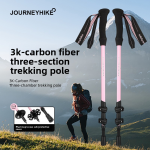
Serious hikers report that trekking poles cut joint impact and boost stability on both easy trails and technical terrain. We compare weight, adjustability, lock type, packability, grips, durability, and repairability to show what matters on the trail.
Black Diamond often wins for range and reliability, while Leki shines for ergonomic fits and women’s-specific designs. Gossamer Gear and similar ultralight makers lead for thru-hiking, and REI Co-op or Montem offer strong value picks.
Model choice matters more than label alone. We map categories — ultralight, budget, 4-season, tent-support — to standout poles and give packed size, length ranges, and lock pros and cons to help short-list gear quickly.
Key Takeaways
- Different hikers define “best” by use: day hiking, backpacking, or winter travel.
- Weight and build both matter; lighter reduces fatigue, sturdier suits rough or snowy terrain.
- Look for adjustability, reliable locks, and replaceable parts when choosing poles.
- Black Diamond, Leki, Gossamer Gear, and REI Co-op cover most use cases.
- Packed lengths often span 14–16 inches for folders and about 24 inches for telescoping designs.
Editor’s Note and How to Use This Product Roundup
Start here: skim the top picks to create a short list, then jump to the use-case sections for details before comparing final specs in the brand-by-brand snapshot.
We organize poles by actual activity — day hiking, backpacking, winter travel, and running — so you match design and range to your trips. Weight matters across a long day, but sturdiness and adjustability are just as important when you carry a pack or cross rough terrain.
- Quick filters: length ranges, packed sizes, and lock types for travel or tent support.
- Practical checks: compare two or three models side-by-side on adjustability, grip comfort, and price.
- Long-term value: repairability — tips, baskets, and spare sections — keeps gear working season after season.
We updated this guide in April 2025 to add models like the REI Co-op Swiftland TT Carbon and keep recommendations current. Budget picks can perform well if matched to intended use. Move on to our testing criteria to see how each recommendation earned its place.
What is the best trekking pole brand?
Different uses call for different leaders — ultralight racers trust carbon folders, while alpine users want sturdier shafts.
Quick answer by category: For most hikers, Black Diamond leads for reliability and features. REI Co-op offers strong value for a tight budget. Gossamer Gear dominates ultralight telescoping designs, and MSR stands out for compact durability.
Quick answer for different hikers: ultralight, budget, and 4-season
Ultralight minimalists and some runners often favor the Black Diamond Distance Carbon Z or Gossamer Gear LT5 for low weight and small packed sizes.
Budget-conscious users find reliable performance in REI Co-op Trailmade or Montem models with simple lever locks and sturdy aluminum builds.
For winter and alpine use, choose Black Diamond Alpine Carbon Cork or MSR DynaLock Ascent for added stability, larger baskets, and winter-ready grips.
Brand leaders at a glance
- Black Diamond: broad lineup and dependable hardware.
- Leki: ergonomic grips and women’s-specific fit.
- Gossamer Gear: ultralight telescoping specialists.
- MSR: compact toughness for alpine use.
- REI Co-op & Montem: strong value and budget options.
“Choose by your terrain, pack weight, and how often you stash your gear.”
Next: review our test criteria to see how these names earned their spots on this list.
Our Testing Process and Rating Criteria
We stress-test gear across seasons and routes to see which designs last and which fail. Fieldwork included long trips in Utah’s High Uintas, Montana’s Beartooths, Colorado’s San Juans, the Grand Canyon Gems Route, and alpine runs in the Tetons and White Clouds.
Field use across trails, canyons, alpine scrambles, snow, and ultra runs
Trials mix canyon scrambles, ridge traverses, winter travel, and occasional ultra runs. This exposes locks, shafts, and straps to real terrain stresses.
Scoring pillars
We score each set on weight, durability, adjustability, packability, comfort, and value. Weight affects swing efficiency; durability covers impacts and lateral stress.
Why weight and packed length often decide your choice
Even a few ounces change fatigue over miles. Folding models pack to about 14–16 inches, while telescoping designs sit near 24 inches, which matters for carry and travel.
Repairability and replacement parts considered
“Replaceable tips and baskets extend life; some brands also sell shaft sections.”
We check spare parts, lock mechanism serviceability, and how winter swaps—like larger baskets—perform in cold conditions.
Trekking Pole Types: Telescoping vs. Folding (Z-Poles)
Choose between two core designs: adjustable shaft systems for flexibility and compact folders for tight stowage. Match the type to your primary use and terrain to avoid surprises when pitching shelter or pushing light miles.
When to choose telescoping designs for range and tent pitching
Telescoping poles are usually three‑piece shafts with wide length range and reliable locks. They excel when you need precise length for downhill, uphill, or to pitch tents that call for 125–135 cm.
These systems often pack to about 24 inches. That size fits most backpacks but can be bulky for small day packs or airline carry‑on limits.
Folding carbon for travel, runners, and minimalists
Folding (Z) poles use internal cord and snap together fast. They pack to roughly 14–16 inches and are popular with runners and fastpackers who value low weight and tiny stowage.
Compact folders may lack the same stiffness and full range that telescoping designs offer. That tradeoff matters for winter touring and heavy loads.
- Quick tradeoffs: folding = tiny pack size and low weight; telescoping = adjustability and strength.
- Travel tip: frequent flyers or minimalist hikers often prefer folders to avoid snagging on straps.
- Winter use: choose sturdier, longer, and highly adjustable aluminum or carbon telescoping models.
- Hybrids: some designs blend compact folding with limited length adjustment for best‑of‑both‑worlds needs.
“Match type to your activity — there’s no single universal solution, only what fits your trips.”
Materials, Grips, and Straps: Comfort and Performance
Comfort on long routes often begins with material choices and how a shaft transmits shock to your arms. Carbon tends to damp vibration and feel stiffer, which can cut arm fatigue. Aluminum usually bends rather than snaps and may send more vibration into the wrist.
Carbon vs. aluminum: flex, vibration, break vs. bend
Thin-walled carbon can be brittle under odd lateral loads. Stout carbon builds, however, can match or exceed aluminum durability while saving weight.
Aluminum flexes and can be reshaped after a hit, making it a good choice for rocky trails where impacts happen.
Cork vs. foam grips and lower extensions
Cork grips get grippier when wet and mold to your hand over time. Foam is lighter and handles sweat well.
Integrated lower foam extensions let you change hand position quickly on steep climbs without shortening the pole.
Wrist straps, foam extensions, and winter gloves
Ergonomic wrist straps spread pressure and reduce hotspots. Test wrist strap fit with gloves or mittens before you buy.
“Replaceable tips and baskets extend pole life — keep spares for mud or snow seasons.”
Best Overall Brand for Most Hikers: Black Diamond
For most hikers, one maker strikes the right balance of features, durability, and value. Black Diamond earns top marks because its lineup spans budget to 4‑season models and keeps repairability simple.
Why Pursuit and Trail Back shine for reliability and features
Pursuit pairs aluminum shafts with ergonomic cork grips and FlickLock+ levers. That combo balances weight and durability for day hikes and loaded weekend trips. Pursuit collapses to about 24.4 inches (S/M) and ships with snow baskets plus a hex bit for on‑trail fixes.
Trail Back targets value buyers. It uses standard FlickLocks and foam grips but keeps proven sturdiness season after season. For casual hikers who need a reliable pair without premium cost, Trail Back delivers.
FlickLock, FlickLock+, and FlickLock Pro: lever lock differences
The standard FlickLock gives dependable holding power at an entry price. FlickLock+ refines adjustability and clamp force for frequent length changes. FlickLock Pro uses metal parts for top‑end security in harsh use.
“Replacement parts and consistent lock designs keep maintenance straightforward and long serviceable life.”
- Real‑world touch: included baskets and repair tools increase trail‑side serviceability.
- Limit: telescoping models pack longer than folding options — a travel concern for ultralight runners.
- Match advice: day hikers may favor Trail Back; backpackers often prefer Pursuit; winter users should consider Alpine Carbon Cork.
Best Ultralight Specialists: Black Diamond and Gossamer Gear
When ounces decide a day, choice narrows to tiny packed size or adjustable reach. Two clear options meet ultralight needs: a folding featherweight and a slender telescoping set that trades pack length for range.
Distance Carbon Z from black diamond is the featherweight folding option. A typical pair weighs about 9–10 oz and folds to roughly 13 inches. Rapid deployment and tiny packed length make it ideal for runners and fastpackers who stash poles in a vest.
Gossamer Gear LT5 sits at about 10–11 oz per pair and telescopes from ~105–130 cm. It collapses to ~23.5 inches and uses twist locks that save grams but may need occasional retightening. Replacement shaft sections boost long‑term value after trail mishaps.
Tradeoffs: locks, rigidity, and carbon behavior
Folding carbon favors minimal swing weight and tiny stowage. Telescoping carbon gives fine length adjustment for climbs, descents, and tent support.
“Balance your terrain and shelter needs: packed length wins for speed, adjustability wins for versatility.”
- Packed size: ~13″ (Distance Carbon Z) vs ~23.5″ (LT5).
- Locks: push‑button fold vs twist locks; twist may loosen with dust.
- Durability: carbon saves weight but needs careful technique on rocky ground.
Best for 4-Season and Heavy-Duty Use: Black Diamond and MSR
On steep, snowy, or mixed alpine routes you need gear that won’t let you down. Stable shafts, secure locks, and swap‑friendly baskets keep you safe when terrain turns consequential.
Alpine Carbon Cork — year‑round workhorse
Black Diamond Alpine Carbon Cork pairs three‑piece carbon shafts with cork grips and foam lower sections for comfort in long outings. It weighs about 1 lb 1 oz per pair and uses metal FlickLock Pro levers for repeatable tension.
It packs to roughly 24 inches, so it’s less compact than folders but offers a rock‑solid feel and precise lever action on icy slopes.
MSR DynaLock Ascent — compact strength
MSR DynaLock Ascent blends Kevlar‑reinforced carbon with a folding chassis. Available in two adjustable ranges, the small size packs to ~14.3 inches and still gives strong on‑trail rigidity via a pin + lever system.
“Choose shafts and locks that stay firm with gloves on, and keep spare tips and baskets for winter use.”
| Model | Construction | Packed Length | Locks | Weight (pair) |
|---|---|---|---|---|
| Alpine Carbon Cork | 3‑piece carbon, cork grips | ~24 in | FlickLock Pro (metal) | ~1 lb 1 oz |
| DynaLock Ascent | Kevlar‑reinforced folding carbon | ~14.3 in (small) | Pin + lever lock | Light; model dependent |
Real‑world notes: glove‑friendly locks, quick basket swaps, and replaceable tips matter for winter trekking. If you ski, snowshoe, or scramble, prioritize stiff shafts and secure locks to trust your gear.
Best Value and Budget Picks: REI Co-op and Montem
Affordable options now give hikers sensible features and serviceability. These pairs suit beginners and veterans who want a reliable backup without high cost.
REI Trailmade and Traverse: budget to mid-range upgrades
REI Trailmade (~$80) uses aluminum shafts, lever locks, and simple foam grips. It offers one adjustable size range (~41–55 in) and a very low price for casual trail use.
The REI Traverse (~$119) steps up with sturdier aluminum, cork grips, foam lower extensions, and cam-style locks for better hold and comfort on longer days.
Montem Ultra Strong vs. Ultra Light 100% Carbon Fiber
Montem Ultra Strong (~$75) is built from 7075 aluminum with flick-lock levers. It collapses to about 24 in and weighs near 1 lb 3 oz per pair—durable for rougher terrain.
Montem Ultra Light Carbon (~$90) gives carbon performance and about 14 oz per pair with 105–135 cm adjustability. It collapses to ~24 in and saves swing weight for longer miles.
- Choose aluminum for cost and ruggedness on moderate hiking and day trips.
- Choose budget carbon to cut weight but avoid abusive rocky use.
- Check straps, foam comfort, and access to spare tips and baskets before you buy.
- Lever locks are easy to tune; a quick retighten keeps length secure on steep sections.
“For many hikers, these picks hit the sweet spot: low price, simple repairs, and honest performance.”
Women’s-Specific Excellence: Leki
Leki builds women’s models around fit. Small changes—narrower grips, trimmed straps, and shorter length ranges—give better control and comfort for many hikers. These tweaks help reduce hand fatigue and improve planting precision on technical trail.
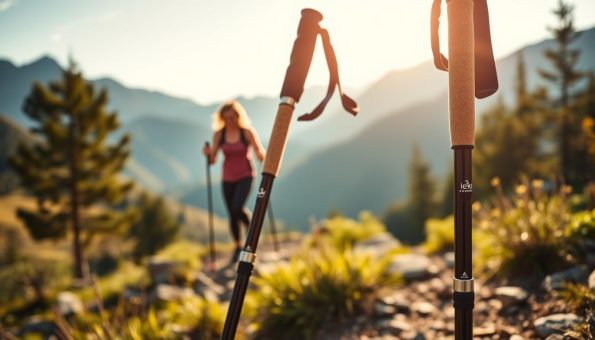
Cressida Cork Lite targets smaller hands with an ergonomic cork handle and breathable wrist straps. The pair uses Speed Lock 2+ levers for quick adjustments that work even with cold gloves on.
The length range sits roughly 35–50 in and collapses smaller than many unisex options. That compact size makes travel and stash loads easier without giving up on-trail performance. Premium bits like carbide tips and stout lever hardware help the poles hold set length across mixed terrain.
Some users note minor length creep on long days; a quick on‑trail check keeps settings solid on steep climbs and descents. Try a set with gloves before buying to confirm strap fit and comfort.
- Why fit matters: correct grip diameter and strap length reduce fatigue.
- Alternatives: Leki Jannu and other women’s models offer similar ergonomics at different prices.
“Cork handles manage sweat and slowly mold to your hand, improving comfort on longer outings.”
Pole Length, Adjustability, and Packed Size
Correct shaft length and easy adjustability change how comfortable and safe a long day on trail feels.
Sizing for height and terrain
Use a 90° elbow angle as a baseline. That gives a good walking posture on flat ground.
Shorten the shaft for steep uphill and lengthen for downhill to improve leverage and stability.
Tent needs and maximum reach
Adjustability matters if you pitch shelters. Many tents need 125–135 cm, and some folders can’t reach that range.
Taller hikers or shelter users may need models that extend to ~158 cm. Always confirm specs before buying.
Packed length realities and carry tradeoffs
Folding designs pack to about 14–16 inches and work great for travel or vest carry.
Telescoping shafts usually pack near 24 inches and lash easily to most backpacks.
- Changing hand position on lower grips adapts quickly without constant length tweaks.
- A small weight penalty for more range often pays off for backpackers and tent users.
- Practice quick adjustments so ascending, descending, and contouring feel smooth.
“Usability beats tiny packed size when you adjust height often on long mountain days.”
Weight, Balance, and Swing: Why Ounces Matter on Long Trails
How a shaft feels in motion matters more than raw specs on paper. Swing weight controls cumulative fatigue across thousands of arm swings on long hiking days. Lighter setups reduce shoulder and forearm strain, keeping pace steady late into a big mile day.
Use categories help shoppers set expectations: under 12 oz per pair counts as ultralight, 12–15.9 oz as lightweight, and 1 lb or more as sturdy. These thresholds guide choices for speed, comfort, and durability.
Balance depends on grip shape, strap fit, and shaft stiffness. A well‑matched grip reduces hand fatigue and improves planting precision on technical sections.
Carbon often wins at damping vibration and cutting swing tiredness. Aluminum adds mass, which can feel steadier on rocky ground but costs more in energy over miles.
Even 2–3 ounces per pair can become noticeable after a full day; handle gear before buying if possible.
- Ultralight sets suit fastpackers and long‑mile hikers.
- Sturdier builds suit loaded backpacks and rough terrain.
- Good design keeps stiffness consistent, which saves wasted energy.
Baskets, Tips, and Snow Readiness
Baskets control float, tips control bite, and together they change how poles work across seasons. Match small parts to conditions and you keep traction, avoid postholing, and extend gear life.
Carbide tips, mud baskets, and powder baskets
Carbide tips bite rock and ice better than soft metals and last far longer. Replaceable tips are standard; check housings for cracks after hard descents.
Use mud baskets to stop poles from plunging into wet dirt, sand, or leafy duff. They also help prevent tips from wedging between rocks.
For snow, switch to powder baskets. Wider baskets increase surface area and reduce postholing on unconsolidated snow, improving stability on winter routes.
- Carry spare baskets to swap quickly as seasons change.
- Verify third‑party compatibility before you buy replacements.
- Inspect threads and snaps so baskets stay secure on overgrown trail sections.
- Note that wider baskets slightly change swing feel—practice before long winter use.
“Maintain tips and baskets to keep traction consistent and extend pole life.”
Top Picks by Use Case
Match your gear to how and where you move. Below are clear, use-driven picks so you can choose a pair that fits your routine and terrain.
Day hiking and national park trails
Black Diamond Trail Back or REI Trailmade work well for casual outings. Both offer reliable locks and comfortable grips without chasing every ounce.
National park users often prefer cork handles and ergonomic straps for long sightseeing days.
Backpacking and thru-hiking
For long miles, choose the Gossamer Gear LT5 for low weight and adjustability, or the Black Diamond Distance Carbon FLZ for folding packability and length tuning.
Repairability and spare parts matter for multi‑week trips—carry spare tips and check shaft section access.
Ultra-distance running and fastpacking
Black Diamond Distance Carbon Z shines for runners. Its quick deploy and tiny folded size vanish in a vest, saving carry weight and swing energy.
Winter snowshoeing and alpine objectives
For snow and mixed alpine terrain, pick Black Diamond Alpine Carbon Cork for telescoping strength or MSR DynaLock Ascent for compact folding durability.
“Choose by your dominant activity and pick a versatile model if you mix uses.”
| Use | Recommended Model | Strength | Why it fits |
|---|---|---|---|
| Day hiking | Trail Back / REI Trailmade | Comfort & Value | Ergonomic grips, reliable locks for casual trail days |
| Backpacking | Gossamer Gear LT5 / Distance Carbon FLZ | Light & Packable | Low weight, adjustable lengths, repairable parts |
| Fastpacking | Distance Carbon Z | Ultra‑compact | Fast deploy, tiny packed size for runners |
| Winter/Alpine | Alpine Carbon Cork / DynaLock Ascent | Stiff & Secure | Glove‑friendly locks, snow basket compatibility |
- Tip: balance pair weight and grip comfort — a lighter set with better handles often feels best all day.
- Note: runners value minimal swing weight and stashability; winter users need snow baskets and sturdy shafts.
Brand-by-Brand Snapshot: Strengths and Standout Models
Each maker brings a clear niche: some focus on ultralight packed size, others on year‑round durability or ergonomic fit for smaller hands.
Black Diamond
black diamond covers compact folders and sturdy telescoping models. Key picks: black diamond distance Z for runners, Distance Carbon FLZ for adjustable folders, Diamond Alpine Carbon for winter, Pursuit for all‑around use, and Trail Back for value.
Gossamer Gear
LT5 shines for ultralight telescoping design and replaceable sections that extend service life on long trails.
MSR
DynaLock Ascent blends small packed size with reassuring stiffness for alpine and mixed terrain.
Leki
Cressida and Khumbu Lite deliver ergonomic grips and reliable tent support for hikers who value fit.
REI Co-op
Trailmade, Traverse, and Flash Carbon form a clear value ladder from entry to lightweight composite options.
Montem
Ultra Strong (aluminum) and Ultra Light Carbon give budget buyers simple, repairable choices with easy lever locks.
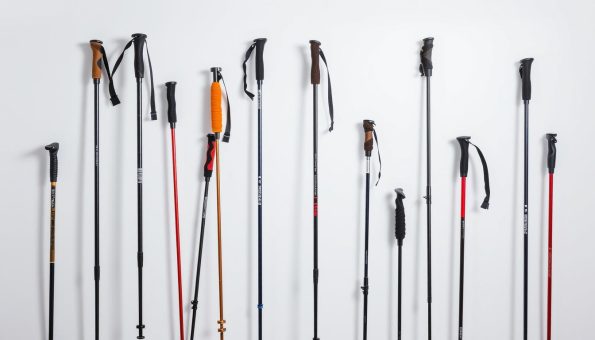
| Brand | Niche | Standout Models | Quick Notes |
|---|---|---|---|
| Black Diamond | Breadth: folders to 4‑season | Distance Carbon Z, FLZ, Alpine Carbon, Pursuit, Trail Back | Strong locks, many spare parts |
| Gossamer Gear | Ultralight telescoping | LT5 | Low weight, replacement sections |
| MSR | Compact durability | DynaLock Ascent | Small packed size, rugged build |
| Leki / REI / Montem | Ergonomics / Value / Budget | Cressida, Khumbu Lite / Trailmade, Traverse, Flash Carbon / Ultra Strong, Ultra Light Carbon | Fit matters; easy repairs add long‑term value |
“Match a brand’s strengths to how you move on trail; spare parts and lock tuning repay you over seasons.”
Buying Guide: How to Choose the Right Poles for You
Choosing a pair that matches your activity and kit keeps miles easy and gear reliable. Start by matching pole range and packed size to how you move so you avoid surprises on trail. Consider weight versus durability based on your typical terrain and load.
Terrain, load, and tent support needs
Rough, rocky, or winter terrain favors stiffer shafts and secure locks. Pick models that extend into the 125–135 cm tent range if you plan to use poles for shelter support.
Light trails and fast miles reward ultralight carbon options with tiny packed lengths for vest carry.
Grip material, strap comfort, and glove compatibility
Cork grips tack up when wet and mold to your hand over time. Foam grips stay cooler in heat and handle sweat well. Test grip diameter for your hand size before you buy.
Check wrist straps for comfort and simple adjustability. Good straps reduce hotspots and should work with thin gloves or mittens.
Locking mechanisms: lever vs. twist
Lever locks offer quick adjustments and tunable tension for heavy use. Twist locks save grams but can loosen with dust or dirt and may need occasional retightening.
Repairability, spare parts, and long-term value
Verify replaceable carbide tips and swap‑friendly baskets (mud and snow). Some makers sell replacement shaft sections, which extend service life after a break.
| Decision | What to check | Why it matters |
|---|---|---|
| Terrain & load | Stiffness, lock type, shaft material | Durability on rock and support under heavy pack |
| Grip & straps | Cork vs foam, strap fit | Comfort, sweat handling, glove use |
| Lock mechanism | Lever vs twist | Speed of adjust, reliability in dirt |
| Parts & repairs | Tips, baskets, shaft sections | Seasonal swaps and field fixes |
“Match your pole to terrain and shelter needs; spares and simple locks repay you over seasons.”
Final tip: balance weight against real use. Ultralight carbon suits long miles, but heavier builds protect you on sharp talus and in winter. Buy a pair you can service with spare tips and baskets for years of reliable hiking.
Conclusion
Balance weight and strength to match gear to your trips. Choose Black Diamond Pursuit for all‑around reliability, Leki for fit and ergonomics, MSR for compact durability, and Gossamer Gear or Distance Carbon Z for ultralight miles. REI Co‑op and Montem offer strong value choices.
Prioritize fit, adjustability, and packed length so poles feel natural from the first mile. Tent users should confirm max length and lock security. Pick grips and straps that suit your hands and climate, and keep tips and baskets fresh with basic maintenance.
Shortlist two or three models, compare packed size and mechanism, then buy. With the right pair, your hiking rhythm, impact reduction, and confidence will all improve.
FAQ
Which brands consistently top reviews for durability and weight?
Black Diamond, Leki, MSR, Gossamer Gear, REI Co-op, and Montem appear most often. Black Diamond and MSR lead for rugged, four-season use. Gossamer Gear and Black Diamond offer ultralight carbon options. REI Co-op and Montem deliver strong value for budget buyers.
How do carbon shafts compare to aluminum for trail use?
Carbon shafts are lighter and damp vibration better, which reduces arm fatigue on long days. Aluminum bends instead of snapping, so it often survives impacts better. For mixed terrain or snow where strikes and torsion happen, many hikers prefer aluminum or carbon with reinforcements.
When should I pick folding (Z) poles over telescoping models?
Choose folding poles if you need a very short packed length for travel or fastpacking. Telescoping poles give wider length range and are useful for tent pitching and adjusting on varied terrain. Folding poles like the Distance Carbon Z trade a little rigidity for compactness.
Are cork grips worth the extra cost versus foam?
Yes, cork molds to your hand, wicks sweat, and reduces hotspots over long miles. Foam grips are cheaper, warmer in cold weather, and lighter up front. Many hikers prefer cork for multi-day trips and foam for short hikes or budget setups.
What locking mechanism should I choose: lever, twist, or push-button?
Lever locks (FlickLock, FlickLock+) are fast, reliable, and easy to adjust with gloves. Twist locks are lighter but can slip when dirty or wet. Push-button locks are simple and common on budget models but can wear faster under heavy use.
How important is packed length when buying poles?
Packed length matters a lot for pack-fit and travel. Folding poles often pack to 14–16 inches, ideal for carry-on and tight packs. Telescoping poles usually collapse to ~24 inches, which is fine for most backpacks but bulkier for stowage.
Which models are best for winter and snow use?
Look for carbon or reinforced shafts with cork grips and robust wrist straps. Black Diamond Alpine Carbon Cork and MSR DynaLock Ascent are strong winter choices. Add powder baskets and carbide tips for reliable traction in snow and ice.
Can trekking poles double as tent supports?
Many telescoping poles work well as tent supports because they offer incremental length adjustments. Folding poles can work too, but check center length and connector strength for your shelter’s design.
How do I size poles for hiking versus downhill sections?
A common rule is to set poles so your elbow forms about a 90-degree angle on flat ground. Shorten 5–10 cm for uphill, lengthen for descents to maintain balance and reduce knee strain.
Are replacement parts easy to find for top brands?
Yes. Brands like Black Diamond, Leki, MSR, and REI offer replacement tips, baskets, and locking parts. Repairability is a key factor in long-term value, so check the manufacturer’s parts availability before buying.
What should ultralight runners prioritize when choosing poles?
Ultralight runners want minimal weight, fast packability, and durable tips. Folding carbon models like the Distance Carbon Z or ultralight telescoping options can work, but consider tradeoffs in rigidity and break risk during fast descents.
Are women-specific poles worth considering?
Women-specific models, like Leki Cressida, often feature narrower grips, shorter strap loops, and tailored shaft lengths. They can improve comfort for smaller hands and shorter users, but many unisex poles also offer suitable sizes.