When embarking on a trekking adventure, one of the most critical decisions you’ll make revolves around footwear. What kind of shoes are required for trekking? The right pair can make the difference between an enjoyable experience and a painful trek. This article aims to provide you with an exhaustive guide to choosing the best shoes for trekking, ensuring that your feet are well protected while you explore nature.
Understanding the Importance of Trekking Shoes
Before diving into the specifics, it’s essential to understand why shoes are paramount when trekking. Wearing the correct footwear can impact your comfort, safety, and even your overall trekking experience. Let’s explore this further:
Comfort is Key
One of the primary reasons to invest in a good pair of trekking shoes is comfort. Trekking often involves long hours of walking on various terrains. Without proper footwear, you risk soreness, blisters, or even serious foot injuries.
Protection from the Elements
Trekking doesn’t always occur on sunny days—rain, mud, and snow can all pose challenges. High-quality trekking shoes often feature waterproofing, insulation, and protective toe caps to shield your feet from these elements.
Enhanced Traction
The terrain can range from rocky paths to slick, muddy trails. Proper trekking shoes offer enhanced grip and traction, reducing the likelihood of slips and falls.
Types of Trekking Shoes
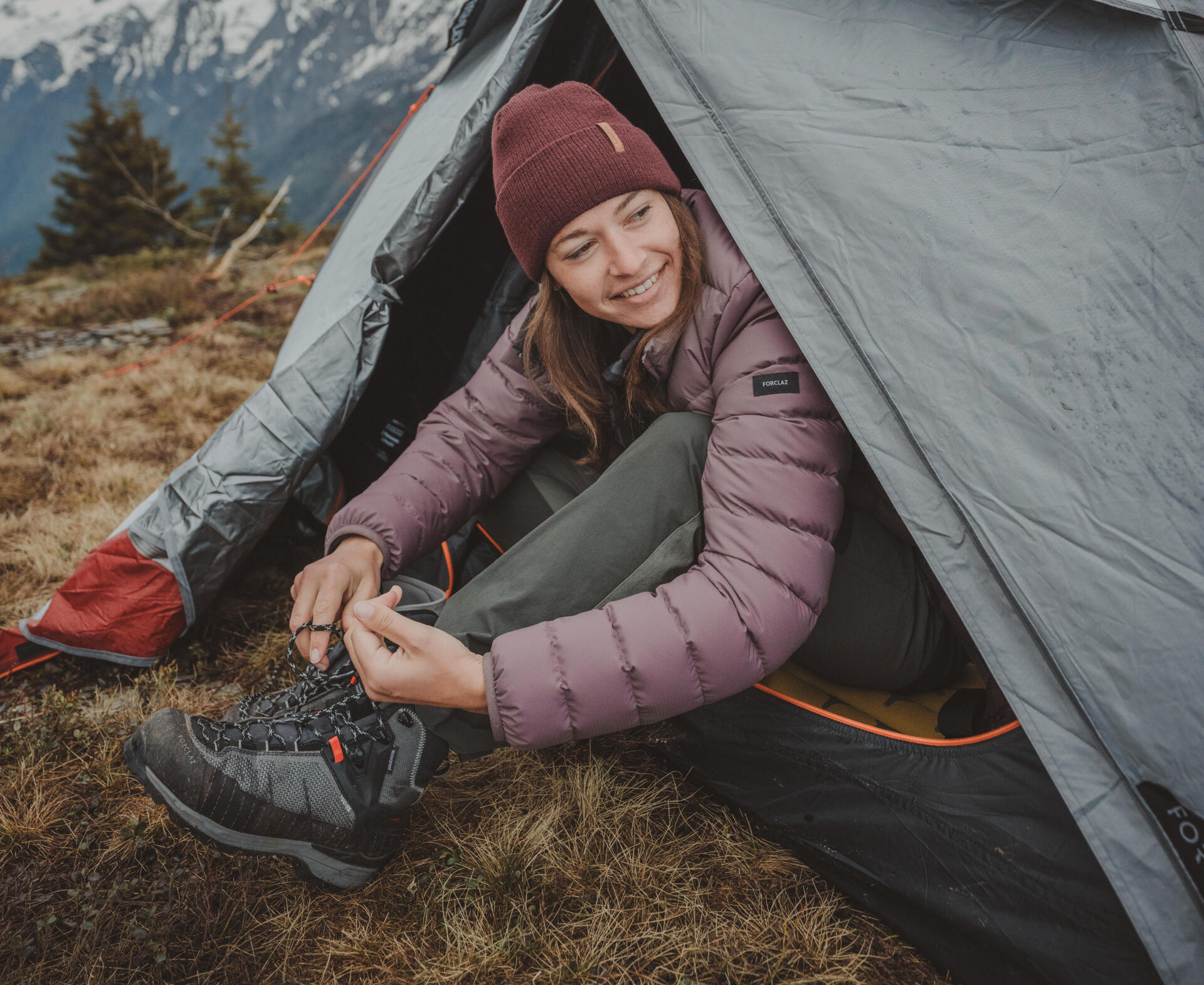
Trekking shoes come in various types, each designed for specific conditions and preferences. Understanding these categories will help answer what kind of shoes are required for trekking?
Hiking Shoes
Hiking shoes are an excellent option for light and moderate treks on well-maintained trails. They typically fall between sneakers and hiking boots in terms of weight and support.
- Lightweight: Easy to wear, making them suitable for day hikes.
- Breathable Materials: Many hiking shoes are made from mesh fabric, promoting airflow.
- Flexible Soles: They allow for natural foot movement, suitable for flat terrains.
Trekking Boots
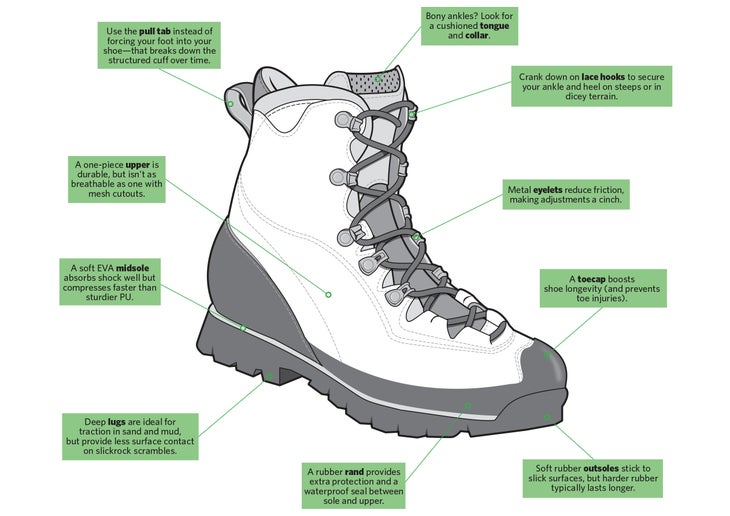
Trekking boots provide additional ankle support and durability, making them ideal for more challenging hikes, especially in rugged terrains.
- Sturdier Construction: Made from leather or tougher synthetic materials.
- Ankle Support: Offers protection against twisting injuries on uneven ground.
- Higher Cut: Often covers the ankle for additional protection.
Trail Runners
For the experienced trekker who prefers speed and agility, trail runners offer a lightweight alternative.
- Minimalist Design: Designed for speed, less bulk than hiking shoes or boots.
- Quick-Drying: Often made from water-resistant materials.
- Low Profile: More flexible, allowing for quick foot movements.
Key Features to Look For in Trekking Shoes
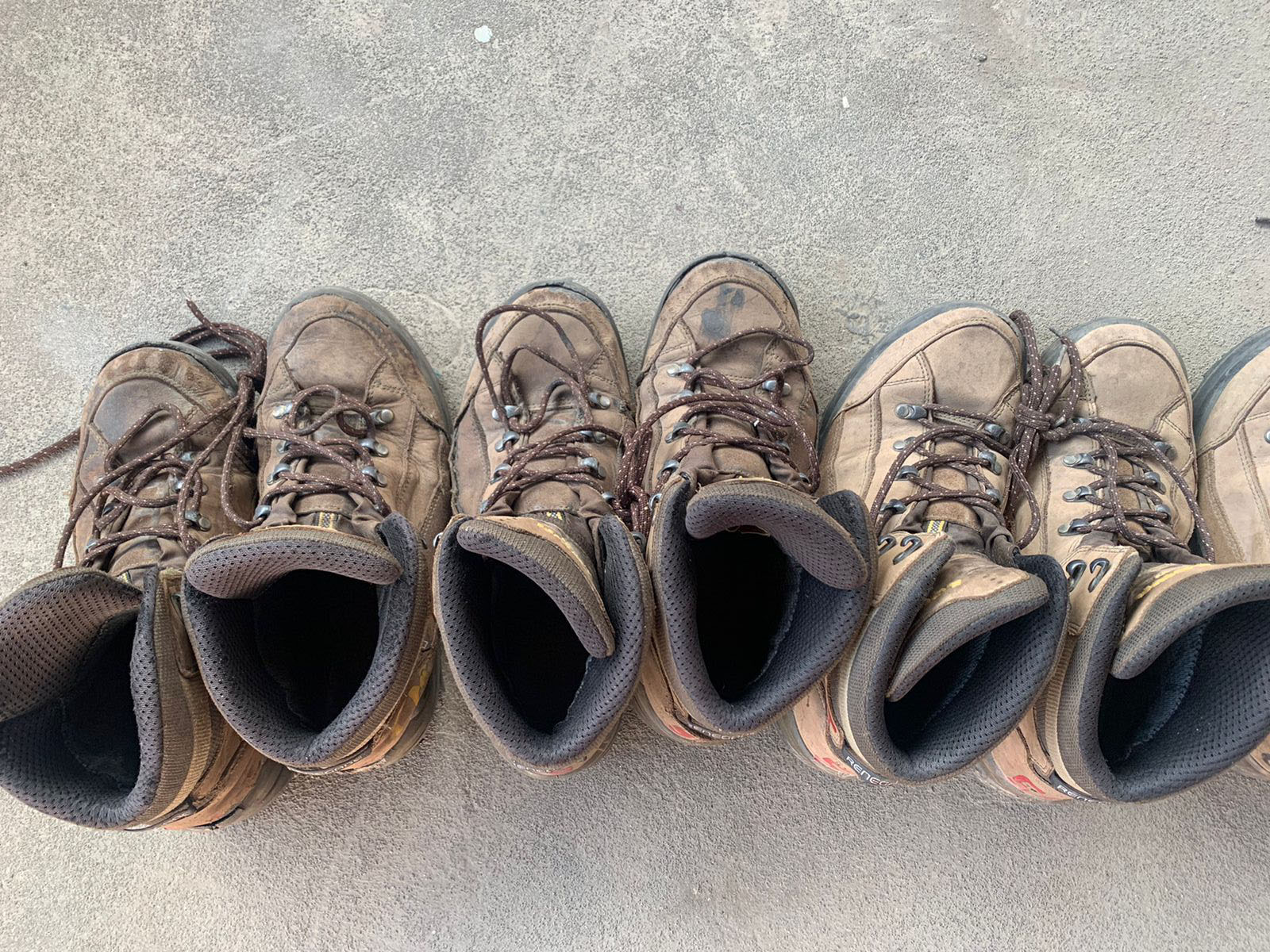
Now that we understand the types of trekking shoes available, let’s delve into the essential features to consider when selecting your footwear.
Fit
The fit of your trekking shoe is arguably the most critical aspect. A well-fitting shoe can prevent the common issues that arise from poor footwear.
- Toe Box: Ensure there is enough space for your toes to wiggle without feeling cramped.
- Heel Fit: Your heel should stay in place when walking—no slipping!
- Width and Arch Support: Consider the width of your foot; some brands offer wide options.
Material
The material of your trekking shoes plays a significant role in their durability and functionality.
- Upper Material: Options include leather for durability or mesh for breathability.
- Sole Material: Vibram soles provide excellent traction and durability.
- Waterproofing: Look for shoes with a Gore-Tex lining or other waterproof membranes if you’ll encounter wet conditions.
Weight
When trekking, every ounce counts. A lighter shoe can reduce fatigue over long distances.
- Lightweight Models: Generally more suitable for day hikes.
- Heavier Models: Offer more protection but can lead to fatigue.
How to Choose the Right Shoes for Your Trek
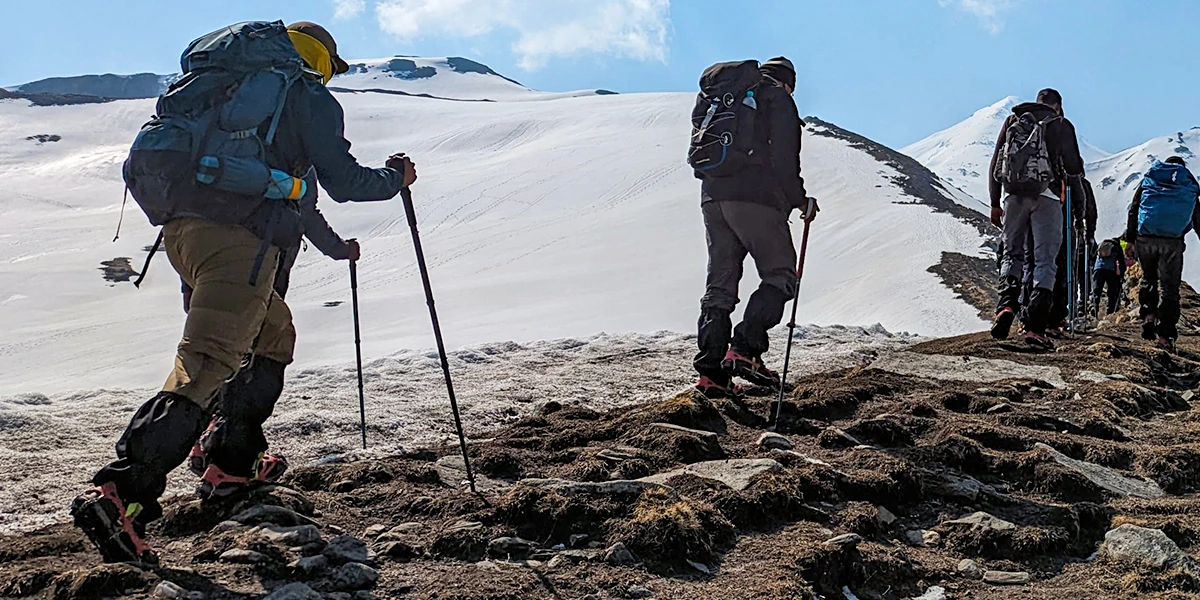
When preparing for a trek, it’s essential to consider various factors to help answer the question: What kind of shoes are required for trekking? Here’s a practical guide.
Assess Your Destination
Understanding the terrain you will be tackling is crucial in determining the right shoe.
- Flat Trails: Hiking shoes usually suffice.
- Rugged Terrain: Opt for trekking boots that provide extra support and protection.
- Wet or Snowy Environments: Waterproof boots are necessary.
Consider Duration and Weight
The length of your trek will also influence your shoe choice.
- Day Hikes: Lightweight shoes or trail runners can work well.
- Multi-Day Treks: Sturdier trekking boots are advisable for support and protection.
Personal Preference
Ultimately, personal comfort and preference should guide your decision. Try on multiple pairs to see what feels best for you.
Maintenance and Care of Trekking Shoes
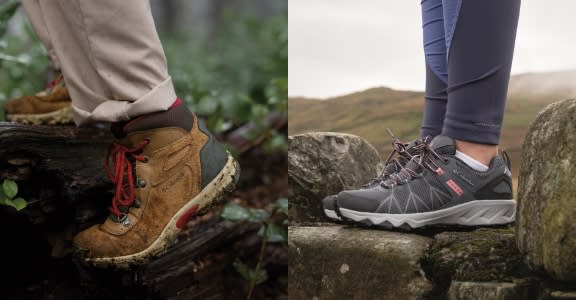
After making a significant investment in trekking shoes, maintaining them is vital for longevity and performance.
Clean Regularly
Dirt, mud, and debris can damage your shoes over time.
- Post-Trek Care: Use a soft brush to remove dirt.
- Wipe Down: Use a damp cloth for more stubborn stains.
Dry Properly
Avoid storing wet shoes, as this can lead to mold and deterioration.
- Air Dry: Let your shoes dry naturally at room temperature.
- Avoid Direct Heat: Never place shoes directly next to a heat source as this can damage materials.
Inspect for Damage
Regularly check your shoes for signs of wear and tear.
- Soles and Treads: Look for smooth areas that need attention.
- Upper Materials: Inspect for any rips or damage.
FAQs
What should I look for when buying trekking shoes?
Look for fit, weight, material, and specific features like waterproofing and ankle support tailored to your trekking needs.
Can I use regular athletic shoes for trekking?
While regular athletic shoes may work for easy trails, they often lack the support and durability needed for more rugged terrains.
How can I ensure my trekking shoes fit properly?
Measure both feet and try shoes on at the end of the day when your feet are slightly swollen. Ensure proper toe space and heel fit.
Are there specific brands known for great trekking shoes?
Some reputable brands include Merrell, Salomon, Keen, and Columbia, known for producing quality trekking footwear.
How often should I replace my trekking shoes?
It greatly depends on usage, but generally, if the soles are worn smooth or the upper material shows significant damage, it may be time for a replacement.
Conclusion
Choosing the right shoes for trekking is vital for a successful and comfortable outdoor adventure. By understanding the types of shoes available, key features to look for, and proper maintenance techniques, you can ensure that your feet will be well-equipped to tackle any trek. Engaging in this thoughtful selection process answers the essential query: What kind of shoes are required for trekking? Ultimately, a perfect fit and suitable footwear can turn a challenging trek into a memorable journey through the great outdoors.