Are carbon or Aluminium poles better for trail running? It’s a question many trail runners face when choosing their gear. The right trekking poles can dramatically improve stability, reduce fatigue, and enhance overall performance. But with materials like carbon fiber and aluminium dominating the market, determining which is better isn’t straightforward. This article dives deep into the features, benefits, and drawbacks of each, helping trail runners make informed decisions based on their needs, terrain, and preferences.
Comparing the Durability and Flexibility of Carbon and Aluminium Poles for Trail Running
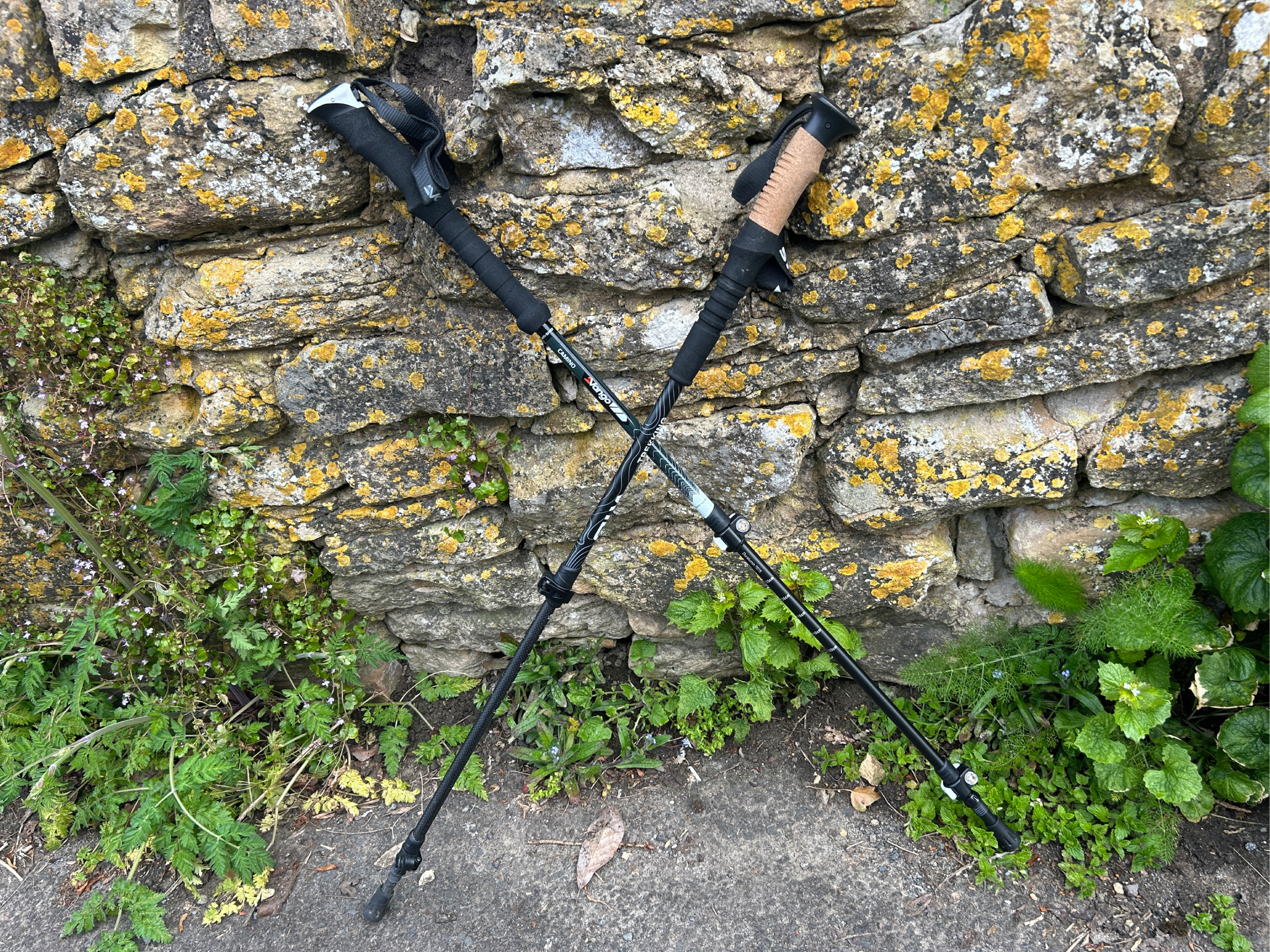
Trail running demands gear that can withstand unpredictable terrains, sudden impacts, and varying weather conditions. The durability and flexibility of trekking poles are critical factors in maintaining performance and preventing injury. When evaluating are carbon or aluminium poles better for trail running, understanding these properties is fundamental.
Carbon fiber poles are renowned for being lightweight and stiff, but what does this mean in real-world trail conditions? Conversely, aluminium poles tend to be heavier but more forgiving and impact-resistant. Each material’s behavior under stress influences its suitability for different trail running scenarios. Trail runners must consider how their choice impacts grip, energy transfer, and resilience against wear and tear.
The Superior Impact Resistance of Aluminium Poles in Moderate Trail Conditions
Aluminium is celebrated for its impact resistance and toughness. Its ability to absorb shocks and flex without breaking makes it ideal for rough terrains laden with rocks, roots, and uneven surfaces. When evaluating are carbon or aluminium poles better for trail running, aluminium’s impact resistance often gives it an edge in situations where unexpected slips or falls occur.
Trail runners who frequently navigate rough, rocky paths might prefer aluminium poles because they can withstand repeated impacts without bending or cracking. For example, during a mountain trail run, if a runner accidentally strikes a rock or a hard root, aluminium poles are less likely to sustain damage compared to their carbon counterparts. The resilience of aluminium ensures fewer replacements and repairs over time.
However, this toughness comes with added weight. While aluminium poles offer durability, they may increase fatigue over long distances. Running uphill, for instance, can become more taxing if heavier poles are carried over many miles. Nevertheless, for those prioritizing impact resistance over weight savings, aluminium offers reassurance during intense trail conditions.
The Flexibility and Lightweight Advantage of Carbon Fiber Poles in Sustained Trail Runs
In the realm of are carbon or aluminium poles better for trail running, carbon fiber poles stand out particularly because of their lightweight profile. This advantage means less energy expenditure during long-distance runs, allowing runners to conserve strength, especially when altitude gains or climbs are involved.
Carbon fiber poles are extraordinarily stiff relative to their weight, offering excellent energy transfer from the runner’s arm to the terrain. This stiffness translates into more efficient propulsion and less fatigue, making them highly desirable for ultramarathoners or those covering extensive trails where every gram counts. The reduced weight also reduces strain on the shoulders and wrists, which is beneficial during long, ascents or descents.
Despite their advantages, carbon fiber’s flexibility can be a double-edged sword. While stiffness is beneficial for propulsion, it also means that under particular impacts—like hitting large rocks or during sudden falls—the poles can fracture or crack. While modern manufacturing techniques have improved the durability of carbon poles, they remain more susceptible to catastrophic damage than aluminium poles. As a result, trail runners in rugged or unpredictable terrains often prefer carbon for its weight savings but must be cautious of their impact points.
Making the Choice: Balancing Durability and Performance in Trail Running
In choosing between carbon and aluminium poles, trail runners must weigh factors like terrain type, running distance, and personal durability preferences. Those engaging in mostly smooth, well-maintained trails might lean toward carbon for its lightweight benefits and energy efficiency. Conversely, trail runners venturing into rocky, harsh terrains may favour aluminium for its robustness and impact absorption qualities.
Some athletes opt for a hybrid approach—using carbon in high-speed sections and switching to aluminium when tackling rugged segments. This adaptive use leverages both materials’ strengths, emphasizing performance without compromising safety. Ultimately, understanding each material’s characteristics empowers runners to select poles that match their terrain and running style, substantially improving their overall trail experience.
How to Use and Maintain Carbon and Aluminium Poles in Trail Running
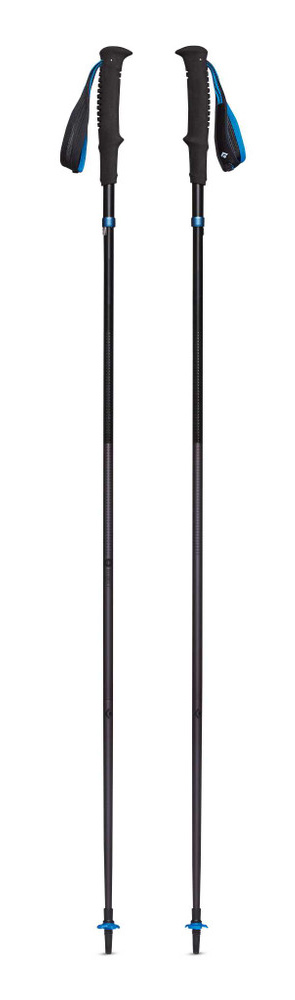
Using trekking poles effectively is essential to maximize their benefits in trail running. Proper technique involves adjusting the pole length for various terrains, employing correct planting methods, and ensuring they complement your stride. For are carbon or aluminium poles better for trail running, understanding how to optimize each material’s advantages enhances performance and durability.
Trail runners should learn to adjust their poles to maintain a slight bend at the elbow, providing support without overextending the arms. When navigating steep ascents or descents, lengthening or shortening the poles accordingly can prevent fatigue and improve stability. For example, in downhill sections, extended poles provide additional support, reducing impact on the knees and hips.
Maintenance is equally critical. Carbon poles require caution against impacts and storing them properly to prevent cracks. Regular checks for any fractures, loose parts, or wear are necessary to ensure safety. Aluminium poles are more forgiving; however, keeping them clean from mud and debris helps preserve their locking mechanisms and prevent corrosion. Proper storage, such as keeping poles in a cool, dry place, extends their lifespan regardless of material.
Using the right technique with your gear increases efficiency and minimizes wear-and-tear. For example, embedding the tips firmly into the dirt while pushing down reduces strain on your shoulders and arms. In addition, cleaning the poles after each trail run prevents buildup that can impair locking mechanisms or cause corrosion.
Real-life Examples and Comparative Insights
Consider a trail runner competing in a multi-day ultramarathon through rugged mountain terrain. Their choice of poles might lean towards aluminium for durability, especially in sections with loose rocks and uneven ground, where impact resistance is paramount. Conversely, a runner on a well-groomed trail might prefer carbon for its weight savings, allowing for faster speeds without fatigue.
Another example involves mountaineers or climbers who often switch to using trekking poles for stability. Here, the durability of aluminium might be advantageous when ascending or descending challenging terrain, whereas ultramarathon runners covering long distances benefit from the lightweight nature of carbon fiber poles. Both scenarios illustrate how material choice hinges on terrain characteristics and individual needs.
In practical terms, users should also consider the ease of repairing their poles. Carbon poles might need professional welding or replacing sections if cracked, while aluminium poles are more likely to be repairable in the field, reinforcing their suitability for unpredictable trail conditions.
Best Practices for Trail Running with Poles
For optimal use of are carbon or aluminium poles better for trail running, master core techniques such as planted support and rhythm coordination. Practice using the poles to create a consistent stride, reducing fatigue over long distances.
Additionally, always verify locking mechanisms before each run. Loose or faulty locks can lead to collapse or unintentional length adjustments mid-run, which could cause injury or trip hazards. Ensuring that the poles are correctly adjusted and in good condition is part of safe trail running habits.
Lastly, adapt your pole use based on environmental cues: shorten poles for technical climbs and steep descents, and extend them for stability on flat or varied terrains. Proper use not only extends the life of your gear but also maximizes their performance, ensuring a safer, more enjoyable trail experience.
FAQs: Clarifying Common Doubts About Trekking Poles for Trail Running

**Are carbon poles more prone to breaking than aluminium poles?
Yes, carbon fiber poles are more susceptible to cracking or shattering upon sudden impacts or stress points. While they are lightweight and stiff, impacts like hitting rocks can cause significant damage, requiring careful handling and inspection. Aluminium poles, by contrast, have better impact resistance and can bend without breaking, making them more durable in rugged conditions.
**Can I use aluminium poles for ultramarathon trail runs?
Yes, aluminium poles are durable and can withstand tough terrains, making them suitable for ultramarathon trail runs. However, their added weight compared to carbon might lead to faster fatigue over long distances. Runners often choose aluminium for its resilience, especially in rocky or unpredictable environments where impact resistance is crucial.
**Which material is better for steep descents—carbon or aluminium?
It depends on the terrain and the runner’s priorities. Carbon poles are excellent for steep descents where weight savings and energy transfer are critical. Their stiffness facilitates efficient movement. However, aluminium poles, with their impact absorption capabilities, can better withstand the repeated shocks of rocky descents, reducing the risk of damage.
**How often should I inspect my trekking poles?
Regular inspection after each trail run is advisable. Check for cracks in carbon fibers, loose locking mechanisms, bent shafts, or corrosion in aluminium poles. Early detection of damage prolongs the lifespan of your gear and ensures safety during your runs. Proper maintenance and timely repairs are vital in high-impact trail conditions.
**Are hybrid poles combining carbon and aluminium properties a good choice?
Hybrid poles aim to blend the lightweight and stiffness benefits of carbon with the impact resistance of aluminium. They can be an excellent compromise for trail runners seeking performance with durability. However, their cost tends to be higher, and depending on the quality, they might not match the performance of pure materials. Runners should evaluate their specific needs when considering hybrid options.
Conclusion
When determining are carbon or aluminium poles better for trail running, it ultimately boils down to individual preferences, terrain types, and running goals. Carbon fiber poles shine in lightweight efficiency, ideal for long-distance, well-maintained trails where energy conservation is key. Conversely, aluminium poles excel in durability and impact absorption, making them suitable for rugged, rocky terrains where resilience is paramount. Both materials have their strengths and trade-offs, and the best choice hinges on how a runner values weight versus toughness, as well as their specific trail conditions. Proper technique, regular maintenance, and understanding material properties can significantly enhance trail running performance and safety, making the right pole selection a critical aspect of preparation that enhances every run through the wilderness.