Embarking on a trekking adventure is a thrill that combines nature’s beauty with physical challenge. However, the success and safety of your trek heavily depend on the right equipment. So, what equipment do I need for trekking? Whether you’re a seasoned trekker or planning your first hike, equipping yourself properly is crucial. In this comprehensive guide, we’ll explore every necessary piece of gear, provide detailed insights, and equip you with expert tips to prepare for your next outdoor expedition.
Essential Equipment for Trekking: Your Complete Gear Checklist for Safety and Comfort
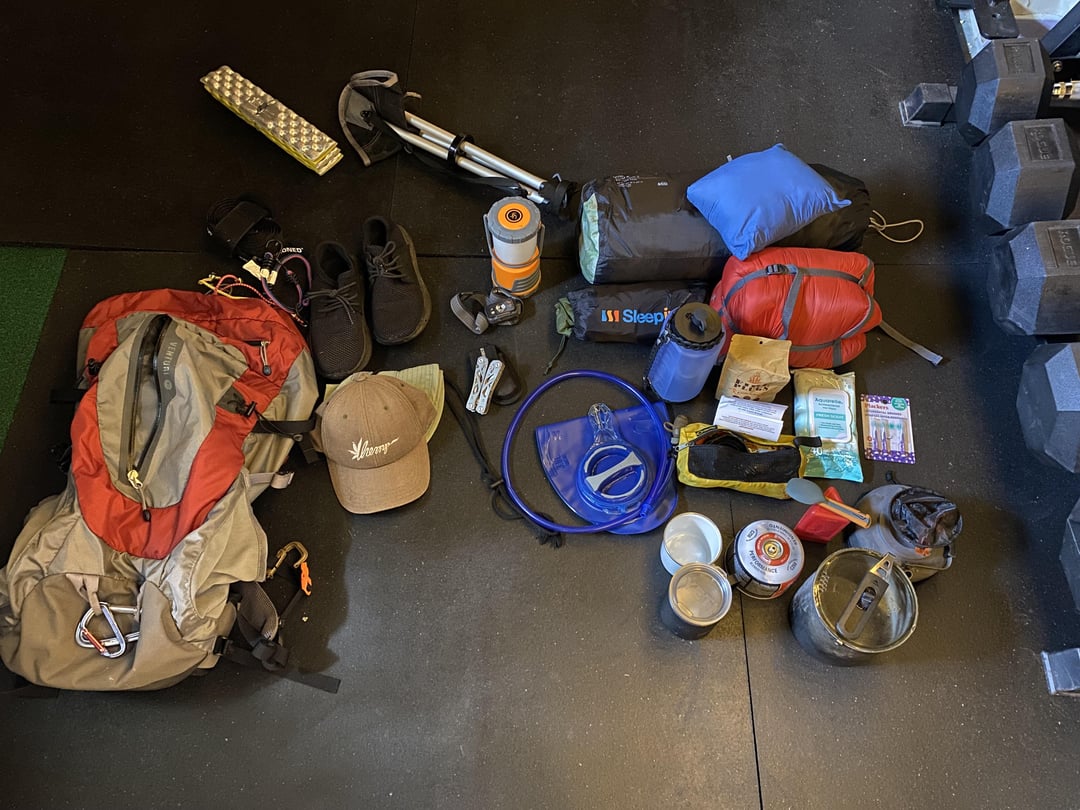
Before setting out on any trek, understanding the core equipment needed lays the foundation for a successful journey. Proper preparation ensures safety, comfort, and an enjoyable experience. It’s essential to differentiate between the basics that keep you safe, the gear that enhances comfort, and those that contribute to efficient navigation.
The right gear selection depends largely on various factors—terrain, weather, duration, and your personal preferences. The key is striking a balance between carrying enough gear to be prepared and avoiding an overload that hampers mobility. So, what equipment do I need for trekking? The following checklist encompasses general essentials adaptable to most trekking conditions.
Clothing and Footwear: Layering Strategies for Weather Adaptability
Clothing and footwear form the backbone of trekking gear. Proper garments help regulate temperature, prevent injuries, and protect against environmental elements. Depending on the trek’s location and climate, your clothing list can vary significantly.
Base Layer – The Foundation of Comfort
A good base layer wicks moisture away from your skin, keeping you dry and preventing chafing. Materials like merino wool or synthetic fibers such as polyester are prime choices because of their moisture-wicking properties and durability.
Personal experience shows that a high-quality base layer can mean the difference between a comfortable trek and an uncomfortable, sweaty experience. When choosing a base layer, consider breathability, fit, and rapid drying features. For colder treks, thermal base layers are essential, while lighter options suffice in warmer climates.
Mid Layer – Insulating and Temperature Regulation
The mid layer provides insulation against cold temperatures, trapping heat close to your body. Fleece jackets and insulated vests are popular mid-layer options. These garments help you stay warm during chilly mornings or in high-altitude environments.
A personal insight is that layering allows flexibility—adding or removing mid-layers as needed. For example, during snow treks, a down or synthetic insulated jacket is vital, while on summer trails, a lightweight fleece might suffice.
Outer Layer – Weather Protection
The outer shell protects you from wind, rain, and snow. Waterproof jackets and pants, preferably breathable, prevent rain from dampening your clothes and chilling your body. Gore-Tex and similar fabrics are excellent for weatherproofing.
An important tip is that a waterproof shell should be lightweight and packable. It’s also beneficial to carry a hood with adjustable features to shield your head and neck effectively. Personal experiences highlight that waterproof gear dramatically improves comfort during sudden downpours, especially in unpredictable mountain environments.
Footwear – Supportive, Durable Hiking Boots and Socks
Your footwear choice is arguably the most critical aspect of trek gear. Proper trekking boots provide ankle support, traction, and protection against rough terrain.
When selecting trekking boots, ensure they fit well—no pinching or excessive looseness. Break them in before your trek to prevent blisters. Remember, the right socks, preferably made of wool or synthetic blends, help reduce blister formation and keep your feet dry.
Comparing different types of trekking footwear (e.g., low-cut vs. high-cut) reveals that high-cut boots offer better ankle support, which is crucial for uneven terrains or longer treks. Personal advice: always carry an extra pair of socks and consider waterproof boots if crossing water bodies or trekking in rainy conditions.
Gear for Navigation, Safety, and Emergency Preparedness: Navigating the Wilderness with Confidence
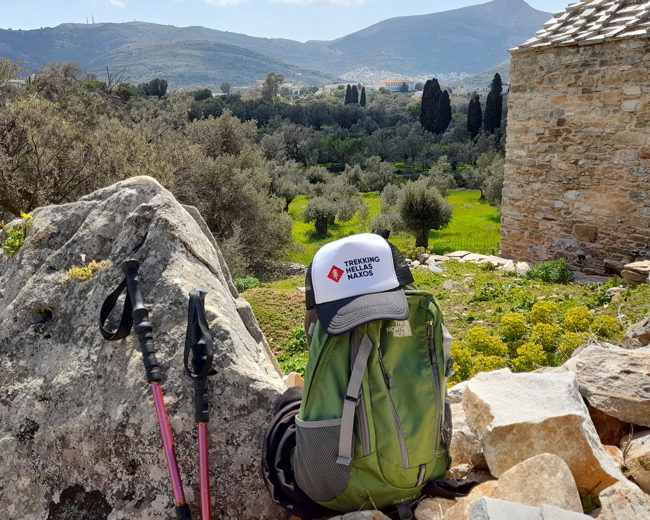
Navigation and safety gear are vital components of your trekking equipment. They enable you to stay on course, handle emergencies, and ensure a safe adventure even in remote areas with poor signal or unmarked trails.
Understanding what equipment do I need for trekking in terms of navigation involves selecting reliable tools that work well under various conditions. Modern gadgets combined with traditional navigation tools form a comprehensive safety kit.
Navigation Tools: Maps, Compass, and GPS Devices
Classic navigation relies on maps and compasses, which do not depend on batteries or signals. Learning how to read topographical maps and navigate with a compass is a fundamental skill for trekkers.
Modern GPS devices, including handheld units and smartphone apps, offer precise location tracking and route planning. However, relying solely on electronic devices can be risky if batteries die or signals are lost. Therefore, having backup navigation tools ensures robustness.
Personal insights suggest carrying both a physical map and a GPS device during treks. Practice using compass and map before your adventure to develop confidence and independence. Additionally, downloading offline maps and ensuring your GPS is waterproof safeguards your navigation plan.
Safety Gear: First Aid Kit and Emergency Communication Devices
Accidents can happen even with thorough planning. A well-stocked first aid kit is essential to treat cuts, blisters, insect bites, or altitude sickness symptoms.
A compact first aid kit should contain bandages, antiseptic wipes, pain relievers, blister treatment, and personal medications. Learning basic first aid skills, such as wound cleaning and immobilization, can save lives.
In remote areas, carrying emergency communication devices like satellite phones, personal locator beacons (PLBs), or emergency GPS trackers can be lifesaving. These tools connect you to rescue services even without cellular coverage.
Emergency Shelter and Other Safety Equipment
In case of unexpected overnight stays or weather emergencies, lightweight emergency shelters like bivvy bags or compact tents are critical. Additionally, carrying a whistle, multi-tool, and headlamp ensures preparedness for various scenarios.
Personal experience highlights that being prepared for the unexpected boosts confidence and safety during challenging treks. Always inform someone about your route and expected return time. Fleeting conditions or last-minute weather changes reinforce why comprehensive safety gear is non-negotiable.
Sustenance and Hydration Gear: Ensuring Energy and Water Supply on Long Treks

Proper hydration and nutrition are lifelines on trekking adventures. Your gear should include not only food and water containers but also tools to purify water and carry sufficient supplies for your journey.
Water Bottles and Hydration Systems
Hydration is vital to avoid dehydration and altitude sickness. Reusable water bottles or hydration bladders should be lightweight, durable, and easy to access.
Insulating covers for bottles prevent freezing during cold weather. Consider carrying multiple bottles or reservoirs, especially on longer treks, to ensure continuous access to water.
Water Purification: Filters, Tablets, and UV Sterilizers
Natural water sources are abundant on many treks, but they may contain harmful bacteria or parasites. Carrying water purification gear is essential for safe drinking water.
Lightweight water filters, chemical purification tablets, or UV sterilizers are effective tools. Each has pros and cons: filters offer fast, physical removal of contaminants; tablets are lightweight but need time to work; UV sterilizers provide chemical-free sterilization.
Personal recommendation: combine methods—use a filter to remove particulates, then apply purification tablets for added safety. This layered approach maximizes water safety during your trek.
Food Supplies and Utensils
High-calorie, lightweight, and nutrient-dense foods are ideal for trekking. Energy bars, trail mix, dehydrated meals, and instant soups provide quick energy and are easy to carry.
Carry durable utensils like lightweight spoons, cups, and a portable stove if planning to cook. Proper food storage prevents spoilage and attracts fewer wildlife.
An effective meal plan and proper storage containers keep your energy levels consistent and make the trek more enjoyable. Personal insights suggest packing more than enough calories to compensate for increased energy expenditure in high-altitude or challenging terrain.
How to Use: What Equipment Do I Need for Trekking? Practical Tips for Beginners
Knowing what to pack is one thing, but understanding how to use your gear correctly optimizes your trekking experience. For beginners, developing a routine for gear management and safety checks enhances confidence.
Begin each morning with a quick gear inspection to ensure everything is functional and secure. Use your navigation tools regularly, and frequently check your compass or GPS against your map. Hydrate regularly, and don’t wait until you’re thirsty—dehydration can impair your judgment.
When crossing water, use your water purification system diligently, and store water in insulated bottles to avoid freezing. During emergencies, use safety gear like whistles and reflective markers to signal rescuers. Personal experience emphasizes practicing assembling your shelter, using your stove, and administering basic first aid before embarking on your trek.
Comparison of gear types, such as waterproof versus breathable jackets, reveals that investing in quality is worthwhile for durability and performance. Advice from seasoned trekkers underscores the importance of proper layering, respecting weather conditions, and always being prepared.
FAQs About Trekking Equipment: Your Quick Guide to Expert Answers
Q1: How should I choose the right trekking shoes?
Choose shoes that fit well without pinching, provide ankle support, and have sufficient traction. Break them in before your trek to prevent blisters.
Q2: What lightweight gear can I compromise on without risking safety?
Consider lightweight clothing layers and minimalist cooking utensils. However, safety gear like navigation tools and a first aid kit are non-negotiable.
Q3: How do I pack gear efficiently for longer treks?
Use a compression packing system, organize gear by priority, and keep frequently used items accessible. Use a checklist to ensure nothing is forgotten.
Q4: Is it necessary to carry a GPS device?
While traditional navigation tools are reliable, a GPS device enhances accuracy and ease of route finding. Always carry backups like a compass and map.
Q5: What should I do if unexpectedly caught in bad weather?
Seek shelter promptly, wear waterproof gear, protect your head and body, and avoid exposed areas. Always have emergency items like a bivvy bag or rain poncho.
Conclusion
Properly understanding and preparing what equipment do I need for trekking is fundamental to ensuring a safe, comfortable, and enjoyable adventure. From appropriate clothing and footwear to navigation, safety, and sustenance gear, each piece plays a crucial role in tackling different terrains and weather conditions. Equipping yourself with the right tools, learning how to use them effectively, and preparing for emergencies will transform your trekking experience. Whether you’re exploring mountain passes, dense forests, or remote wilderness, thorough preparation guarantees that your journey will be memorable for all the right reasons.