Embarking on a hike can be one of the most rewarding outdoor experiences, but for adventurers seeking the ultimate challenge, the question remains: Whats the most difficult hike? Knowing what makes a trail grueling involves understanding various elements such as terrain, altitude, weather conditions, and trail length. This article dives deep into the world of extreme hiking, exploring some of the most arduous trails across the globe, providing insights on what makes them uniquely challenging, and offering guidance for those daring enough to conquer them.
The Battle Against Nature: Understanding Extreme Hiking Challenges and the Factors That Define the Most Difficult Hike
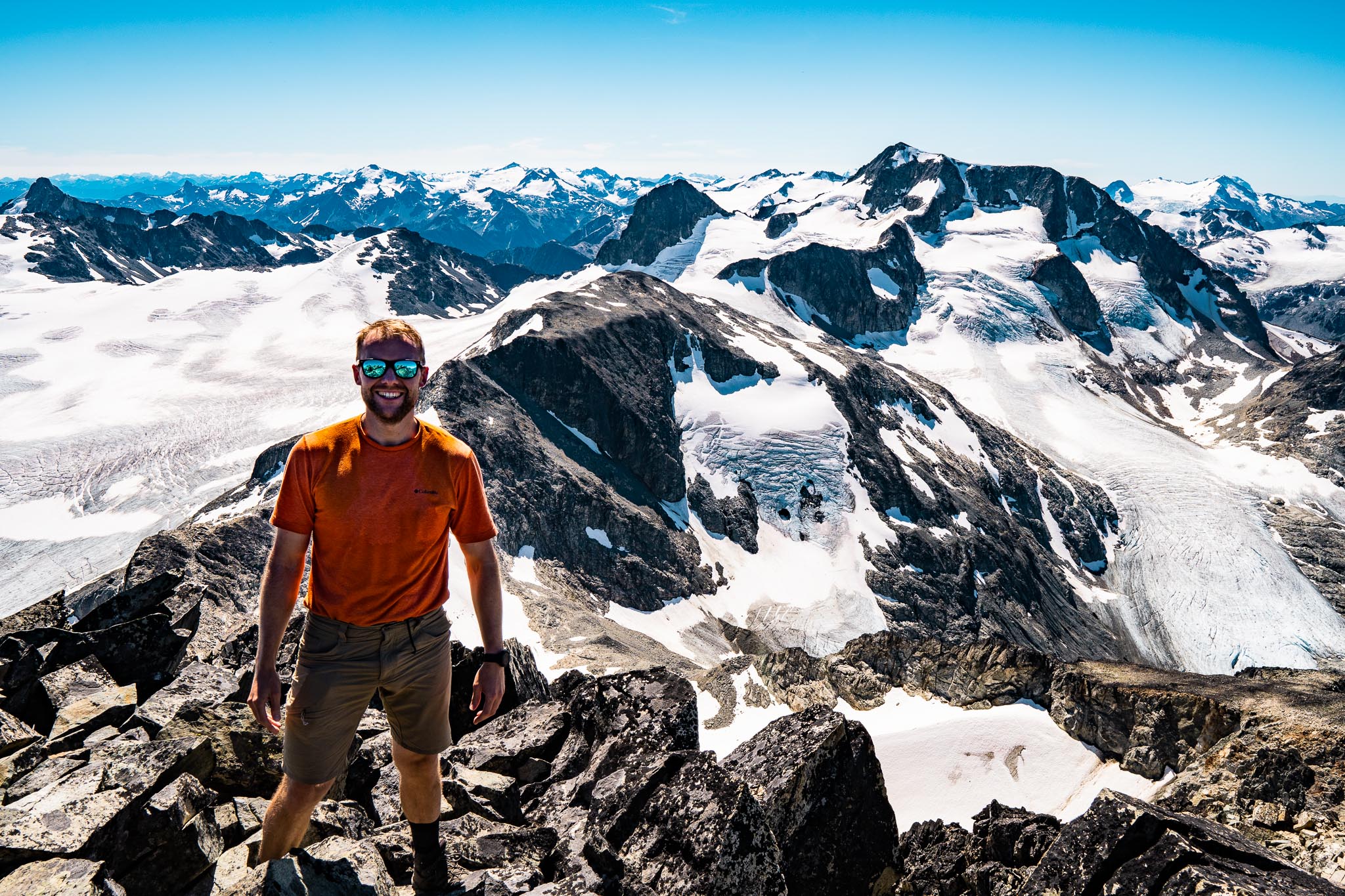
When considering Whats the most difficult hike?, it’s not just about steep inclines or long distances—it’s about the combination of multiple elements that test human limits. These challenges include unpredictable weather, extreme altitude, technical difficulty, physical endurance, and mental stamina. To truly comprehend what makes a trail the hardest, one must analyze these factors holistically.
Extreme hiking often takes place in remote regions where rescue operations are difficult, and the environment itself becomes a formidable adversary. Hikers must prepare rigorously, considering their skill levels and physical conditioning. Additionally, the impact of environmental factors such as altitude sickness, unpredictable avalanches, and rugged terrain separates mere adventure from grueling endurance tests. Achieving mastery in tackling Whats the most difficult hike? involves understanding these interconnected challenges.
Technical Difficulty of Treacherous Terrain
The terrain plays a pivotal role in determining a trail’s difficulty level. Steep inclines, loose gravel, icy patches, and exposed ridges require significant technical skill and confidence. For example, mountain routes with rock scrambling, fixed ropes, or snow crossings raise the difficulty bar exponentially. Climbers and hikers must also be equipped with specialized gear, such as crampons, harnesses, and ice axes, to navigate safely.
The technical difficulty influences not only the physical effort required but also the mental resolve. When facing terrain that demands high skill levels, hikers often face fear and uncertainty, which can hinder progress. Moreover, in such challenging terrain, small mistakes can lead to serious accidents or fatalities, emphasizing the importance of experience and training.
Elevation and Altitude Considerations
Another critical component of Whats the most difficult hike? is altitude. High-elevation trails pose unique challenges—thin air causes hypoxia, leading to altitude sickness, fatigue, and impaired judgment. Popular extreme hikes like Mount Everest’s base camp trek or the Ecuadorian summit of Cotopaxi take hikers into zones above 4,500 meters, where the slightest misstep can be fatal.
Elevation impacts physical exertion significantly; oxygen deprivation forces the body to work harder, reducing stamina and increasing the risk of accidents. Trail routes often demand acclimatization periods, and misjudging this can result in severe health consequences. The combination of physical mountain conditions and the psychological stress of altitude makes these hikes some of the most difficult on earth.
Weather Extremes and Unpredictability
Weather can turn a manageable trail into a nightmare, especially on extreme hikes. Sudden snowstorms, high winds, torrential rains, and extreme temperatures test hikers’ resilience and survival skills. For example, Annapurna Circuit in Nepal regularly faces unpredictable weather that complicates access and safety, requiring hikers to be prepared for rapid changes.
Very few hikes are immune to weather. The severity of conditions can delay or cancel planned routes, and the risk of avalanches, hypothermia, or heatstroke increases dramatically. Successful navigation of such treacherous conditions demands not only physical fitness and technical skill but also mental toughness to remain calm and make smart decisions under pressure.
Length, Endurance, and Mental Fortitude
Some of the most difficult hikes are defined by their length and the physical endurance required. A trail might span hundreds of miles, taking weeks of daily effort, forcing hikers to push through fatigue, injuries, and emotional exhaustion. The Pacific Crest Trail, Appalachian Trail, and the Tour du Mont Blanc are notable for their length and demanding nature.
Long-distance hikes require strategic planning, resilience, and mental toughness. The psychological aspect often becomes a decisive factor—those who can manage loneliness, hunger, and physical pain tend to persevere and succeed. Challenges such as sleep deprivation and uncertainty about rescue add another layer of difficulty, making long hikes some of the most comprehensive tests of human endurance.
Examples of the World’s Hardest Trails and the Unique Challenges They Present
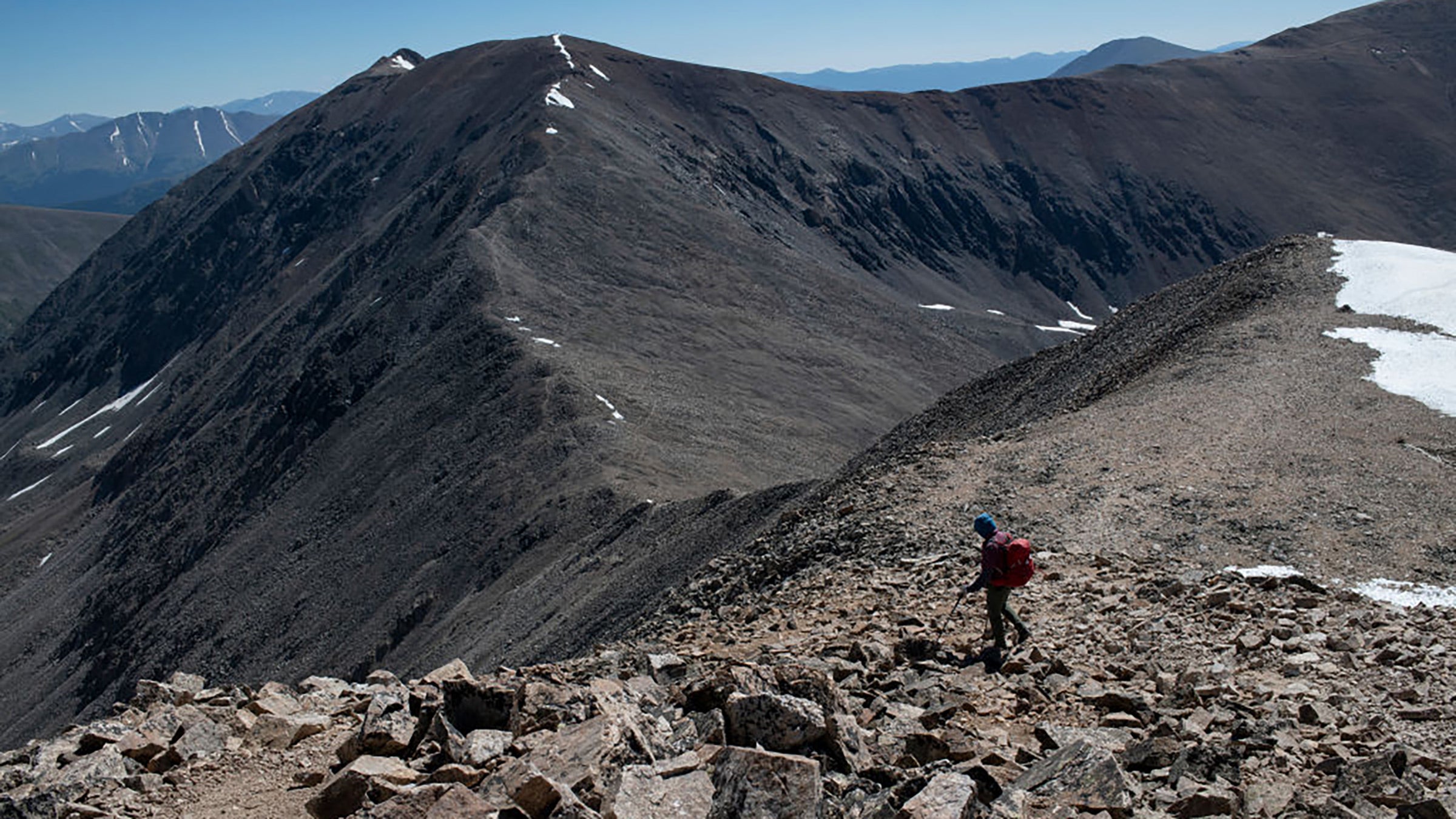
Now that we understand the factors involved, it’s intriguing to look at specific examples of Whats the most difficult hike? The global landscape is dotted with trails that push the limits of human resilience, each with unique challenges that define them as the hardest pathways on earth.
The Anatomy of Mount Everest Base Camp Trek – The Ultimate High-Altitude Challenge
Mount Everest, the towering behemoth of the Himalayas, draws thousands of trekkers every year who want to witness its majesty and confront its dangers. The Everest Base Camp Trek encompasses rugged terrain, unpredictable weather, and extreme altitude, making it one of the most physically and emotionally demanding hikes.
This trek offers breathtaking views, but the path is riddled with risks—risk of altitude sickness, avalanches, and unpredictable weather. Trekkers must acclimate properly and be prepared for sudden storms. The physical challenge lies in adjusting to the thin atmosphere, which saps energy and increases the risk of deadly cerebral and pulmonary edema. Additionally, the high altitude amplifies the importance of mental resilience, as exhaustion and altitude sickness can impair judgment just when a cautious approach is most vital.
The trek covers approximately 130 kilometers round-trip, with a cumulative elevation gain of over 3,000 meters. Trekkers typically spend 12-14 days on the trail, making persistence critical. Success in this challenge is as much about mental stamina as it is physical endurance, illustrating what makes Whats the most difficult hike? a subjective question—different trails demand different kinds of resilience.
The Karakoram Highway and K2 – The Mother of All Mountain Trails
The Karakoram Highway and K2 region in Pakistan and China are legendary for their formidable terrain. The trek to K2 Base Camp is considered one of the most dangerous hikes in the world due to extreme altitude, technical climbing, and unpredictable weather.
This trail combines glacier crossings, high-altitude passes, and technical rock and ice sections. The environment alone is unforgiving—temperatures plummet, avalanches are common, and the risk of falling ice is ever-present. The route demands mountaineering skills rather than just hiking, with a need for acclimatization, specialized gear, and experience in high-altitude climbing.
Navigating such terrain requires extreme physical fitness and mental focus. Hikers must acclimate over weeks, endure harsh conditions, and sometimes face life-threatening situations. The psychological pressure of navigating a treacherous mountain landscape makes Whats the most difficult hike? a complex question—it’s not solely about distance but the severe technical and environmental challenges.
| Hike Name Terrain Type Altitude (meters) Weather Conditions Technical Difficulty Estimated Duration | |||||
|---|---|---|---|---|---|
| Everest Base Camp Trek | Mountainous trail, snow, ice | 5,364 m | Unpredictable, cold | Moderate to high | 12-14 days |
| K2 Base Camp Trek | Glaciers, snow, ice, mountaineering | 5,380 m | Extremely unpredictable | Very high | 2-3 weeks |
| The Drakensberg Traverse | Steep cliffs, loose rock | 3,482 m | Variable | High | 10 days |
In the table above, different routes present varying degrees of difficulty, emphasizing that Whats the most difficult hike? depends greatly on the terrain, technical requirements, and environmental conditions.
The Patagonia O Circuit – Nature’s Rugged Isolation
For those who seek raw natural beauty coupled with extreme difficulty, Patagonia’s O Circuit offers a compelling challenge. Spanning the rugged terrains of southern Chile and Argentina, this hike is renowned for its isolated terrain, unpredictable weather, and demanding route.
Hikers face relentless wind, rain, and sometimes snow, often without access to rescue or emergency services. The route includes glacier crossings, steep ascents, descents, and remote campsites. The mountains’ unpredictable weather and rugged terrain require advanced navigation skills, experience with glacier travel, and excellent physical conditioning.
The psychological challenge of venturing into remote wilderness where rescue options are limited is also significant. Hikers must be prepared for 8-10 days of self-sufficiency, often with little contact with the outside world. The solitude and harsh weather conditions make this trail one of the toughest, demanding resilience on every level—physical, mental, and emotional.
How to Approach and Prepare for the Most Difficult Hikes
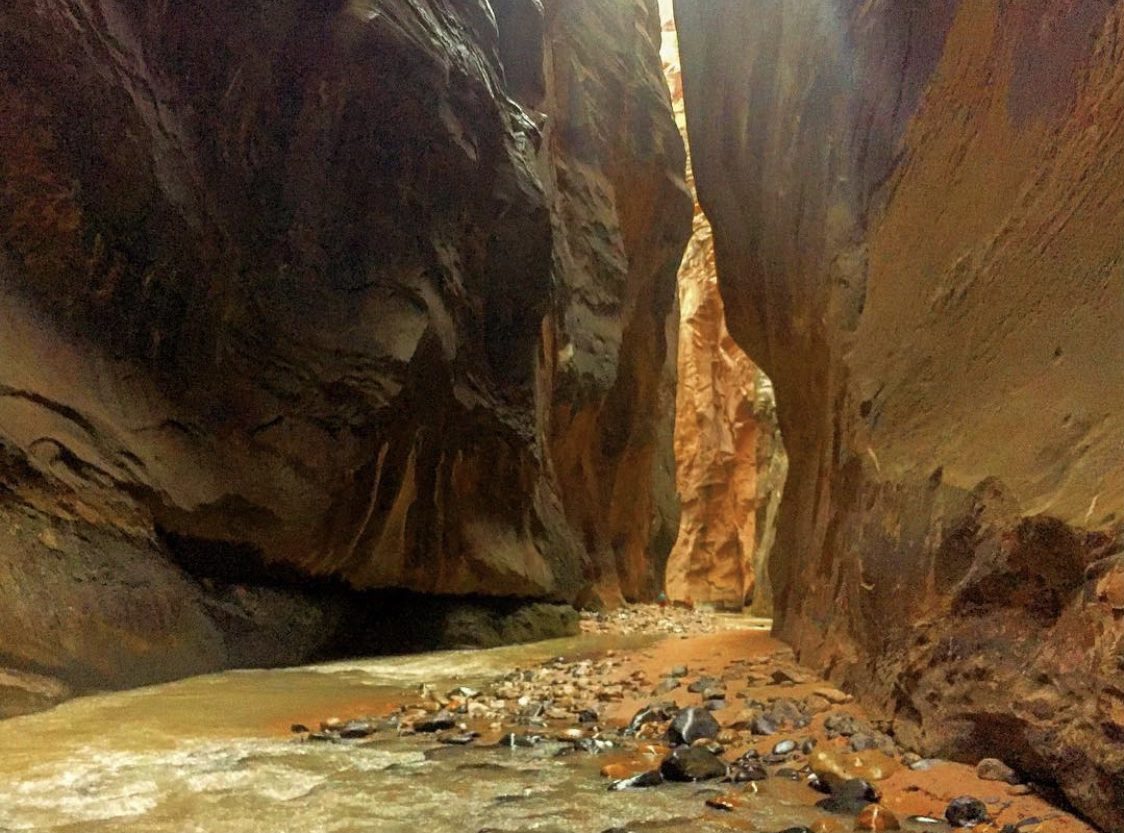
Understanding Whats the most difficult hike? is just the first step. Preparation is vital to overcome such daunting challenges. Here are practical tips and strategies for aspiring adventurers:
Building Physical and Technical Fitness
Trail difficulty often hinges on physical endurance and technical skills. Prepare by engaging in cardio, strength training, and altitude acclimatization well before your expedition. If the hike involves technical terrain, practice climbing, rappelling, and glacier travel under professional supervision.
Gradually increase your hike difficulty level before attempting the most challenging trails. Focus on building stamina, core strength, and balance—crucial attributes when navigating rugged terrains.
Acclimatization and Mental Preparation
Proper acclimatization is non-negotiable for high-altitude treks. Plan your itinerary with ample time to adjust, and listen to your body. Mental resilience is just as important—visualize challenges, develop problem-solving skills, and cultivate patience and calmness to handle emergencies.
Necessary Gear and Knowledge
Invest in high-quality gear suited for extreme conditions—waterproof clothing, technical climbing equipment, first aid kits, and navigation tools. Know how to use your gear effectively, and gain experience through local trips that simulate parts of the expedition.
Risk Management and Safety
Develop a safety plan: always inform someone about your route, carry communication devices where possible, and understand emergency procedures. Engage with guides or local experts when tackling technically demanding or remote paths.
FAQs about the Most Difficult Hikes
Q1: What is considered the most difficult hike in the world?
The answer varies depending on criteria, but many consider K2 or the Everest Base Camp trek to be among the most challenging due to altitude, terrain, and environmental unpredictability.
Q2: How physically fit should I be to attempt the hardest hikes?
You should be in excellent physical condition, capable of endurance activities, and prepared for high-altitude challenges, especially if the trail involves technical climbs or multi-day trekking.
Q3: Is technical experience necessary for extreme hikes?
Yes, certain hikes, particularly those involving glaciers or rock crossings, demand technical mountaineering skills. Preparation with professional guides and training is highly recommended.
Q4: What are the risks of attempting the hardest hikes?
Risks include falls, altitude sickness, weather-related hazards, injuries, and getting lost. Proper planning, training, and respecting weather conditions are crucial to safety.
Q5: Can novice hikers attempt challenging trails?
While some trails are suitable for advanced hikers, most extreme hikes require significant preparation, training, and experience. Novices should seek guidance and start with less demanding routes before progressing.
Conclusion
The quest to identify Whats the most difficult hike? uncovers a spectrum of trails that test human endurance, technical skill, and mental fortitude to their limits. From the perilous heights of Mount Everest’s base camp to the remote wilderness of Patagonia’s harsh terrains, these challenges demand meticulous preparation, resilience, and respect for nature’s formidable power. For adventure seekers, understanding these elements and respecting the severity of such journeys is paramount. Ultimately, the most difficult hike is a testament to human perseverance and our unyielding desire to conquer nature’s greatest obstacles.