Exploring the breathtaking vistas of the Grand Canyon is on many outdoor enthusiasts’ bucket lists. Planning a trip to this natural wonder requires careful preparation, especially when it comes to packing the essentials. So, what should you bring to the Grand Canyon to ensure safety, comfort, and enjoyment? This comprehensive guide delves into all the critical items and insightful tips to help you be fully prepared for your Grand Canyon adventure.
Understanding the Essentials for a Safe and Comfortable Trip to the Grand Canyon
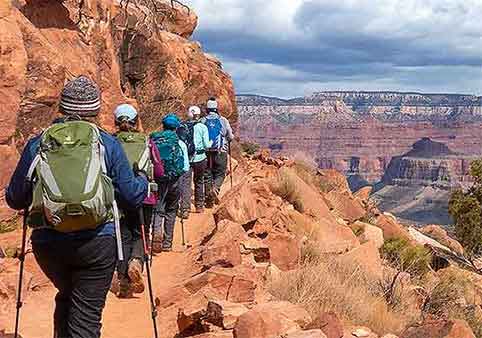
Before embarking on your journey, it’s crucial to understand why packing the right gear is vital. The Grand Canyon’s environment varies dramatically in elevation, temperature, and terrain, demanding a strategic packing checklist. Whether you’re planning a day hike, a multi-day backpacking trip, or a rafting expedition, your gear list will differ accordingly.
Having a well-thought-out packing strategy ensures you’re prepared for sudden weather changes, unexpected emergencies, and the physical demands of exploring such rugged landscapes. Remember, the key is balancing the weight of your pack while ensuring all critical survival and comfort needs are met.
This section unpacks the importance of understanding your trip type, assessing the environmental conditions, and preparing accordingly by choosing the right items to bring. Being overly cautious or under-prepared can affect the quality of your experience, so it’s essential to plan meticulously.
What to Consider When Packing for the Grand Canyon
Planning your gear involves assessing the trip duration, the terrain, and expected weather conditions. For instance, a day hike differs vastly from a week-long backcountry adventure. The safety gear and supplies you carry should reflect the activities you plan to undertake.
It’s important to keep in mind that the Grand Canyon’s environment can be unpredictable, with potential for extreme heat, sudden storms, or chilly nights, especially if you’re venturing into higher elevations or the inner canyon. Hence, packing versatile, layered clothing and essential supplies is non-negotiable.
Adequate planning minimizes risks, ensures seamless navigation, and guarantees you can handle emergencies effectively. Keeping all these considerations in mind while packing will help you answer what should you bring to the Grand Canyon confidently and comprehensively.
Essential Clothing and Personal Items for the Grand Canyon
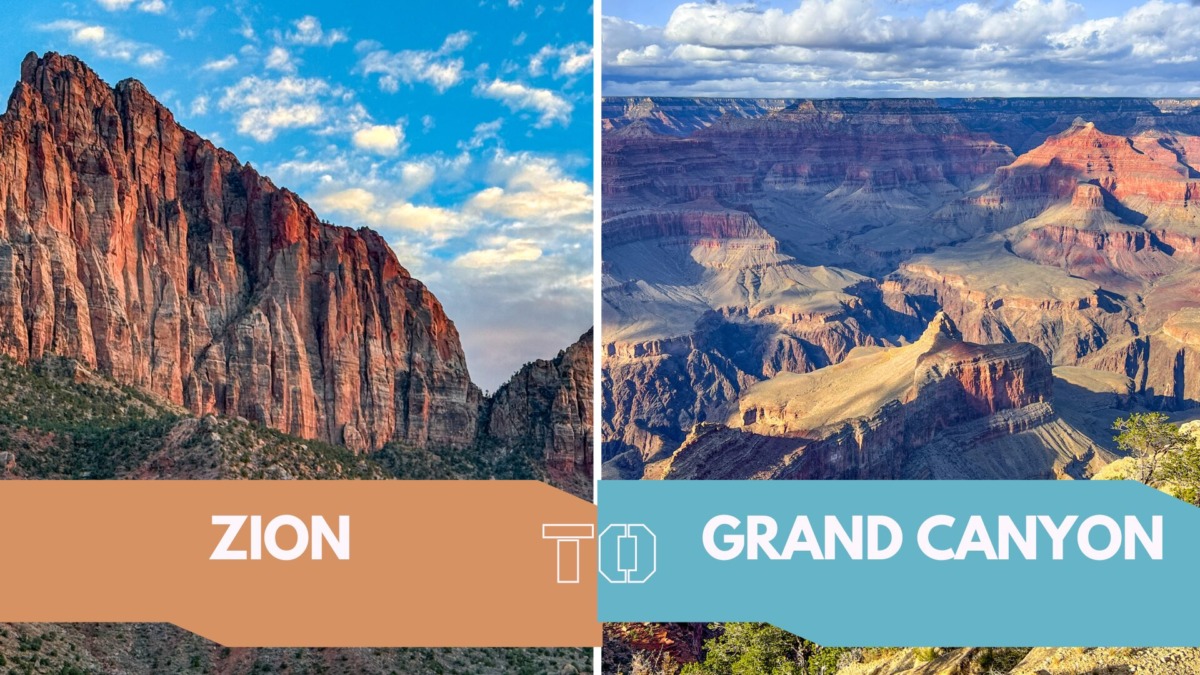
Clothing is the foundation of any successful outdoor adventure, and at the Grand Canyon, it’s even more critical due to the environmental variability. The right clothing increases comfort and safety, helping you adapt to temperature swings and terrain challenges.
When deciding what to bring to the Grand Canyon, prioritize lightweight, moisture-wicking, and layer-friendly clothing. Proper footwear, sun protection, and additional personal items also play significant roles in ensuring your trip is enjoyable and injury-free.
The following discuss the key clothing and personal items you should pack, emphasizing quality, comfort, and practicality.
Layered Clothing for Variable Climates
The Grand Canyon’s temperature can fluctuate dramatically between day and night. During the day, the sun’s heat can be intense, and proper sun protection is crucial. However, as the sun sets or during early mornings, temperatures can drop significantly, especially in the inner canyon and higher elevations.
Layering allows you to adjust clothing accordingly. Start with moisture-wicking base layers to keep sweat away from your skin. Over that, add insulating layers if you expect colder temperatures or wind. Finally, a lightweight, waterproof, and breathable outer layer will protect you against rain or unexpected weather changes.
Invest in high-quality clothing made from technical fabrics that dry quickly and provide UV protection. Don’t forget a wide-brimmed hat and UV sunglasses for sun safety. These clothing choices are vital because they help prevent heat exhaustion, hypothermia, and sunburn, ensuring you can focus on enjoying the scenery.
Footwear and Foot Care Essentials
Your footwear determines your comfort and safety during your Grand Canyon trip. Proper hiking shoes or boots with good ankle support and tread are essential, considering the rocky, uneven terrain.
Break in your shoes before the trip to prevent blisters, which can quickly turn into painful problems on long hikes. Carrying extra shoelaces and moisture-wicking socks is advisable to manage blisters and keep your feet dry.
Foot care items like blister pads, anti-fungal powder, and foot cream should be part of your packing list. Well-maintained feet reduce the risk of injuries and fatigue, allowing you to explore more confidently.
Sun Protection and Personal Hygiene Items
The desert sun in the Grand Canyon can be harsh, increasing the risk of sunburn and heat exhaustion. Packing sunblock with high SPF, a broad-brimmed hat, and UV-protective sunglasses is essential.
Personal hygiene items such as biodegradable soap, hand sanitizer, a small towel, and feminine hygiene products contribute to your comfort and health during the trip. Maintaining personal hygiene in the wilderness reduces the risk of infections and ensures a more pleasant experience.
Remember to pack these items in easily accessible compartments of your backpack for quick use. Prioritizing sun safety and hygiene helps you enjoy the canyon rides, hikes, or rafting without unnecessary discomfort or health risks.
Food, Hydration, and Emergency Supplies – Fueling Your Grand Canyon Adventure

Exploring the Grand Canyon demands physical stamina and energy, making proper nutrition and hydration a priority. Besides, being prepared for emergencies with appropriate supplies can be a lifesaver.
This section explores the critical items concerning food, water, and emergency preparedness, helping you answer the question: what should you bring to the Grand Canyon to stay energized and safe.
Hydration Tips and Water Management
The importance of hydration cannot be overstated in the desert environment of the Grand Canyon. Hydration not only maintains energy levels but also prevents heat-related illnesses.
Carry enough water for your planned activities and know where water sources are located along your route. Water filtration systems, purification tablets, or UV purifiers are essential for refilling safely from natural sources. Remember, drinking contaminated water can lead to serious health issues, so investing in reliable purification methods is well worth it.
A hydration pack combined with water bottles offers convenience and accessibility during hikes, allowing you to drink frequently without stopping. Aim to consume at least a liter of water every hour during active periods, adjusting based on temperature and exertion levels.
Nutritious, Easy-to-Carry Food Options
Fueling your body requires nutrient-dense, lightweight foods that are easy to carry and consume on the go. Items like trail mix, energy bars, dried fruits, and jerky provide quick energy and are minimally bulky.
Plan your meals carefully, especially for multi-day trips, by packing dehydrated or freeze-dried foods, which require minimal preparation and weigh less. Including a variety of carbohydrates, proteins, and fats will sustain your energy levels throughout the day.
Bear in mind that overpackaging can add unnecessary weight; therefore, prioritize food that is easy to pack and consume without elaborate cooking setups. Proper nutrition prevents fatigue and keeps your spirits high as you navigate the canyon’s challenging terrains.
Emergency Supplies and Safety Equipment
Emergencies can happen unexpectedly; hence, carrying the right safety gear is crucial. A comprehensive first-aid kit equipped with bandages, antiseptics, pain relievers, and blister treatment supplies is indispensable.
Other emergency essentials include a flashlight or headlamp with extra batteries, a multi-tool or Swiss Army knife, and a whistle for signaling. A compact satellite messenger or GPS device can be invaluable for navigation and emergency communication in areas with no cell coverage.
Packing a small, lightweight emergency blanket can help in unexpected weather drops or if someone requires warmth. Learning basic first aid and emergency procedures before the trip ensures you’re prepared to respond effectively. These supplies can significantly impact outcomes during unforeseen events, making them a critical part of your pack.
Navigation, Permits, and Other Practical Items for Your Grand Canyon Journey
Besides physical gear, understanding how to navigate the vast landscape and secure necessary permits are crucial. The Grand Canyon’s expansive terrain can easily lead to disorientation without proper navigation tools and knowledge.
Being well-prepared means bringing maps, compasses, GPS devices, and familiarizing yourself with the trail routes or water routes if rafting. Securing permits for backcountry camping or overnight stays often requires advance planning, making it vital to understand the necessary paperwork.
This section discusses practical items and strategies to ensure your journey is legally compliant, well-directed, and safe, helping you thoroughly prepare for what should you bring to the Grand Canyon beyond just gear.
Navigation Tools and Techniques
Bringing physical maps and a compass, alongside a GPS device or smartphone with offline maps, enhances navigation confidence. The Grand Canyon’s trails can be challenging, with some routes poorly marked or unmarked in remote areas.
Familiarize yourself with the trail system, understand elevation changes, and have a clear itinerary. Using waypoints and marking your campsite on a map prevents disorientation, especially during low visibility conditions.
Learning basic navigation skills before the trip orienteering can surprise you with increased confidence and safety. Having multiple navigation options ensures you won’t be stranded or lost, allowing you to focus more on enjoying the scenery.
Permits and Regulations
Many areas within the Grand Canyon require permits, especially for overnight camping and backcountry trips. These permits are issued through the National Park Service and should be acquired well in advance of your trip.
Understanding camping restrictions, fire regulations, and alcohol policies is essential for compliance and preservation of the environment. Proper documentation and adherence to rules help prevent fines and penalties, ensuring your trip remains trouble-free.
Keeping copies of your permits, identification, and emergency contacts easily accessible is a practical way to stay organized. By respecting regulations, you contribute to the park’s preservation and support its ongoing accessibility for future visitors.
FAQs About What Should You Bring to the Grand Canyon
Q: How do I pack efficiently for multiple days at the Grand Canyon?
A: Focus on lightweight, multi-use items, and prioritize essential gear like durable clothing, quality footwear, and compact food and water supplies. Use packing cubes to organize gear, and plan your daily itinerary to minimize excess baggage.
Q: What safety items should I prioritize for Grand Canyon hikes?
A: Carry a comprehensive first-aid kit, navigation tools, a reliable water purification system, sun protection, and emergency communication devices. Knowing basic first aid and evacuation procedures enhances safety.
Q: How can I protect myself from extreme weather conditions?
A: Pack layered clothing, sunblock, sunglasses, hats, and a waterproof outer layer. Be prepared for sudden weather changes, especially in higher elevations or during monsoon season.
Q: Are there any specific items I should avoid bringing to the Grand Canyon?
A: Avoid non-biodegradable items, items that can harm the environment, and excess valuables that could be lost or stolen. Stick to essentials that support your safety and environmental conservation.
Q: What should I do if I forget an essential item?
A: Many stores near the Grand Canyon offer basic supplies; however, it’s best to check your packing list thoroughly before departure. For emergencies, park rangers and visitor centers can provide assistance.
Conclusion
Preparing for a trip to the Grand Canyon requires meticulous planning and packing the right gear to ensure safety, comfort, and an unforgettable experience. From appropriate clothing, footwear, and sun protection to hydration, nutritious food, navigation tools, and emergency supplies, knowing what should you bring to the Grand Canyon is the first step toward a successful adventure. Thoughtful preparation not only minimizes risks but also maximizes enjoyment, allowing you to immerse yourself fully in the awe-inspiring beauty of this natural wonder. Remember, the key to an exceptional Grand Canyon journey lies in balancing preparedness with adventure, so pack smart, respect nature, and cherish every moment exploring this magnificent landscape.