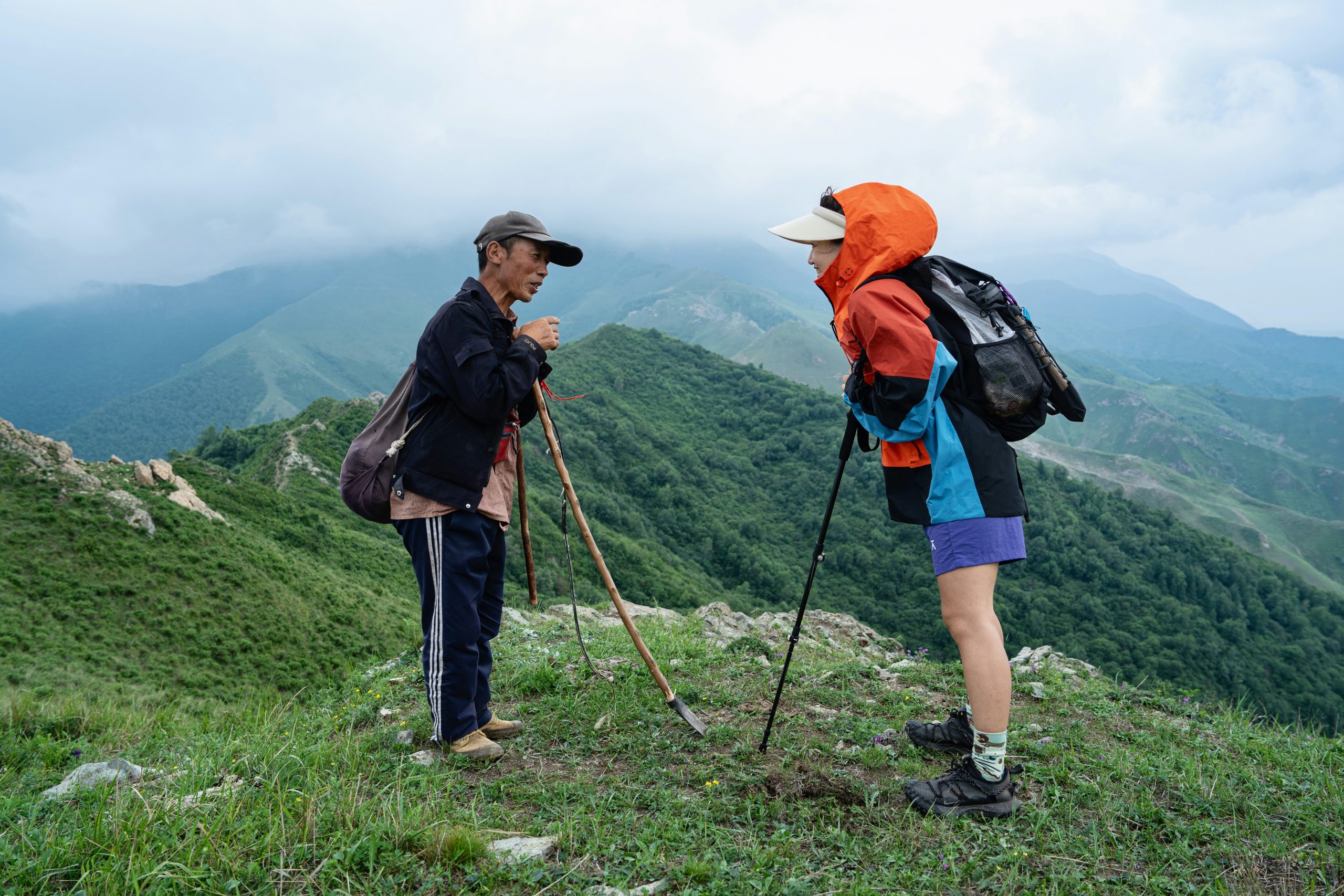
Choosing the right support gear can make a huge difference on the trail. Many outdoor enthusiasts debate the merits of modern equipment versus traditional tools. This guide explores that choice to help you find the best fit for your adventures.
Some experienced adventurers consider support gear essential. Others see it as optional, depending on the journey. The distinction often comes down to using a pair of modern tools or a single, classic staff. Each option supports a different style and preference.
Challenging terrain, like steep descents or long climbs, often shows the true value of proper equipment. FiTiFT provides high-quality outdoor sports gear designed for these diverse needs. We focus on helping you make an informed decision based on your specific situation.
This comparison will look at key factors like material, weight, and stability. The goal is to find what works for your body, your pack, and your favorite trails. The best choice is deeply personal and varies for every individual.
Key Takeaways
- The choice between modern and traditional support gear depends on personal hiking style and terrain.
- Using a pair of tools offers different benefits compared to a single staff.
- Many seasoned hikers have shifted from skepticism to relying on this equipment for challenging trails.
- Key decision factors include material composition, overall weight, and stability features.
- FiTiFT offers a range of durable outdoor gear suited for various hiking conditions and preferences.
- The ideal option is not universal but tailored to an individual’s fitness, pack weight, and typical environment.
Overview of Trekking Poles and Walking Sticks
The primary division in hiking support equipment lies between paired implements and single-staff designs. This distinction represents different philosophies about trail assistance.
Understanding the Basics
Trekking poles function as paired tools, offering dual-point contact with the ground. They evolved from ski pole designs to provide balanced support. Walking sticks serve as single-point aids with a minimalist tradition.
Using two poles creates superior stability on challenging terrain. The dual anchors help distribute weight evenly. This reduces strain on knees and legs during long hikes.
When to Use Each Option
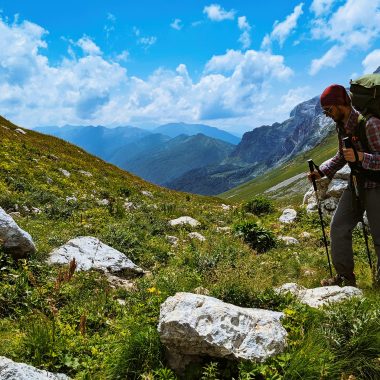
Paired poles excel on uneven ground and slick surfaces. They provide essential balance during stream crossings and steep descents. Heavy backpack loads become more manageable with dual support.
A single stick works well for casual day hikes on maintained trails. It leaves one hand free for navigation or photography. The minimalist approach suits lighter packs and simpler terrain.
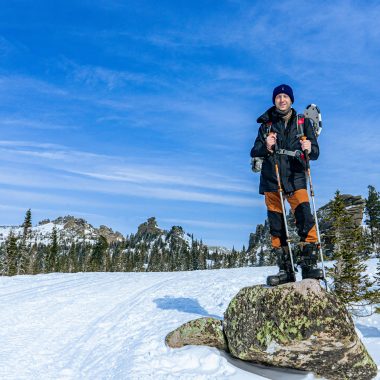
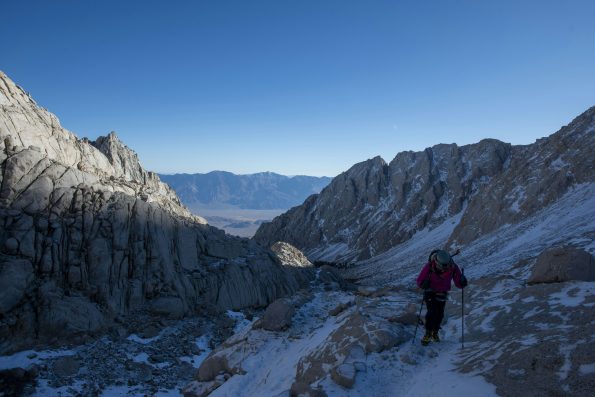
Winter conditions demonstrate the value of having two points of contact. They test ice thickness and provide security on snowy paths. The extra implements also help clear vegetation from the trail.
Carbon Trekking Poles vs Walking Sticks: Which Is Better for Hikers?
When selecting trail support equipment, the material composition plays a crucial role in performance and durability. Different materials offer unique benefits that cater to specific hiking styles and conditions.
FiTiFT Gear Options and Product Highlights
FiTiFT provides a comprehensive range of support tools designed for diverse outdoor needs. Their product lineup includes options for every type of adventurer.
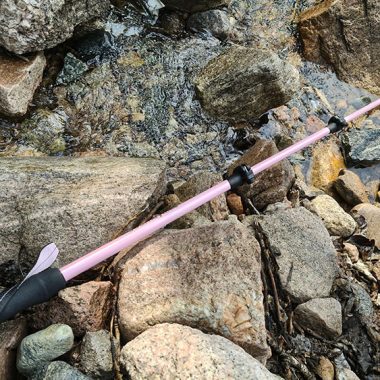
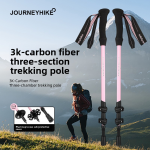
The 3K Carbon Fiber Trekking Poles deliver ultralight performance for weight-conscious hikers. This pair prioritizes minimal burden during extended journeys.
For maximum durability, the Premium 7075 Aluminum Trekking Poles withstand challenging terrain. They feature enhanced construction for expedition-level use.
The standard 7075 Aluminum Trekking Poles offer reliable performance at an accessible price point. This option maintains essential quality without premium costs.
Material Advantages and Considerations
Carbon fiber implements provide significant weight reduction, typically 30-40% lighter than aluminum equivalents. This material offers natural shock absorption for joint protection.
Aluminum tools demonstrate superior durability, bending rather than breaking under stress. They handle rough terrain impacts with reliable performance.
| Feature | Carbon Fiber | Aluminum |
|---|---|---|
| Weight | Ultralight | Heavier |
| Durability | May shatter under impact | Bends under stress |
| Shock Absorption | Excellent | Good |
| Price Point | Premium | Budget-friendly |
Each material serves different hiking preferences effectively. The choice depends on individual priorities for weight, durability, and investment.
Materials, Design, and Performance
The contact points between you and your equipment significantly influence comfort and control on the trail. Beyond the shaft material, the design elements determine how effectively the tool supports your body.
Grip Designs and Shock Absorption Methods
Handle materials are a primary consideration for comfort. The three main types are rubber, cork, and foam.
Rubber grips offer sturdy shock absorption at a budget-friendly price. However, they can cause chafing during sweaty excursions. Cork provides a softer, mid-range option that naturally wicks moisture and molds to your hand over time.
Foam grips represent the premium choice. They deliver superior comfort, excellent sweat absorption, and a long lifespan.
Shock absorption can be achieved through internal spring mechanisms or the inherent dampening properties of certain materials. The latter reduces joint impact without adding mechanical complexity.
Adjustability and Stability Features
Proper pole length is crucial for biomechanical efficiency. On level ground, your elbow should form a 90-degree angle when the tip touches the earth.
For uphill climbs, shorten the implement by about two inches. Lengthen it slightly for descents to improve stability. A simple, secure locking mechanism is essential for these quick adjustments.
| Feature Type | Key Advantage | Consideration |
|---|---|---|
| Adjustable Length | Versatility for varying terrain | Mechanisms can loosen over time |
| Fixed Length | No mechanical failure points | Less adaptability; requires longer grip |
| Carbide Tips | Superior durability on rock | Often paired with rubber tip covers |
| Wrist Straps | Protects thumbs; aids power transfer | Should be padded and adjustable |
Tip design also affects performance. Steel or carbide tips provide durability. Interchangeable rubber covers offer traction on hard surfaces and prevent sinking in soft ground.
Practical Tips for Using Trekking Poles on the Trail
Mastering a few fundamental skills unlocks the full potential of your hiking support system. Proper technique enhances stability and reduces fatigue during long journeys.
These methods help you get the most from your equipment investment. They transform basic tools into valuable trail partners.
Techniques for Uneven Terrains and Descents
Adjust pole length according to slope changes. Lengthen them slightly downhill to absorb impact on your joints. Shorten poles during climbs for better propulsion.
Use the wrist straps correctly for optimal power transfer. Thread your hand upward through the loop before gripping down. This secures the strap against your palm and thumb.
On unstable ground, plant poles ahead to test surface stability. They provide balance during stream crossings and rocky sections. This technique prevents slips and falls.
Research shows varying results regarding knee strain reduction. Some studies suggest significant relief while others show minimal difference. The benefit may come from how poles encourage forward-leaning posture.
Maintenance, Care, and Safety Practices
Clean pole sections after muddy hikes to prevent corrosion. Regularly check locking mechanisms for tightness. Replace worn tips and baskets as needed.
Use rubber tip covers on soft surfaces to prevent sinking. They also provide better traction on rocky trails. Covers protect your luggage during travel.
Poles serve multiple purposes beyond basic support. They can function as emergency splints or ultralight shelter frames. Some models even convert into camera tripods.
Practice with your equipment before challenging hikes. Develop a natural rhythm between arm and leg movements. This coordination becomes instinctive over time.
Exploring Advanced Considerations for Hikers
Advanced hikers often develop personal philosophies that shape their approach to using support tools on the trail. The community remains divided between those who consider them essential and others who prefer minimalist connection with nature.
Integrating Trekking Poles Into Your Hiking Routine
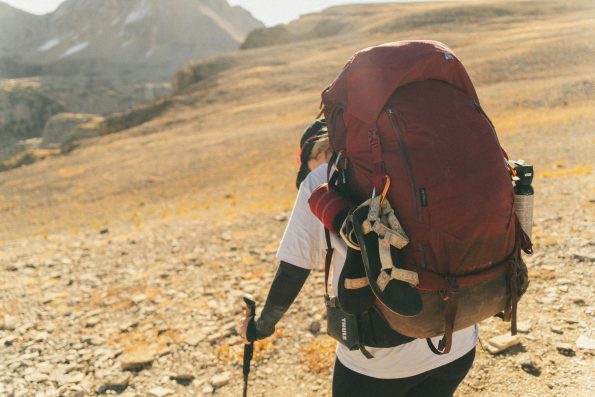
Many people adopt flexible strategies for their equipment. Modern backpacks allow quick attachment of these tools externally.
This provides excellent flexibility for changing trail conditions. Hikers can deploy their gear in about two minutes when needed.
Some experienced trail users eventually transition away from constant pole use. They discover the freedom of hiking without additional equipment.
| Approach | Key Benefits | Considerations |
|---|---|---|
| Using Poles Consistently | Enhanced stability, joint protection | May reduce natural balance development |
| Situational Use | Flexibility, energy conservation | Requires quick deployment skills |
| Minimalist Hiking | Natural connection, core engagement | Increased strain on challenging terrain |
Expert Insights and Real-World Experiences
Many people undergo significant transformations in their equipment preferences. Initial skepticism often gives way to appreciation after demanding routes.
These tools serve multiple purposes beyond basic support. They can function as shelter frames or emergency equipment.
The decision remains deeply personal and should consider individual factors like fitness level and terrain difficulty. Each hiker must find their optimal balance between assistance and natural movement.
Conclusion
The final decision in trail equipment selection reflects a hiker’s unique combination of physical needs and adventure goals. Both carbon fiber and aluminum options serve distinct purposes effectively.
Carbon fiber delivers exceptional weight savings for those prioritizing minimal burden. Aluminum provides superior durability for rugged terrain challenges. The terminology distinction often represents marketing more than functional differences.
FiTiFT offers quality gear across performance spectrums. Their range includes premium lightweight models and reliable budget-friendly alternatives. Each product balances essential features with practical value.
Ultimately, any quality support tool enhances your hiking experience compared to going without assistance. Choose equipment that fits your budget, packing needs, and typical trail conditions. Then get outside to discover how proper gear transforms your outdoor adventures.
FAQ
What is the main advantage of carbon fiber gear over aluminum?
The primary benefit is a significant reduction in weight. Lighter equipment reduces fatigue on long journeys, allowing you to conserve energy. This material also effectively dampens trail vibrations, providing a smoother feel.
Are these tools necessary for all types of hikes?
They are highly recommended for uneven paths, steep inclines, and carrying heavy packs. They improve balance and reduce impact on joints. For simple, flat walks, they may be optional, but many find them useful for maintaining a steady rhythm.
How do I choose the correct length for my needs?
A common method is to stand with the item upright next to you. Your elbow should form a 90-degree angle. Most modern designs are adjustable, allowing you to fine-tune the height for ascents and descents for optimal support and safety.
What type of grip material is best for my hands?
Cork contours to the shape of your palm over time and manages moisture well. Foam is soft and excellent at absorbing sweat. Rubber offers durability and weather resistance, making it a good choice for wet or cold conditions. The best choice depends on your personal comfort and typical hiking environment.
Can using this gear really help protect my knees?
Yes, consistently. By transferring some of the load from your lower body to your arms and shoulders, they lessen the strain on your knees, especially during downhill sections. This can help prevent pain and long-term joint issues.
What is the key difference in maintenance between materials?
Aluminum models are generally more robust and can withstand bending back into shape if damaged. Carbon fiber versions are lighter but can crack or snap under extreme stress. Regular inspection for cracks and keeping locking mechanisms clean are essential practices for both.