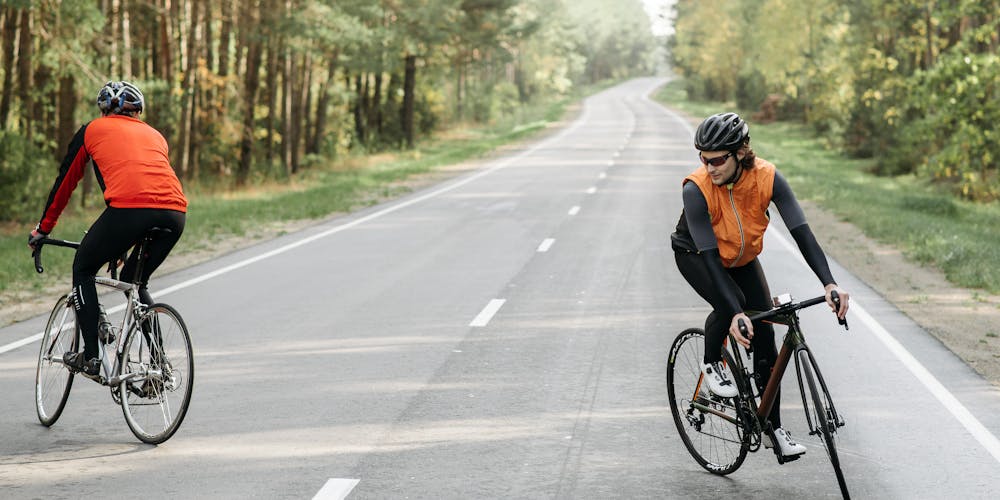
Lazer cycling helmets have become synonymous with thoughtful design, reliable safety, and practical versatility. In this article, we explore the full spectrum of what makes Lazer helmets stand out, from brand heritage to the latest technologies, and translate that into guidance that helps riders of all levels choose the right helmet for their needs. Throughout, you’ll see references to the core idea of safety, comfort, and performance—embodied in the concept of lazer cycling helmets.
Introduction to Lazer Cycling Helmets
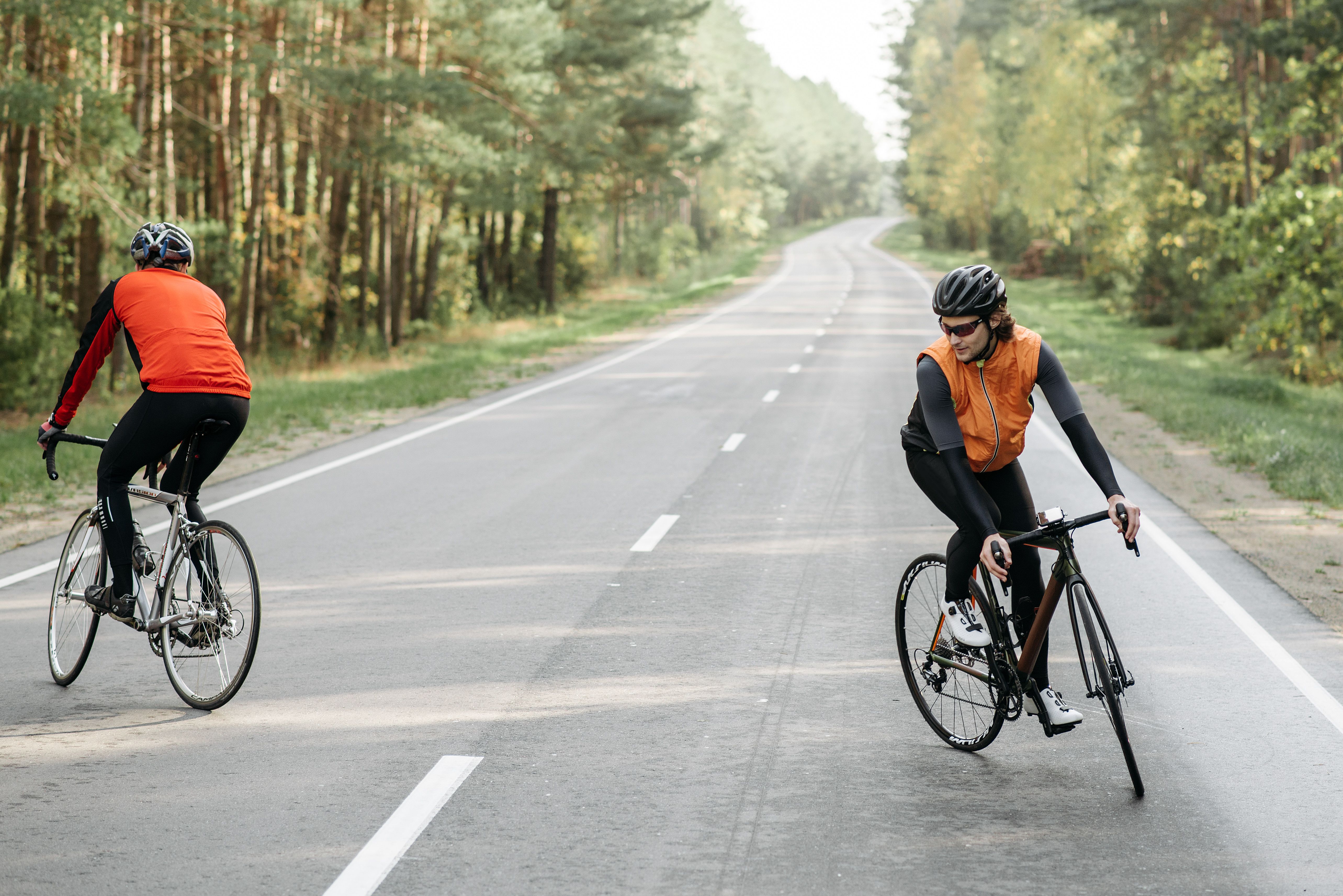
Lazer, a brand with a storied history in cycling safety, has consistently pushed the envelope by blending engineering rigor with user-centric design. From pro-level road racing to urban commuting, Lazer helmets aim to deliver protection without compromising comfort or aesthetics. This introduction sets the stage for understanding how Lazer’s approach to helmet design reflects broader shifts in cycling safety and rider expectations.
The modern cycling helmet is no longer a simple piece of protective gear; it’s an integrated part of the rider’s kit. Riders expect helmets to be lightweight, well-ventilated, and easy to adjust, while still providing reliable protection in a variety of crash scenarios. Lazer has responded to these demands with a portfolio that includes road, mountain, and commuter helmets, each engineered to address the specific needs of different riding contexts. The overarching goal is clear: reduce the risk of head injuries without adding unnecessary weight, heat, or bulk.
As we dive deeper, consider how Lazer aligns with the safety standards that govern cycling equipment worldwide. Certifications like CE and CPSC play a critical role in validating the protective capabilities of helmets, while independent testing and real-world feedback continually refine both the materials and the structural design. A thorough understanding of these factors helps riders make informed choices that match their riding style, climate, and personal preferences.
In this section, we will map out the historical context of Lazer’s development, highlight the innovations that have defined its products, and discuss how those innovations translate into practical benefits for everyday cyclists. By the end, you’ll have a solid framework for evaluating Lazer cycling helmets and selecting models that best fit your riding habits and safety priorities.
Overview of Lazer as a Brand
Lazer has established itself as a pioneer in helmet safety and performance. With roots dating back several decades, the brand has continually evolved through collaboration with professional athletes, engineers, and testers who push the limits of what a helmet can achieve. Lazer’s product philosophy emphasizes balance: protection should be robust yet unobtrusive; ventilation should be effective without compromising structural integrity; and fit should be secure without being uncomfortable, even during long training sessions or hot days.
What makes Lazer particularly compelling is its willingness to experiment with high-velocity, data-driven approaches to helmet design. From computational modeling to real-world impact testing, the company uses rigorous methods to optimize energy management and dispersion. This disciplined approach has yielded a range of helmets that excel in both crash protection and comfort, ensuring that riders do not have to choose between safety and performance.
Beyond the hardware, the Lazer brand also emphasizes the rider experience. This includes easy adjustment systems, intuitive strap layouts, and compatibility with accessories such as visors and lights. The goal is to deliver a helmet that fits naturally into a rider’s daily routine, whether you’re slicing through traffic on a city commute or climbing and descending on rugged mountain trails.
As with any premium gear, the investment in a Lazer helmet is reinforced by a warranty and dedicated customer support. The brand’s reputation rests not only on the safety performance of its products but also on the reliability of its service network, which helps cyclists troubleshoot fit issues, replace parts, and access compatible accessories.
Importance of Helmet Safety in Cycling
Head protection is the cornerstone of cycling safety. Even at modest speeds, the consequences of a fall can be severe, so helmets are not a luxury but a necessity. The best helmets work because they are designed to manage impact energy in a controlled, predictable manner. They minimize the risk of skull fractures, concussions, and other traumatic injuries by redistributing force away from the skull and into the helmet’s protective shell and foam liner.
A critical aspect of helmet safety is fit. A helmet that shifts or comes off during a crash is far less protective than one that stays securely in place. This makes adjustable fit systems incredibly important. A well-fitted helmet should sit level on the head, cover the forehead adequately, and remain stable during movement. It should also accommodate various head shapes and sizes without excessive pressure points.
Certification and standards provide a baseline for safety. In many markets, helmets must meet specific safety requirements to be sold legally. While certifications offer reassurance, they do not guarantee injury-free outcomes in all scenarios. Riders should adopt best practices—such as wearing the helmet correctly, inspecting it regularly for cracks or deformities, and replacing it after a significant impact or upon the end of its useful life.
Beyond the mechanical aspects, helmet safety intersects with behavior and road sharing. Safe riding practices, visibility, and anticipation contribute to overall protection. A helmet is most effective when combined with good riding habits, reflective gear, lights, and a well-maintained bike. In urban environments, the combined effect of helmet safety and visibility features like integrated lights can be particularly meaningful for preventing accidents.
Innovations and Technology in Lazer Helmets
Lazer has made notable strides in integrating new technologies into helmets to improve safety, comfort, and convenience. Some key directions include:
- Impact protection innovations: Modern helmets employ multi-density foams, robust shells, and energy-absorbing liners designed to dissipate impact forces across a broad range of crash scenarios. These materials are chosen for their ability to cushion and redirect energy away from the skull.
- Fit systems: Adjustable fitting mechanisms make it easier for riders to achieve a snug, secure fit. The best systems distribute pressure evenly around the head and can adapt to different hair types, sweat, and environmental conditions.
- Ventilation design: Advanced channeling and vent placement optimize airflow to cool the head during hot days and intense efforts. A well-ventilated helmet reduces overheating and enhances comfort, encouraging riders to wear it consistently.
- Integrated lighting and connectivity options: Some Lazer helmets offer compatibility with rear lights or integrated illumination systems, which improve visibility to others on the road. This is especially valuable for commuters and urban riders who navigate through mixed traffic after dark.
- Visors and accessory integration: For riders who prefer sun protection or shielded vision during rain, visors and other accessories can be added without compromising safety or comfort. Modular designs allow riders to customize their helmets to weather conditions and riding preferences.
- Weight reduction through materials innovation: The use of advanced polymers and lightweight composites helps minimize weight without sacrificing protection. Lazer’s research and development teams continually seek ways to shave grams while preserving safety margins.
As technology continues to evolve, Lazer remains committed to refining the balance between protection, comfort, and practicality. The result is a family of helmets that can perform across a wide range of disciplines—from fast-paced road racing to rugged mountain biking to daily commuting.
Types of Lazer Cycling Helmets
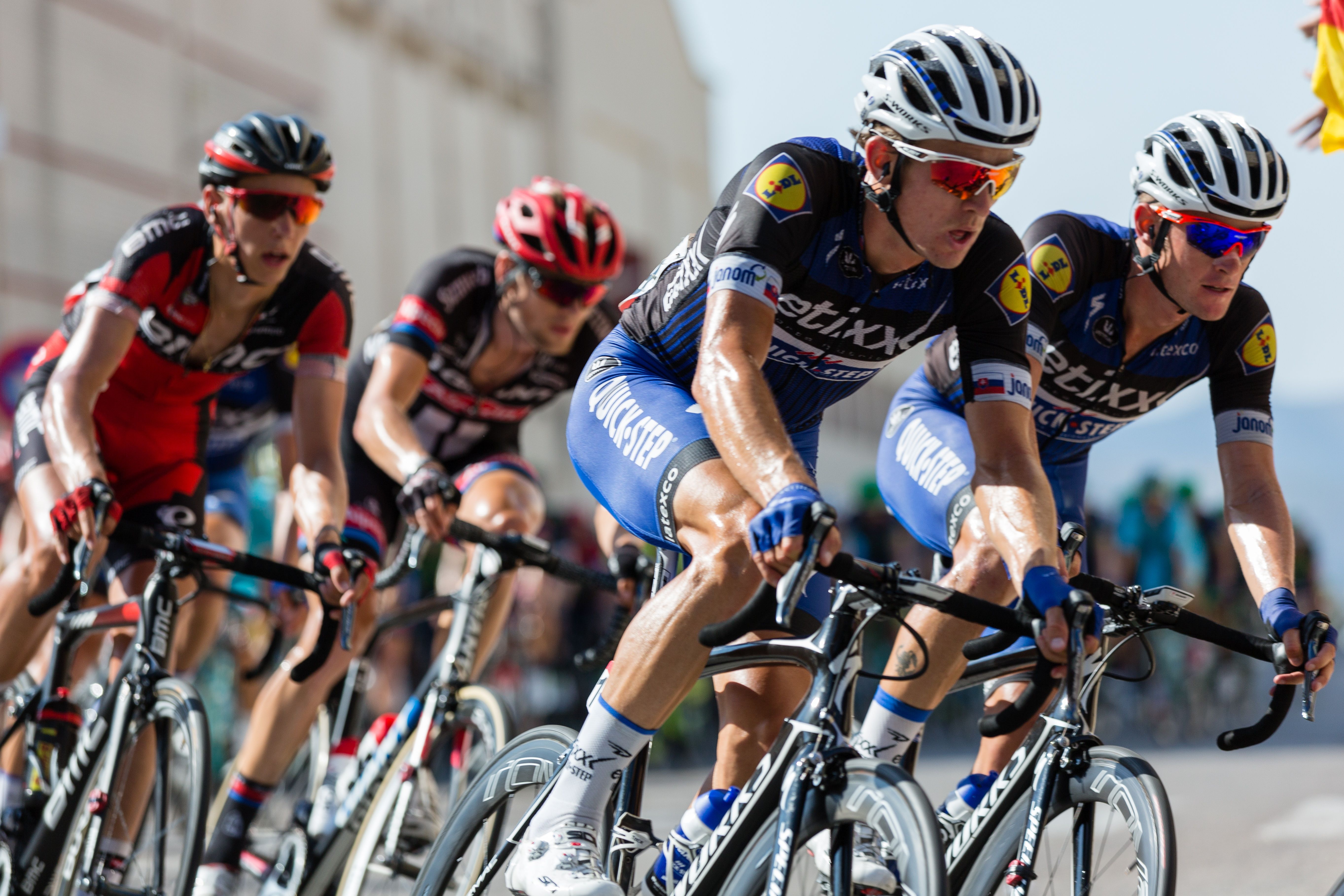
Lazer’s product lineup reflects the diverse needs of modern cyclists. Whether you’re chasing speed on the asphalt, tackling technical singletrack, or navigating urban streets, there’s a Lazer helmet designed to fit your riding context. In this section, we’ll explore the main categories and what sets each apart.
Road Cycling Helmets
Road cycling demands aerodynamics, light weight, and ventilation, all while meeting stringent safety standards. Road helmets from Lazer emphasize streamlined shapes that cut through air efficiently, with features such as internal channeling that supports airflow over and around the head. The lighter weight construction contributes to rider comfort during long hours in the saddle, while secure fit systems keep the helmet in place during fast accelerations, sprints, or sudden maneuvers.
For competitive cyclists, the fit and aerodynamics translate into marginal gains that add up over a long ride. However, road riders also appreciate practical features like easy strap adjustments, comfortable interior padding, and compatibility with accessories that might be needed on a road course, such as rear-mounted lights or visor options for sun exposure. If you spend long hours chasing PRs or training miles on tarmac, a road-specific Lazer helmet is designed to keep you cool, protected, and ready for the next climb.
Mountain Biking Helmets
Mountain biking introduces more unpredictable dynamics than road riding. A helmet designed for MTB must manage more varied impacts, often with more head movement due to rough terrain and aggressive riding styles. Mountain bike helmets from Lazer emphasize robust construction, additional protection around the sides and back of the head, and enhanced venting that doesn’t compromise the helmet’s structural integrity.
In addition to protection, MTB helmets often factor in visors or extended shells to shield from brush, branches, and mud. Because mountain biking can involve frequent drops and less predictable riding scenarios, the ability to customize the fit and feel is highly valued. A well-fitted MTB helmet minimizes movement and distraction, allowing riders to focus on line choice, balance, and control on technical sections.
Commuter Helmets
Urban riders prioritize comfort, practicality, and visibility. Commuter helmets balance everyday wearability with protection for unpredictable city traffic. They tend to be more compact and comfortable for longer periods of wear, with ventilation designed to handle varied climates and a style that complements workwear and casual outfits. Integrated lighting options, reflective elements, and modular accessories (like visors or removable LEDs) make commuter helmets an attractive choice for day-to-day cyclists who ride in all conditions.
Youth and Kids’ Helmets
Safety education starts early, and youth helmets are crafted with smaller head sizes and growth considerations in mind. Lazer’s youth helmets typically offer secure, easy-to-adjust fit systems and colorful, kid-friendly aesthetics. The goal is to encourage consistent use by making helmets appealing and comfortable, while maintaining the same standards of crash protection that adults rely on.
As your child grows, fit and comfort remain crucial. A helmet that sits properly on a child’s head with a secure, easy-to-use retention system is more likely to be worn consistently during biking adventures, which in turn reinforces safe cycling habits from a young age.
Key Features of Lazer Cycling Helmets
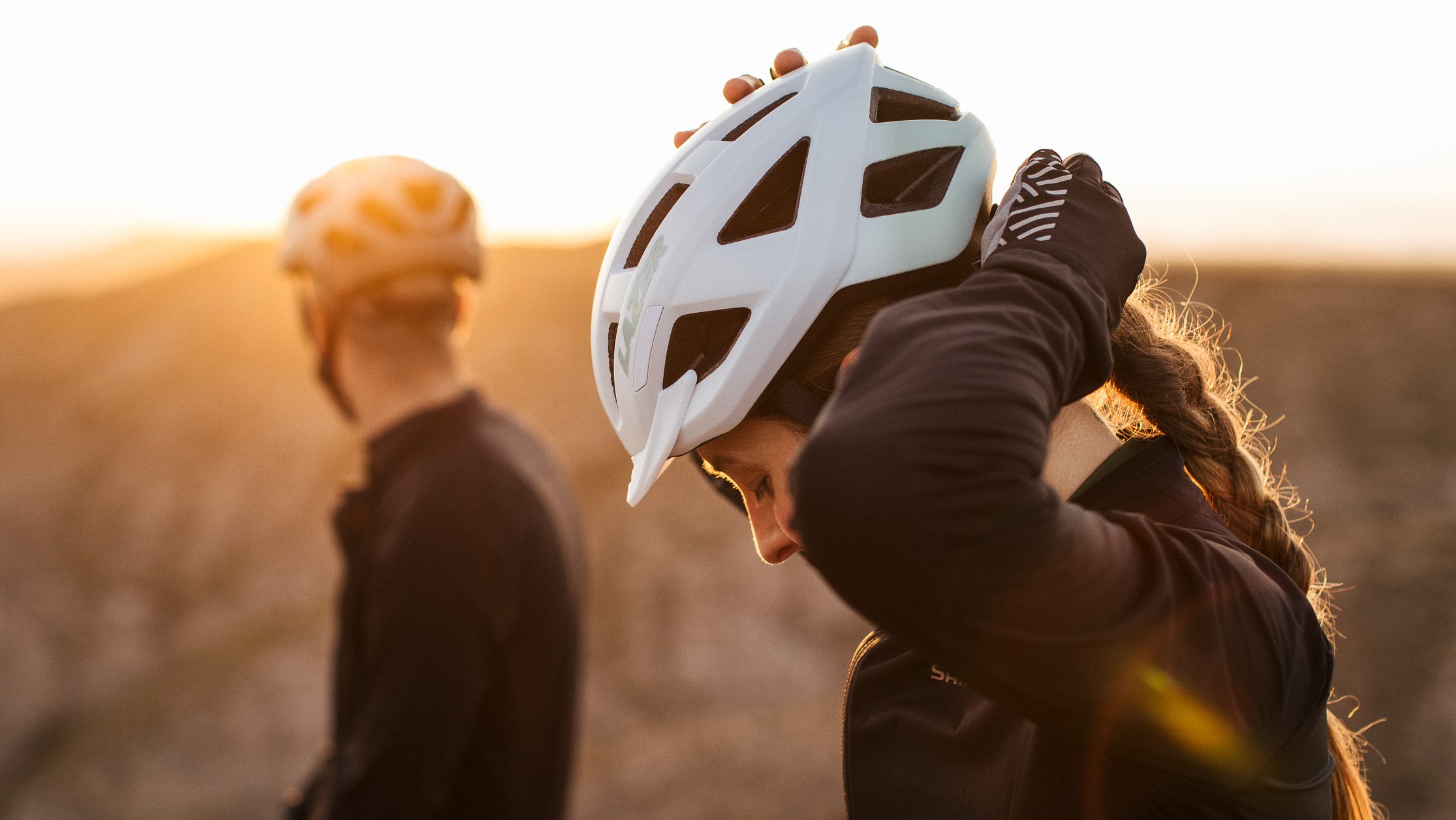
Understanding the core features of Lazer helmets helps you compare models and determine which one best matches your riding habits. From safety certifications to ventilation and weight, these attributes collectively shape the wearing experience and protective performance.
Safety Certifications and Standards
A helmet’s safety certification is a starting point for evaluating its protective capabilities. Lazer helmets are designed to meet or exceed established safety standards across different markets. These standards typically include tests for impact energy absorption, retention system effectiveness, and helmet integrity after repeated stresses. While certifications indicate a baseline level of protection, they do not guarantee injury-free outcomes in every incident.
Riders should treat certifications as a framework for comparison, then consider how the helmet feels on their own head, how it fits with their riding style, and how it performs in real-world conditions. When shopping, look for models that carry recognized certifications appropriate for your region and confirm that the helmet’s sizing and adjustability align with how you ride.
Fit and Comfort: The Perfect Size
Fit is perhaps the most personal and important aspect of helmet selection. A helmet that is too loose can shift during a crash, while one that’s too tight can cause pressure points, headaches, and discomfort over long sessions. Lazer addresses fit with adjustable systems that allow riders to tailor the snugness around the temples, cheeks, and occipital area.
Comfort also relies on padding material and coverage. The inner liners should be soft, moisture-wicking, and breathable. Proper ventilation reduces heat buildup, which improves endurance and reduces fatigue. For many riders, the ability to dial in fit quickly between rides or during an extended race is a major advantage, especially on hot days or in multi-day events.
Aerodynamics and Ventilation
Aerodynamics matter especially for road cyclists and triathletes who spend significant time at high speeds. A helmet with an aerodynamic profile reduces drag, providing a subtle but meaningful efficiency benefit. Ventilation, meanwhile, ensures comfort by removing heat and allowing air to circulate around the scalp. The best designs strike a balance between these two goals: sleek profiles to minimize drag and well-placed vents to maximize cooling.
Lazer’s approach to ventilation often involves carefully engineered channeling and vent placement that aligns with modern helmet geometry. The result is a helmet that remains comfortable under sustained effort without appearing bulky or sluggish on the head.
Weight and Materials Used
Weight is a key consideration for performance and comfort. Although protecting the head is non-negotiable, riders prefer lighter helmets that don’t impede performance, especially during climbs or long endurance events. Lazer achieves weight reductions through the use of advanced materials and optimized shell thickness, which helps minimize fatigue without compromising safety.
Material choices also influence durability and price. High-quality plastics and composite materials provide the necessary rigidity and energy absorption while remaining relatively light. A well-chosen material set ensures longevity, resistance to everyday wear, and resilience against impacts that might occur during routine rides or occasional crashes.
Visor and Accessory Compatibility
Visors and accessories can greatly enhance the rider’s experience, offering sun protection, rain shielding, or improved visibility in challenging weather. Lazer helmets often support visor attachments or compatible accessories that improve practicality without adding bulk or compromising safety. It’s important to verify compatibility before making a purchase so you can tailor your helmet to your typical riding environment.
Accessory compatibility also extends to lighting systems, cameras, and other devices that riders may want to mount or integrate with their helmet. A helmet that offers flexible integration options can simplify your setup and keep accessories secure during rides.
Lazer Cycling Helmet Technologies
Delving into the technologies behind Lazer helmets reveals how the brand translates safety science into practical protections and rider benefits. Here are several notable technology pillars you’ll encounter when evaluating models.
Advanced Impact Protection Systems
At the heart of helmet safety is the ability to manage impact energy efficiently. Advanced impact protection systems use multi-density foams and energy-absorbing structures designed to crumble in controlled ways upon impact. The foams in contact with the head compress predictably, while the outer shell remains intact to distribute forces over a larger area, reducing peak loads on the skull.
These systems are often tuned to respond to a spectrum of crash scenarios—from low-velocity impacts to higher-energy events that occur on technical MTB trails or during fast urban descents. The design challenge is achieving reliable protective performance without making the helmet overly bulky or rigid.
Adjustable Fit Systems
An effective adjustable fit system ensures that the helmet stays securely on the head during movement and impact. Modern systems provide micro-adjustability, allowing riders to dial in precision fit around the head circumference and the occipital region. Some systems incorporate dial-adjusters, sliding pads, or magnetic/strap-based technologies that you can fine-tune on the fly, even while wearing gloves.
From a user experience standpoint, adjustable fit systems reduce the need to try multiple helmet sizes. They also accommodate hair volume changes due to weather, sweat, or styling, which helps maintain a consistent fit across a range of conditions.
Integrated Light and Communication Systems
Visibility is a critical safety factor, particularly for riders who share roads with motorized traffic or ride in low-light environments. Some Lazer helmets integrate lighting solutions or are designed to easily host rear or integrated lights. These features increase conspicuity, making riders more noticeable to drivers from behind.
Lightweight, battery-efficient LED systems can be a practical addition for urban riders who commute after dark or for weekend riders exploring dim trails. The trend toward smart connectivity is also expanding in this space, with some helmets enabling compatibility with smartphone apps or onboard communication accessories to enhance navigation and situational awareness.
Breathable Padding and Moisture Management
Comfort during long rides hinges on moisture management. Breathable padding wicks sweat away from the skin and dries quickly, reducing the likelihood of discomfort or irritation. The padding’s antimicrobial properties can also help minimize odors after extended wear. A well-designed moisture management system keeps riders cooler and more comfortable, promoting consistent helmet use in a wide range of climates.
Padding is often removable and washable for hygiene and longevity, which is particularly important for riders who sweat heavily or wear their helmet on a daily basis. The ability to customize padding thickness or density can also help tailor the feel of the helmet to different head shapes and preferences.
Selecting the Right Lazer Helmet for Your Needs
Choosing the right helmet starts with a clear understanding of your riding style, risk exposure, and comfort priorities. Below are practical steps to help you select a model that aligns with how you ride.
Assessing Your Riding Style
Consider the primary contexts in which you ride. Road cyclists who spend long hours on smooth pavement will benefit from aero-focused designs with excellent ventilation and a light feel. Mountain bikers, on the other hand, may require more robust protection around the temples and back of the head, with a visor option to shield from sun and brush. Urban commuters often prioritize visibility features, lightweight comfort for daily wear, and compatibility with lights for night riding.
Your riding style also informs your helmet’s certification relevance. If you race on sanctioned routes, you might look for models that meet or exceed the safety standards required by the organization or governing body. For casual riders, comfort and fit may outweigh marginal differences in aerodynamic performance.
Understanding Different Head Shapes and Sizes
Head shape—oval, round, or oblate—affects how a helmet sits and feels. Some designs are more forgiving of a range of shapes due to adjustable fit systems and greater internal padding distribution. To ensure the best fit, measure your head circumference at the widest point above the eyebrows. Try on helmets with similar sizing and adjust the fit to find the most comfortable position. If you wear spectacles, confirm that the helmet shape does not conflict with the arms or frame.
An important tip is to test fit a helmet in a natural riding position—slightly forward with a relaxed neck. The helmet should sit level and the front edge should be about one finger’s width above the eyebrows. Shake your head gently to ensure there is no wobble or movement. If it shifts easily, readjust the straps and perhaps try a different size or model.
Budget Considerations: Value vs. Features
High-end helmets deliver cutting-edge materials, refined aerodynamics, and integrated features. They can be a smart investment for serious riders, particularly those who place a premium on comfort and performance. However, there are capable models at more accessible price points that still offer robust protection, reliable fit systems, and adequate ventilation.
When evaluating price, focus on the features that matter most to you: fit adjustment precision, ventilation efficiency, compatibility with accessories, and overall weight. A lighter helmet with a secure fit can significantly reduce fatigue on long rides, while a well-ventilated design helps you stay cool and focused. Remember that a helmet’s value extends beyond its price tag—it’s about consistency, reliability, and long-term safety.
Comparing Popular Models
With multiple models in the Lazer lineup, riders can compare options based on intended use and body metrics. In practice, you’ll want to examine the helmet’s profile, weight in grams, vent count, and the adjustability range. It’s also helpful to read riders’ feedback about comfort during extended sessions, the ease of cleaning the inner padding, and how well the helmet accommodates accessories like visors or rear lights.
While specifications are important, the best helmet for you is the one that fits you well and aligns with your riding routine. A model that feels great during a 2-hour training ride is often more valuable in the long run than the one with slightly better test results but poor daily comfort.
Maintenance and Care for Lazer Cycling Helmets
A helmet’s performance is not a one-and-done decision. Regular care and inspection extend its life and ensure consistent protection. Below are practical guidelines to keep your helmet in top condition.
Cleaning and Sanitizing Tips
Cleaning a helmet should be straightforward and gentle. Remove the padding if it’s machine-washable, and wash it with mild soap and water. Allow padding to air dry fully before reassembly. Wipe down the outer shell with a soft cloth and a mild soap solution, avoiding harsh solvents that could degrade the shell’s surface.
Odor control is a common concern, especially for riders who sweat heavily. Regular cleaning helps reduce odor buildup. Some pads and liners are designed to be moisture-wicking and antimicrobial, but periodic washing remains essential. After cleaning, inspect for any signs of wear or damage.
Regular Inspections for Damage
Inspect a helmet for cracks in the shell, deformation in the foam liner, or frayed straps. Even minor signs of wear warrant a closer look, as composite materials may sustain internal damage that isn’t visible from the outside. Replace any helmet that has experienced a significant impact, even if there’s no obvious external damage, as the protective properties could be compromised.
Create a schedule for periodic checks, especially if you ride in challenging terrain or under frequent impact scenarios. For riders who crash, it’s best practice to replace the helmet and not rely on a prior assessment. A helmet’s ability to absorb energy can degrade after an impact that isn’t visibly obvious, so err on the side of caution.
Lifespan and When to Replace Your Helmet
The typical lifespan of a cycling helmet is often expressed in years or after a number of seasons, but the real determinant is structural integrity. The foam liner can lose its energy-absorbing properties over time due to age, UV exposure, and repeated stress. Environmental factors such as sunlight, heat, and humidity can accelerate material degradation. Many manufacturers recommend replacing helmets every 3 to 5 years under normal use, but a crash or visible damage certainly accelerates the need for replacement.
Maintaining a helmet’s structure is vital for safety. If you notice any cracking, unusual flexibility, or crushed foam, it is time to replace. Protecting your head is indispensable, and upgrades in newer models often bring improved protection, better comfort, and enhanced features that are worth considering at replacement.
Practical Riding Scenarios: How Lazer Helmets Perform
To illustrate how these helmets perform in real life, consider several common riding scenarios and how different Lazer models might suit them.
- Daily urban commute: A lightweight, well-ventilated helmet with comfortable padding and easy-to-use adjustability. A model optimized for urban use would prioritize visibility features, such as reflective elements or rear lighting compatibility, and a compact form to fit under a cycling cap or hood.
- Weekend road rides: Aero-leaning designs with efficient airflow and secure fit systems help maintain comfort on longer sessions. You’ll appreciate precise fit adjustment and a shell profile that minimizes wind resistance while offering reliable protection at speed.
- Technical mountain biking: A robust helmet with enhanced coverage around the sides and back, potentially with a visor option. The helmet must stay firmly on the head during rough terrain and be able to shed heat efficiently through advanced ventilation channels.
- Youth cycling: A helmet designed with smaller sizes, easy-to-use fit systems, and safety features that are easy for kids to understand. Colorful finishes and playful designs can encourage consistent use, reinforcing safe habits early on.
- All-weather rides: Weatherproof visors or shields, rain protection, and compatibility with lights provide practical benefits. A helmet optimized for variable climates helps riders stay comfortable and protected across a full range of riding conditions.
Brand Experience and Community
Beyond the product itself, Lazer has cultivated a strong community around cycling safety and performance. Supporting athletes, sponsoring events, and engaging in safety campaigns contribute to a brand experience that extends beyond the helmet. Knowledge-sharing through blogs, guides, and tutorials helps riders understand the nuances of protection, fit, and maintenance. This broader approach reinforces how protective gear fits into a rider’s broader safety mindset and lifestyle.
Common Misconceptions about Cycling Helmets
Riders often encounter myths that can influence their willingness to wear helmets or to invest in higher-quality models. Debunking these myths is part of a broader education effort that helps people make informed decisions.
- Myth: All helmets provide roughly the same protection. Reality: The level and distribution of protection vary with design, materials, and construction. A well-engineered helmet can offer more consistent energy management and better fit across head shapes.
- Myth: Heavier helmets are safer. Reality: While protection is paramount, lighter helmets can offer equivalent or better protection due to optimized materials and energy absorption arrangements. Weight is only one factor; fit, retention, and structural integrity matter more.
- Myth: If I don’t crash, I don’t need a new helmet. Reality: Helmets have a finite lifespan; even without a crash, materials can degrade over time due to age, UV exposure, and repeated stress. Replacing a helmet when necessary ensures ongoing protection.
- Myth: Helmets are only for high-speed or aggressive riders. Reality: Any cyclist who shares road space or trails with others benefits from head protection. The decision to wear a helmet should be consistent, regardless of skill level or intended speed.
The Future of Lazer Helmets
As technology advances, Lazer and similar brands are likely to continue pushing the envelope in several directions. Expect further improvements in:
- Lightweight, stronger materials that offer higher energy absorption with less mass
- More seamless integration with smart devices and connectivity options
- Enhanced fit systems that automatically adapt to subtle changes in head shape and movement
- Advanced ventilation networks that respond to physical intensity and ambient temperature
- Expanded accessory ecosystems that enable customization without compromising safety
Riders who adopt these innovations will benefit from helmets that feel almost invisible in daily use while providing robust protection when it matters most. The growing emphasis on sustainability may also influence material choices and manufacturing processes, reflecting a broader industry trend toward responsible gear production.
Real-World Guidance: How to Try Before You Buy
If you have the opportunity to try helmets in person, take advantage of it. Many cycling shops offer fitting sessions where you can test different sizes, shapes, and adjustment mechanisms. Bring a couple of your typical riding scenarios in mind—commute, weekend rides, and rougher trail sessions—to evaluate how each model performs under expected conditions.
During a fitting session, pay attention to:
- Comfort across the forehead and temples
- The ability to adjust the fit without pinching or creating pressure points
- How securely the helmet sits at the correct position on the head
- The ease of strap adjustments and whether they stay in place during movement
- How the padding feels against the skin and whether it becomes uncomfortable with sweat
If you ride with sunglasses or a full-face mask occasionally, check for any interference with helmet fit or ventilation. It’s not unusual for riders to have to test several models before finding the one that fits most naturally and stays comfortable for hours on the road or trail.
Maintenance and Care Revisited: A Practical Routine
To summarize practical steps for maintaining your helmet:
- Clean regularly but gently; avoid harsh cleaners that could degrade materials
- Inspect after each crash or significant impact; replace if there are any signs of damage
- Replace your helmet every few years, or sooner if you’ve experienced notable wear or environmental exposure
- Store away from direct sunlight and heat to preserve foam integrity
- Check and replace straps if they show signs of wear or fraying
Building a simple, repeatable maintenance routine helps ensure your helmet remains protective and comfortable for as long as possible. Combine this with consistent riding safety practices—like signaling, wearing lights, and obeying traffic laws—for a well-rounded approach to cycling safety.
Conclusion
In the world of cycling safety, Lazer helmets stand out for their blend of protective engineering, user-centric design, and practical everyday usability. From road to mountain to urban environments, these helmets address the core needs of riders: effective protection, comfortable wear, and the flexibility to adapt to diverse riding contexts. By prioritizing fit, ventilation, weight, and accessory compatibility, Lazer models help riders stay safer and more comfortable on every ride. As technology and materials science advance, the future of Lazer cycling helmets looks even more promising, offering improved impact management, better adjustability, and smarter integration with the gear riders already love. Whether you are chasing PRs on the road, navigating technical singletrack, or simply commuting through busy streets, selecting the right helmet is a decision that pays dividends in confidence, safety, and ride enjoyment. The ultimate takeaway is clear: invest in a helmet that fits well, feels comfortable on your head, and stays true to your riding style—because protection is not a one-size-fits-all proposition. Embrace the evolving landscape of helmet technology, trust your fit, and ride with the peace of mind that comes from having a well-chosen Lazer helmet securely protecting your head on every adventure. This is how you build a safer, smarter, more enjoyable cycling routine—one thoughtful choice at a time, and with the cornerstone expectation that safety-first mindset you bring to every ride will carry you forward with confidence as you explore new roads and trails. And for those who are starting or redefining their cycling journeys, remember that the right helmet is more than gear—it’s a partner in every mile you ride, every hill you climb, and every descent you conquer, empowering you to push your limits while staying protected, comfortable, and connected to the road ahead.
If you’re curious to explore models and features in depth, consider visiting Lazer’s catalog to compare options that match your riding profile and climate. For riders seeking a blend of performance and practicality, think about how a model’s ventilation, weight, and fit system align with your daily routines and seasonal needs. The decision to upgrade or invest in a new helmet should be grounded in your personal riding context, your comfort preferences, and your safety goals—an approach that ensures you get the most value and protection from your investment. In the end, the best helmet is the one you forget you’re wearing because it feels natural, fits perfectly, and carries you through every ride with confidence and security. The road ahead is full of possibilities, and with the right helmet, you’re ready to seize them—safely, comfortably, and with style.