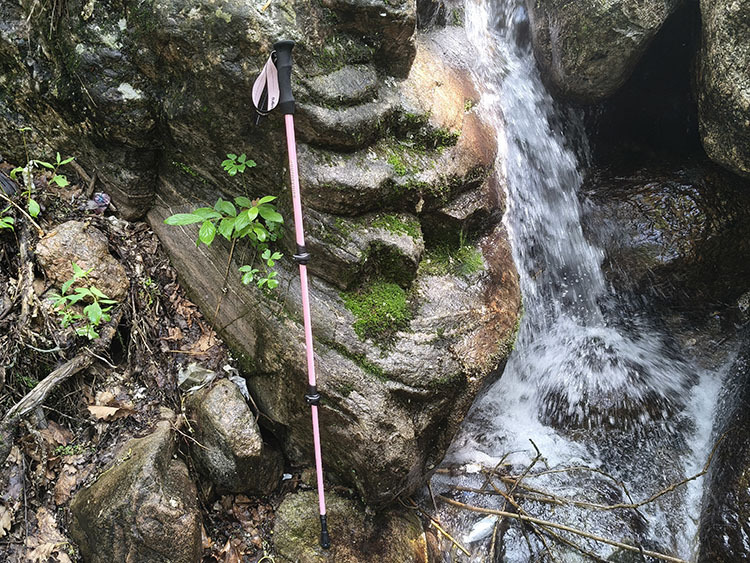
Choosing the right trekking poles creates one of the most common debates among hikers and backpackers. The decision between different materials often comes down to personal needs and adventure plans.
Many factors influence this choice. Your budget, preferred weight, and the terrain you’ll encounter all matter. There is no single perfect option that works for everyone.
Each material brings unique strengths to the trail. Some excel in lightweight performance, while others offer superior durability. Understanding these differences helps you make a smart investment.
FiTiFT brings professional insight to this discussion. As experts in outdoor gear, we manufacture both carbon fiber and aluminum models. Our goal is to help you find the perfect match for your adventures.
This guide will explore critical performance areas. We’ll examine weight, strength, shock absorption, and cost. You’ll get practical advice for everything from day hikes to long expeditions.
Key Takeaways
- The best pole material depends entirely on your individual needs and hiking style.
- Weight preferences, durability requirements, and budget all play crucial roles in selection.
- Neither carbon nor aluminum is universally superior—each excels in different scenarios.
- Performance metrics like weight-to-strength ratio and impact resistance vary between materials.
- Professional guidance helps match equipment to specific outdoor activities and terrain types.
- Real-world testing data provides more valuable insights than theoretical comparisons.
- The right choice balances technical specifications with practical trail experience.
Introduction: FiTiFT and Outdoor Sports Gear Excellence
The foundation of a successful outdoor experience lies in the reliability of your gear. FiTiFT is a dedicated manufacturer focused on creating premium equipment that meets the diverse needs of adventurers. Our commitment ensures every product delivers performance when it matters most.
FiTiFT’s Commitment to High-Quality Outdoor Equipment
We build our reputation on rigorous standards. Every piece of equipment undergoes strict testing protocols. Attention to construction details guarantees reliability in challenging conditions.
This focus on quality means selecting top-tier materials and incorporating user-centered design. Our goal is to provide dependable support for all your hiking and exploring activities.
Overview of Trekking Pole Options
FiTiFT offers three distinct product lines to suit different preferences and adventures. Each set is designed with specific user needs in mind.
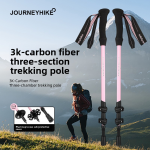
For ultralight performance, our 3K Carbon Fiber Trekking Poles (2-pack) are ideal. They excel on fast-paced trails where reducing weight is critical.
Those seeking maximum durability should consider the Premium 7075 Aluminum Trekking Poles (2-pack). They offer superior strength for rugged terrain.
Our 7075 Aluminum Trekking Poles (2-pack) provide excellent value. They deliver reliable quality for budget-conscious explorers.
Features like adjustable lengths, ergonomic grips, and shock absorption are available across these options. This variety ensures you find the perfect match for your outdoor plans.
Carbon vs Composite Poles: Which Material Performs Better Outdoors?
Material science plays a crucial role in determining how trekking poles perform under various outdoor conditions. The fundamental differences begin with their core construction.
Material Composition and Performance Metrics
Carbon fiber trekking equipment uses woven composites bonded with resin. These typically feature 3K weave patterns for optimal strength. Aluminum models employ aerospace-grade alloys like 7075-T6.
The weight difference is significant. Carbon options average 140-150g per pole, while aluminum versions weigh 195-210g. This represents a 30-40% reduction that impacts long-distance fatigue.
Impact resistance varies substantially. Aluminum withstands approximately 15 joules before deformation. Carbon shows micro-fractures at 12 joules, making metal more suitable for rocky terrain.
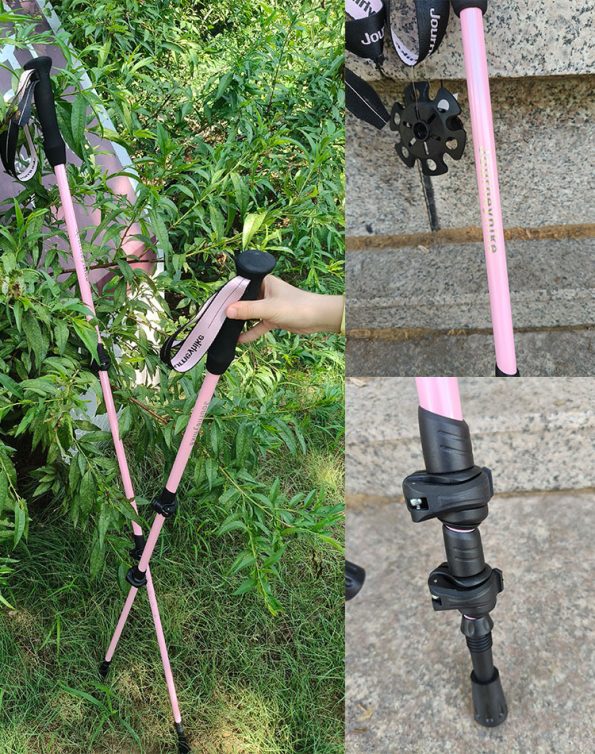
User Experience and Outdoor Application Insights
Carbon excels in vibration dampening, reducing joint strain during extended use. The material provides superior shock absorption. Aluminum offers progressive bending under stress, giving visible warnings before failure.
Manufacturing processes differ significantly. Extrusion creates consistent aluminum wall thickness. Composite layering allows customized stiffness profiles in carbon products.
Both materials meet EN/ISO safety standards. Each excels in different performance categories based on your specific outdoor needs and terrain challenges.
In-depth Look at Carbon Fiber Trekking Poles
For hikers prioritizing minimal pack weight, carbon fiber trekking equipment represents the ultimate advancement in lightweight technology. The 3K weave construction uses 3,000 individual filaments woven together, creating exceptional strength while shedding unnecessary mass.
Benefits of 3K Carbon Fiber Poles for Long Hikes
These poles offer a 30-40% weight reduction compared to aluminum alternatives. This translates to carrying 120g less on your trek. Over a 20-mile day, this weight savings reduces cumulative lifting force by thousands of pounds.
The material’s natural vibration dampening protects joints from trail impacts. This significantly reduces fatigue during extended use. Your wrists, elbows, and shoulders experience less strain with each step.
| Performance Metric | Carbon Fiber Advantage | Impact on Long Hikes |
|---|---|---|
| Weight Reduction | 30-40% lighter than aluminum | Reduces cumulative fatigue over distance |
| Shock Absorption | Superior vibration dampening | Decreases joint strain and injury risk |
| Stiffness | High rigidity prevents twisting | Provides confident placement on uneven terrain |
The difference in fatigue reduction becomes apparent after the first ten miles. Quality carbon fiber construction makes those final stretches feel significantly easier.
Product Highlight: FiTiFT 3K Carbon Fiber Trekking Poles (2-pack)
FiTiFT’s premium offering incorporates high-quality 3K carbon fiber with thoughtful design features. The set includes ergonomic cork grips and adjustable length mechanisms. Reinforced tips ensure extended durability across varied conditions.
Ideal for thru-hiking, ultralight backpacking, and fast-packing adventures, these poles excel where weight minimization enhances performance. They maintain consistent performance across temperature variations without corrosion concerns.
Explore the FiTiFT 3K Carbon Fiber Trekking Poles for your next long-distance adventure. Quality construction typically provides 5-7 years of regular use, making the investment worthwhile for serious hikers.
Exploring the Strength of Aluminum Trekking Poles
Aluminum trekking poles stand out as the go-to option for hikers who value long-term durability and cost-effective performance. These poles use aerospace-grade alloys that provide exceptional resilience in demanding outdoor conditions.
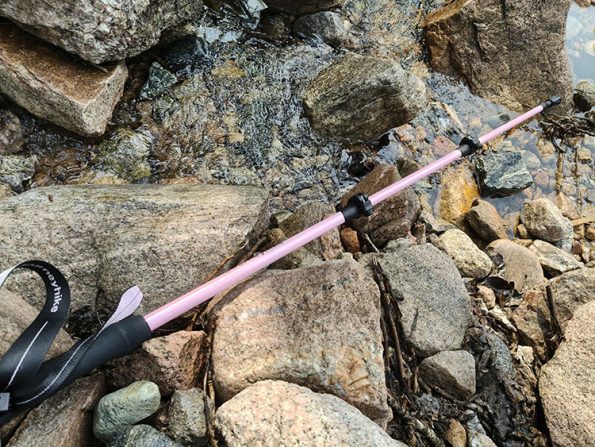
Premium 7075 Aluminum vs. Standard 7075 Aluminum Performance
FiTiFT offers two distinct aluminum options to meet different needs. The Premium 7075 Aluminum Trekking Poles feature enhanced alloy formulations for maximum performance. They withstand approximately 15 joules of impact force.
The standard 7075 Aluminum Trekking Poles provide excellent quality at a more accessible price point. Both options use heat-treated alloys originally developed for aircraft construction.
Durability and Cost-Effectiveness in Rugged Conditions
Aluminum poles bend progressively under excessive loads rather than breaking catastrophically. This provides visible warning before failure. The material maintains flexibility down to -50°C, making it ideal for extreme environments.
Cost savings are significant—aluminum poles retail for 60-80% less than carbon alternatives. With protective oxidation and anodized coatings, they offer excellent corrosion resistance.
For serious mountaineers, the Premium 7075 Aluminum Trekking Poles deliver maximum performance. For family camping and recreational use, the standard 7075 Aluminum Trekking Poles provide exceptional value.
Optimizing Outdoor Performance: Conditions, Balance, and Use
Different hiking conditions demand distinct performance characteristics from your support equipment. Your choice should align with the specific environmental challenges you’ll face during outdoor activities.
Terrain Adaptability and Environmental Resistance
Environmental conditions significantly impact equipment performance. Temperature thresholds vary dramatically between materials.
One material maintains flexibility down to -50°C, making it essential for polar expeditions. The other becomes brittle below -30°C but excels in moderate climates.
| Environmental Condition | Performance Characteristic | Recommended Application |
|---|---|---|
| Extreme Cold (-30°C to -50°C) | Maintains flexibility and impact resistance | Winter mountaineering, polar expeditions |
| High Altitude (4000m+) | Lightweight advantage reduces fatigue | Alpine climbing, high-elevation backpacking |
| Coastal/Saltwater | Superior corrosion resistance with coatings | Island hiking, coastal trail activities |
| Rocky Technical Terrain | Bend-without-break durability | Scrambling, off-trail adventures |
Practical Usage Scenarios for Varied Outdoor Adventures
For established long-distance trails like the Appalachian Trail, lightweight options excel. They reduce fatigue during extended backpacking trips.
Rugged terrain hiking demands robust construction. Equipment that withstands frequent impacts against rocks performs best in these conditions.
Balance considerations affect your choice on technical approaches. Weight distribution impacts movement efficiency during challenging activities.
Multi-week expeditions require durability above all else. Equipment failure risks isolation when replacement options are limited.
Detailed Comparison: Balance, Weight, and Price of Trekking Poles
Making the final decision between hiking support equipment involves weighing three critical factors that directly impact your trail experience. The right choice balances technical specifications with your personal adventure requirements.
Trade-offs in Weight Savings and Durability
Carbon fiber options average 140-150g per pole, creating a significant 110-120g total saving compared to aluminum models. This 30-40% weight reduction becomes crucial during long-distance excursions.
Durability presents the main trade-off. Aluminum withstands 50% more impact force and bends visibly before failing. This makes it more forgiving for rough terrain and beginner users.
Cost Analysis and Value for Budget-Conscious Adventurers
Price differences are substantial. Carbon fiber pairs retail between $80-150, while aluminum options range from $30-60. This represents a 60-80% premium for the lighter material.
Lifetime value narrows this gap. Carbon equipment typically lasts 5-7 years versus aluminum’s 3-5 year lifespan. The total ownership cost difference reduces to just 20-30%.
Over a 15-mile day with 1,000 pole plants per mile, the 120g weight saving translates to lifting 264 fewer pounds cumulative weight.
Your annual mileage determines the best investment. Serious hikers covering 200+ miles yearly benefit from carbon’s weight savings. Occasional users find better value in aluminum’s durability and lower initial cost.
Conclusion
Finding the perfect hiking companions requires understanding how different construction materials align with your trail preferences. Neither carbon fiber nor aluminum stands as universally superior—your optimal choice depends on individual adventure profiles and priorities.
Carbon fiber equipment excels for serious hikers prioritizing weight savings. The significant weight reduction enhances endurance during long-distance excursions and ultralight adventures.
Aluminum options provide exceptional value and durability for rugged terrain applications. They offer superior impact resistance and budget-friendly performance for family camping and demanding conditions.
FiTiFT’s comprehensive product range addresses diverse outdoor needs with high-quality construction. Both material choices deliver reliable performance through thoughtful design and rigorous testing standards.
Assess your typical hiking mileage, terrain types, and budget parameters. For ounce-counting thru-hikes, choose carbon fiber; for bombproof reliability in rough conditions, select aluminum. Explore FiTiFT’s complete lineup to match the right poles to your unique adventure requirements.
FAQ
Are carbon fiber trekking poles durable enough for rough terrain?
Yes, modern carbon fiber trekking poles are incredibly strong. They offer excellent resistance to bending and are ideal for most trails. However, they can be more susceptible to snapping under extreme, direct impact compared to aluminum alloy options. For general backpacking and long hikes, their strength-to-weight ratio is outstanding.
What is the main advantage of using aluminum trekking poles?
The primary benefit of aluminum trekking poles is their superior impact durability and lower price point. Materials like 7075 aluminum alloy can withstand significant abuse, such as being jammed in rocks, without failing. This makes them a fantastic, cost-effective choice for rugged conditions and backpackers who prioritize longevity over minimal weight savings.
How much weight difference is there between carbon and aluminum models?
The weight difference is noticeable, especially on long-distance hikes. Carbon fiber trekking poles are typically 20-30% lighter than their aluminum counterparts. For example, a pair of carbon poles might weigh around 1 pound, while aluminum poles could be closer to 1.5 pounds. This reduction can significantly reduce arm fatigue over many miles.
For a beginner, which type of hiking pole is recommended?
For those new to using trekking poles, aluminum models are often the best starting point. Their lower cost and proven durability make them a low-risk investment while you learn proper technique. As you gain experience and determine your needs, you can then decide if upgrading to a lighter carbon fiber option is right for your activities.
Can carbon fiber poles handle cold weather?
Carbon fiber performs well in cold conditions. Unlike some materials, it does not become brittle in low temperatures. This makes carbon fiber trekking poles a reliable choice for winter hiking and snowshoeing, providing consistent performance and strength when you need it most on the trail.