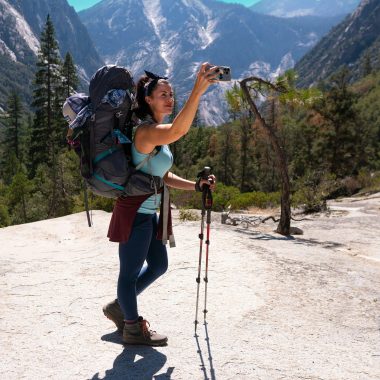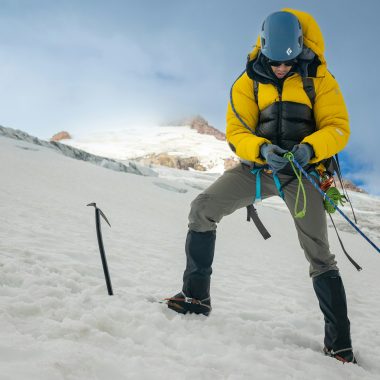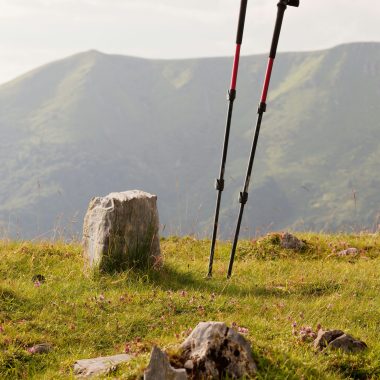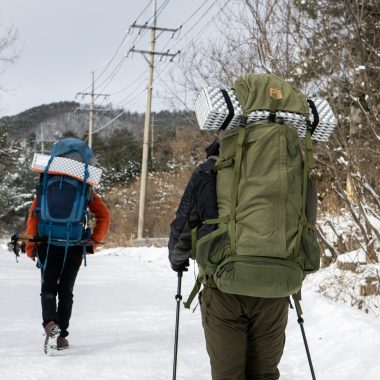
Choosing the right equipment is a fundamental question for any hiker preparing for an adventure. This guide is designed to answer that question, helping you find the perfect pair of trekking poles for your specific needs on the trail.
Expert backpackers and seasoned hikers consistently rely on these essential tools. They provide critical benefits, including reduced strain on knees and joints and enhanced stability to prevent falls. This support improves overall performance across all types of terrain and pack weights.
We will explore the main categories available to outdoor enthusiasts. This includes ultralight folding models, adjustable telescoping designs, and the key differences between carbon fiber and aluminum construction. You will also learn about specialized options tailored to various hiking styles.
Our recommendations are based on expert testing methodologies and real-world trail experiences. We provide comprehensive comparisons of top-rated models, including technical specifications and practical buying advice.
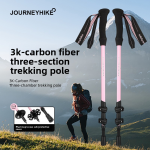
As part of a complete outdoor equipment solution, we highlight FiTiFT’s commitment to quality. Their premium 3K Carbon Fiber Trekking Poles exemplify the high-performance gear that can elevate your outdoor experiences.
This guide empowers you to make a confident, informed decision. You can select poles that match your personal hiking needs, budget, and performance requirements.
Key Takeaways
- Trekking poles significantly reduce joint impact and improve stability.
- Experienced hikers use them on all types of trails and with any pack weight.
- Key choices include folding vs. telescoping models and carbon fiber vs. aluminum.
- Selecting the right pair depends on your specific hiking style and needs.
- This guide uses expert testing to compare top models and features.
- High-quality gear, like FiTiFT’s poles, enhances safety and performance.
- Informed decisions balance personal requirements with budget considerations.
Introduction to Trekking Poles and Outdoor Gear
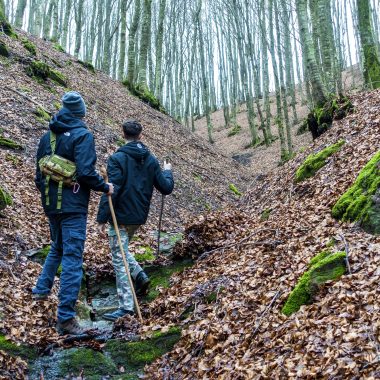
There’s a remarkable phenomenon in the hiking community where those who try trekking poles become lifelong converts to their benefits. Once outdoor enthusiasts experience the support these tools provide, they rarely hit the trail without them again. This transformation occurs across all skill levels, from casual day hikers to serious backpacking professionals.
These essential pieces of outdoor gear deliver immediate stability on uneven terrain. They assist with balance when crossing streams or navigating rocky paths. The rhythmic use of poles also helps maintain pace during long-distance treks, making challenging routes more manageable.
The physiological advantages are significant. Using poles reduces stress on knees and ankles during steep descents. They decrease muscle fatigue on uphill climbs by distributing effort across your upper body. This leads to improved posture and reduced overall strain throughout your hike.
Virtually every seasoned hiker considers trekking poles indispensable equipment. As one experienced backpacker noted, “I can’t imagine tackling serious trails without the stability and support my poles provide”. This universal adoption speaks to their fundamental value in outdoor adventures.
Trekking poles are not mere accessories but core components of a complete hiking system. They work synergistically with your backpack, footwear, and other gear to enhance safety, comfort, and endurance. Choosing the right poles significantly impacts your outdoor performance and enjoyment.
Overview of FiTiFT’s High-Quality Outdoor Sports Gear
FiTiFT’s comprehensive approach to outdoor equipment addresses every aspect of trail preparation. The brand specializes in premium outdoor gear designed for hikers, backpackers, and campers at all skill levels.
Their flagship 3K Carbon Fiber Trekking Poles exemplify this commitment. These lightweight poles offer serious hikers reliable performance on challenging terrain. The carbon fiber construction provides exceptional strength without adding unnecessary weight.
FiTiFT’s product lineup extends beyond trekking poles to create complete outdoor solutions. The Compass Survival Whistle combines navigation and emergency signaling in one durable device. This compact piece of safety equipment belongs in every backpack.
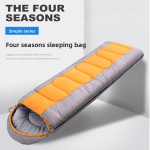
For overnight adventures, FiTiFT offers all-season sleeping bags in Orange Gray and Blue Gray. Each 2.2kg bag delivers reliable warmth across varying conditions. These sleeping bags ensure comfortable rest during year-round camping trips.
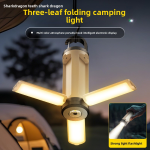
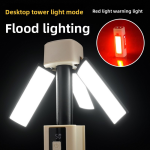
The brand’s lighting solutions include versatile options for different needs. The Multifunctional High-Intensity Flashlight features multiple mounting options and USB charging. Meanwhile, the compact EDC Flashlight serves as perfect everyday carry equipment.
FiTiFT’s stainless steel wood stove completes the outdoor cooking system. This efficient stove minimizes smoke while maximizing heat output. It represents the practical functionality found throughout their product range.
| Product Category | Key Feature | Primary Use | Weight/Specs |
|---|---|---|---|
| 3K Carbon Fiber Trekking Poles | Lightweight durability | Trail stability & support | Carbon fiber construction |
| Compass Survival Whistle | 2-in-1 functionality | Navigation & safety | Stonewashing finish |
| All-Season Sleeping Bag | Temperature adaptation | Overnight camping | 2.2kg, multiple colors |
| Multifunctional Flashlight | USB charging | Versatile illumination | Bicycle mount included |
| Stainless Steel Wood Stove | Smokeless operation | Outdoor cooking | Efficient heat output |
Each piece of FiTiFT equipment demonstrates careful attention to construction quality. The brand consistently delivers outdoor gear that performs when it matters most. Their products work together to create a reliable system for any adventure.
What type of trekking poles are best?
No single pole design suits every hiker, making individual assessment crucial for finding the perfect match. Your ideal choice depends on trip duration, terrain difficulty, and personal preferences for adjustability versus packability.
Traditional telescoping poles offer maximum length adjustment, typically extending from 24 to 55 inches. These durable designs provide excellent stability for heavy loads and challenging trails. Folding models prioritize compact storage, collapsing to just 13-16 inches for easy packing.
Weight classifications help guide your selection process. Ultralight poles weigh under 12 ounces per pair, while lightweight options range from 12-15.9 ounces. Sturdy poles exceeding one pound deliver maximum durability for demanding conditions.
Material selection presents another key consideration. Carbon fiber offers exceptional strength-to-weight ratios, while aluminum provides superior flexibility and impact resistance. Each material serves different hiking needs effectively.
| Design Type | Weight Class | Material | Best For |
|---|---|---|---|
| Telescoping Poles | Lightweight to Sturdy | Aluminum | Heavy backpacking, variable terrain |
| Folding Poles | Ultralight | Carbon Fiber | Fast-packing, travel, minimal weight |
| Three-Section Adjustable | Balanced Weight | Aluminum/Carbon Hybrid | Versatile all-around performance |
| Fixed-Length Folding | Ultralight | Carbon Fiber | Trail running, ultra-compact storage |
The optimal pole balances weight, durability, adjustability, and packability according to your specific hiking style. Consider whether you need day hiking support or technical mountaineering capabilities when making your final decision.
Ultralight and Collapsible Versus Telescoping Designs
Modern hiking gear offers two primary pole architectures that cater to different performance priorities and packing needs. Each design philosophy serves distinct trail requirements with unique advantages.
Design Fundamentals and Adjustability
Folding poles utilize internal Kevlar cord systems connecting multiple sections. These components snap together quickly for rapid deployment. The design prioritizes minimal packed size over extensive length customization.
Telescoping models feature three nested sections that slide within each other. Lever-lock or twist-lock mechanisms secure the desired length. This system provides nearly infinite adjustability within a typical 15-20 inch range.
The adjustability advantage makes telescoping poles ideal for varying terrain. Users can modify length for uphill versus downhill sections. Different user heights also benefit from this versatile adjustment capability.
Packability and On-Trail Convenience
Folding poles excel in compact storage, compressing to 13-16 inches. This ultralight design fits easily inside backpacks. Ultra-runners and fastpackers frequently prefer these for their minimal weight.
Telescoping designs sacrifice some packability for versatility. Their collapsed length typically measures 24-26 inches. Interestingly, they remain functional even when fully compressed, suitable for children or shorter users.
Deployment speed differs significantly between systems. Folding poles ready in seconds, while telescoping models require locking mechanism adjustments. This tradeoff between adjustability and packability defines each design’s optimal use case.
Special applications like trekking-pole-supported tents often require specific length extensions. Telescoping poles with secure locking mechanisms better serve these specialized needs.
Material Matters: Carbon Fiber Versus Aluminum
The material composition of your trekking poles significantly impacts their trail performance and longevity. Carbon fiber construction delivers exceptional strength-to-weight ratios, making poles feel remarkably light during extended use.
These advanced composite materials maintain structural integrity under vertical loads while reducing overall pack weight. Carbon fiber poles typically weigh 9-14 ounces per pair compared to aluminum models at 12-19 ounces.
Aluminum offers superior durability in harsh conditions. This metal bends rather than breaks under lateral stress, providing better impact resistance against rocks and accidental drops.
Carbon fiber requires more careful handling to prevent catastrophic failure through snapping. Aluminum poles withstand rough treatment better, making them ideal for off-trail adventures and winter mountaineering.
The “feel” difference between materials is noticeable during use. Carbon fiber dampens vibration better during pole strikes, creating a more comfortable experience on hard-packed trails.
Aluminum transmits more shock to hands and wrists but provides reliable performance across diverse conditions. Cost considerations also factor into material selection.
Carbon fiber poles command premium prices ($150-250 per pair) compared to aluminum options ($75-170). FiTiFT’s 3K Carbon Fiber Trekking Poles exemplify premium carbon construction that balances lightweight performance with reliable strength.
Choose carbon fiber for established trail hiking and weight-conscious backpacking. Select aluminum for maximum durability in challenging environments where equipment abuse is likely.
Key Features to Consider in Trekking Poles
Proper hand-to-pole interface represents a critical factor in maximizing trekking pole benefits. The right combination of grip materials, strap systems, and adjustment mechanisms transforms basic equipment into personalized trail partners.
Grip Types and Wrist Strap Options
Cork grips provide superior comfort and natural moisture management. They mold to your hand shape over time while offering antimicrobial properties.
EVA foam grips deliver excellent cushioning at lower price points. These foam grips absorb vibration effectively but may compress with heavy use.
Rubber grips offer weather resistance and durability. However, they can become slippery when wet during extended hiking sessions.
Ergonomic design features include angled grips for neutral wrist positioning. Extended grip areas below the main handle allow quick repositioning on steep terrain.
Quality wrist straps enable proper weight transfer from arms to poles. Padded, breathable straps with easy-adjustment buckles significantly reduce hand fatigue.
Locking Mechanisms and Length Adjustments
External lever locks provide tool-free adjustment and maximum security. Systems like FlickLock offer reliable performance under heavy loads.
Twist-lock mechanisms save weight but require careful maintenance. They can slip if not properly tightened during demanding hikes.
Advanced locking features include metal components for enhanced durability. Integrated length indicators help achieve consistent pole settings across different terrains.
Consider glove compatibility for winter conditions. Larger lever locks and extended foam sections work better with insulated gloves than minimalist designs.
Evaluating Weight, Length, and Durability Metrics
Technical specifications separate casual hiking accessories from professional-grade trekking equipment. The weight per pair represents the most critical distinguishing factor among different models. Ultralight options weighing just 9-11 ounces suit minimalist hikers and trail runners perfectly.
Sturdier poles in the 16-20 ounce range better serve backpackers carrying heavy loads. While a few ounces might seem insignificant, the cumulative effect becomes meaningful. Swinging poles thousands of times during a day’s hike makes every ounce matter for arm fatigue and endurance.
Length specifications include both collapsed and extended measurements. Compact folding poles collapse to just 13 inches for easy packing. Telescoping designs typically measure 24-26 inches when stored.
Maximum extended length generally ranges from 43-55 inches. This accommodates users from approximately 5’0″ to 6’6″ tall. The general rule suggests poles should create a 90-degree elbow angle when planted on level ground.
Many experienced hikers adjust length shorter for uphill climbs and longer for descents. Folding poles often come in multiple fixed sizes requiring careful selection. Telescoping models offer broad adjustability within one or two size ranges.
Durability extends beyond basic material choice. Shaft diameter specifications typically measure 14-16mm. The number of sections affects potential failure points under stress.
Construction quality of locking mechanisms and connection points significantly impacts longevity. Carbon poles typically last 2-5 years with regular use depending on care. Quality aluminum poles can provide a decade or more of reliable service.
Understanding these metrics helps balance performance priorities. Ultralight designs sacrifice some longevity for minimal weight. Heavier poles offer extended lifespan at the cost of additional arm fatigue during long hikes.
Ergonomics and Comfort for Long Hikes
Ergonomic considerations transform trekking poles from simple tools into personalized comfort systems for extended adventures. The right design significantly impacts your hiking experience across various terrains and distances.
Premium cork grips mold to your hand shape over time, providing natural moisture management. This material resists odor and prevents blisters during multi-day backpacking trips.
Impact on Joints and Muscle Fatigue
Foam grips offer excellent vibration dampening for thousands of pole strikes. They reduce hand and wrist fatigue during full-day hiking sessions.
Proper wrist strap usage transfers weight from hands to forearms. This technique prevents cramping and enhances overall comfort.
Biomechanical advantages include up to 25% reduced knee stress on descents. Improved balance minimizes muscle-straining recovery movements.
Different hiking styles require specific comfort features. Day hikers prioritize lightweight feel, while backpackers need substantial grips for heavy loads.
Cumulative benefits compound over long distances. Small reductions in joint impact significantly decrease overall fatigue and injury risk.
Expert Testing Insights and Performance Reviews
Real-world performance data from experienced gear testers reveals how trekking poles actually perform under demanding conditions. Independent evaluation provides crucial insights beyond manufacturer claims.
Field Test Results and Real-World Feedback
Michael Lanza brings over 25 years of gear testing experience, including a decade as lead reviewer for Backpacker magazine. His extensive field testing covers thousands of trail miles across diverse environments.
The Black Diamond Distance Carbon Z earns a 4.3 overall score. This ultralight model weighs just 10 ounces per pair. It folds to a compact 33cm length, making it ideal for minimalist backpackers.
MSR’s DynaLock Ascent achieves a top 4.5 rating. Its Kevlar-reinforced carbon construction provides exceptional durability. The poles collapse to 36.2cm while offering 20cm of adjustability.
| Model | Weight | Collapsed Length | Adjustability | Best Use |
|---|---|---|---|---|
| Black Diamond Distance Carbon Z | 10 oz/pair | 33cm | Fixed sizes (110-130cm) | Ultra-running, fast-packing |
| MSR DynaLock Ascent | 1 lb 1 oz/pair | 36.2cm | 20cm range (two sizes) | Versatile backpacking |
Testing methodology includes real-world evaluation across varied terrain. Performance metrics assess comfort, weight, versatility, and construction quality. Extended field testing reveals long-term durability patterns.
Price Ranges and Budget Considerations
Navigating the financial landscape of trekking pole purchases reveals distinct pricing tiers that cater to different user needs. Quality hiking support tools range from budget-friendly options around $75-90 to premium designs reaching $190-250.
Entry-level aluminum models like the Montem Ultra Strong ($75) and REI Trailmade ($80) provide reliable basic functionality. These budget poles offer solid value for occasional hikers and beginners prioritizing initial cost savings.
Mid-range offerings between $120-170 represent the sweet spot for most enthusiasts. The Black Diamond Pursuit ($170) and Leki Khumbu Lite ($120) deliver quality construction with comfortable features at reasonable prices.
Premium carbon fiber models justify their higher cost through advanced engineering. Options like MSR DynaLock Ascent ($190) and Black Diamond Alpine Carbon Cork ($230) maximize performance metrics for serious backpackers.
| Price Category | Typical Range | Primary Material | Best For | Example Models |
|---|---|---|---|---|
| Budget | $75-100 | Aluminum | Beginners, occasional use | Montem Ultra Strong, REI Trailmade |
| Mid-Range | $120-170 | Aluminum/Carbon Hybrid | Regular hikers, versatile use | Black Diamond Pursuit, Leki Khumbu Lite |
| Premium | $190-250 | Carbon Fiber | Serious backpackers, performance | MSR DynaLock Ascent, FiTiFT 3K Carbon |
Consider long-term value beyond initial purchase price. Quality aluminum poles may outlast cheaper alternatives by years. Carbon models reduce cumulative fatigue over thousands of hiking miles.
Trekking poles represent modest investments compared to major gear like tents or sleeping systems. Yet they deliver disproportionate benefits for joint health and hiking comfort. FiTiFT’s 3K Carbon Fiber poles offer competitive performance in the premium category.
Evaluate cost-per-use economics. Frequent hikers justify premium pricing through extended use. Occasional users often find better value in mid-range options balancing quality and affordability.
Advanced Features for the Avid Backpacker
Beyond fundamental support, cutting-edge pole designs integrate specialized components that address specific terrain challenges and user requirements. Interchangeable basket systems represent one such advanced feature, with compact 50mm trekking baskets for three-season use and larger 90-100mm powder baskets for snow conditions.
Shock absorption technology provides significant comfort benefits during descents. Internal spring mechanisms reduce impact forces on joints, though they add 2-4 ounces per pair. Many models include toggle switches to engage dampening for downhill sections and lock it out for efficient uphill climbing.
Photography enthusiasts appreciate integrated camera mounts that convert hiking tools into stable monopods. This feature proves invaluable for capturing sharp landscape images in remote locations. Similarly, compatibility with trekking-pole-supported tents requires reliable extension to 125-135cm with secure locking mechanisms.
Premium locking systems like Black Diamond’s FlickLock Pro offer enhanced durability through metal components. Carbide tips provide superior traction on rock and ice compared to standard steel alternatives. Replaceable tip systems extend equipment lifespan significantly.
Winter-specific features include removable tip protectors and extended foam grip sections for variable hand positioning. These advanced components demonstrate how modern backpacking equipment evolves to meet specialized needs across diverse outdoor activities.
Comparing Trekking Poles for Various Outdoor Activities
Different outdoor pursuits demand specific pole characteristics for optimal performance. Ultra-running requires ultralight folding designs like the Black Diamond Distance Carbon Z. These weigh just 10 ounces and compress to 13 inches for easy stowing.
Day hiking benefits from mid-weight telescoping models with maximum adjustability. Cork grips and reliable lever locks provide comfort across varying terrain. This flexibility allows sharing among hiking partners of different heights.
Multi-day backpacking needs sturdy construction for heavy loads. Poles must support 40-60+ pounds over extended distances. The Black Diamond Alpine Carbon Cork offers proven durability for these demanding activities.
Fastpacking combines running and hiking in ultralight overnight trips. Every ounce matters for these adventures. Poles must compress small enough to fit inside minimal running vests.
Mountaineering applications require robust construction to withstand rock impacts. Interchangeable basket systems handle transitions between rock, snow, and glacier terrain. Longer pole lengths accommodate snow travel needs.
Winter activities like snowshoeing need extended length (up to 140cm) and powder baskets. Durable aluminum or reinforced carbon construction withstands cold temperatures. These features ensure reliable performance in harsh conditions.
Casual walking prioritizes comfort and ease of use over extreme performance metrics. Affordable aluminum telescoping poles with simple adjustments work well for fitness hiking.
Trekking-pole-supported shelter users need guaranteed minimum lengths (125-135cm). Secure locking mechanisms are essential since pole failure compromises shelter integrity during weather events.
Integrating Trekking Poles with Other Outdoor Gear
A cohesive outdoor gear system transforms individual equipment pieces into a unified support network for backcountry adventures. These components work together to enhance safety, comfort, and performance during extended wilderness excursions.
Complementary Items from FiTiFT
FiTiFT’s 3K Carbon Fiber Trekking Poles integrate seamlessly with their complete outdoor equipment lineup. This creates a reliable system where quality and compatibility enhance every backpacking trip.
Modern backpacks feature dedicated attachment points for secure pole storage. Compression straps and side pockets keep your equipment accessible during rest periods.
The Compass Survival Whistle provides essential safety backup for navigation and emergency signaling. Its stonewashing finish ensures durability while complementing your primary hiking tools.
All-season sleeping bags in Orange Gray and Blue Gray offer comfortable rest after trekking pole-assisted hikes. Reduced fatigue during approach hikes means more energy for camp setup.
| FiTiFT Gear | Primary Function | Integration Benefit | Weight/Specs |
|---|---|---|---|
| 3K Carbon Fiber Poles | Trail stability & support | Core hiking system component | Ultralight carbon construction |
| Compass Survival Whistle | Navigation & safety | Emergency backup system | Stonewashing finish |
| All-Season Sleeping Bag | Overnight comfort | Post-hike recovery | 2.2kg, multiple colors |
| Multifunctional Flashlight | Versatile illumination | Early/late hike safety | USB charging, mounts |
| Stainless Steel Wood Stove | Efficient cooking | Weight-optimized meals | Smokeless operation |
Lighting solutions like the multifunctional high-intensity flashlight ensure safety during low-light conditions. Mounting options allow attachment to various gear pieces for hands-free operation.
The compact EDC flashlight serves as essential everyday carry equipment for emergency preparedness. Its USB rechargeable design provides reliable illumination for extended trips.
FiTiFT’s stainless steel wood stove completes the outdoor cooking system with efficient, smokeless operation. This complementary equipment reduces pack weight while maintaining cooking capability.
Tips for Maintaining and Caring for Your Trekking Poles
Consistent care routines transform quality trekking poles from seasonal accessories to long-term trail companions. Proper maintenance significantly extends equipment lifespan while ensuring reliable performance when you need it most.
Cleaning, Storage, and Repair Best Practices
Post-hike cleaning begins with rinsing poles thoroughly to remove dirt and debris. Use mild soap for stubborn grime, paying special attention to locking mechanisms. Always dry components completely before storage to prevent corrosion.
Different environments demand specialized cleaning approaches. Beach hiking requires immediate salt water removal to avoid accelerated corrosion. Desert treks need careful sand removal from internal mechanisms. Muddy trails demand thorough cleaning to prevent section seizure.
Storage techniques vary by pole design. Telescoping models should remain partially extended during long-term storage. This prevents oxidation-induced seizing. Store all poles in cool, dry locations away from direct sunlight.
Regular inspection catches problems early. Check locking mechanisms for proper tension. Examine tips and baskets for wear. Internal cords on folding poles need fraying assessment. “Proactive maintenance prevents trail failures,” notes experienced hiker Sarah Jenkins.
| Pole Type | Primary Maintenance Focus | Inspection Frequency | Typical Lifespan |
|---|---|---|---|
| Carbon Fiber Poles | Crack inspection, tip replacement | Every 200 miles | 2-5 years |
| Aluminum Poles | Straightening checks, mechanism cleaning | Every 300 miles | 5-10+ years |
| Folding Poles | Internal cord inspection | Every 150 miles | 3-6 years |
| Telescoping Poles | Section cleaning, lock maintenance | Every 250 miles | 4-8 years |
Repair decisions depend on material and damage type. Bent aluminum shafts can sometimes be carefully straightened. Cracked carbon fiber requires section replacement. Choose brands like FiTiFT that offer replacement parts for better long-term value.
Practical Buying Advice for Every Adventurer
Smart purchasing decisions begin with understanding how different pole characteristics align with your hiking style. Start by honestly assessing your primary activities and terrain challenges.
Match your needs to appropriate weight categories. Ultralight models under 12 ounces suit minimalist hikers. Lightweight options from 12-16 ounces offer balanced performance.
Consider the packability versus adjustability tradeoff. Folding designs excel for activities requiring frequent stowing. Telescoping poles provide versatile length customization.
Material selection balances carbon fiber’s lightweight advantages against aluminum’s durability benefits. Carbon reduces vibration but requires careful handling.
Proper sizing ensures optimal performance. Measure for a 90-degree elbow angle when standing on level ground. Adjustable models accommodate various users and terrain changes.
Test different poles before committing to a pair. Visit outdoor retailers or borrow from hiking partners. Understand return policies for real-world evaluation.
FiTiFT’s 3K Carbon Fiber Trekking Poles represent a quality-conscious choice. They balance premium construction with competitive pricing for committed adventurers.
Watch for seasonal sales on previous-year models. Consider purchasing multiple pairs for different activities rather than one compromise solution.
Conclusion
The ultimate hiking experience is built upon equipment choices that align with your specific adventure goals. Your ideal trail companions should match your activity level, terrain challenges, and personal preferences.
Trekking poles deliver essential benefits for all outdoor enthusiasts. They reduce joint impact and improve stability across diverse landscapes. These tools transform challenging routes into manageable adventures.
Key selection factors include material durability versus weight savings. Carbon fiber offers lightweight performance, while aluminum provides rugged reliability. Design choices balance packability with adjustability needs.
FiTiFT’s 3K Carbon Fiber Trekking Poles exemplify premium outdoor gear. They combine exceptional performance with lasting value. The brand’s complete equipment system ensures comprehensive trail preparedness.
Assess your hiking requirements and explore quality options. Invest in gear that enhances safety and enjoyment for countless outdoor adventures ahead.
FAQ
What are the main advantages of carbon fiber poles?
Carbon fiber poles are prized for their ultralight weight and excellent vibration dampening. This material reduces muscle fatigue on long backpacking trips. While they can be more expensive, they offer a superior strength-to-weight ratio compared to many aluminum models.
How do I choose the right length for my trekking poles?
Your correct pole length depends on your height and the terrain. A general rule is to adjust them so your elbow forms a 90-degree angle when the tip is on the ground. Telescoping poles offer the most flexibility for precise sizing on varied trails.
Are folding or telescoping poles better for backpacking?
Folding poles, like those with a Z-pole design, often have a shorter collapsed length, making them extremely packable. Telescoping poles provide more adjustability for different slopes. Your choice depends on whether you prioritize compact storage or on-trail length customization.
What is the difference between cork and foam grips?
Cork grips mold to your hand over time, offering excellent comfort and moisture absorption. Foam grips are soft, lightweight, and also wick sweat well. Cork is often preferred for long-distance hiking, while foam is a great choice for wet conditions or ultralight enthusiasts.
How important is the locking mechanism on a trekking pole?
A reliable locking mechanism is critical for safety and performance. Look for systems like Black Diamond’s FlickLock or similar lever locks that provide secure, easy adjustments even with cold or wet hands. Avoid twist locks that can slip over time.
Can trekking poles really help reduce joint impact?
Yes, using trekking poles correctly can significantly reduce impact on your knees, hips, and ankles, especially during descents. They improve stability and distribute the workload to your upper body, which helps minimize muscle fatigue and lower body strain.